
 3D Gel
 Accessories
 Acrylic Brushes
 Art Brushes
 Clippers
 Design
 French Brushes
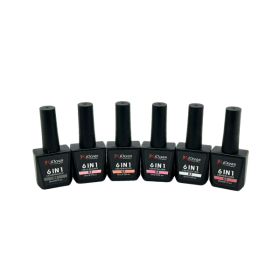 Builder Gel
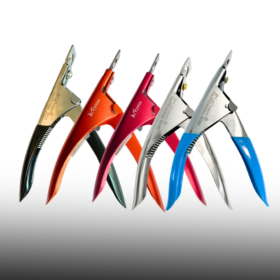 Nail Tip Cutter
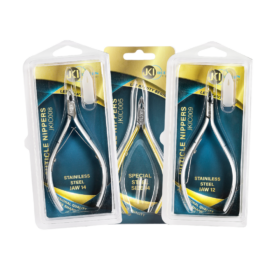 Nippers
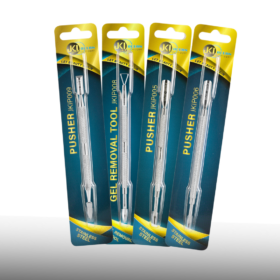 Pusher
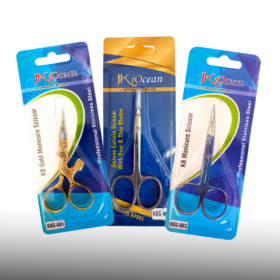 Scissors
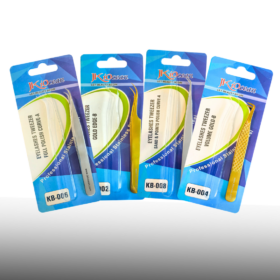 Tweezers
Jul
Blogs
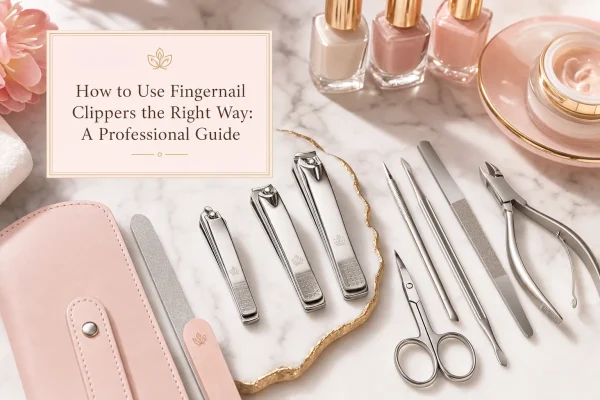
How to Use Fingernail Clippers the Right Way: A Professional Guide
Few tools in the nail industry seem as simple as fingernail clippers, yet very few are used correctly. Whether you are a nail technician refining a client’s manicure or someone maintaining healthy nails at home, understanding how to use fingernail clippers the right way roperly can make the difference between a clean, professional finish and nails prone to splitting, ingrown edges, or uneven shape. This guide walks through everything you need to know, from selecting the right clipper to mastering technique, avoiding common mistakes, and keeping your tools salon-ready.
Why Proper Nail Clipper Technique Matters
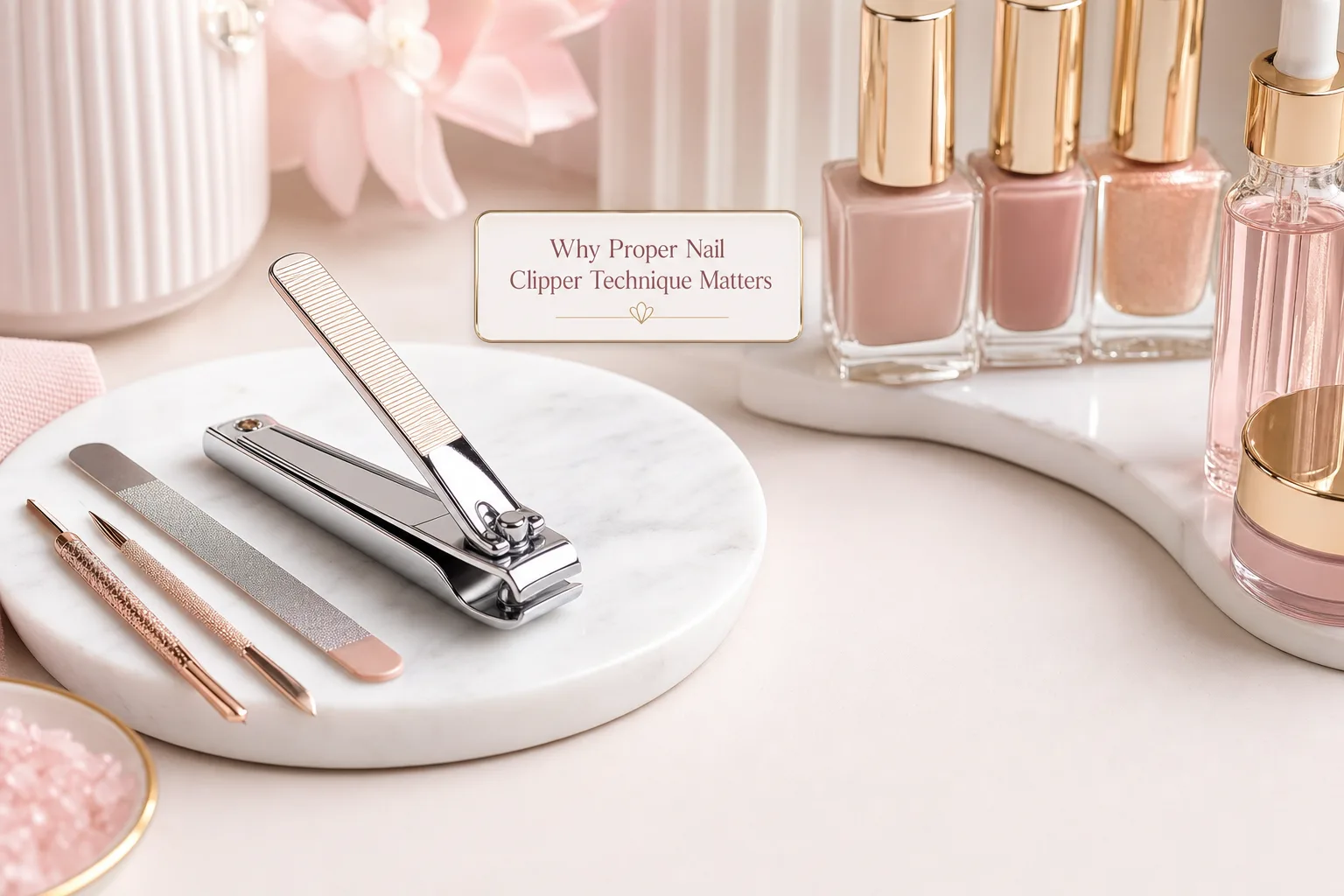
Fingernail clippers are often treated as a quick, mindless tool, but incorrect use can cause micro-fractures in the nail plate, uneven edges, and even damage to the surrounding skin. For nail professionals, precision matters even more because clients notice the finish immediately. A poorly clipped nail can undermine an otherwise flawless manicure, while a well-executed cut sets the foundation for shaping, filing, and polish application. Understanding the mechanics of the tool and the anatomy of the nail helps technicians and clients alike achieve consistent, damage-free results every time.
Choosing the Right Fingernail Clippers
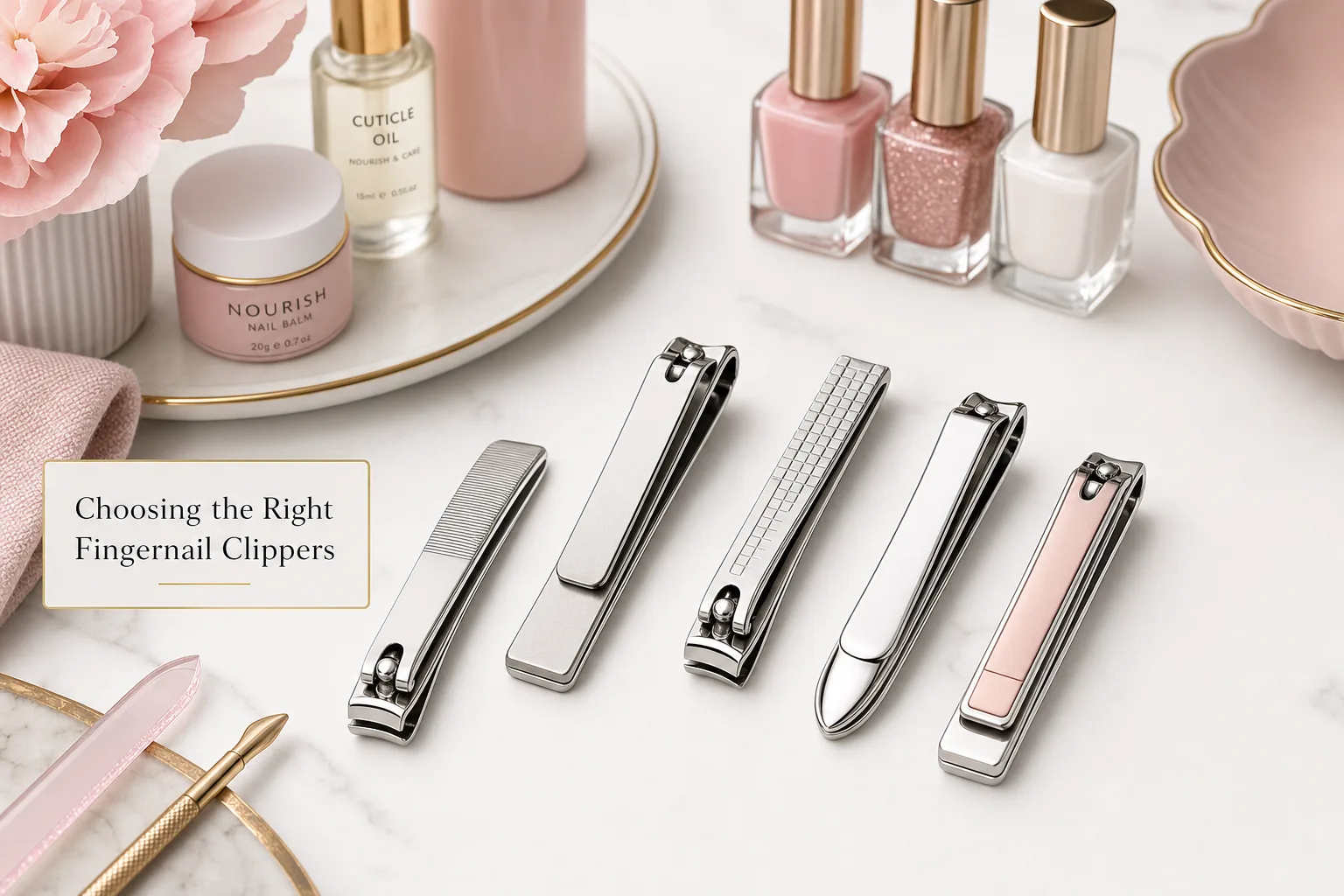
Before learning technique, it’s essential to start with the right tool. Not all clippers are created equal, and the type you choose affects both comfort and precision.
Types of Nail Clippers
Standard fingernail clippers feature a curved cutting edge designed to follow the natural curve of the nail, making them ideal for fingernails. Toenail clippers, by contrast, have a straight edge suited for thicker, flatter nails. Within the fingernail category, you’ll also find lever-style clippers versus plier-style clippers, the latter often preferred in professional settings for their leverage and control over harder or thicker nail plates.
Material and Build Quality
Professional-grade clippers are typically made from high-carbon stainless steel, offering a sharper, longer-lasting edge than the softer metals used in drugstore versions. A quality clipper should close with a clean, decisive snap rather than a dull crush, which indicates the blades are properly aligned and sharpened. Salons that invest in durable, precision-milled clippers reduce the risk of nail splintering and extend the lifespan of the tool through repeated sanitization cycles.
Step-by-Step: How to Use Fingernail Clippers The Right Way
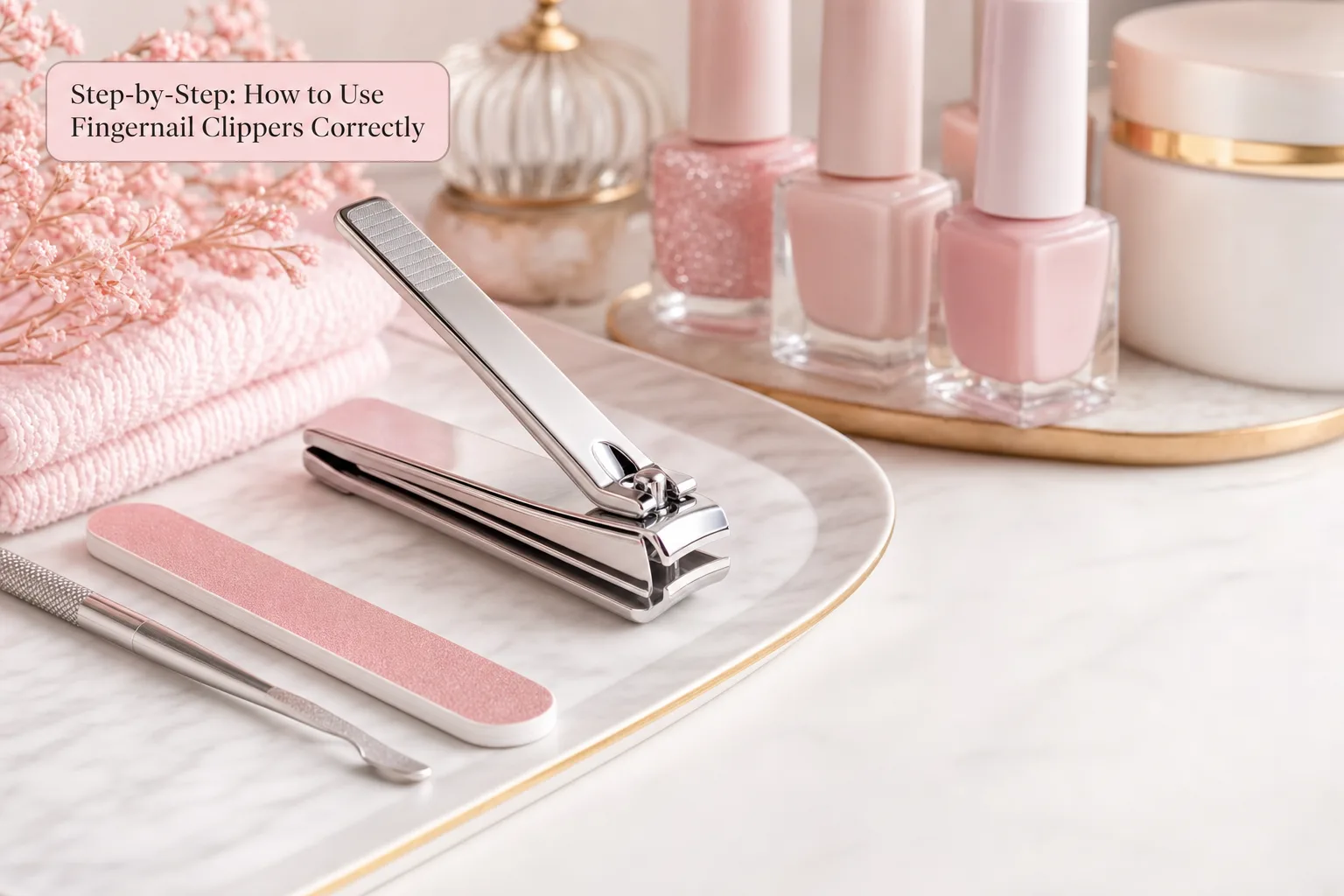
Once you have the right clipper, technique becomes the deciding factor in achieving a clean cut. Follow these steps for consistent, professional results.
Preparing the Nails
Nails should ideally be clipped when they are dry, not soaked in water, since hydrated nails are softer and more prone to tearing or bending under pressure rather than cutting cleanly. If you’re working on a client after a soak, allow a few minutes for the nail plate to firm up before clipping. Remove any old polish and ensure the nail surface is clean so you can clearly see the natural nail line and any areas needing extra attention.
The Clipping Technique
Position the clipper so the blade aligns with the natural curve of the nail tip, rather than cutting straight across in one motion. For wider nails, it helps to trim in small, controlled sections—starting from one corner, moving toward the center, then finishing at the opposite corner—rather than attempting one large cut. This reduces pressure on the nail plate and minimizes the chance of cracking. Always cut slightly longer than your desired final length, leaving room for filing to refine the shape afterward.
Aftercare
After clipping, use a fine-grit file to smooth any rough edges and soften sharp corners, which helps prevent snagging on fabric or accidental scratches. Finish with a cuticle oil or hydrating treatment to replenish moisture lost during the clipping process, especially around the nail edges where dryness is most noticeable.
Common Mistakes When Using Fingernail Clippers
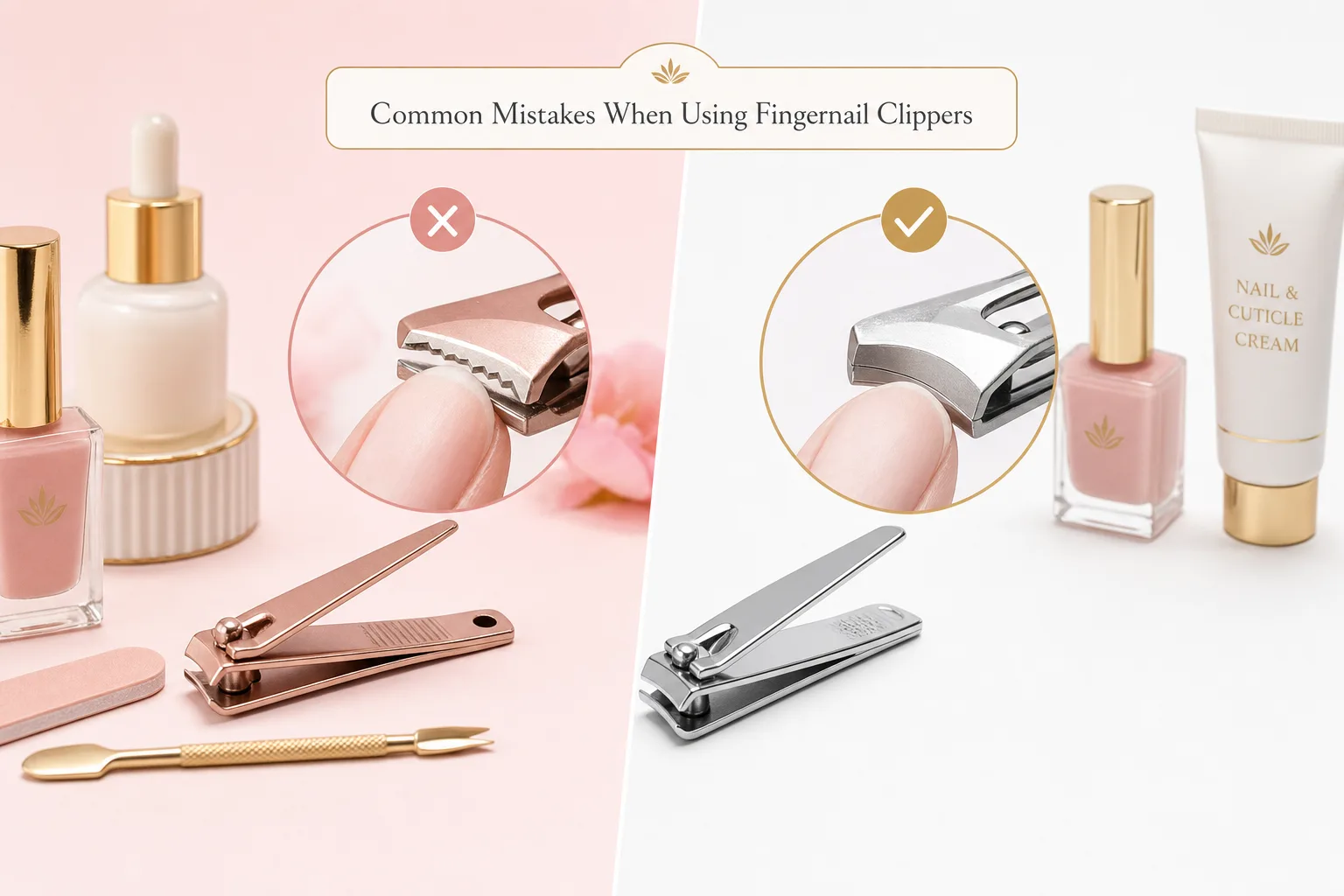
Even experienced hands can fall into habits that compromise nail health. One frequent mistake is cutting nails too short, which can expose the sensitive nail bed and increase the risk of ingrown nails or infection. Another common issue is using dull or low-quality clippers that crush rather than cut, leading to jagged, weakened edges that are more prone to breaking. Many people also clip in one single motion across the entire nail width, which places uneven stress on the nail plate and often results in a cracked or uneven edge. Skipping the filing step after clipping is another oversight, leaving sharp corners that can catch on clothing or skin. Finally, failing to sanitize clippers between uses—whether at home or in a salon—can spread bacteria and fungal infections, a risk that professional technicians must take particularly seriously.
Salon Use Case: Integrating Clippers into a Professional Manicure Workflow
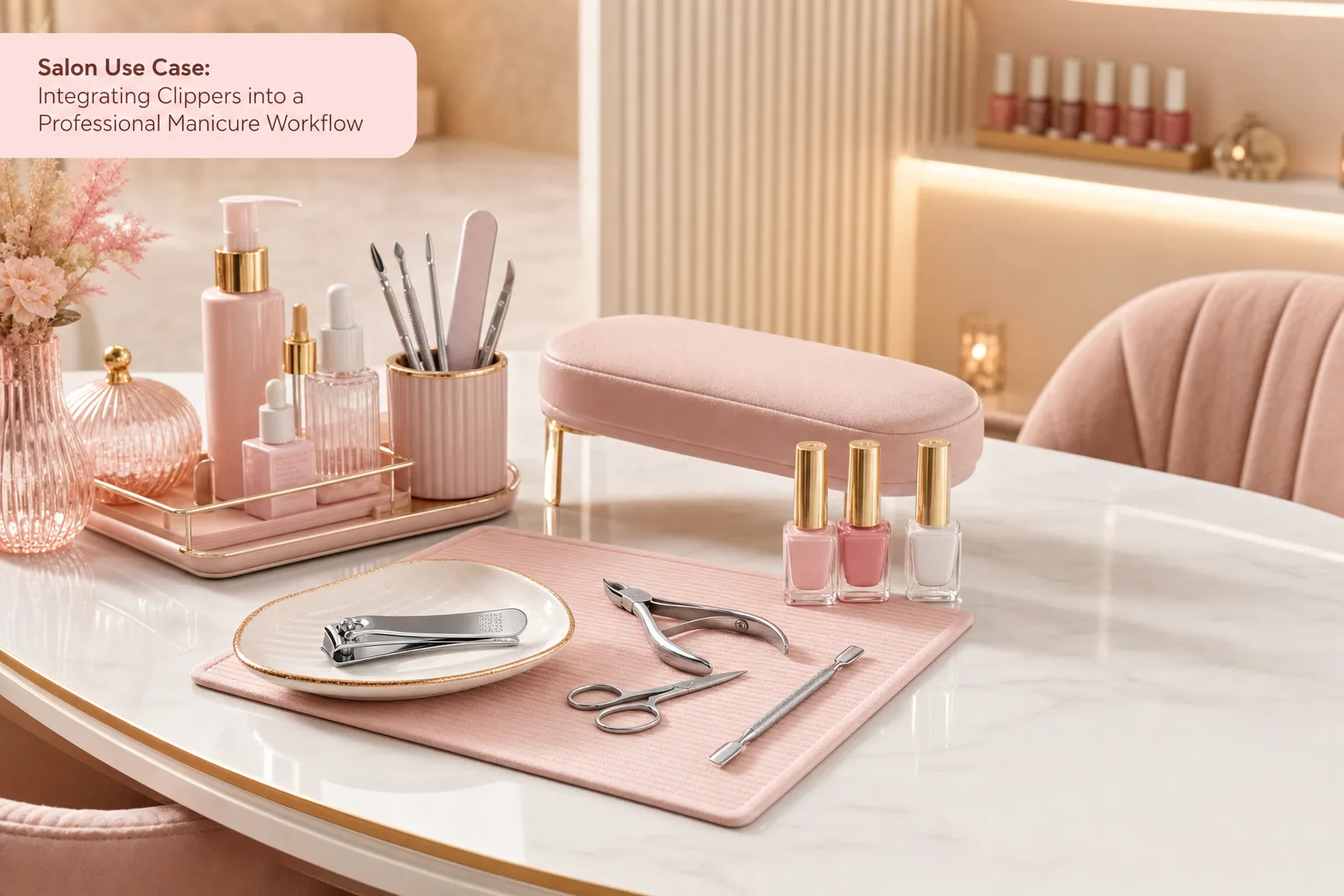
Consider a busy salon setting where a technician is preparing a client for a gel manicure. The workflow typically begins with removing old polish, followed by shaping the nails. If the client’s nails have grown unevenly, the technician reaches for fingernail clippers before filing, using short, deliberate cuts from the sides toward the center to establish a uniform length across all ten nails. This initial trim saves significant filing time and reduces strain on the natural nail, which is especially important for clients transitioning from long, damaged nails to a healthier, shorter length. After clipping, the technician files each nail into the desired shape—whether round, square, or almond—before proceeding to cuticle work and polish application. This sequence illustrates how clippers, when used skillfully, become a foundational step rather than an afterthought in achieving a polished, professional result.
Maintaining and Sanitizing Your Nail Clippers
Proper maintenance extends the life of fingernail clippers and protects against cross-contamination, a non-negotiable standard in professional settings. After each use, clippers should be cleaned of any nail debris using a small brush, then disinfected according to industry protocols—typically involving an EPA-registered disinfectant solution or an autoclave for salons handling high client volume. Storing clippers in a dry, sealed container prevents moisture buildup, which can lead to rust and dull the cutting edge over time. Periodically checking the blade alignment and sharpness ensures the tool continues to cut cleanly rather than crushing the nail, a subtle but important detail that affects both client comfort and nail health. Technicians managing multiple tools often rotate a small set of clippers to allow adequate sanitization time between clients without disrupting service speed.
Choosing a Reliable Supplier for Professional Nail Clippers
For salon owners and nail technicians, sourcing high-quality clippers from a trusted supplier is just as important as mastering technique. Inconsistent blade quality or poorly finished edges can slow down service and frustrate both staff and clients. Working with an established supplier such as JKIOCEAN ensures access to precision-crafted, salon-grade tools designed for durability and repeated sanitization cycles. A dependable supplier also offers consistency across bulk orders, which matters for salons maintaining standardized tool kits across multiple technicians or locations. When evaluating suppliers, look for stainless steel construction, clear sharpening and maintenance guidance, and a track record of serving professional beauty businesses rather than solely retail consumers, as this often reflects a deeper understanding of salon-specific durability requirements.
Conclusion
Learning how to use fingernail clippers the right way is a small but meaningful skill that pays off in healthier nails, cleaner manicures, and more efficient salon workflows. From selecting the right type of clipper to mastering a controlled, sectioned cutting technique and following through with proper filing and aftercare, every step contributes to a better outcome. For nail professionals, this attention to detail extends into tool maintenance and sourcing, where partnering with a reliable supplier ensures consistent quality across every service. Whether you’re refining your personal nail care routine or elevating standards in a professional setting, mastering this simple tool is a step worth taking seriously.