
 3D Gel
 Accessories
 Acrylic Brushes
 Art Brushes
 Clippers
 Design
 French Brushes
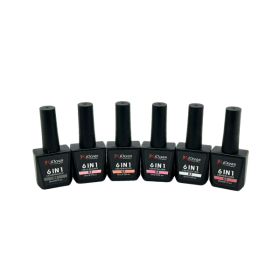 Builder Gel
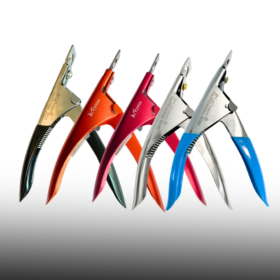 Nail Tip Cutter
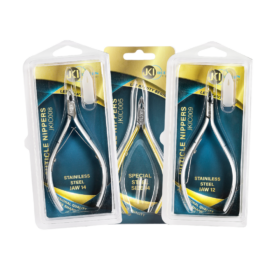 Nippers
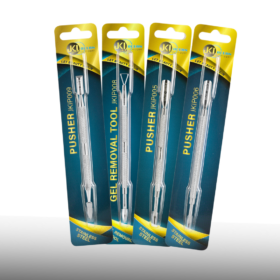 Pusher
 Scissors
 Tweezers
Jul
Blogs
What Is a Good Nail Clipper? A Professional Guide to Choosing the Best Tool
Anyone who has ever struggled with a dull, rusty, or poorly aligned nail clipper knows that not all clippers are created equal. For nail technicians, salon owners, and even everyday consumers, understanding what is a good nail clipper can mean the difference between a clean, precise cut and a jagged, uncomfortable one. A good nail clipper is not just a convenience item; it is a small but essential tool that affects hygiene, nail health, and overall client satisfaction in professional settings. This guide breaks down the qualities that define a truly good nail clipper, the different types available, and how professionals in the beauty industry select tools that perform consistently over time.
What Is a Good Nail Clipper? Key Characteristics to Look For
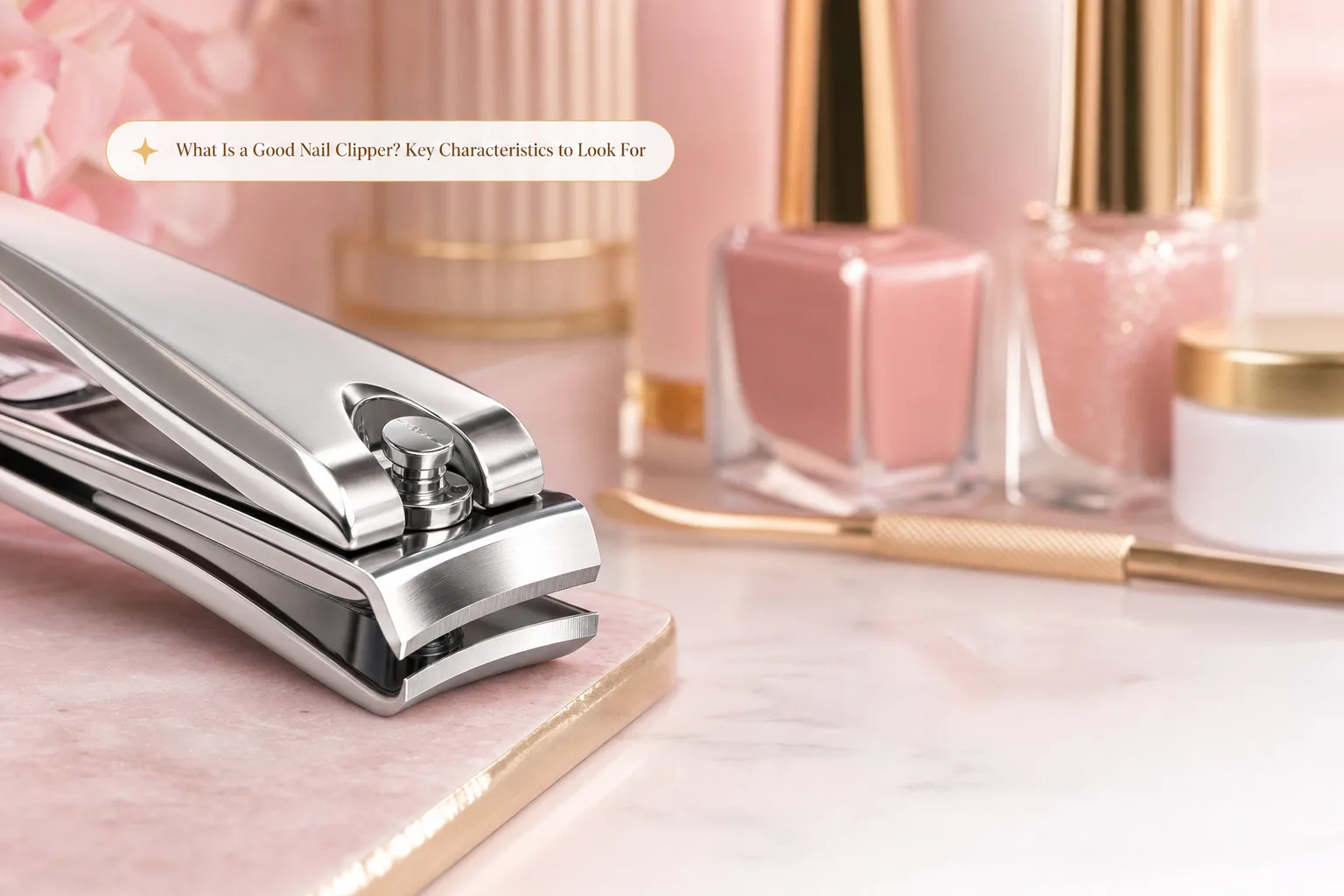
When evaluating what is a good nail clipper, several core characteristics stand out. First, sharpness is non-negotiable. A quality clipper should cut through nails cleanly in a single motion, without crushing, splitting, or leaving rough edges. Dull blades force users to apply excessive pressure, which increases the risk of nail damage and even minor injuries.
Precision and Cutting Angle
The angle of the blades determines how evenly a nail is trimmed. Professional-grade clippers are engineered with a slight curve or straight edge depending on their intended use, allowing technicians to follow the natural shape of the nail rather than forcing an unnatural cut line.
Durability and Build Quality
A good nail clipper should withstand repeated use without loosening at the pivot point or losing its sharp edge quickly. Stainless steel construction, tight rivet joints, and a stable spring mechanism are all indicators of a tool built to last, especially in a salon environment where clippers are used dozens of times per day.
Comfort and Grip
Ergonomics matter more than many people realize. A well-designed handle reduces hand fatigue for technicians performing back-to-back services, while also giving clients a more comfortable experience during manicures and pedicures.
Types of Nail Clippers Used in Professional Nail Care
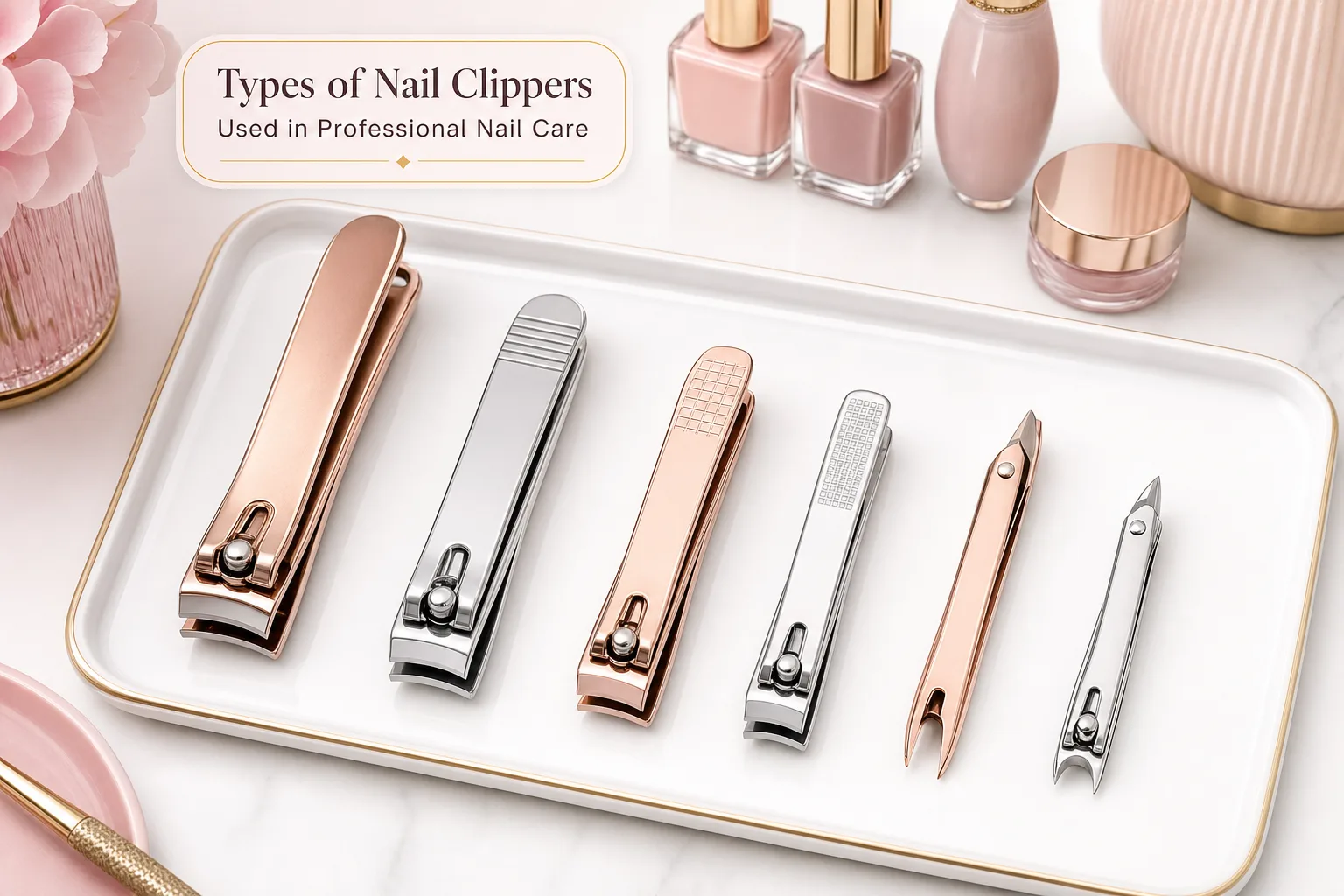
Not all nail clippers serve the same purpose. Professional nail technicians typically keep several types on hand to address different nail conditions and client needs.
Standard Fingernail Clippers
These are compact, precision tools designed for everyday trimming of fingernails. They usually feature a curved cutting edge that mirrors the natural shape of the nail, making them ideal for quick, controlled cuts during manicure services.
Toenail Clippers
Toenails are generally thicker and require a straight-edged blade with a stronger spring mechanism. A good nail clipper designed for toenails should provide enough leverage to cut through dense keratin without slipping or requiring multiple attempts.
Heavy-Duty Clippers for Thick or Ingrown Nails
Some clients present with thicker nails due to age, fungal conditions, or ingrown nail issues. Heavy-duty clippers, often made with reinforced steel and a wider jaw opening, are essential for these cases and are commonly found in podiatry-focused nail studios.
Material and Blade Quality: The Foundation of a Good Nail Clipper
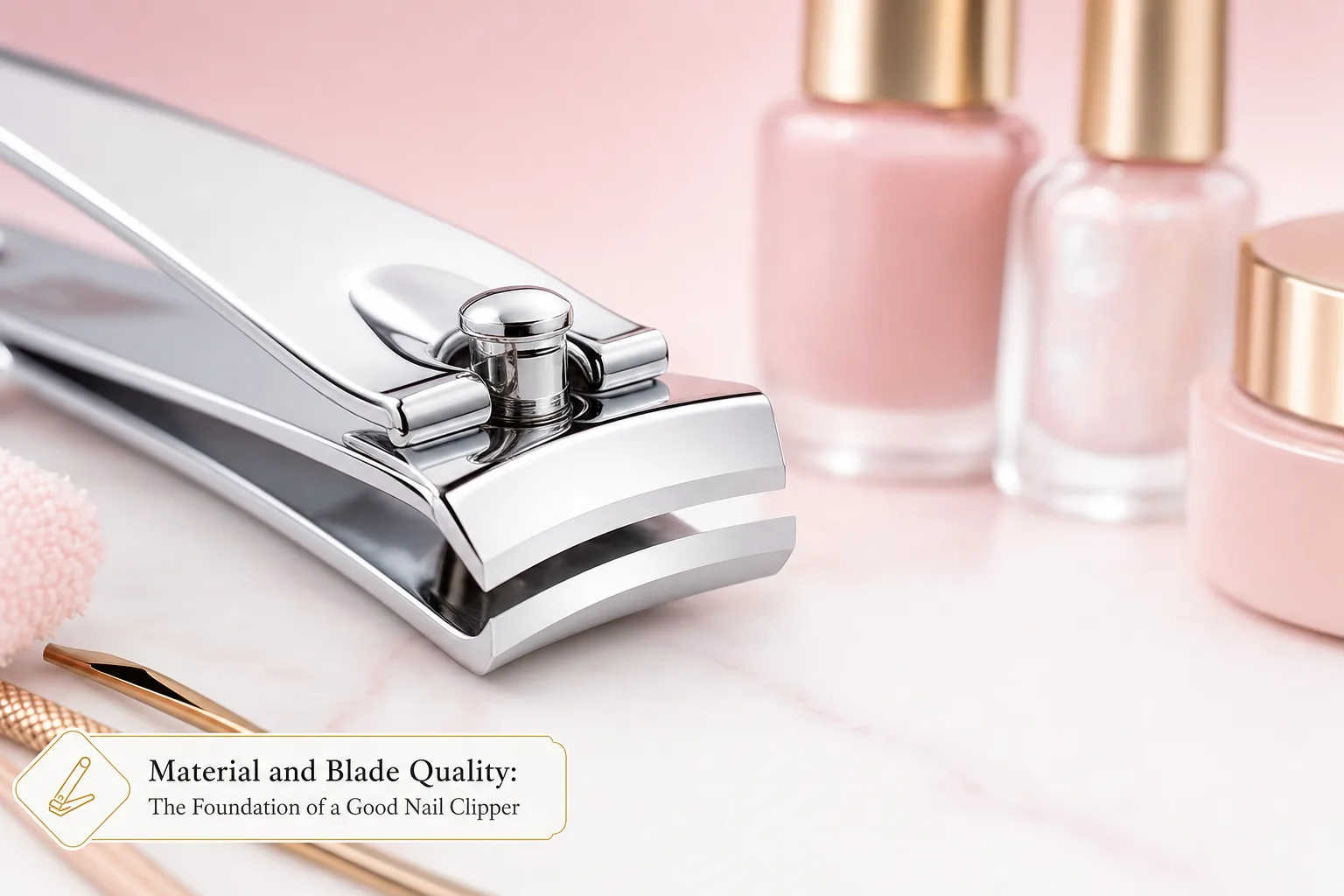
The material used in a nail clipper directly impacts its performance, hygiene, and lifespan. This is one of the most important factors when determining what is a good nail clipper for professional use.
Stainless Steel vs. Carbon Steel
High-grade stainless steel is the industry standard because it resists corrosion, withstands frequent sterilization, and maintains sharpness longer than lower-grade alternatives. Carbon steel blades can be sharper initially but are more prone to rust if not properly maintained, making them less ideal for high-turnover salon environments.
Blade Coating and Finish
Many professional-grade clippers feature a polished or coated finish that reduces friction during cutting and adds a layer of protection against moisture. This is particularly important in salons where tools are exposed to water, oils, and disinfectant solutions multiple times a day.
Sterilization Compatibility
A good nail clipper must be able to withstand autoclave sterilization or hospital-grade disinfectants without degrading. This is a critical hygiene requirement for any licensed nail salon and should never be overlooked when selecting tools for professional use.
How to Choose the Right Nail Clipper for Salon or Personal Use
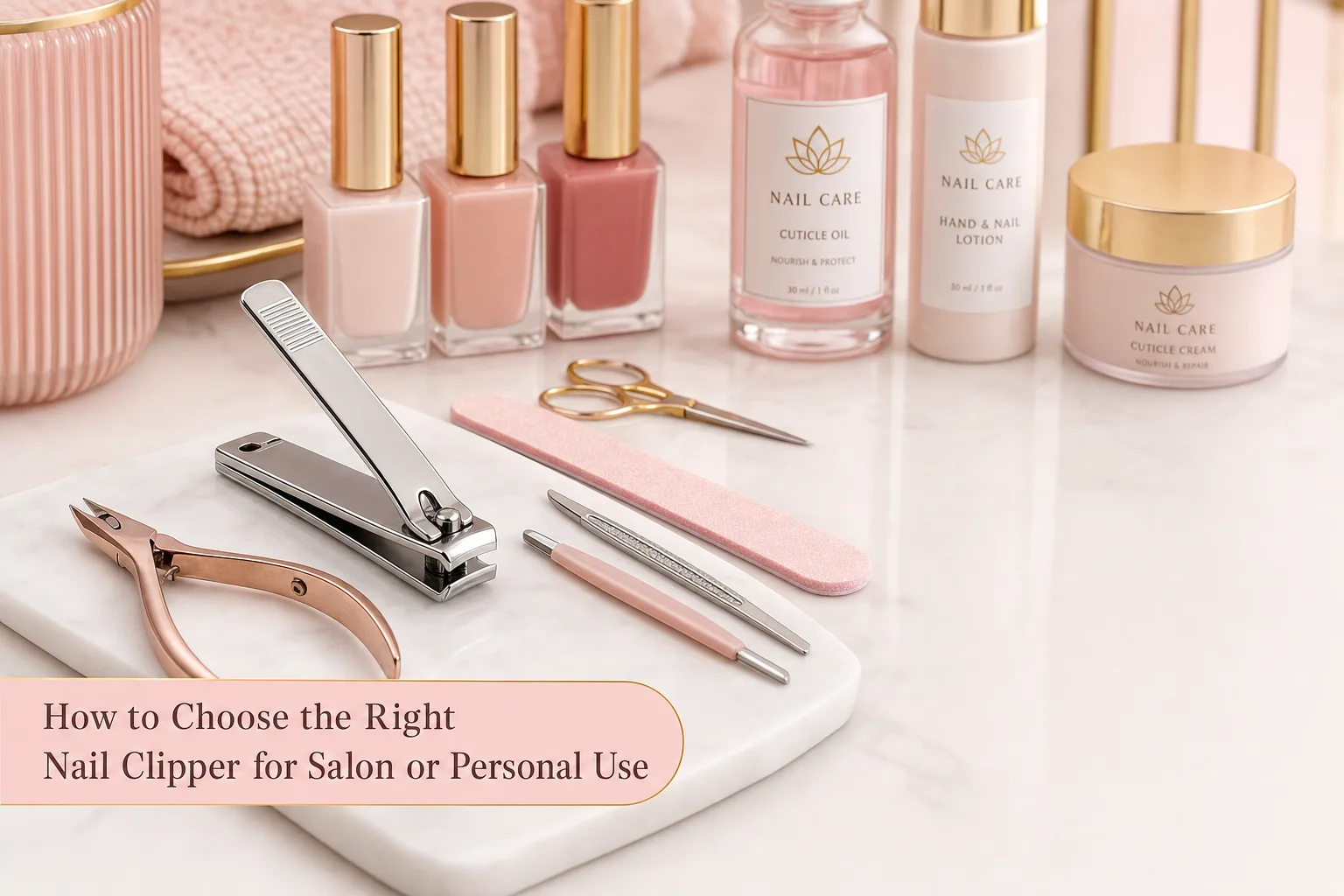
Choosing the right clipper depends on the intended use, frequency of use, and the specific needs of the person or client base being served.
For Individual Personal Use
For personal grooming at home, a mid-range stainless steel clipper with a comfortable grip is usually sufficient. Look for a tool that feels balanced in the hand and produces a clean cut without excessive force.
For Professional Nail Technicians
Technicians should prioritize tools that can handle high daily usage, sterilization cycles, and a variety of nail thicknesses. Investing in a slightly higher price point often pays off through reduced replacement frequency and better client outcomes.
For Salon Owners Purchasing in Bulk
Salon owners need to think beyond individual quality and consider consistency across an entire inventory. Sourcing from a single reliable supplier ensures that every technician in the salon is working with tools of the same standard, which simplifies training and maintenance protocols.
Practical Salon Use Case: Selecting Clippers for a High-Volume Nail Studio
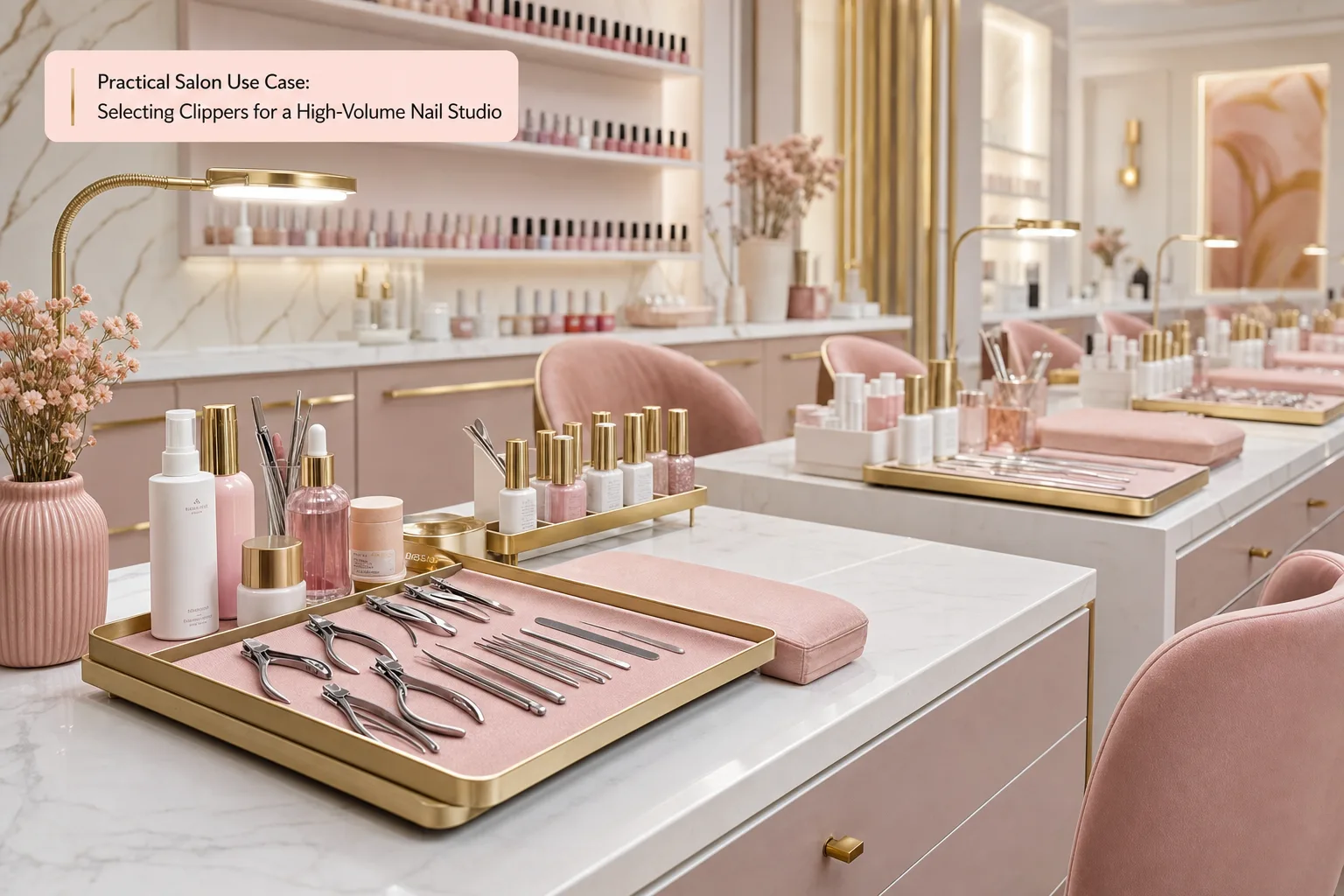
Consider a mid-sized nail studio that services 40 to 60 clients per day across manicure and pedicure stations. The salon owner previously purchased a mix of budget clippers from various local suppliers, resulting in inconsistent cutting performance and frequent complaints about dull blades within just a few weeks of use.
After switching to a standardized set of professional-grade stainless steel clippers sourced from a single trusted supplier, the salon saw immediate improvements. Technicians reported smoother cuts with less hand fatigue, and clients noticed a more comfortable, precise trimming experience. The salon also implemented a rotation system, keeping a dedicated set of sterilized clippers at each station to reduce cross-contamination risk and downtime between appointments.
This case illustrates a broader lesson in the industry: what is a good nail clipper cannot be answered in isolation. It must be evaluated in the context of daily workflow, sterilization protocols, and long-term cost efficiency rather than just the upfront purchase price.
Common Mistakes When Choosing or Using Nail Clippers
Even experienced professionals sometimes fall into avoidable habits that shorten the lifespan of their tools or compromise service quality.
Choosing Based on Price Alone
Opting for the cheapest available clippers often leads to faster blade dulling and more frequent replacements, which can actually increase costs over time compared to investing in a durable, professional-grade tool.
Neglecting Regular Maintenance
Even high-quality clippers require occasional sharpening and proper drying after sterilization. Skipping this step accelerates wear and increases the risk of blade misalignment.
Using One Clipper for All Nail Types
Applying a fingernail clipper to thick toenails, or vice versa, often results in poor cutting performance and unnecessary strain on the tool. Matching the clipper type to the specific nail condition is essential for both efficiency and client comfort.
Ignoring Hygiene Protocols
Failing to sterilize clippers between clients is one of the most serious mistakes in professional nail care, posing hygiene risks and potentially violating health regulations. A good nail clipper should always be paired with a strict sanitation routine.
Sourcing Professional Nail Clippers: Working with Trusted Suppliers
For salon owners and distributors, sourcing decisions play a major role in long-term service quality. Rather than purchasing scattered tools from inconsistent vendors, many professionals now prefer working with established manufacturers that specialize in nail care instruments. Suppliers such as JKIOCEAN focus specifically on professional-grade nail tools, offering consistent blade quality, reliable sterilization compatibility, and bulk ordering options suited to salon operations of any size.
Partnering with a specialized supplier also simplifies quality control. Instead of testing multiple brands to find what is a good nail clipper for a particular salon’s needs, owners can rely on a manufacturer that already understands the technical requirements of the beauty industry, from blade hardness to ergonomic handle design. This approach reduces trial and error while ensuring that every tool meets a consistent professional standard across all salon locations or booths.
When evaluating potential suppliers, it is worth asking about material certifications, sterilization testing, and warranty policies. A reputable supplier will be transparent about these details and often provide sample units for salons to test before committing to a larger order.
Conclusion
Understanding what is a good nail clipper goes far beyond simply picking up the first tool available at a beauty supply store. It requires attention to blade sharpness, material durability, ergonomic design, and compatibility with proper sterilization practices. For individuals, a quality clipper improves everyday grooming comfort, while for salon professionals, it directly impacts service quality, client satisfaction, and operational efficiency. By avoiding common mistakes and sourcing tools from specialized, reputable suppliers, both individual users and salon owners can ensure they are working with clippers that perform reliably, cut precisely, and stand the test of daily professional use.