
 3D Gel
 Accessories
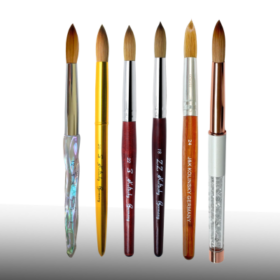 Acrylic Brushes
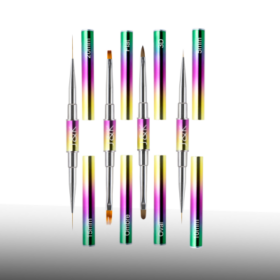 Art Brushes
 Clippers
 Design
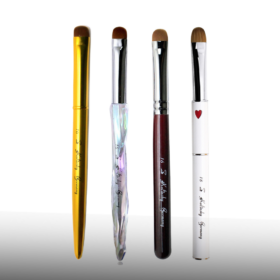 French Brushes
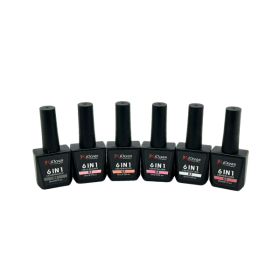 Builder Gel
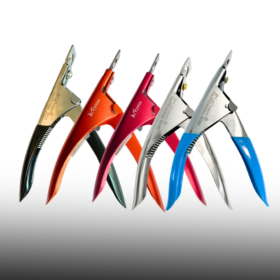 Nail Tip Cutter
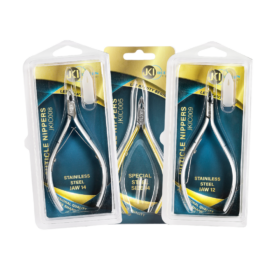 Nippers
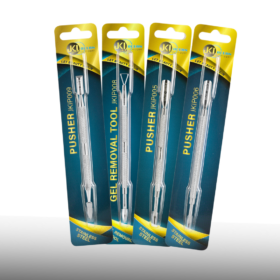 Pusher
 Scissors
 Tweezers
Aug
Blogs
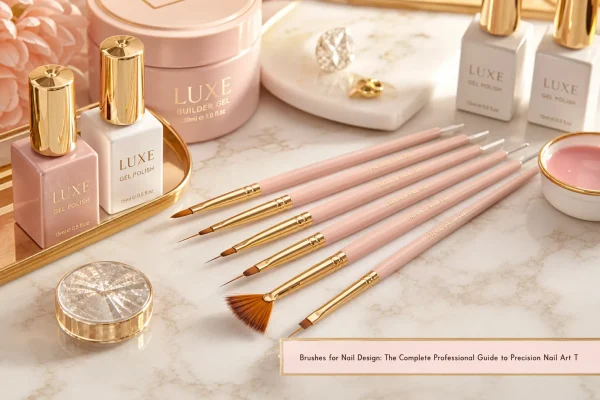
Brushes for Nail Design: The Complete Professional Guide to Precision Nail Art Tools
Every stunning nail art creation begins long before polish meets nail—it starts with the right tool in hand. Among all the equipment a nail technician relies on, brushes for nail design stand out as the true instruments of creativity. Whether crafting delicate floral strokes, sharp geometric lines, or intricate 3D embellishments, the quality and precision of your brushes determine the final result. As nail artistry becomes increasingly detailed and competitive, understanding how to select, use, and maintain these tools has become essential knowledge for every professional in the beauty industry.
This guide explores everything technicians and salon owners need to know about choosing the best brushes for nail art, from bristle types to brand recommendations, common mistakes, and real-world salon applications.
Understanding the Role of Brushes for Nail Design in Modern Nail Art
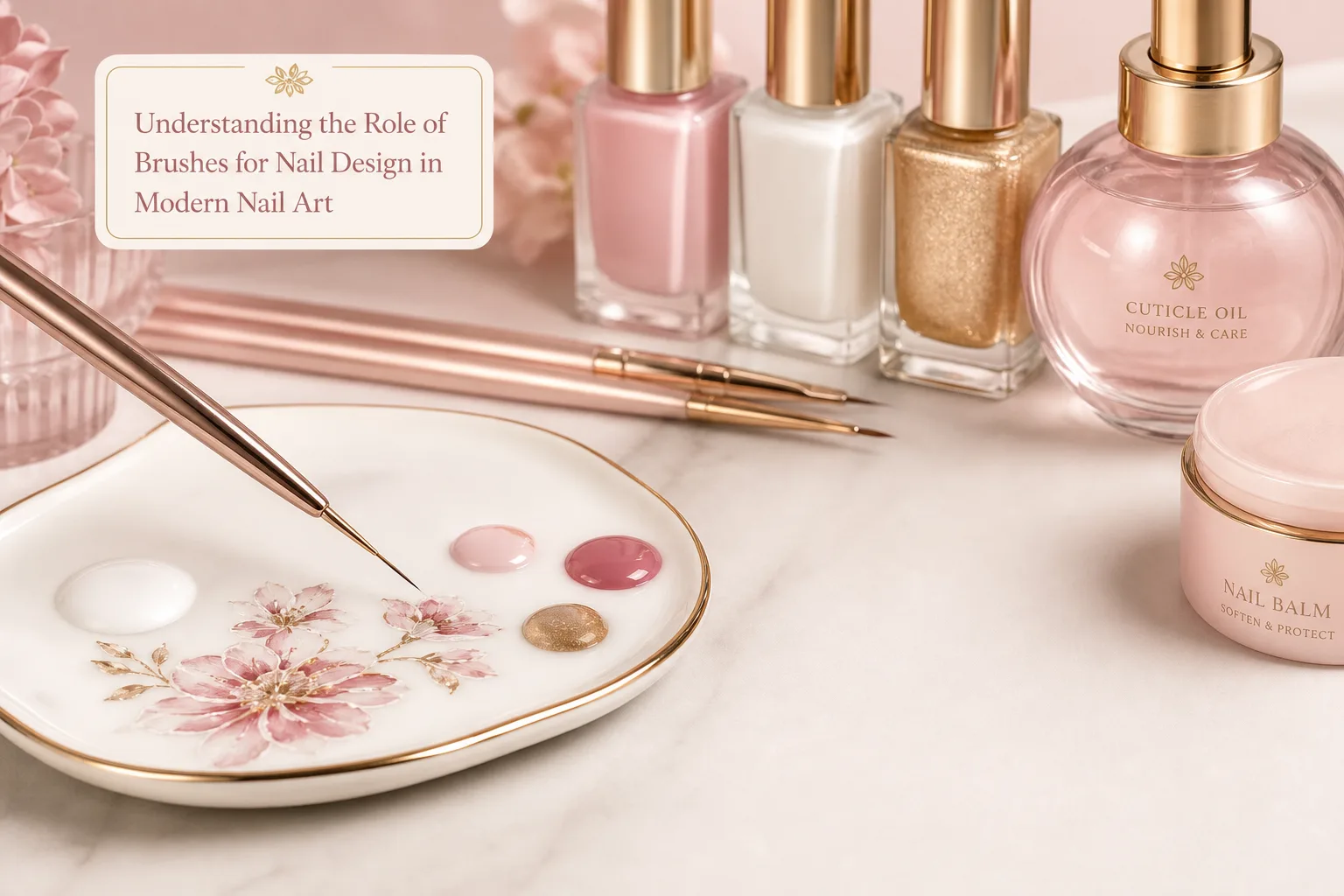
Nail art has evolved from simple polish application to a sophisticated form of miniature painting. Today’s clients expect intricate details—ombre gradients, hand-painted florals, marble effects, and even hyper-realistic textures. Achieving these results requires more than skill; it requires the correct tools. Brushes for nail design serve as the bridge between a technician’s artistic vision and the finished product on a client’s nail.
Unlike standard art brushes, those designed for nail work must withstand exposure to acetone, gel products, and UV curing without losing shape or shedding bristles. They also need to perform on a much smaller, curved surface than traditional canvases, which demands superior control and fine tapering. This specialized design is why professional-grade brushes differ significantly in price and performance compared to generic craft brushes.
Why Precision Matters in Salon Work
In a professional setting, time is money. A brush that holds its shape and releases color evenly allows technicians to complete intricate designs faster, without constant reshaping or cleaning interruptions. This efficiency directly impacts client satisfaction and salon profitability, especially during peak service hours.
Types of Nail Art Brushes Every Technician Should Own
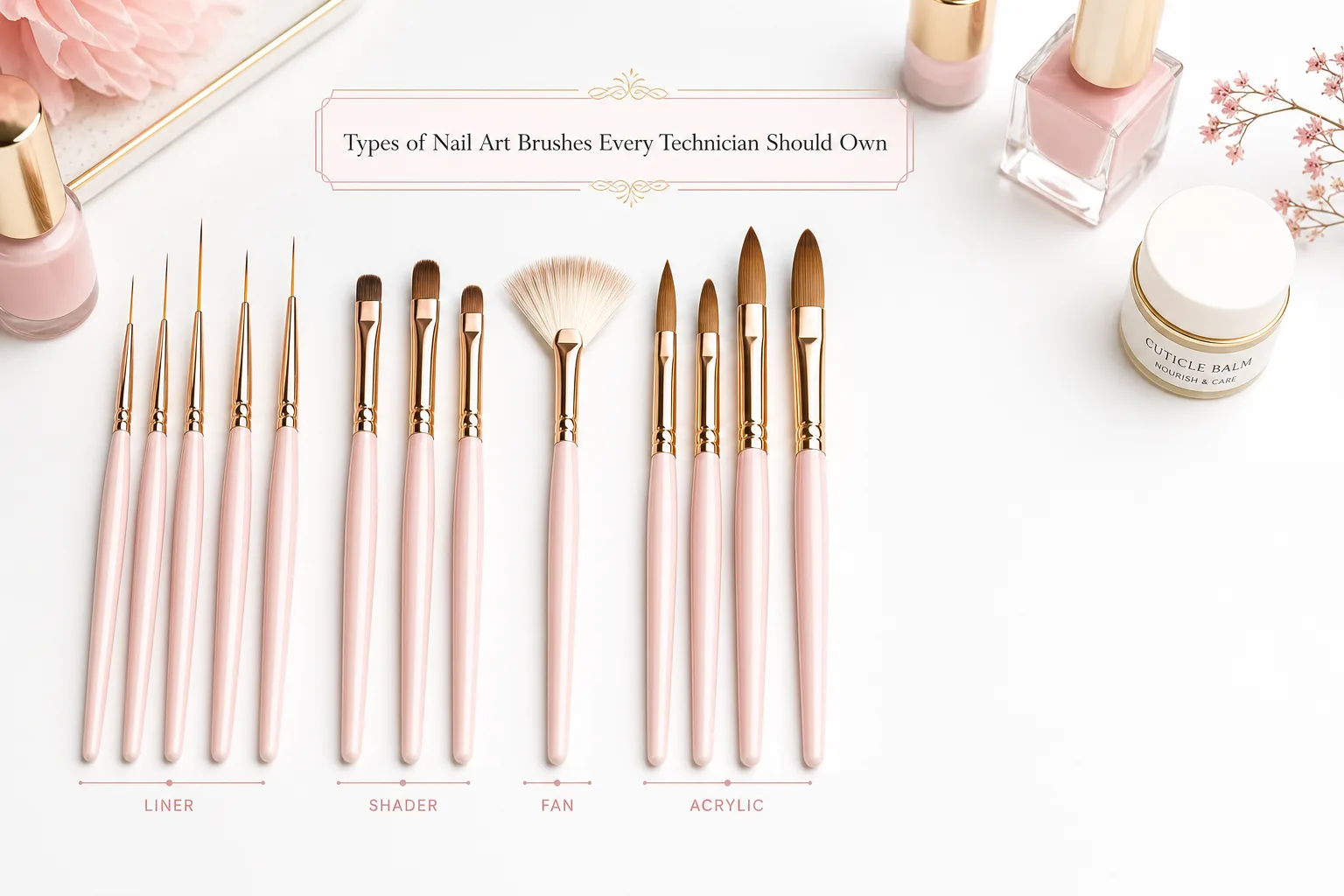
Not all nail art brushes serve the same purpose. A well-equipped technician typically maintains a curated set covering multiple techniques, ensuring they’re prepared for any design request. Understanding the differences between brush types helps professionals build a versatile toolkit.
Detail Liner Brushes
These extremely thin, long-bristled brushes are used for fine lines, French tips, and delicate outlining. Their elongated tip allows for continuous, smooth strokes without lifting, making them indispensable for freehand line work and abstract designs.
Flat Shader Brushes
Flat brushes with a squared tip are ideal for blending gradients and creating solid color blocks. They’re commonly used in ombre nail techniques, where smooth transitions between shades are essential for a polished finish.
Detail Dotting and Fan Brushes
Fan-shaped brushes create texture effects like foliage, feathers, or marble patterns, while dotting tools—though technically not brushes—often complement brush sets for adding polka dots, eyes on characters, or accent details.
Acrylic and Gel Application Brushes
These brushes, typically made from Kolinsky sable or high-quality synthetic fibers, are designed to pick up and shape acrylic or gel product smoothly onto the nail bed. Their firm yet flexible bristles allow for controlled sculpting without dragging or pulling.
Building a complete collection of brushes for nail design means investing in each category rather than relying on a single multipurpose brush, which often compromises quality across different techniques.
How to Choose the Right Brushes for Your Salon
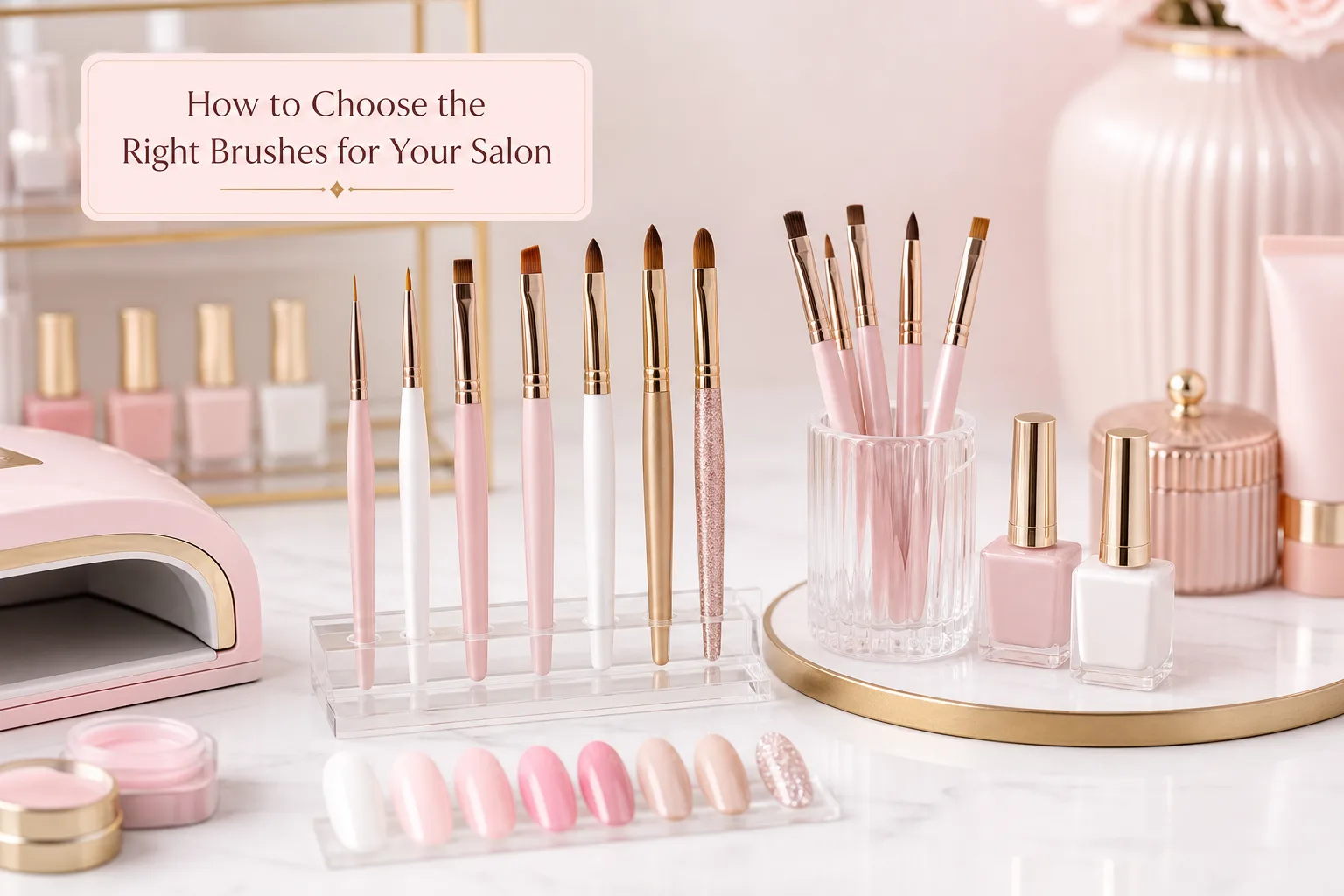
Selecting the appropriate brushes involves more than picking the most expensive option on the shelf. Several practical factors influence which tools will perform best in a professional environment.
Bristle Material
Natural bristles, such as Kolinsky sable, offer superior color-holding capacity and a fine point, making them popular for detailed artwork. Synthetic bristles, on the other hand, are more resistant to chemicals like acetone and tend to be more affordable, making them practical for high-volume salons.
Handle Ergonomics
Since technicians often work for hours at a time, handle comfort matters significantly. Lightweight, well-balanced handles reduce hand fatigue and improve control during long shifts, especially when performing detailed nail art for multiple clients in a day.
Brush Size and Shape Variety
A salon serving diverse clientele should stock a range of sizes—from ultra-fine detail brushes to broader shading brushes—to accommodate different nail shapes and design complexities, from short natural nails to long sculpted extensions.
When evaluating suppliers, many professionals turn to JKIOCEAN for consistently reliable, salon-grade tools that balance performance with cost-efficiency, an important consideration for growing beauty businesses.
Practical Salon Use Case: Elevating Client Experience Through Better Tools
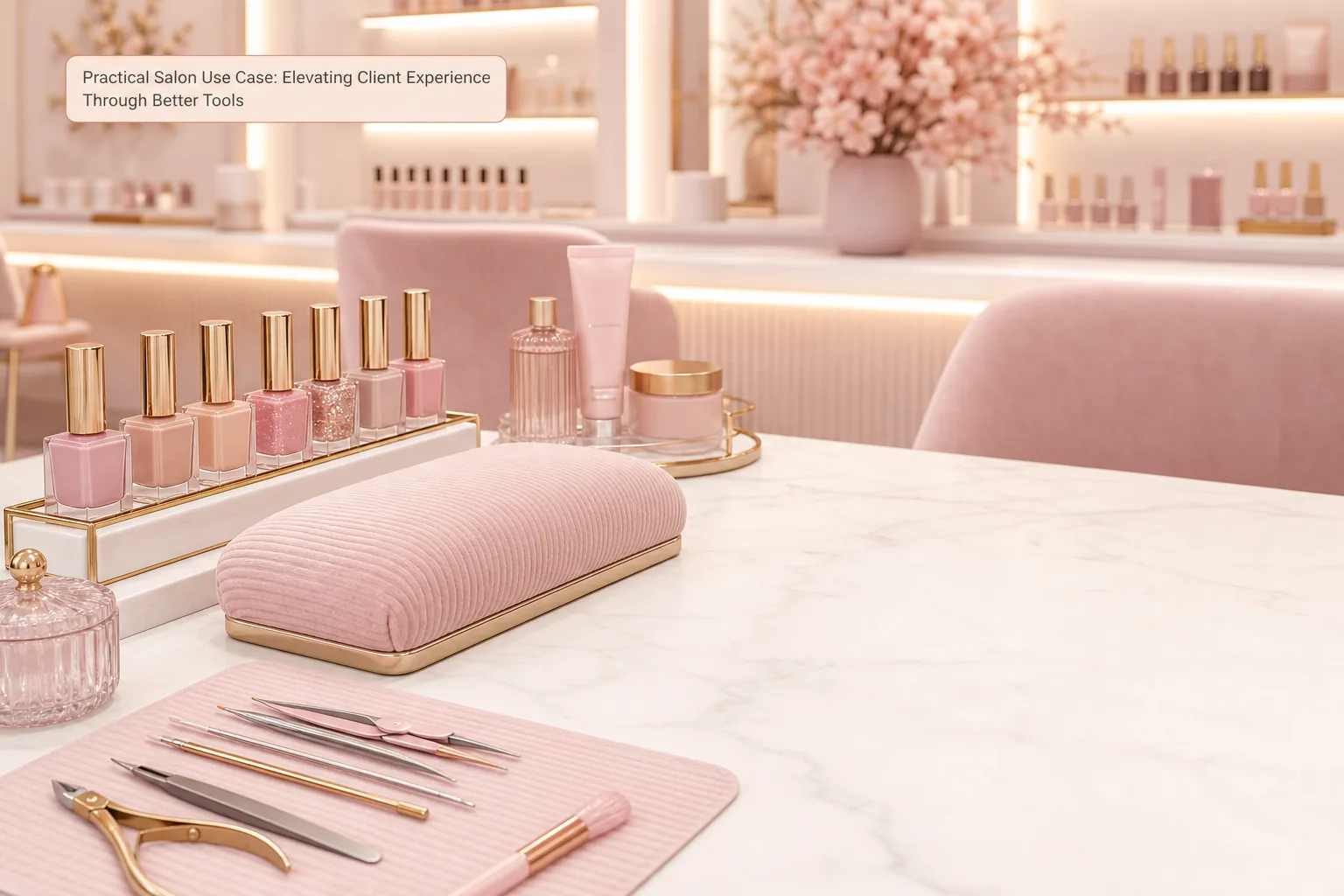
Consider a mid-sized nail salon that recently expanded its service menu to include custom nail art packages. Initially, technicians used a generic all-purpose brush set purchased in bulk, which led to frequent bristle shedding and inconsistent line quality. Clients began noticing uneven gradients and smudged details, resulting in a rise in redo requests and lower satisfaction scores.
After the salon owner invested in a curated set of brushes for nail design—including dedicated liner, shader, and acrylic sculpting brushes—technicians reported faster completion times and noticeably cleaner results. The salon began marketing its nail art services more aggressively, knowing the quality now matched the promotional images used on social media. Within three months, nail art bookings increased by over 30%, demonstrating how tool investment directly correlates with service reputation and revenue growth.
This case illustrates a broader truth in the industry: even highly skilled technicians are limited by the quality of their equipment. Upgrading brush quality is often one of the most cost-effective ways to elevate perceived service value.
Common Mistakes When Using Nail Art Brushes
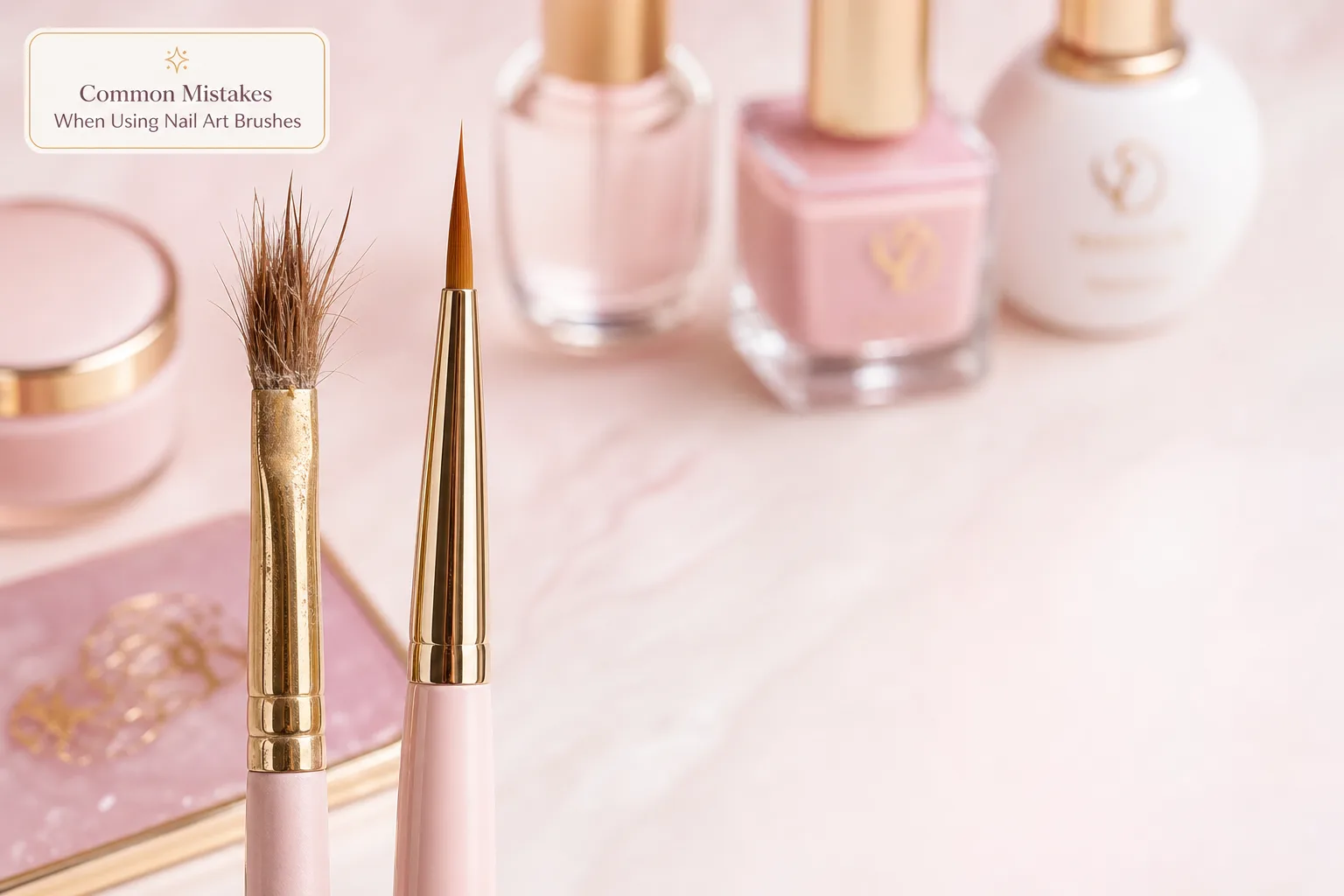
Even experienced technicians can fall into habits that shorten brush lifespan or compromise design quality. Recognizing these mistakes helps maintain both tool performance and professional standards.
Improper Cleaning Techniques
Leaving brushes soaking in acetone for extended periods can weaken bristle glue and cause fraying. Instead, brushes should be wiped promptly after use and cleaned with brush-specific solutions rather than harsh solvents whenever possible.
Using the Wrong Brush for the Wrong Product
Applying acrylic with a detail liner brush, or attempting fine line work with a broad acrylic brush, often leads to frustration and subpar results. Matching brush type to product and technique is fundamental to achieving professional-quality outcomes.
Neglecting Brush Storage
Storing brushes upright in an open cup allows bristles to bend or collect dust, while flat storage in a case with individual slots preserves shape and hygiene—an often overlooked detail in busy salon environments.
Overloading Product on the Brush
Excess product on the brush can cause dripping, uneven application, and difficulty controlling fine details. Technicians should practice controlled loading, using only enough product for the specific stroke or section being worked on.
Top Brands and Suppliers for Professional Nail Brushes
The market offers a wide range of brush brands, each catering to different price points and professional needs. For salons prioritizing consistency and bulk supply reliability, working with an established industry supplier is crucial.
JKIOCEAN has become a recognized name among nail professionals seeking durable, precision-crafted tools suited for both intricate nail art and everyday salon services. Their product lines typically emphasize a balance between natural and synthetic bristle options, catering to technicians who need versatility without compromising on control or longevity.
Beyond individual brush purchases, many suppliers now offer curated kits that bundle liner, shader, and detail brushes together—an efficient solution for salons onboarding new technicians or expanding their nail art service offerings without the guesswork of assembling a set piece by piece.
Evaluating Supplier Reliability
When choosing a long-term supplier, salons should consider factors such as consistent bristle quality across batches, responsive customer service, and availability of replacement sets. A dependable supplier relationship reduces downtime and ensures technicians always have access to properly functioning tools.
Conclusion: Investing in Quality Brushes for Nail Design Pays Off
The artistry of modern nail design depends heavily on the tools behind each stroke, dot, and gradient. From understanding bristle materials to recognizing common maintenance mistakes, professionals who take brush selection seriously consistently produce higher-quality work and enjoy greater client satisfaction. As demonstrated in real salon scenarios, upgrading to properly curated brushes for nail design isn’t just a technical improvement—it’s a business decision that can influence client retention, service pricing, and overall salon reputation. For technicians and salon owners aiming to stay competitive in an increasingly detail-driven industry, prioritizing the right brushes is one investment that consistently delivers measurable returns.