
 3D Gel
 Accessories
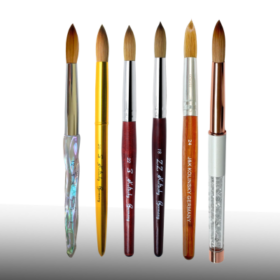 Acrylic Brushes
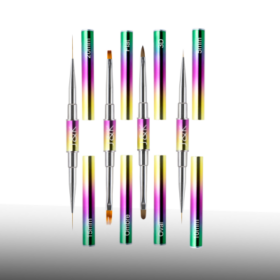 Art Brushes
 Clippers
 Design
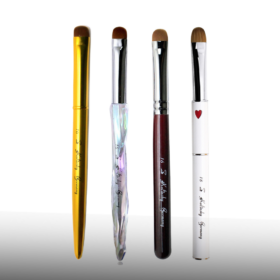 French Brushes
 Builder Gel
 Nail Tip Cutter
 Nippers
 Pusher
 Scissors
 Tweezers
Aug
Blogs
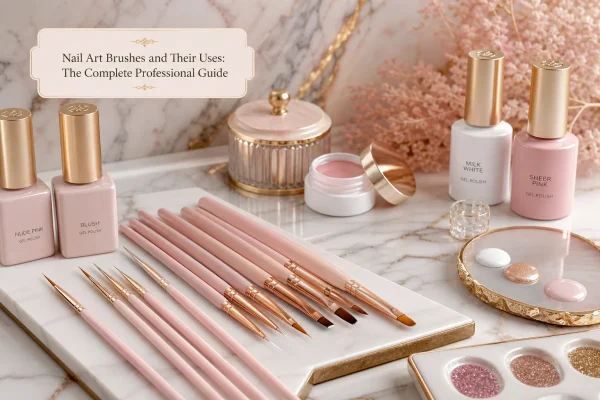
Nail Art Brushes and Their Uses: The Complete Professional Guide
Every stunning nail design begins long before polish touches the nail plate — it starts with the right tool in hand. Understanding nail art brushes and their uses is essential for any technician who wants to move beyond basic manicures and offer intricate, salon-quality artwork. From delicate line work to bold ombré blending, each brush type serves a distinct purpose, and knowing which one to reach for can transform an ordinary service into a signature experience clients return for again and again.
This guide walks through the most common brush categories, how professionals apply them in real salon settings, mistakes to avoid, and how to source reliable tools that hold their shape service after service.
Understanding Nail Art Brushes and Their Uses in Modern Nail Design
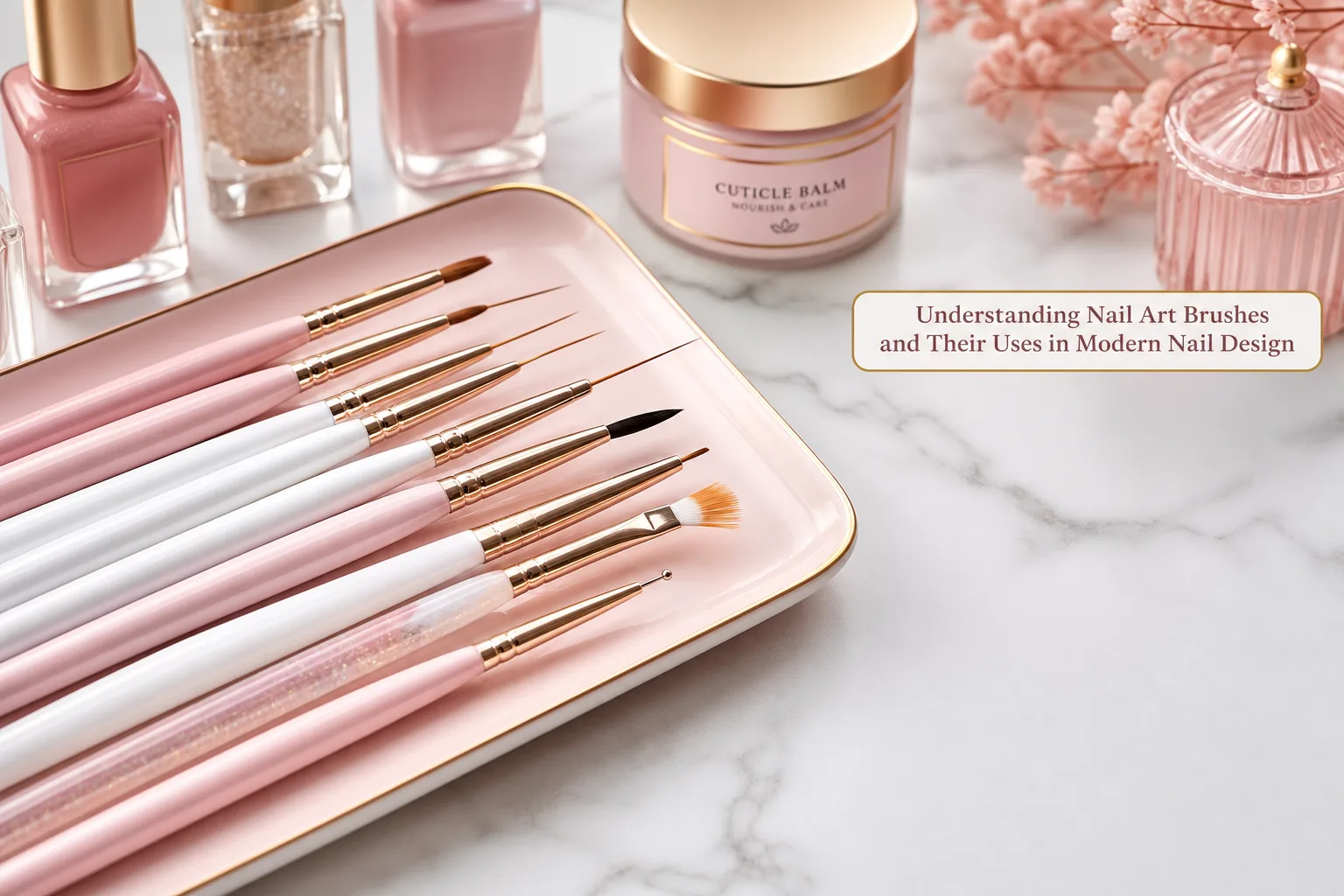
Nail art has evolved from simple polish application into a detailed craft that rivals fine painting. Technicians now rely on specialized brushes to create gradients, florals, geometric patterns, and hyper-realistic textures. Learning nail art brushes and their uses gives technicians the confidence to experiment with new techniques while maintaining consistency across every appointment.
Unlike generic makeup or craft brushes, professional nail brushes are engineered to withstand repeated contact with acrylics, gels, and polishes without shedding bristles or losing their tip shape. The bristle material, ferrule construction, and handle balance all influence how much control a technician has when working on a tiny, curved surface like a nail plate.
Why Brush Quality Matters
A poor-quality brush can ruin an otherwise flawless design. Bristles that splay unevenly make it impossible to draw a clean line, while brushes that absorb too much product waste polish and slow down the service. Investing in durable brushes reduces long-term costs and improves client satisfaction because designs look crisper and last longer without smudging.
Bristle Materials Explained
Synthetic bristles are popular for gel and acrylic work because they resist product buildup and clean easily with acetone. Natural hair bristles, such as sable or kolinsky, hold more liquid and are often preferred for watercolor-style nail art or fine detailing where smooth paint flow is essential.
Types of Nail Art Brushes
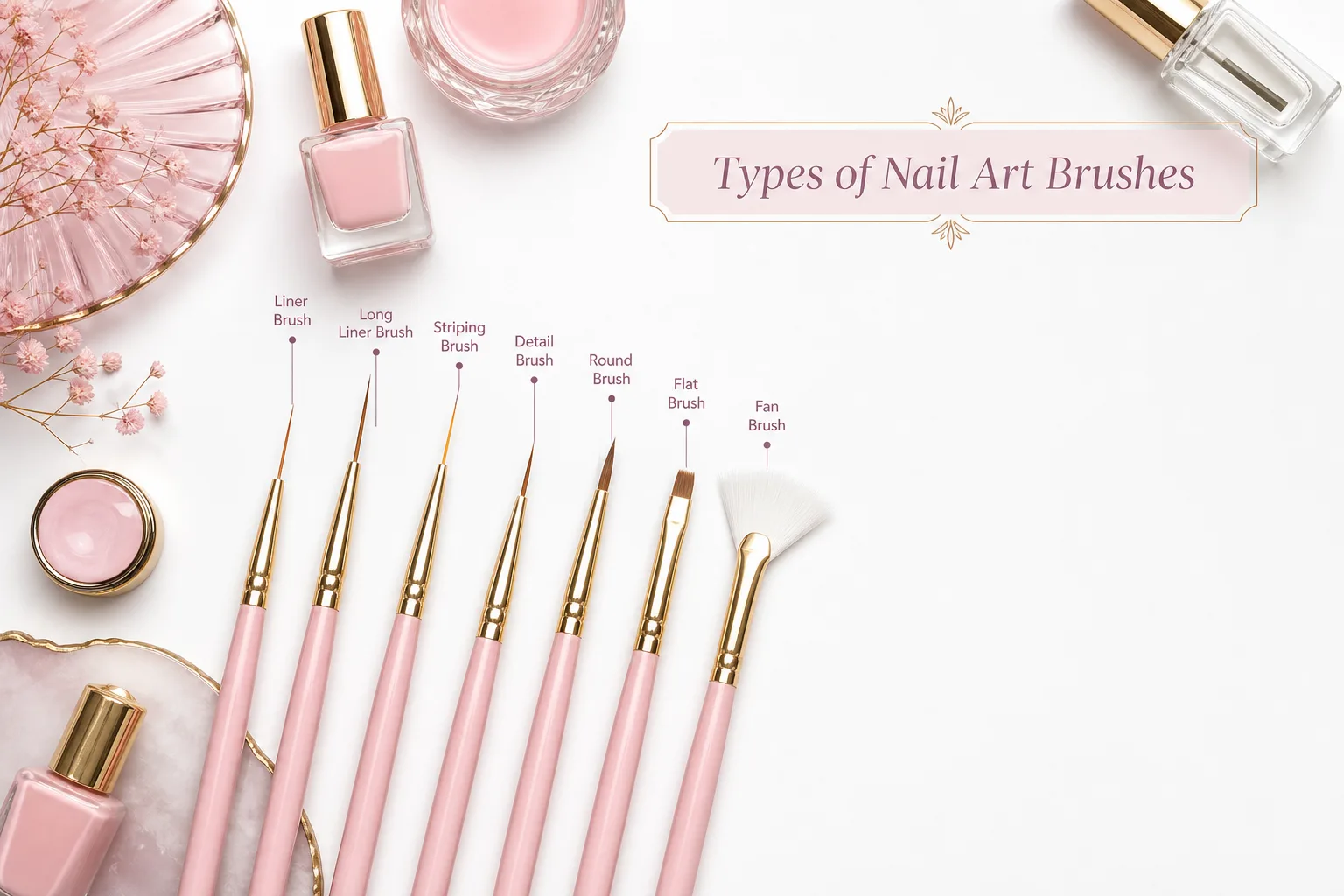
There is no single brush that does everything. A well-stocked nail technician’s kit typically includes several brush styles, each suited to a specific technique.
Liner Brushes
Liner brushes have long, thin bristles that taper to a fine point. They are ideal for drawing continuous lines, outlining shapes, and creating swirls or vines. Because the bristles hold a good amount of product while staying narrow, technicians can produce long, unbroken strokes without constantly redipping.
Detail Brushes
Detail brushes feature an extremely short, pointed tip and are used for micro-work such as dotting eyes on cartoon characters, adding small highlights, or refining edges on floral petals. Their precision makes them indispensable for hyper-detailed nail art.
Fan Brushes
The flared bristles of a fan brush are perfect for creating ombré effects, soft gradients, and textured foliage patterns. By fanning polish or gel across the nail in gentle sweeping motions, technicians can blend two or more colors seamlessly.
Flat and Angled Brushes
Flat brushes are commonly used for applying base coats, gel polish, or acrylic evenly across the nail bed. Angled brushes, with their slanted tip, help technicians reach tricky corners near the cuticle and sidewalls, ensuring smooth, streak-free coverage.
Dotting and Striping Tools
While not technically brushes, dotting tools are frequently grouped with nail art brushes because they complete the same creative toolkit. They are used to create polka dots, floral centers, and 3D embellishments with consistent, uniform circles.
How Professionals Apply Nail Art Brushes and Their Uses in Salon Workflows
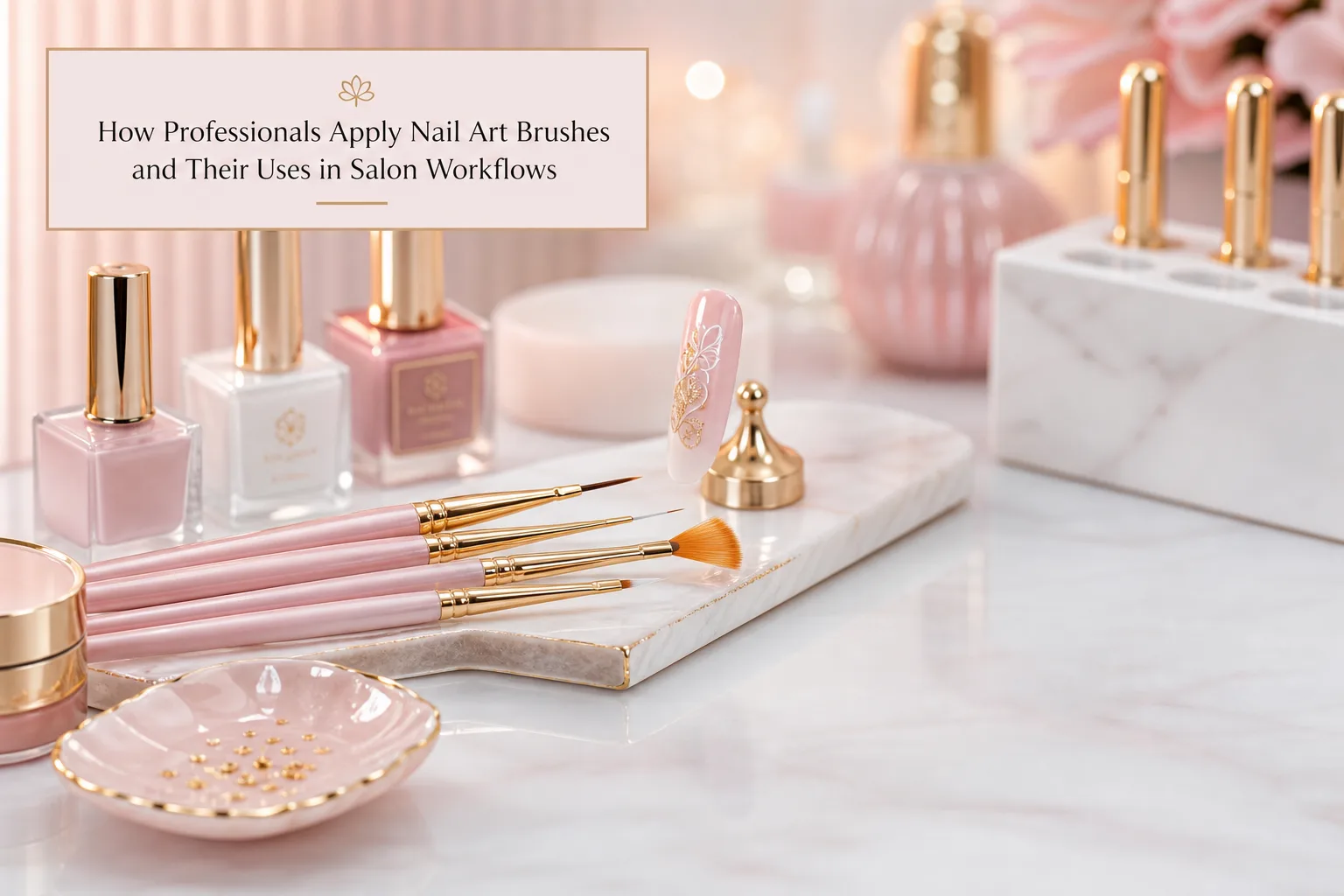
In a busy salon environment, efficiency matters just as much as artistry. Experienced technicians organize their brushes by task, often keeping a dedicated set for gel work and another for acrylic or polish designs to prevent cross-contamination of product textures.
Many salons train new staff by having them practice specific strokes repeatedly on practice tips before working on clients. This builds muscle memory so that liner strokes, fan blends, and dotting patterns become second nature rather than something rushed under time pressure.
Combining Brushes for Complex Designs
Advanced nail art rarely relies on a single brush. A floral design, for example, might start with a fan brush for the petal base, a liner brush for stems and vines, and a detail brush for pollen dots or shading accents. Layering techniques like this require brushes that maintain their shape through multiple dips and wipes.
Maintaining Brush Hygiene
Sanitation protocols are non-negotiable in professional settings. Brushes used on one client should be cleaned with appropriate solvents and, when required by local regulations, disinfected before touching another client’s nails. Reputable suppliers now design brushes with ferrules that resist loosening even after repeated cleaning cycles.
A Practical Salon Use Case
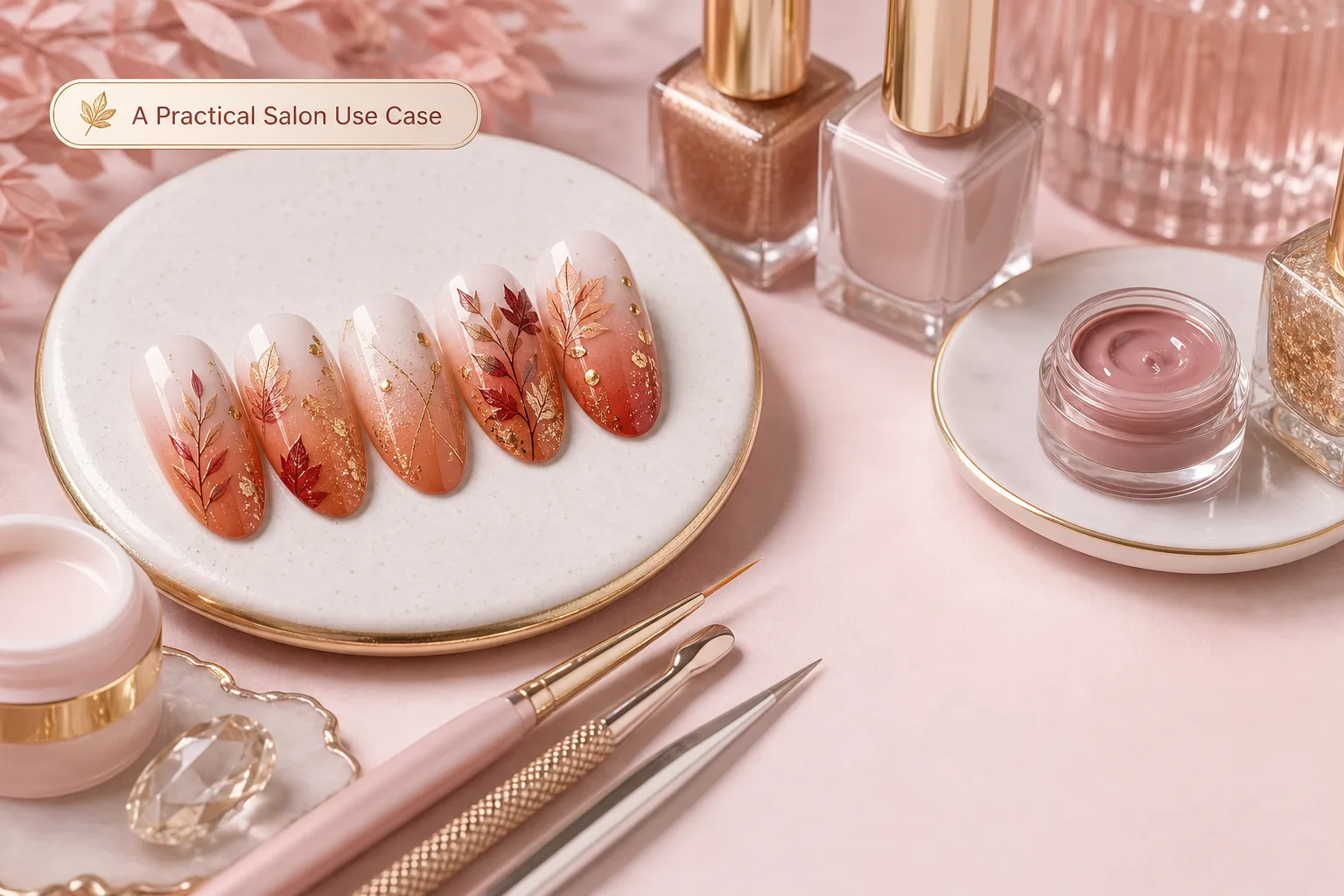
Consider a mid-sized salon offering a seasonal “Autumn Leaves” nail art package. The technician begins with a base gel color applied using a flat brush for even coverage. Next, a fan brush creates a soft gradient background in warm amber and rust tones. A liner brush then adds delicate leaf veins, while a detail brush places tiny highlight dots to mimic sunlight filtering through foliage.
This layered approach, built entirely around understanding nail art brushes and their uses, allows the salon to charge a premium for the service while completing it within a standard appointment slot. Clients leave with a design that looks hand-painted by an artist, and the salon builds a portfolio of Instagram-worthy work that attracts new bookings.
Common Mistakes to Avoid
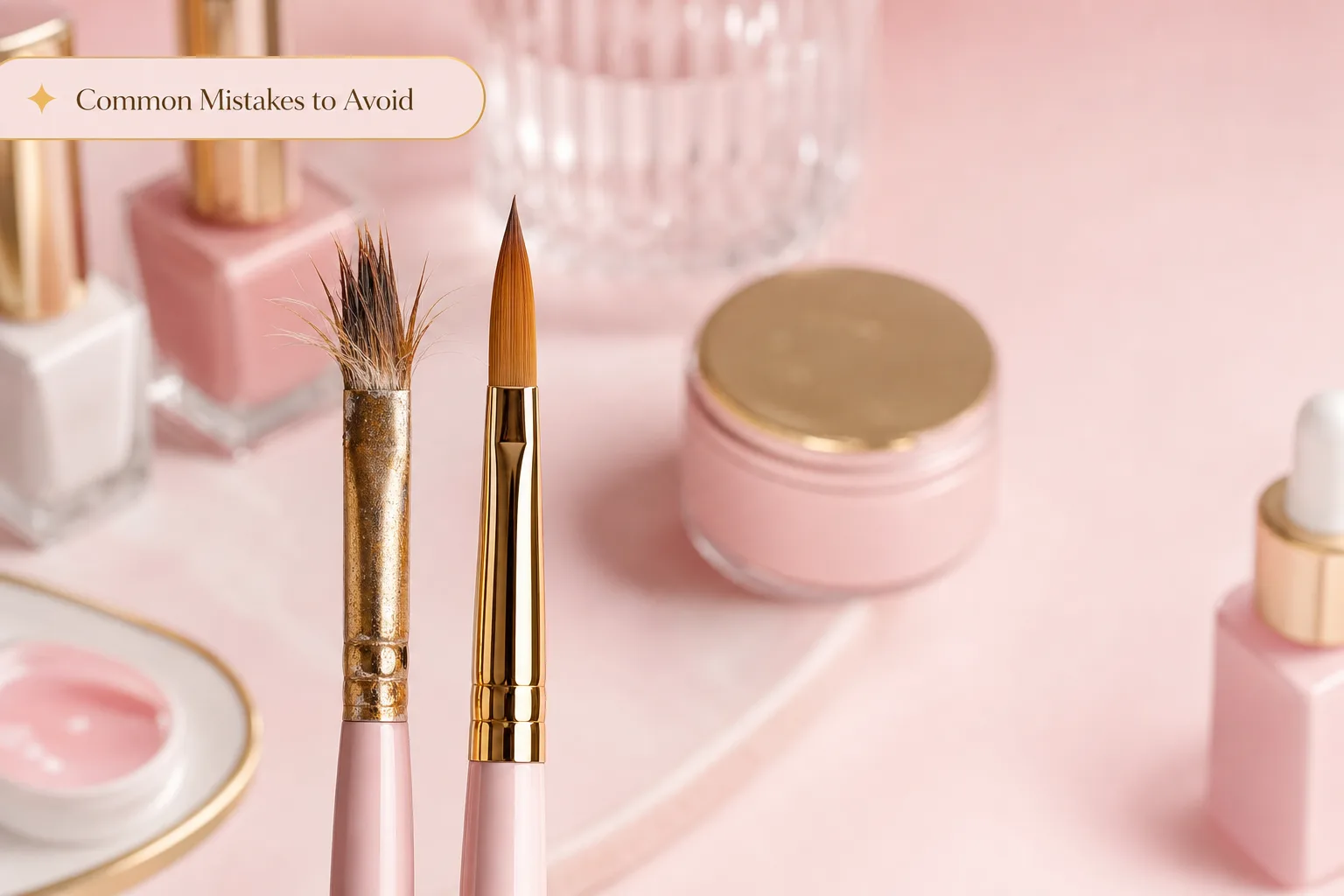
Even skilled technicians can undermine their results by mishandling brushes. Recognizing these pitfalls helps maintain consistent quality across every service.
Using the Wrong Brush for the Job
Attempting fine line work with a fan brush, or trying to blend gradients with a liner brush, produces messy, uneven results. Matching the brush to the technique is the first step toward professional-looking nail art.
Overloading the Brush with Product
Dipping too deeply into polish or gel causes flooding, smudging, and loss of control. Technicians should wipe excess product on a lint-free towel before applying to the nail, preserving both brush shape and design precision.
Neglecting Brush Care
Leaving brushes soaking in acetone for extended periods, or failing to reshape bristles after cleaning, shortens their lifespan significantly. Proper storage in a brush holder, bristles facing upward, prevents bending and splaying over time.
Ignoring Bristle Wear
Bristles naturally fray with heavy use. Continuing to use a worn brush leads to inconsistent lines and frustrated clients. Rotating brushes and replacing them at the first sign of splitting keeps design quality high.
Choosing the Right Brand and Supplier
Not all nail art brushes are created equal, and sourcing from a reliable supplier makes a measurable difference in day-to-day performance. Salons that invest in professional-grade tools from trusted manufacturers typically see fewer product returns, less bristle shedding, and more consistent client results.
When evaluating suppliers, look for brands that specify bristle material, ferrule construction, and handle ergonomics rather than vague marketing claims. Wholesale platforms such as JKIOCEAN offer curated selections of professional nail tools designed specifically for salon durability, making it easier for technicians and salon owners to build a dependable brush collection without sacrificing budget or quality.
What to Look for When Buying in Bulk
Salons purchasing brushes in bulk should request sample sets before committing to large orders. Testing bristle retention, handle grip, and how the brush performs with both gel and acrylic products ensures the investment translates into real-world salon efficiency.
Conclusion
Mastering nail art brushes and their uses is not simply about owning an extensive collection — it is about understanding which tool suits which technique, maintaining that tool properly, and pairing it with quality products from a supplier you trust. Salons that prioritize this knowledge consistently produce sharper lines, smoother gradients, and more intricate designs, all of which translate directly into higher client satisfaction and repeat business. As nail art trends continue to grow more elaborate, the technicians who invest time in brush mastery will remain a step ahead in an increasingly competitive industry.