
 3D Gel
 Accessories
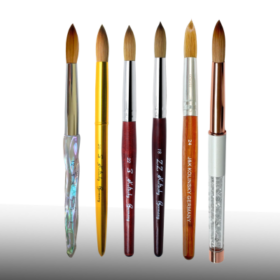 Acrylic Brushes
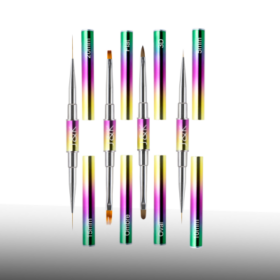 Art Brushes
 Clippers
 Design
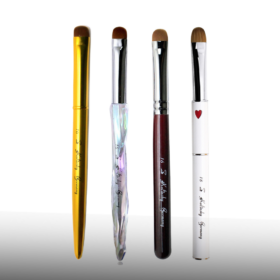 French Brushes
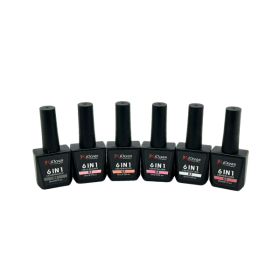 Builder Gel
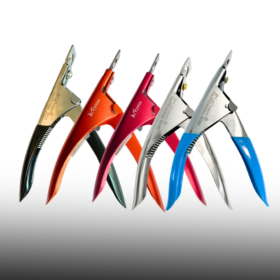 Nail Tip Cutter
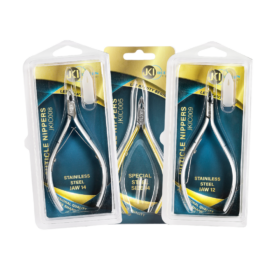 Nippers
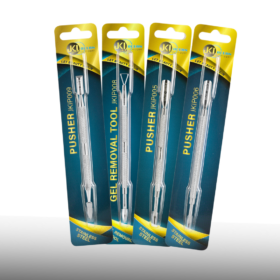 Pusher
 Scissors
 Tweezers
Aug
Blogs
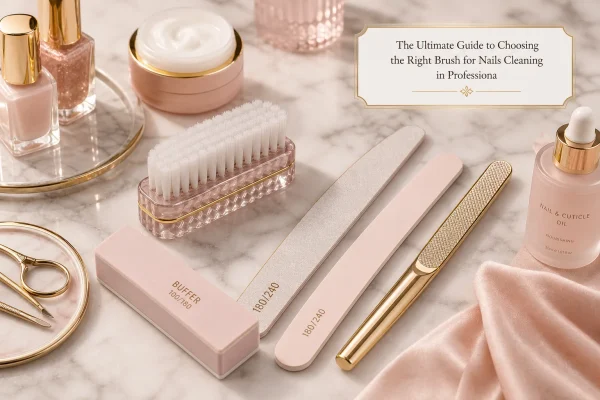
The Ultimate Guide to Choosing the Right Brush for Nails Cleaning in Professional Salons
Every professional manicure or pedicure begins long before polish touches the nail plate. Clean, dust-free nails are the foundation of a flawless service, and the tool responsible for that foundation is often overlooked: the brush for nails cleaning. Whether removing acrylic dust, buffing residue, or prepping the nail bed before a gel application, this small tool plays an outsized role in the quality and safety of every appointment. In this guide, we explore why this tool matters, the different types available, how to select the best option for your salon, and the common mistakes technicians should avoid.
Why the Right Brush for Nails Cleaning Matters
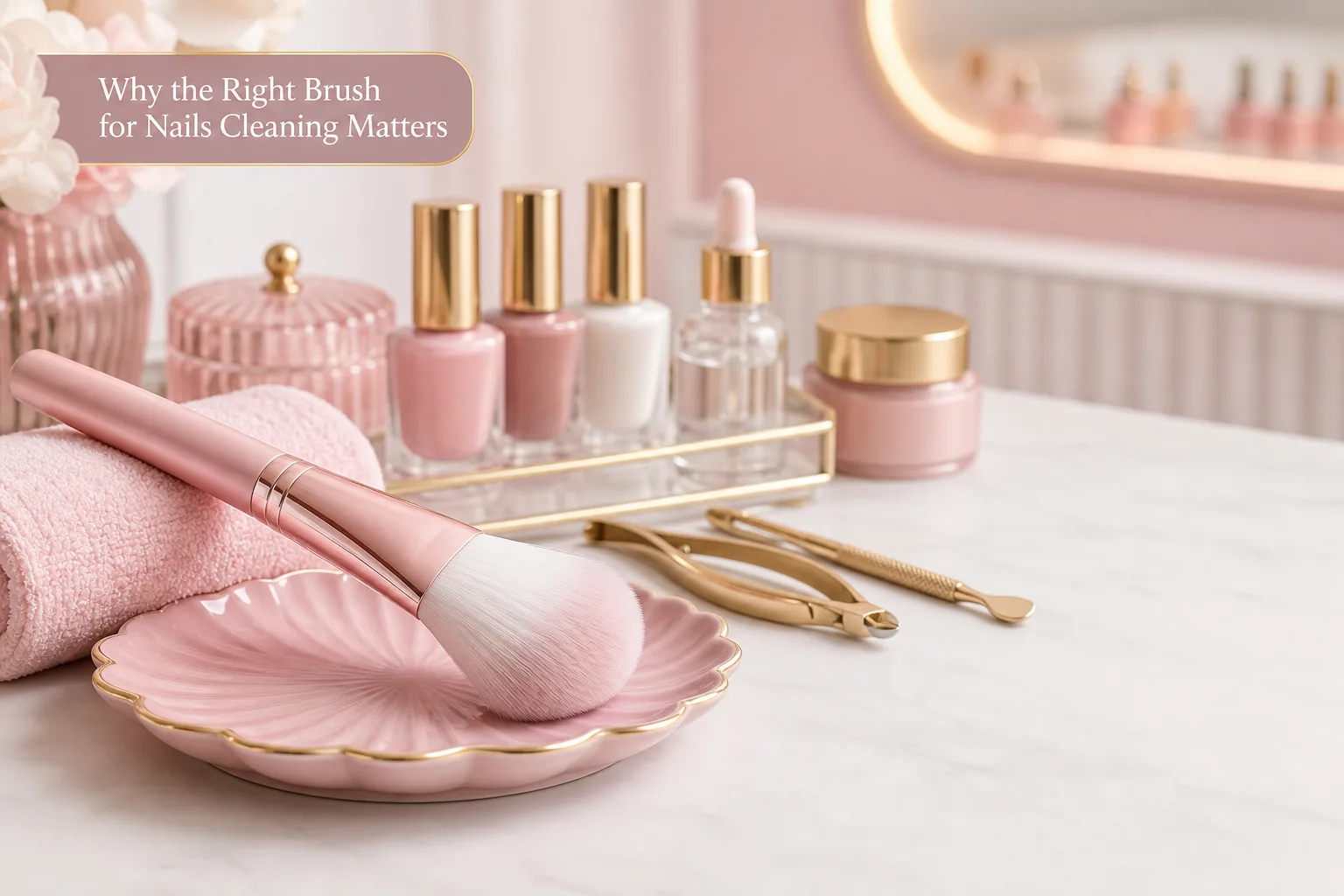
Nail technicians handle dozens of clients each week, and each service generates fine dust, filing debris, and product residue that must be removed before the next step. A high-quality brush for nails cleaning ensures that this debris is lifted away without scratching the nail plate or leaving fibers behind. Poor-quality brushes can shed bristles, trap bacteria, or fail to remove dust effectively, which compromises both the finished look and the hygiene standards of the salon. Investing in the right brush is not a minor detail—it directly affects adhesion, polish longevity, and client satisfaction.
Beyond aesthetics, cleanliness plays a role in infection control. Dust particles left on the nail bed can trap moisture and bacteria under gel or acrylic layers, increasing the risk of lifting or fungal issues. A dedicated cleaning brush, used consistently and maintained properly, is a simple yet essential safeguard for both technician and client.
Types of Brushes Used for Nails Cleaning in Professional Salons
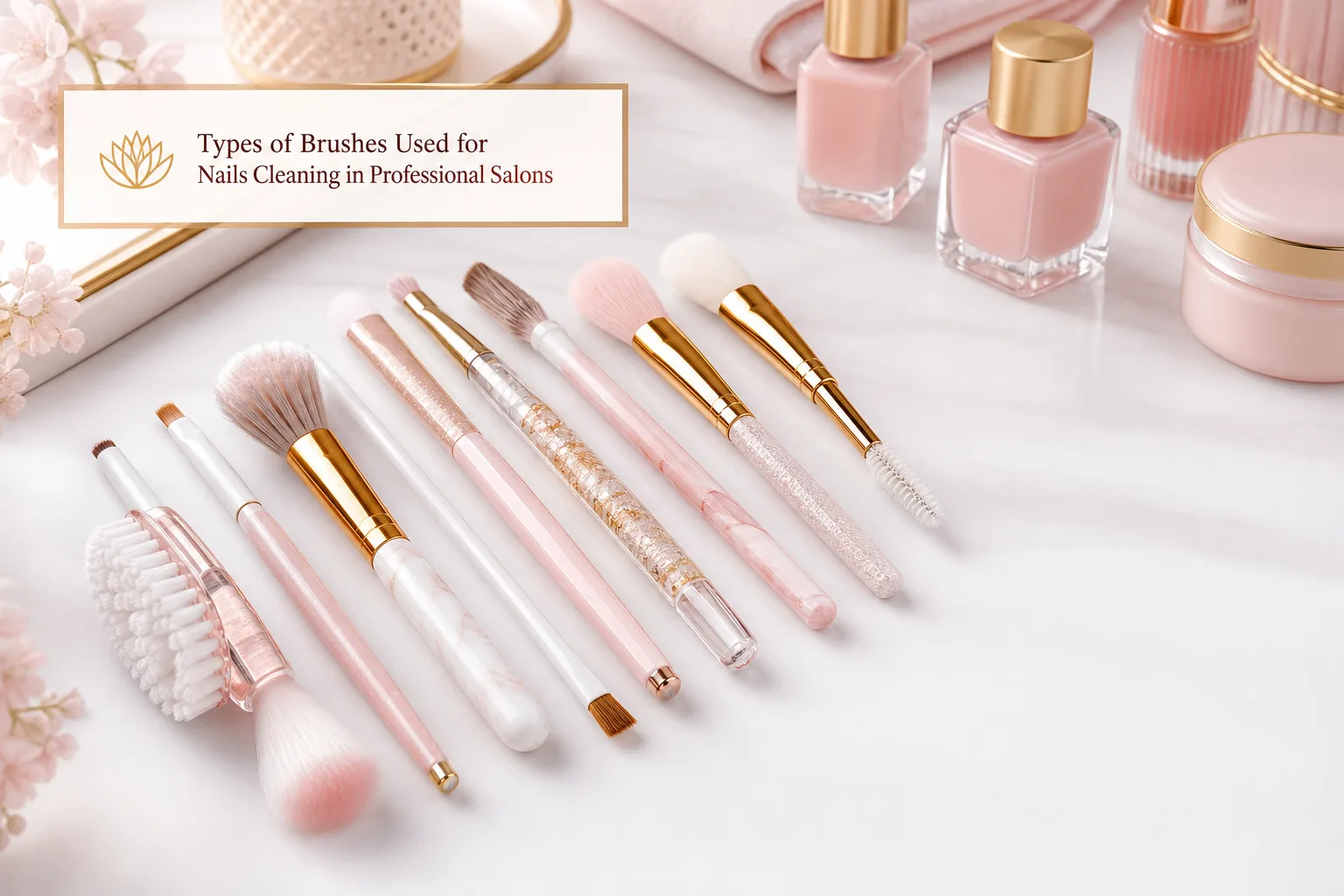
Not all cleaning brushes are created equal. Salons typically rely on a combination of brush types depending on the stage of service and the material being removed. Understanding these categories helps technicians select the most effective brush for nails cleaning at each step of the process.
Natural Bristle Brushes
Natural bristle brushes, often made from goat or pony hair, are prized for their softness and ability to hold fine dust particles without scattering them across the workstation. These brushes are ideal for delicate tasks such as removing acrylic dust before applying a topcoat or clearing debris after filing natural nails.
Synthetic Fiber Brushes
Synthetic brushes are more durable and easier to sanitize, making them a popular choice for high-volume salons. They resist moisture damage and can withstand repeated disinfection cycles, which is essential for maintaining hygiene standards between clients.
Dust Removal Brushes with Angled Heads
Angled-head brushes are designed to reach into corners near the cuticle and sidewalls, areas where dust tends to accumulate. These specialized shapes improve efficiency, allowing technicians to complete prep work faster without sacrificing thoroughness.
How to Choose the Right Brush for Nails Cleaning
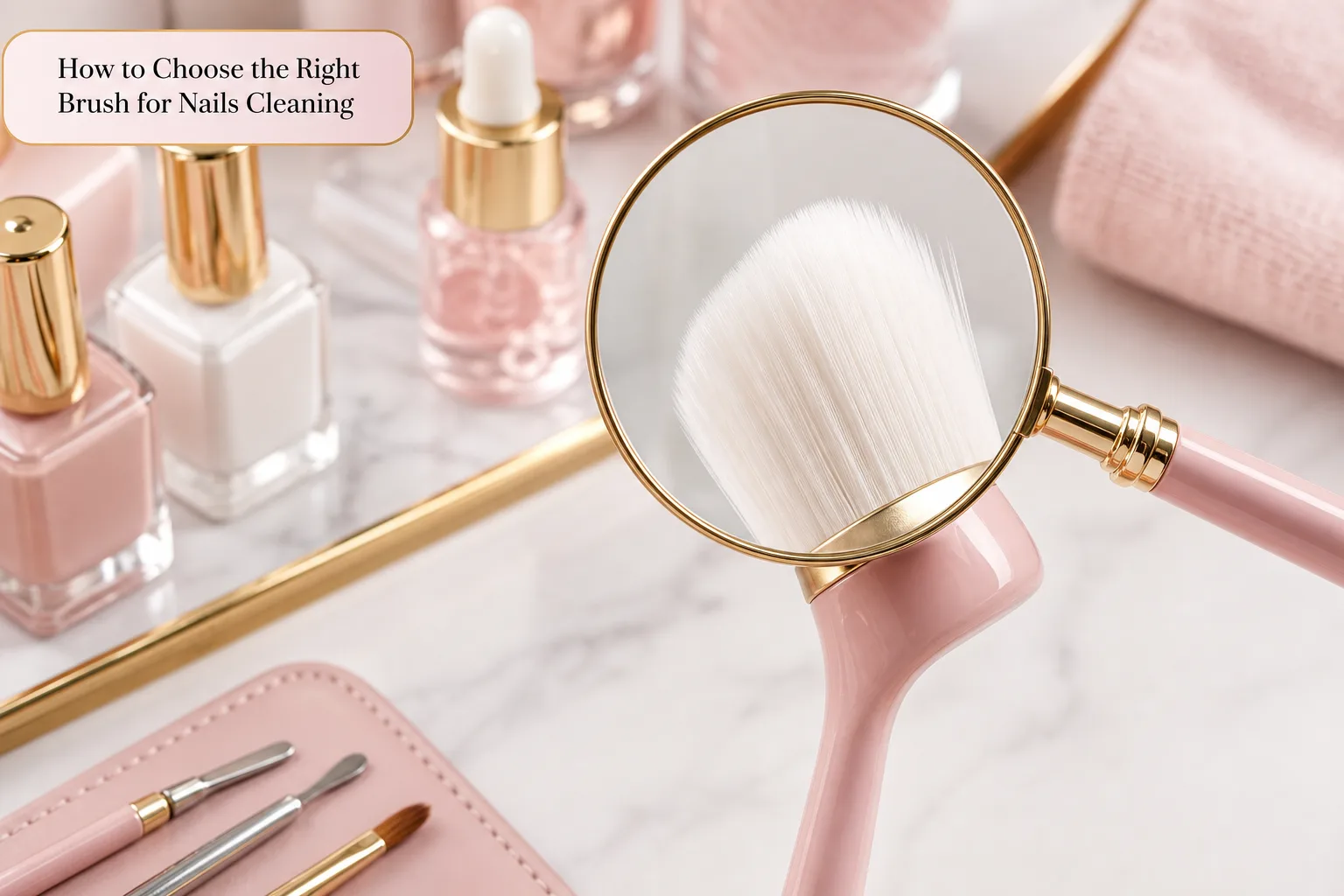
Selecting the ideal brush for nails cleaning depends on several factors, including bristle material, handle ergonomics, and the specific services your salon offers most frequently. Technicians should evaluate these elements carefully rather than choosing based on price alone.
Bristle Density and Softness
Dense, soft bristles are generally better at lifting fine dust without scratching the nail surface. Stiffer brushes may be useful for removing thicker debris but can feel harsh on sensitive skin around the cuticle area. Testing bristle flexibility before bulk purchasing is a wise practice.
Handle Design and Ergonomics
A comfortable handle reduces hand fatigue during long shifts. Look for brushes with a balanced grip and a length that allows precise control, especially when working close to the nail fold or under artificial extensions.
Compatibility with Sanitation Protocols
Since these brushes come into direct contact with skin and nail surfaces, they must be compatible with your salon’s disinfection routine. Brushes that can be autoclaved or soaked in hospital-grade disinfectant without degrading are preferable for long-term use.
Proper Techniques for Using a Nail Cleaning Brush
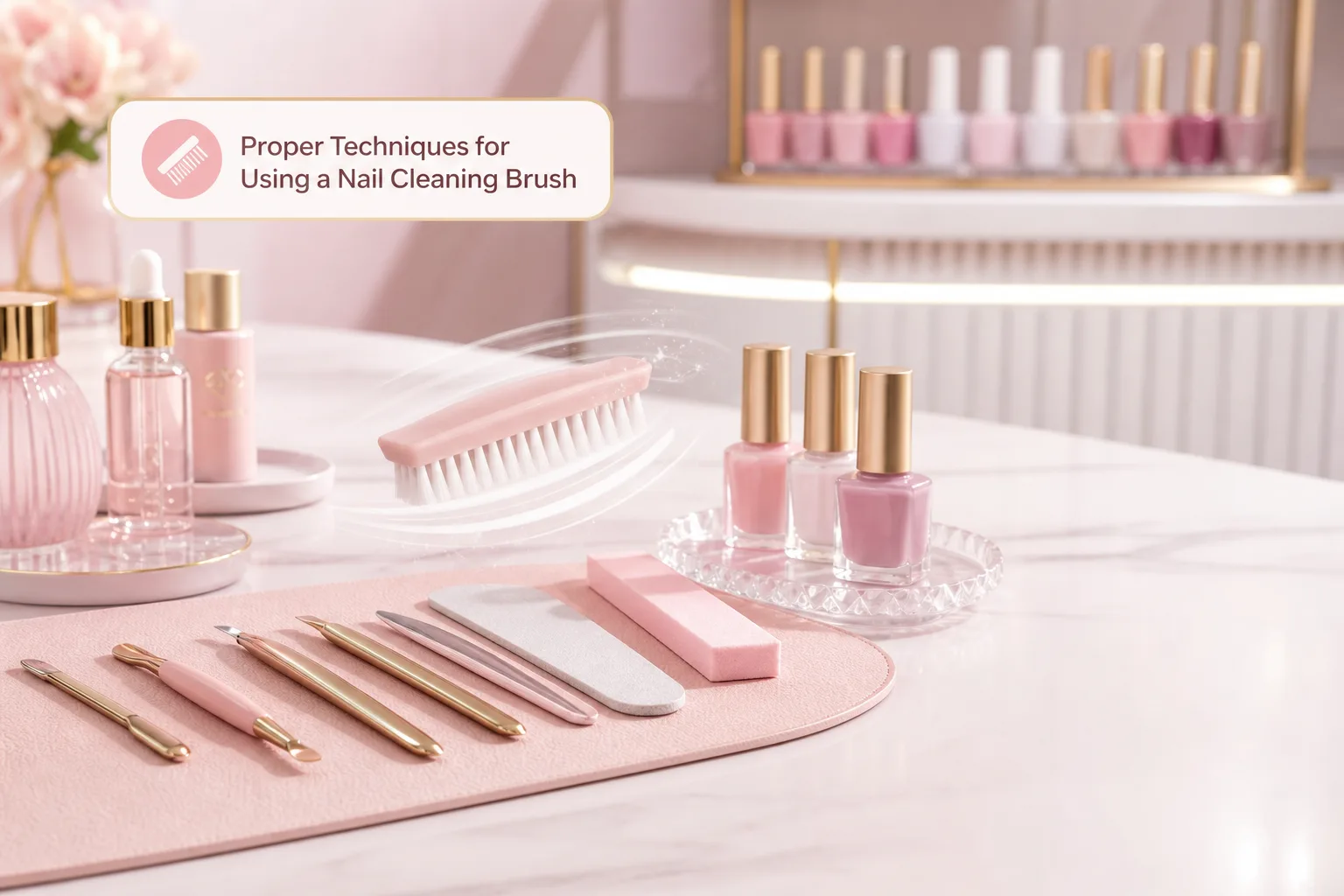
Even the best tool is only as effective as the technique behind it. Proper brushing technique ensures thorough dust removal while protecting the nail plate and surrounding skin.
Pre-Service Cleaning
Before applying any product, technicians should gently brush away filing dust from the nail plate, cuticle area, and sidewalls. Light, sweeping strokes in one direction prevent dust from being pushed back into crevices.
Post-Service Cleaning
After buffing or shaping, a second pass with the brush removes any remaining residue before polish or gel application. This step is critical for ensuring strong product adhesion and a smooth, streak-free finish.
Salon Use Case: Streamlining Prep with the Right Brush
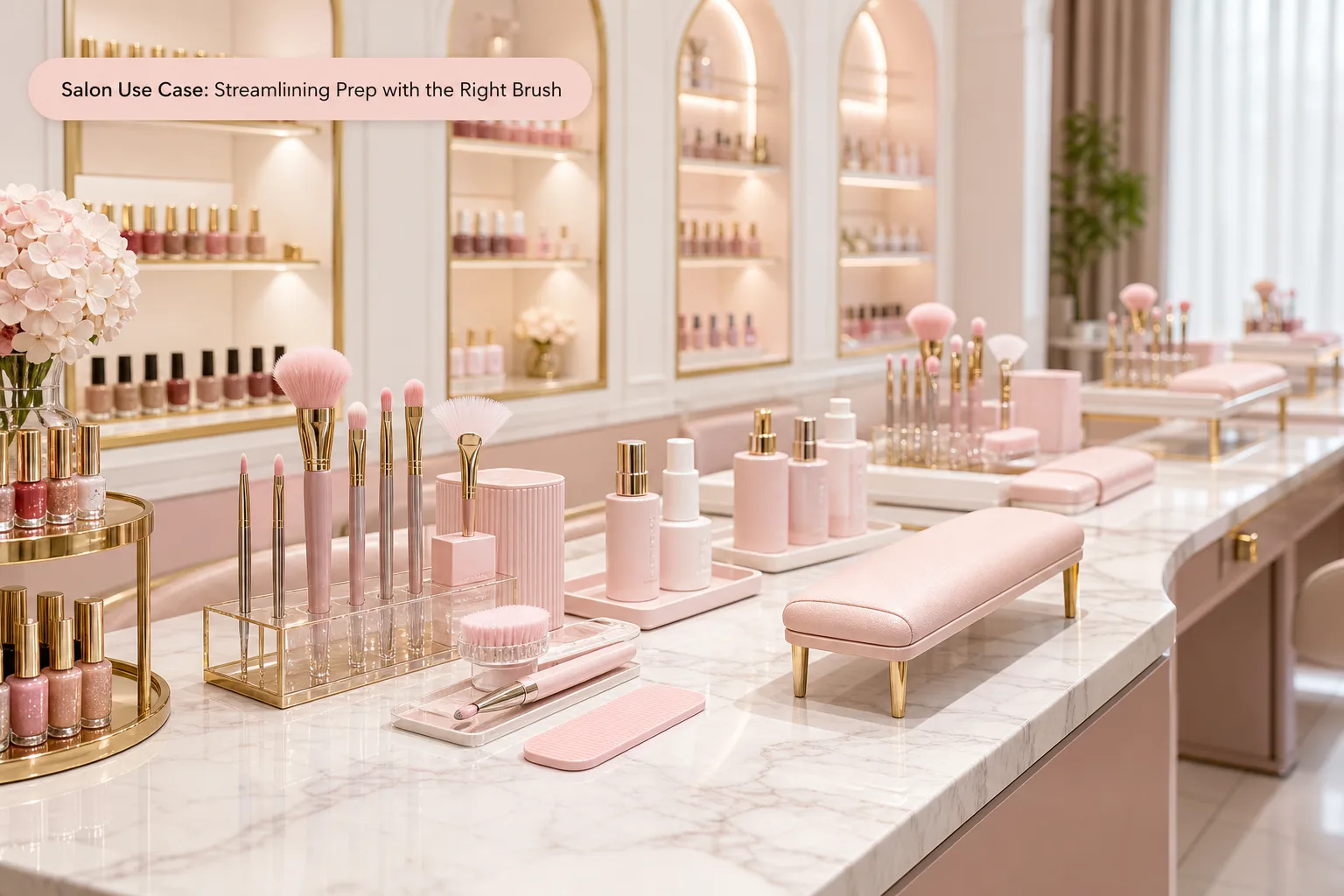
Consider a mid-sized salon that was experiencing frequent client complaints about gel polish lifting within a week of application. After reviewing their workflow, the salon manager discovered technicians were reusing worn-out brushes with matted bristles that no longer effectively lifted dust. By upgrading to a properly maintained brush for nails cleaning and training staff on consistent pre- and post-service brushing, the salon saw a noticeable drop in lifting complaints within a month. This case illustrates how a seemingly minor tool upgrade can have measurable business impact, improving both service quality and client retention.
Salons that standardize their cleaning tools across all technicians also tend to see more consistent results, since every station follows the same hygiene and prep protocol regardless of who is performing the service.
Common Mistakes When Using a Brush for Nails Cleaning
Even experienced technicians can fall into habits that reduce the effectiveness of their tools. Recognizing these mistakes helps maintain consistent, professional results.
Using the same brush for nails cleaning across multiple clients without disinfecting it is one of the most common hygiene violations in busy salons. This practice risks cross-contamination and should be avoided at all costs.
Other frequent errors include using overly stiff bristles on sensitive skin, allowing brushes to become saturated with old product residue, and neglecting to replace brushes once bristles become frayed or bent. Storing brushes improperly—such as leaving them exposed to dust or moisture between uses—can also shorten their lifespan and reduce effectiveness.
Additionally, some technicians rush through the brushing step entirely, assuming filing alone removes enough debris. This shortcut often leads to poor product adhesion and premature lifting, undermining the quality of an otherwise well-executed service.
Choosing a Reliable Supplier for Nail Cleaning Brushes
Sourcing durable, salon-grade tools from a trusted supplier is essential for maintaining consistent quality across your team. Low-cost, mass-produced brushes may shed bristles quickly or fail to withstand repeated sanitation, leading to higher replacement costs over time. Partnering with a supplier that specializes in professional nail tools ensures access to brushes engineered specifically for salon use, with materials designed to endure frequent disinfection.
JKIOCEAN is one such supplier known for offering a wide range of professional nail tools, including brushes designed for precise, hygienic dust removal. Salons looking to standardize their equipment and improve service consistency often turn to established suppliers like this to ensure every station is equipped with reliable, long-lasting tools rather than disposable, low-grade alternatives.
When evaluating suppliers, consider factors such as bristle material sourcing, warranty or replacement policies, and whether the brand offers guidance on proper tool maintenance. These details often distinguish a dependable long-term partner from a one-time purchase.
In conclusion, the humble brush for nails cleaning deserves far more attention than it typically receives in salon training and purchasing decisions. From improving product adhesion to protecting client health through better hygiene practices, this tool influences nearly every stage of a professional manicure or pedicure. By understanding the different types available, selecting brushes suited to your salon’s specific needs, and avoiding common maintenance mistakes, technicians can elevate both the quality and safety of their services. Pairing thoughtful technique with reliable, professional-grade tools ensures that this small but essential piece of equipment continues to support outstanding results, service after service.