
 3D Gel
 Accessories
 Acrylic Brushes
 Art Brushes
 Clippers
 Design
 French Brushes
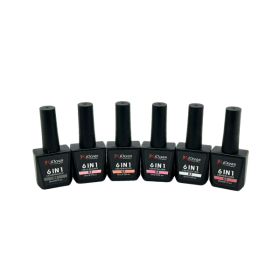 Builder Gel
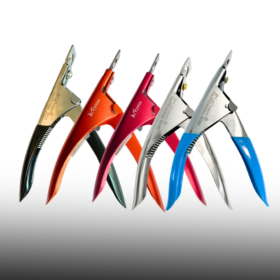 Nail Tip Cutter
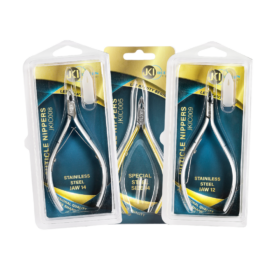 Nippers
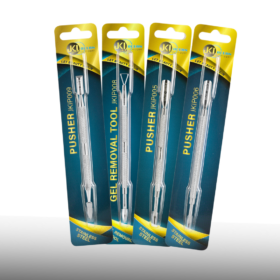 Pusher
 Scissors
 Tweezers
Jul
Blogs
Best Nail Clippers for Hard Nails: A Professional Buying and Technique Guide
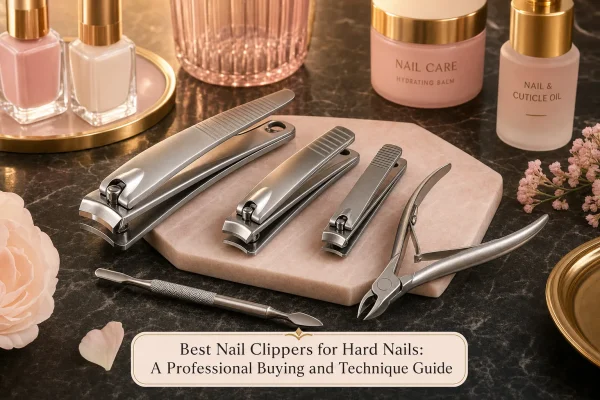
Trimming thick, hard nails is one of the most common challenges faced by nail technicians, podiatrists, and even everyday consumers. Standard nail clippers often bend, dull quickly, or fail to cut cleanly through dense keratin, leading to jagged edges, nail splitting, or discomfort for the client. Choosing the best nail clippers for hard nails is not just a matter of convenience—it directly impacts hygiene, precision, and the overall client experience in a professional setting. This guide explores what makes a nail clipper suitable for hard nails, how to select the right tool, proper cutting techniques, and how salons can maintain consistent quality when serving clients with tough nail conditions.
Why Hard Nails Need Specialized Nail Clippers
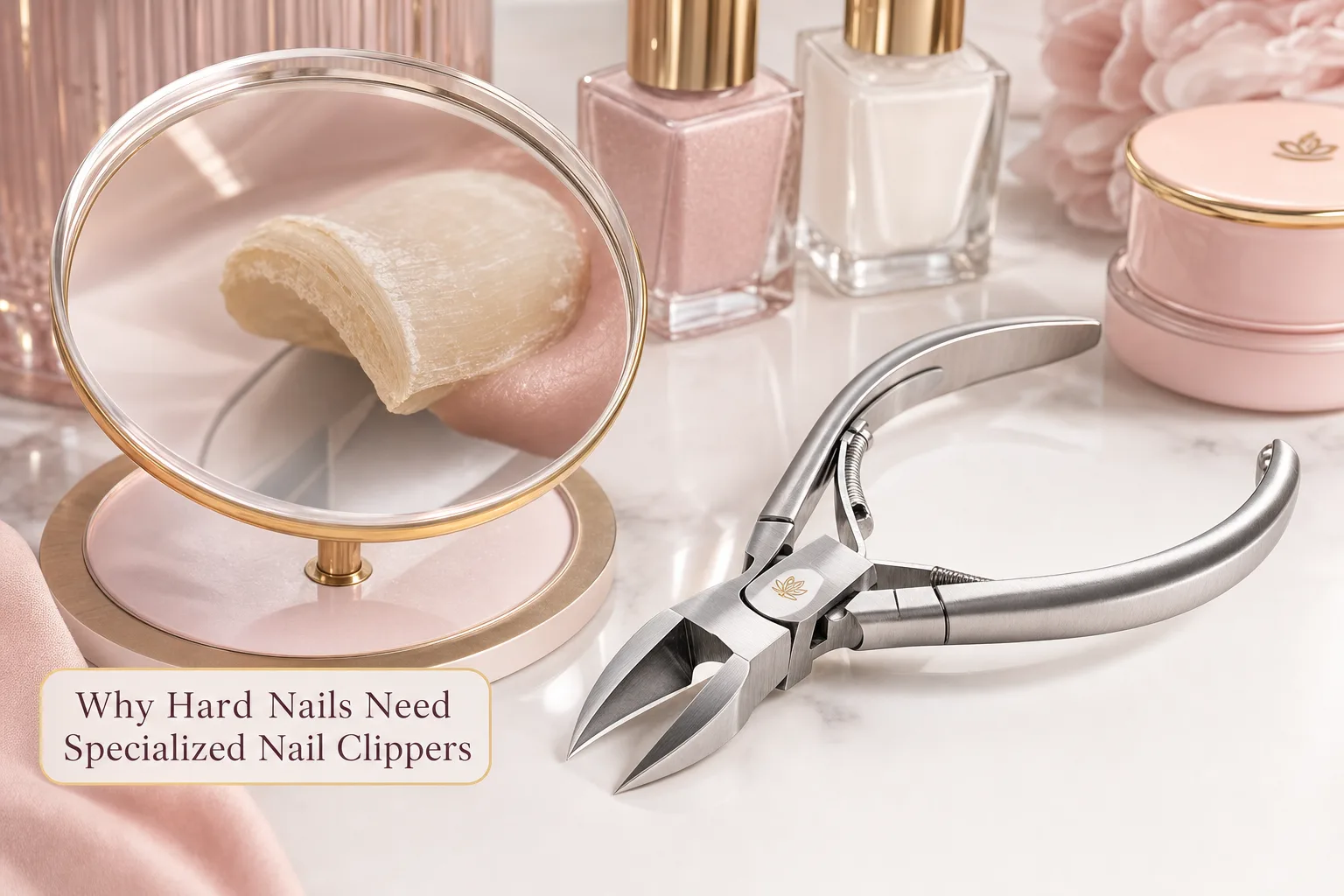
Not all nails are created equal. Some clients have naturally thick nail plates due to genetics, age, or occupational factors, while others develop hardened or thickened nails as a result of fungal infections, repeated trauma, or prolonged use of acrylic and gel enhancements. Regardless of the cause, these nails require significantly more cutting force than standard fingernails or toenails.
Using a low-quality or underpowered clipper on hard nails can result in several issues: the blades may slip, causing uneven cuts; the nail may crack or split rather than cut cleanly; and repeated stress can damage the clipper itself, shortening its usable lifespan. For professionals, this translates into slower service times, client discomfort, and increased tool replacement costs.
The Anatomy of Hard Nails
Hard nails typically have a denser keratin structure and may be thicker across the nail plate, especially at the free edge. This density means the clipper blades must exert more concentrated pressure to achieve a clean cut without excessive force from the user’s hand. Understanding this anatomy helps technicians select clippers with the correct blade angle, thickness, and leverage design.
Key Features to Look for in Nail Clippers for Hard Nails
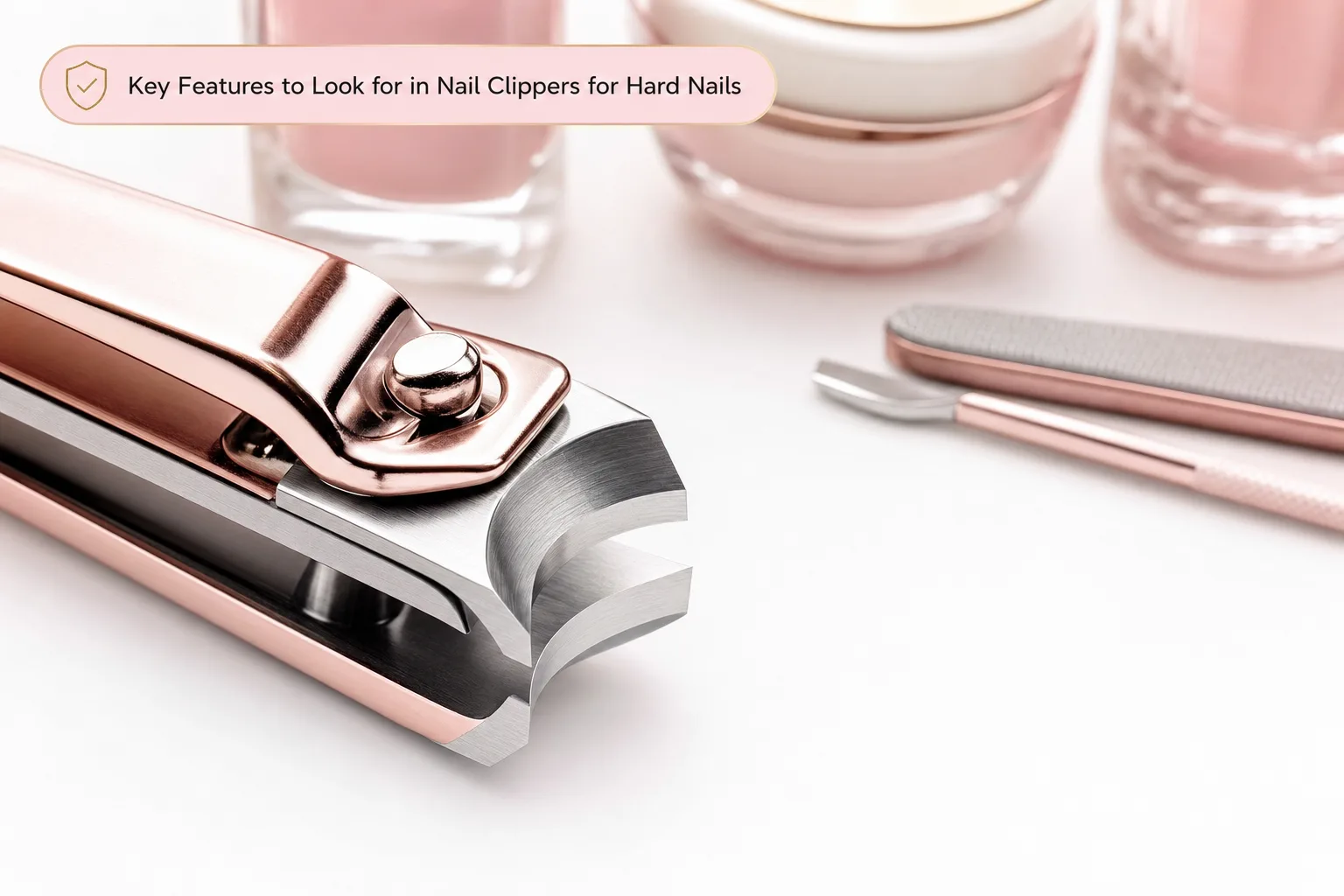
When shopping for nail clippers designed to handle hard or thick nails, several features distinguish professional-grade tools from basic consumer versions.
Blade Material and Hardness
High-carbon stainless steel is the industry standard for clippers intended to cut through hard nails. This material retains sharpness longer and resists corrosion from repeated sanitation cycles. Some premium clippers also feature hardened or coated blades that further extend cutting precision over time.
Blade Thickness and Angle
Thicker blades with a slightly curved or angled cutting edge provide better leverage when cutting through dense nail plates. A well-designed blade angle reduces the pressure needed from the user’s hand while minimizing the risk of nail splintering.
Handle Length and Leverage
Longer handles increase mechanical leverage, allowing users to apply more cutting force with less physical effort. This is particularly important for podiatry-style clippers designed for toenails, which are often thicker than fingernails.
Ergonomic Grip
A comfortable, non-slip grip reduces hand fatigue during repeated use throughout a busy salon day. Ergonomic design also improves control, which is essential when cutting through resistant nail material where precision matters most.
Types of Best Nail Clippers for Hard Nails
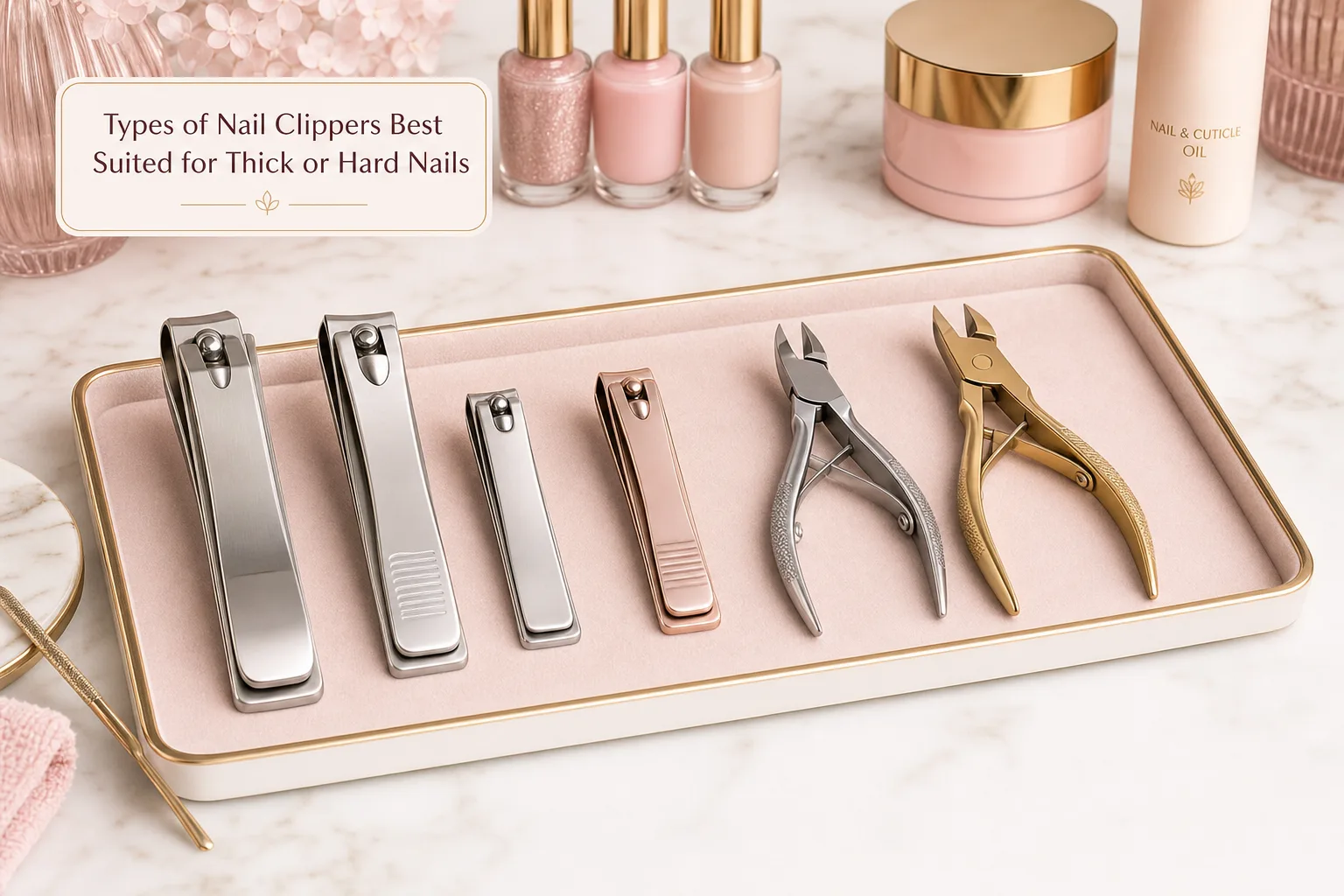
Different clipper styles serve different purposes. Understanding the distinctions helps technicians select the right tool for each client’s specific nail condition.
Heavy-Duty Toenail Clippers
Designed specifically for thick toenails, these clippers feature wider jaws and a straight or slightly curved cutting edge. They are ideal for clients with naturally thick nails or age-related nail thickening.
Podiatry-Grade Nail Nippers
Nail nippers, often used in podiatry and advanced pedicure services, provide a scissor-like double-lever mechanism that allows for greater cutting force and more controlled, incremental trimming. These are particularly effective for extremely hard or ingrown nails.
Fingernail Clippers with Reinforced Blades
For fingernails affected by hardness due to gel or acrylic residue, reinforced blade clippers offer a smaller, more precise cutting surface while maintaining the strength needed to cut through dense material without damaging the nail bed.
How to Properly Use Nail Clippers on Hard Nails
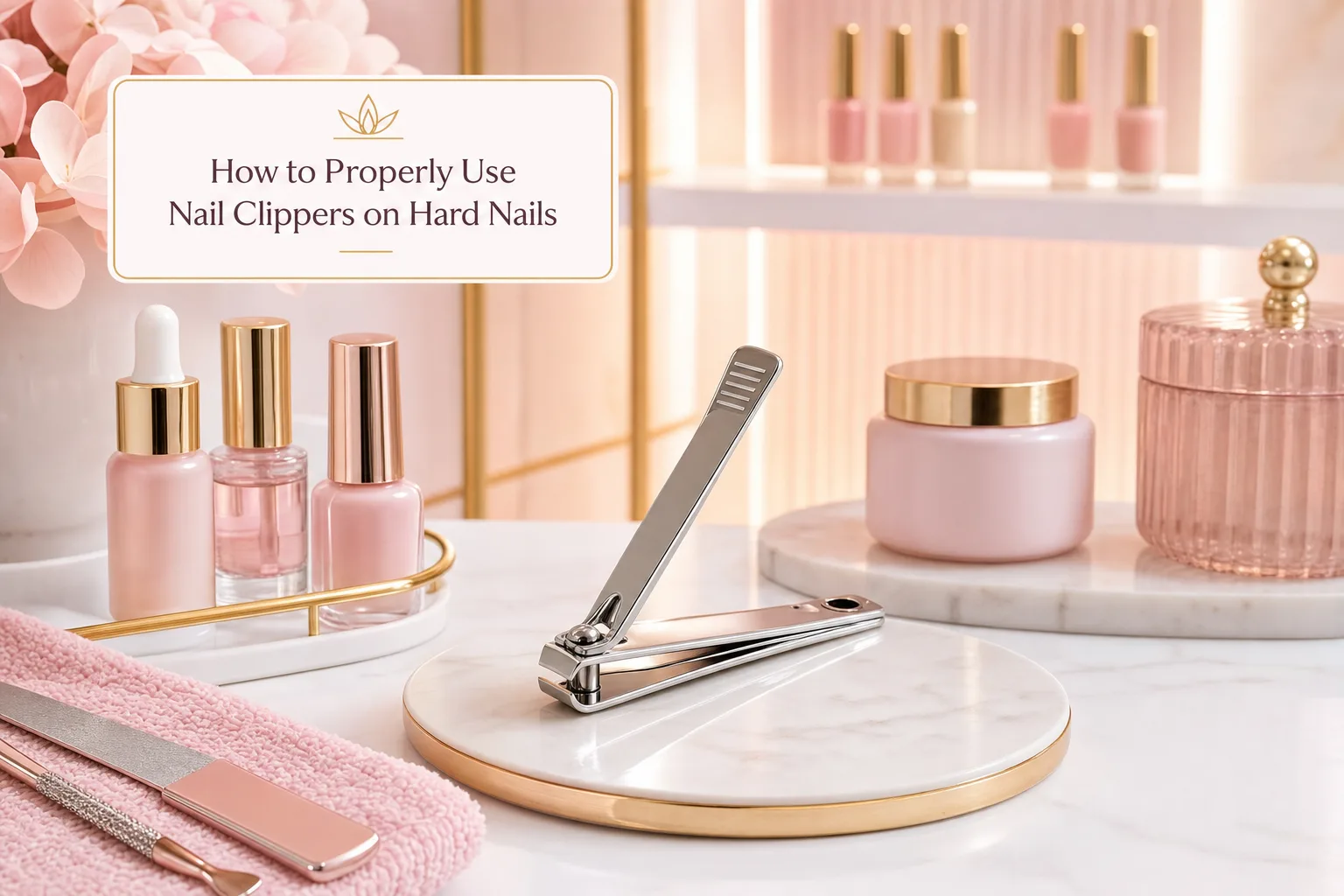
Technique matters just as much as tool selection when working with hard nails. Improper cutting methods can lead to nail damage, client discomfort, or even injury.
Step 1: Soften the Nail if Possible
Soaking the nails in warm water for several minutes before trimming can soften the keratin slightly, making the cutting process smoother and reducing the risk of splitting.
Step 2: Trim in Small Increments
Rather than attempting to cut the entire nail width in one motion, professionals should trim in small, controlled sections. This reduces stress on the clipper blades and minimizes the chance of uneven or jagged edges.
Step 3: Maintain a Straight Cutting Line
Cutting straight across, rather than curving inward at the corners, helps prevent ingrown nails—a common risk when dealing with thick or hard nail plates, particularly on toenails.
Step 4: File to Finish
After trimming, use a quality nail file to smooth any rough edges left by the clipper. This final step ensures a polished, professional finish and reduces the risk of snagging.
Salon Use Case: Managing Clients with Thick Nails

Consider a mid-sized nail salon that regularly serves an older clientele, many of whom present with naturally thickened toenails due to age. The salon’s technicians initially relied on standard-grade clippers, which frequently slipped or failed to cut cleanly, resulting in longer service times and occasional client complaints about discomfort.
After upgrading to heavy-duty, high-carbon steel clippers specifically rated for thick nails, the salon noticed a marked improvement in service efficiency. Technicians reported needing fewer passes to complete each trim, and clients experienced less pressure and discomfort during the process. The salon also implemented a rotation system for sharpening and replacing clipper blades every few months, ensuring consistent cutting performance across all workstations.
This case illustrates a broader lesson for salon owners: investing in the right nail clippers for hard nails is not merely a matter of tool preference but a direct contributor to service quality, client satisfaction, and operational efficiency.
Common Mistakes When Trimming Hard Nails
Even experienced technicians can fall into habits that compromise cutting quality or client safety when dealing with hard nails.
Using Dull or Worn Blades
Continuing to use clippers past their effective lifespan is one of the most frequent mistakes. Dull blades require more force, increasing the risk of nail splitting and hand fatigue.
Applying Excessive Force in One Motion
Attempting to force a clipper through a thick nail in a single squeeze often results in an uneven cut or a cracked nail plate. Incremental cutting is almost always safer and more precise.
Neglecting Regular Sanitation and Maintenance
Hard nail cutting places additional stress on blade edges, making regular sharpening and proper sanitation even more critical. Skipping maintenance not only shortens tool lifespan but also raises hygiene concerns in a professional setting.
Choosing the Wrong Clipper Size
Using a small fingernail clipper on thick toenails, or vice versa, often leads to poor leverage and inconsistent cuts. Matching clipper type to the specific nail condition is essential for optimal results.
Choosing a Reliable Supplier for Professional Nail Clippers
For salons and independent technicians alike, sourcing high-quality, durable nail clippers from a trusted supplier is essential to maintaining consistent service standards. Reliable suppliers offer tools made from certified stainless steel, provide clear product specifications, and often support bulk ordering for salons managing multiple stations.
Working with an established professional nail tool supplier such as JKIOCEAN allows salon owners to access a curated range of clippers designed specifically for varying nail conditions, including heavy-duty options suited for hard or thick nails. Partnering with a knowledgeable supplier also ensures access to proper maintenance guidance, replacement parts, and consistent product quality across restocking cycles—factors that are especially important for busy salons that rely on dependable tools every day.
When evaluating suppliers, professionals should consider factors such as material certification, warranty policies, and the availability of specialized tools beyond standard clippers, including nippers, cuticle tools, and pedicure instruments that complement a comprehensive hard-nail care routine.
Conclusion
Selecting the best nail clippers for hard nails is a decision that impacts efficiency, safety, and client satisfaction in any professional nail care setting. From understanding blade material and leverage design to applying correct cutting techniques and maintaining tools properly, every detail contributes to a smoother, more precise service experience. Salons that invest in heavy-duty, well-maintained clippers—sourced from reliable suppliers—position themselves to handle even the most challenging nail conditions with confidence and professionalism, ultimately building stronger client trust and long-term business success.