
 3D Gel
 Accessories
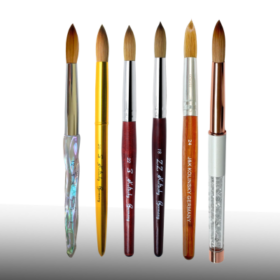 Acrylic Brushes
 Art Brushes
 Clippers
 Design
 French Brushes
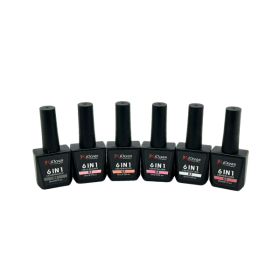 Builder Gel
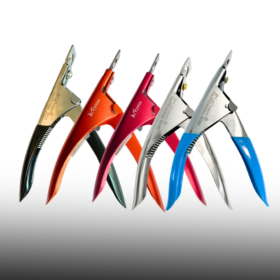 Nail Tip Cutter
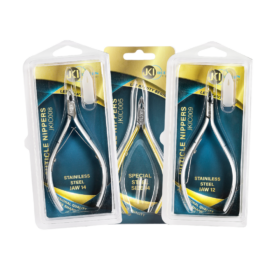 Nippers
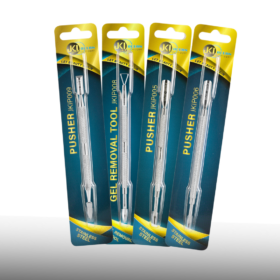 Pusher
 Scissors
 Tweezers
Jul
Blogs
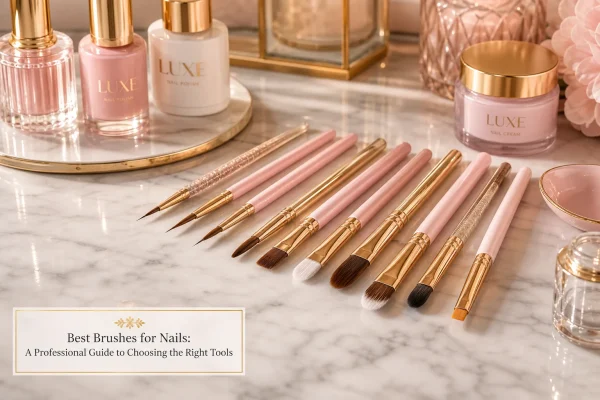
Best Brushes for Nails: A Professional Guide to Choosing the Right Tools
Choosing the best brushes for nails is one of the most overlooked yet essential decisions a nail technician makes. While polish colors, gel formulas, and nail art trends often steal the spotlight, the quality of your brushes directly determines the precision, smoothness, and durability of every manicure. Whether you specialize in acrylic sculpting, gel polish application, or intricate nail art, having the right brush in hand can be the difference between an average result and a flawless, salon-worthy finish.
In this comprehensive guide, we will explore the different types of nail brushes, the key features that separate professional-grade tools from cheap alternatives, and practical tips for selecting the right brush for every technique. We will also look at common mistakes technicians make when choosing brushes, and how trusted suppliers like JKIOCEAN are helping salons upgrade their toolkits with consistent, high-performance options.
Why Choosing the Best Brushes for Nails Matters
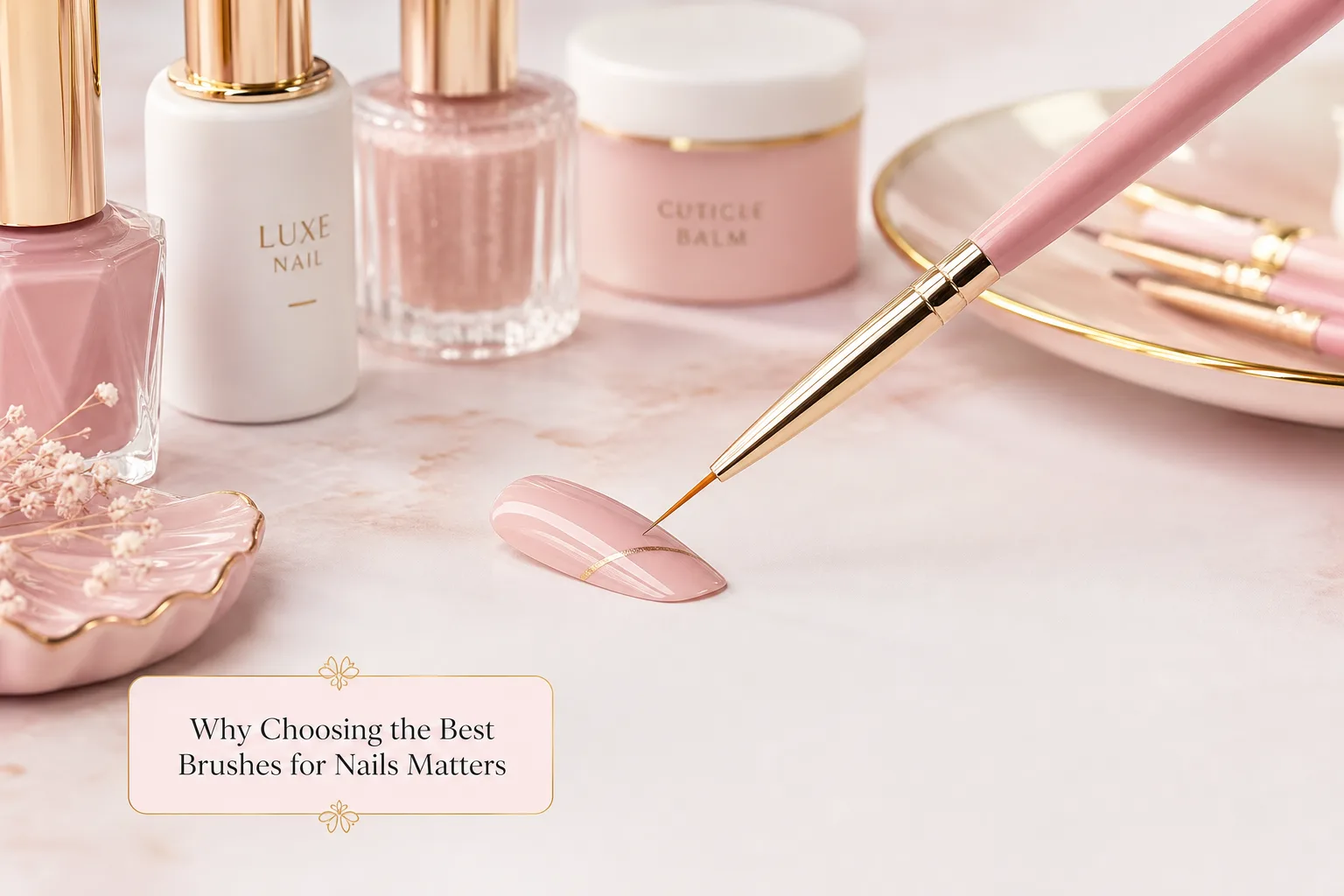
Every professional nail technician knows that tools matter as much as technique. The best brushes for nails allow for even product distribution, reduce the risk of streaking or bubbling, and give technicians better control over fine details. A poor-quality brush, on the other hand, can shed bristles, hold too much or too little product, and ultimately compromise the final look of a manicure.
Beyond aesthetics, brush quality also affects efficiency. In a busy salon environment, technicians need tools that perform consistently service after service without needing constant replacement. Investing in durable, well-crafted brushes reduces long-term costs and improves client satisfaction, since flawless application often means fewer touch-ups and faster service times.
The Connection Between Brush Quality and Client Retention
Clients notice smooth, even nail finishes, even if they cannot articulate why a manicure looks professional. Brushes with the right shape, bristle density, and material contribute directly to that polished appearance, which in turn builds client trust and encourages repeat visits.
Types of Nail Brushes Every Technician Should Know
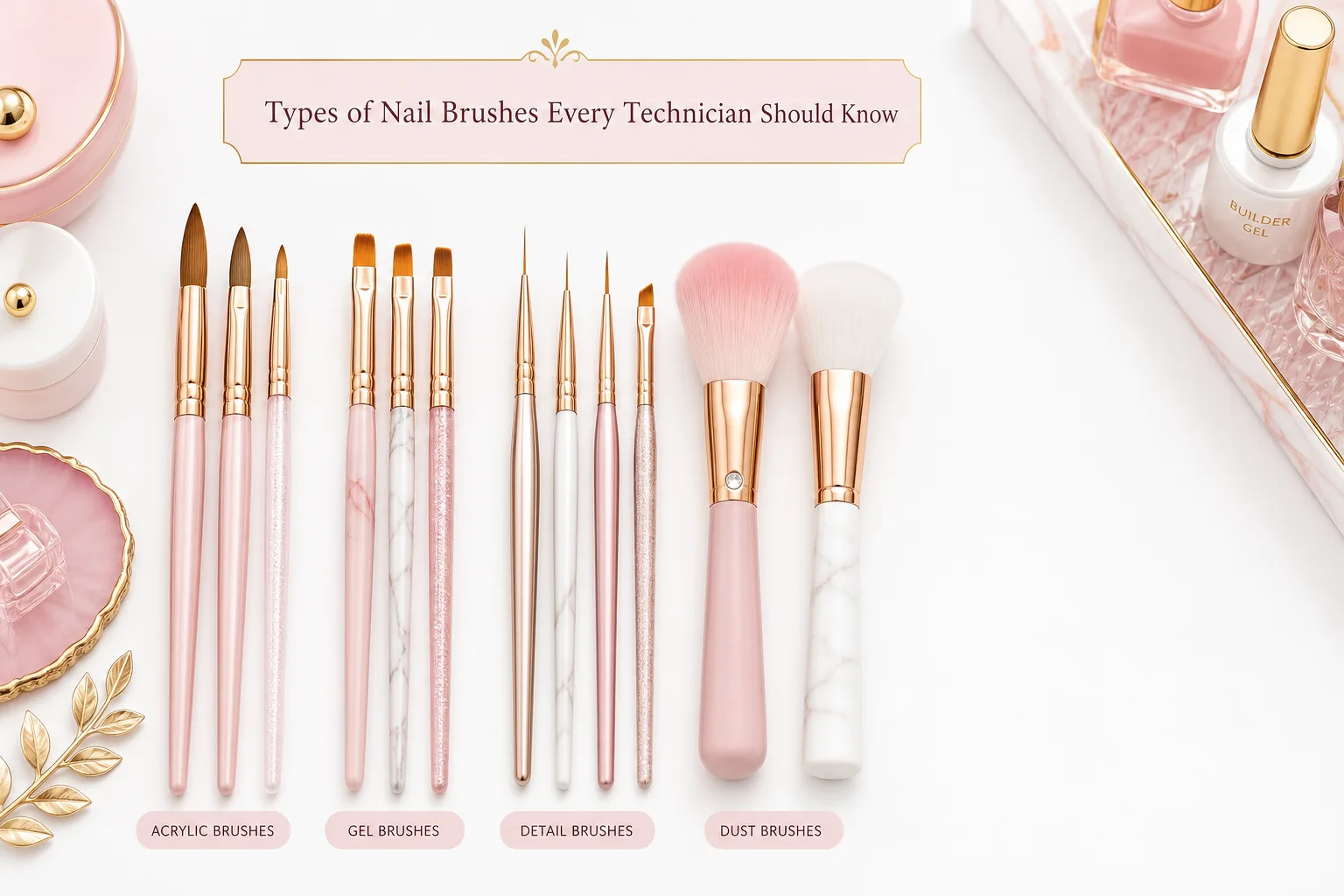
Understanding the different categories of nail brushes helps technicians build a versatile toolkit suited to various services. Each brush type is engineered for a specific purpose, and knowing when to use which one is part of what separates seasoned professionals from beginners.
Acrylic Brushes
Acrylic brushes typically feature natural Kolinsky sable bristles, prized for their firmness and ability to hold sculpting powder without losing shape. These brushes are essential for creating strong, even acrylic extensions and require careful maintenance to preserve bristle integrity over time.
Gel Polish Brushes
Gel brushes are usually flatter and slightly stiffer than acrylic brushes, designed to spread gel polish evenly across the nail plate in as few strokes as possible. A quality gel brush minimizes drag marks and helps achieve that glass-like, glossy finish clients love.
Nail Art and Detail Brushes
For fine line work, ombre effects, and intricate designs, thin detail brushes with tapered tips are indispensable. These brushes often come in varying sizes to accommodate different levels of detail, from delicate florals to bold geometric patterns.
Dust and Cleaning Brushes
Often overlooked, dust brushes play a crucial role in prepping the nail surface before polish or gel application. A soft-bristled dust brush ensures no debris interferes with adhesion, contributing to longer-lasting results.
Key Features to Look for in Quality Nail Brushes
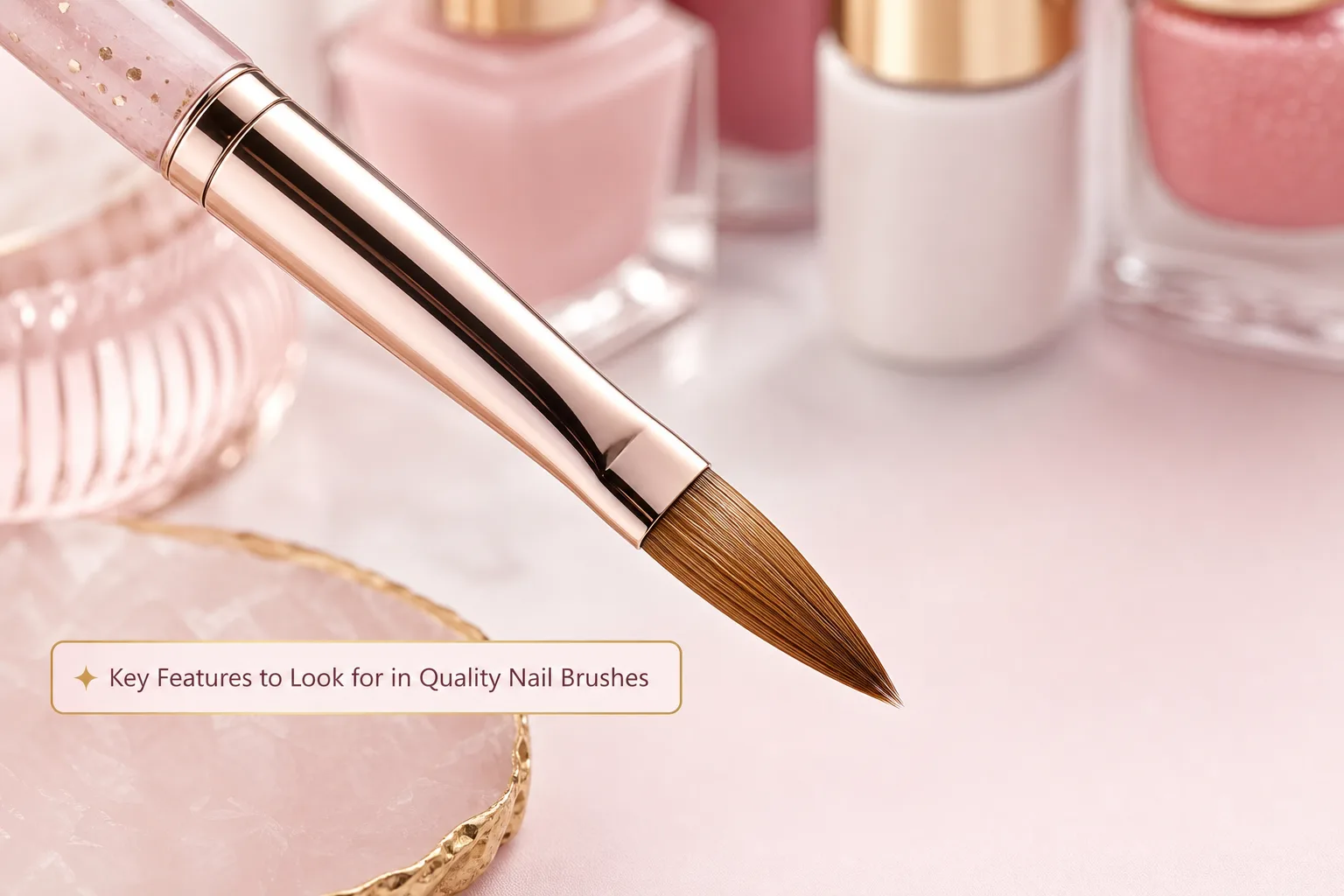
When evaluating the best brushes for nails, professionals should pay attention to several defining characteristics that influence performance and longevity.
Bristle Material
Natural bristles, such as Kolinsky sable, are prized for their ability to hold and release product smoothly, making them ideal for acrylic and gel work. Synthetic bristles, while more affordable, have improved significantly and now offer comparable performance for many polish and nail art applications.
Ferrule Construction
The ferrule, which secures the bristles to the handle, should be tightly crimped and seamless to prevent shedding or bristle separation. A poorly constructed ferrule is often the first sign of a low-quality brush.
Handle Ergonomics
Since technicians use brushes for extended periods throughout the day, a comfortable, well-balanced handle reduces hand fatigue and improves precision, especially during detailed nail art sessions.
How to Choose the Right Brush for Each Technique
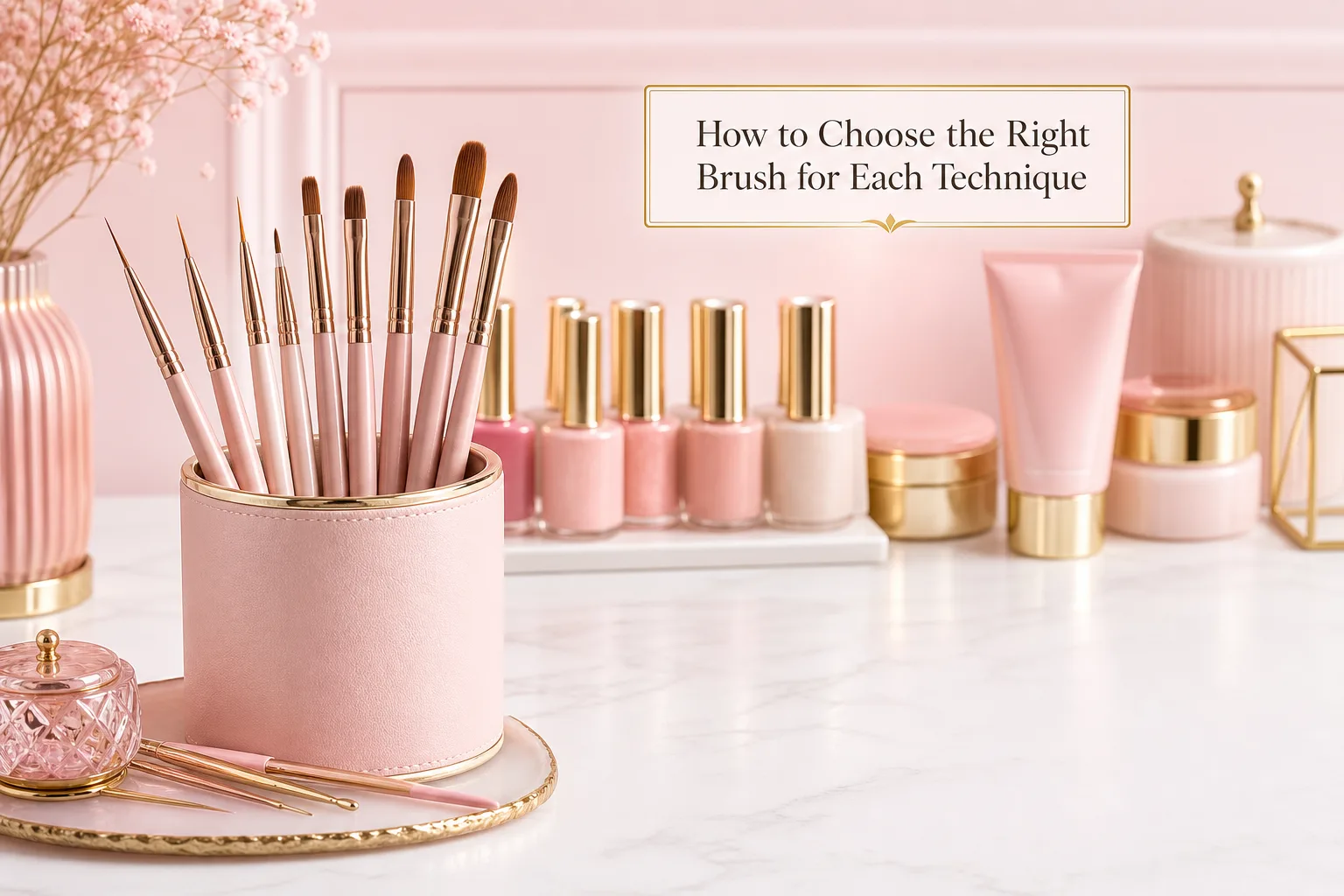
Selecting the right brush isn’t just about brand or price—it’s about matching the tool to the technique. Technicians offering a wide range of services should build a brush collection that reflects the diversity of their menu.
Matching Brush Size to Nail Shape
Larger brushes work well for broader nail surfaces or quick coverage, while smaller, tapered brushes are better suited for narrow nail beds or intricate cuticle work. Adjusting brush size according to shape improves both speed and accuracy.
Considering Product Viscosity
Thicker acrylic powders require firmer brushes with more bristle density, whereas gel polishes, which have a more fluid consistency, perform best with slightly softer, flatter brushes that glide smoothly across the nail plate.
A Practical Salon Use Case
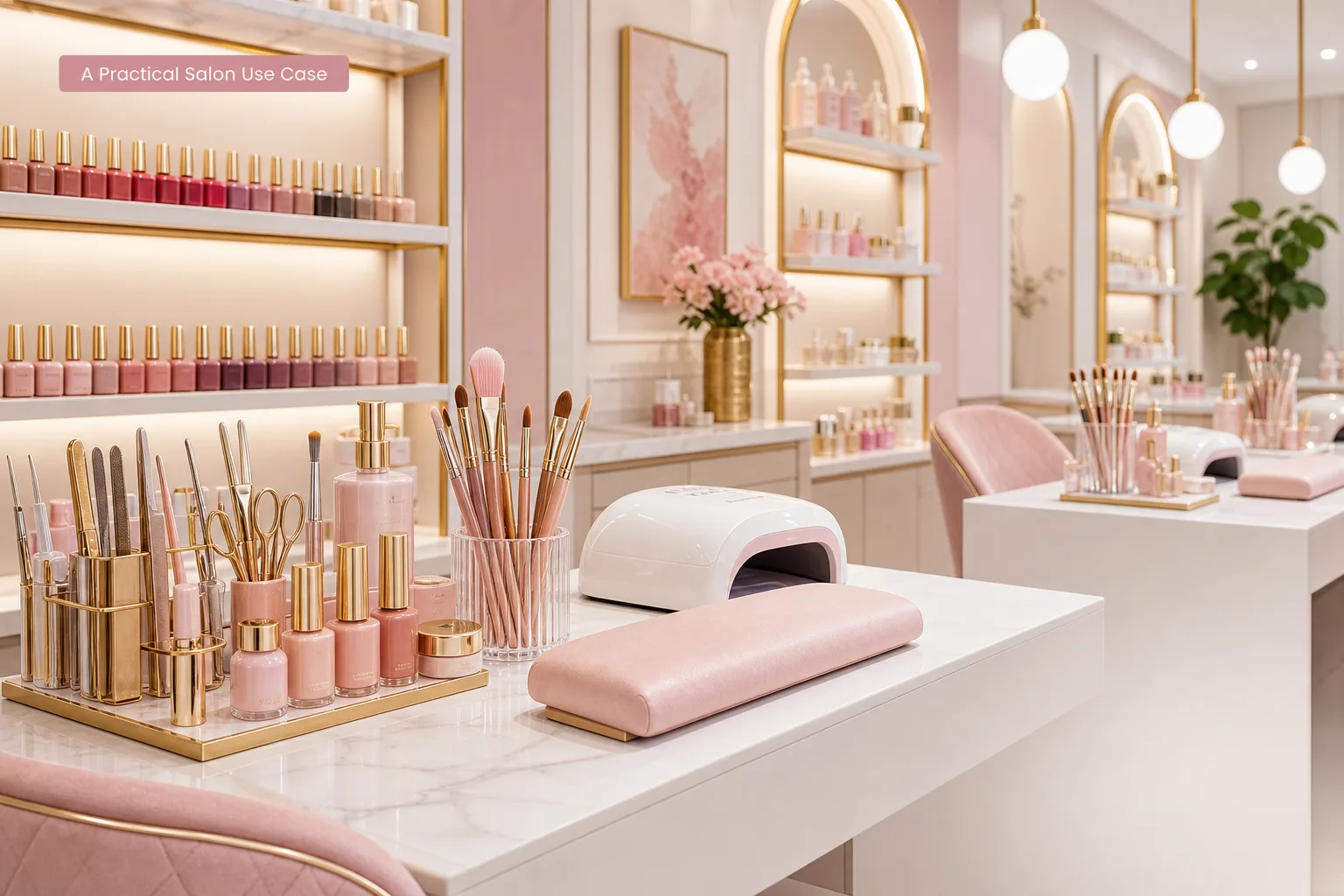
Consider a busy salon that recently upgraded its brush collection after noticing inconsistent gel polish application among newer staff members. By standardizing on a specific set of professional-grade brushes—one for base coat, one for color, and one for detail work—the salon reported fewer client complaints about streaking and uneven coverage within just a few weeks.
The technicians also noted that training became easier, since consistent tools allowed for more predictable results across different staff members. This case illustrates how thoughtful brush selection isn’t just a personal preference but a business decision that impacts service quality and staff training efficiency.
Common Mistakes When Selecting Nail Brushes
Even experienced technicians can fall into habits that compromise their results. Recognizing these common mistakes helps in making better purchasing decisions and improving daily workflow.
Choosing Based on Price Alone
While budget matters, choosing the cheapest brushes available often leads to more frequent replacements and inconsistent application. Investing in the best brushes for nails within a reasonable budget usually pays off through improved efficiency and reduced product waste.
Neglecting Brush Maintenance
Even high-quality brushes degrade quickly without proper cleaning. Leaving acrylic monomer or gel residue on bristles shortens brush lifespan and affects future application quality.
Using One Brush for Multiple Purposes
Cross-contamination between acrylic, gel, and polish brushes can lead to product inconsistency and even allergic reactions in sensitive clients. Dedicated brushes for each product type ensure cleaner, more predictable results.
Trusted Brands and Suppliers for Professional Nail Brushes
As demand for high-performance nail tools grows, salons increasingly rely on established suppliers who understand the technical requirements of professional-grade brushes. Consistency in bristle quality, ferrule construction, and handle design across an entire product line matters just as much as individual brush performance.
Suppliers like JKIOCEAN have built a reputation among nail professionals for offering reliable, well-constructed brushes suited to a variety of techniques, from acrylic sculpting to detailed nail art. Working with a trusted supplier also simplifies bulk purchasing for salons managing multiple technicians and service stations, ensuring consistent quality across the entire team.
Evaluating Supplier Reliability
Beyond product quality, factors such as consistent stock availability, responsive customer service, and clear product specifications help salons make informed purchasing decisions and avoid unexpected service disruptions.
Conclusion
Selecting the best brushes for nails is a foundational decision that influences every aspect of professional nail services, from acrylic sculpting to gel polish application and intricate nail art. By understanding brush types, evaluating key quality features, and avoiding common selection mistakes, technicians can elevate both their craftsmanship and client satisfaction. As the industry continues to evolve, partnering with reliable suppliers ensures salons stay equipped with tools that meet the growing expectations of today’s discerning clientele.