
 3D Gel
 Accessories
 Acrylic Brushes
 Art Brushes
 Clippers
 Design
 French Brushes
 Builder Gel
 Nail Tip Cutter
 Nippers
 Pusher
 Scissors
 Tweezers
Jul
Blogs
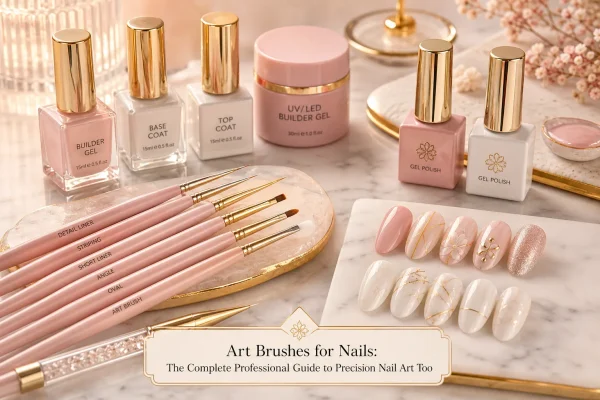
Art Brushes for Nails: The Complete Professional Guide to Precision Nail Art Tools
Every exceptional nail design begins with the right tools, and among the most essential are art brushes for nails. Whether creating delicate floral patterns, precise line work, or bold ombré effects, a nail technician’s success depends heavily on brush quality, shape, and control. As nail art continues to evolve into an intricate form of personal expression, professionals must understand how to select, use, and maintain these tools to consistently deliver salon-quality results.
Why Art Brushes for Nails Matter in Professional Nail Design
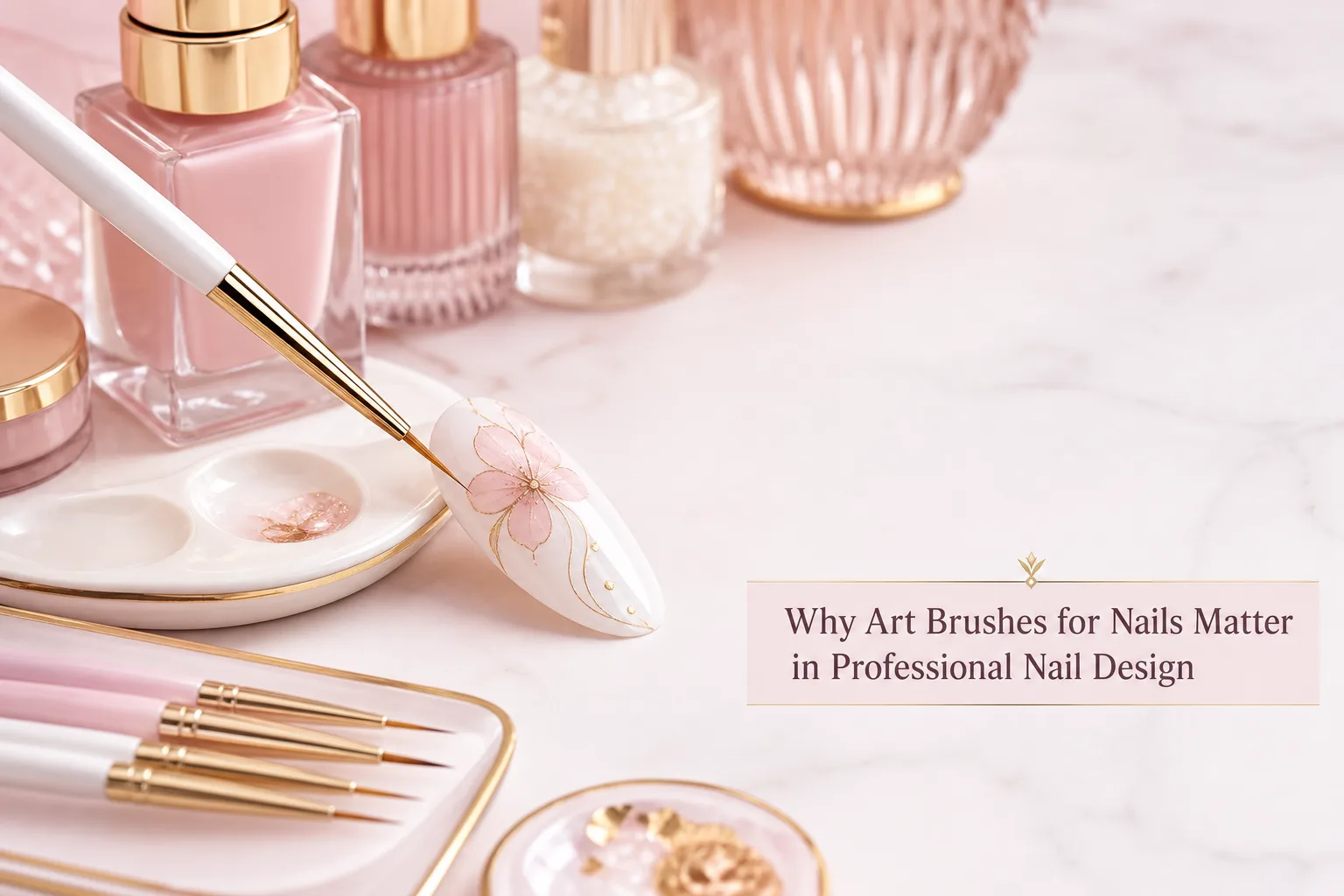
The demand for detailed, Instagram-worthy nail art has grown significantly, pushing technicians to refine their craft. Art brushes for nails serve as the bridge between creative vision and technical execution. A poorly chosen brush can ruin an otherwise flawless manicure, while the right one allows for effortless precision, smooth color blending, and consistent line work across every client visit.
Unlike general painting brushes, these tools are engineered specifically for the small, curved surface of a nail plate. Their bristle density, shape, and handle balance are optimized to help technicians maintain steady control even during intricate detailing work. This specialization is what separates amateur nail art from professional-grade results.
The Role of Bristle Quality
Bristle material directly affects paint pickup, release, and overall stroke smoothness. Synthetic bristles are popular for gel and acrylic paint application because they resist product absorption and retain their shape longer. Natural bristles, on the other hand, offer superior pigment control for detailed watercolor-style nail art, though they require more careful maintenance.
Handle Design and Ergonomics
Long salon days demand tools that reduce hand fatigue. Lightweight, well-balanced handles with non-slip grips allow technicians to work for extended periods without discomfort, improving both speed and accuracy during detailed nail art sessions.
Types of Art Brushes for Nails Every Salon Should Stock
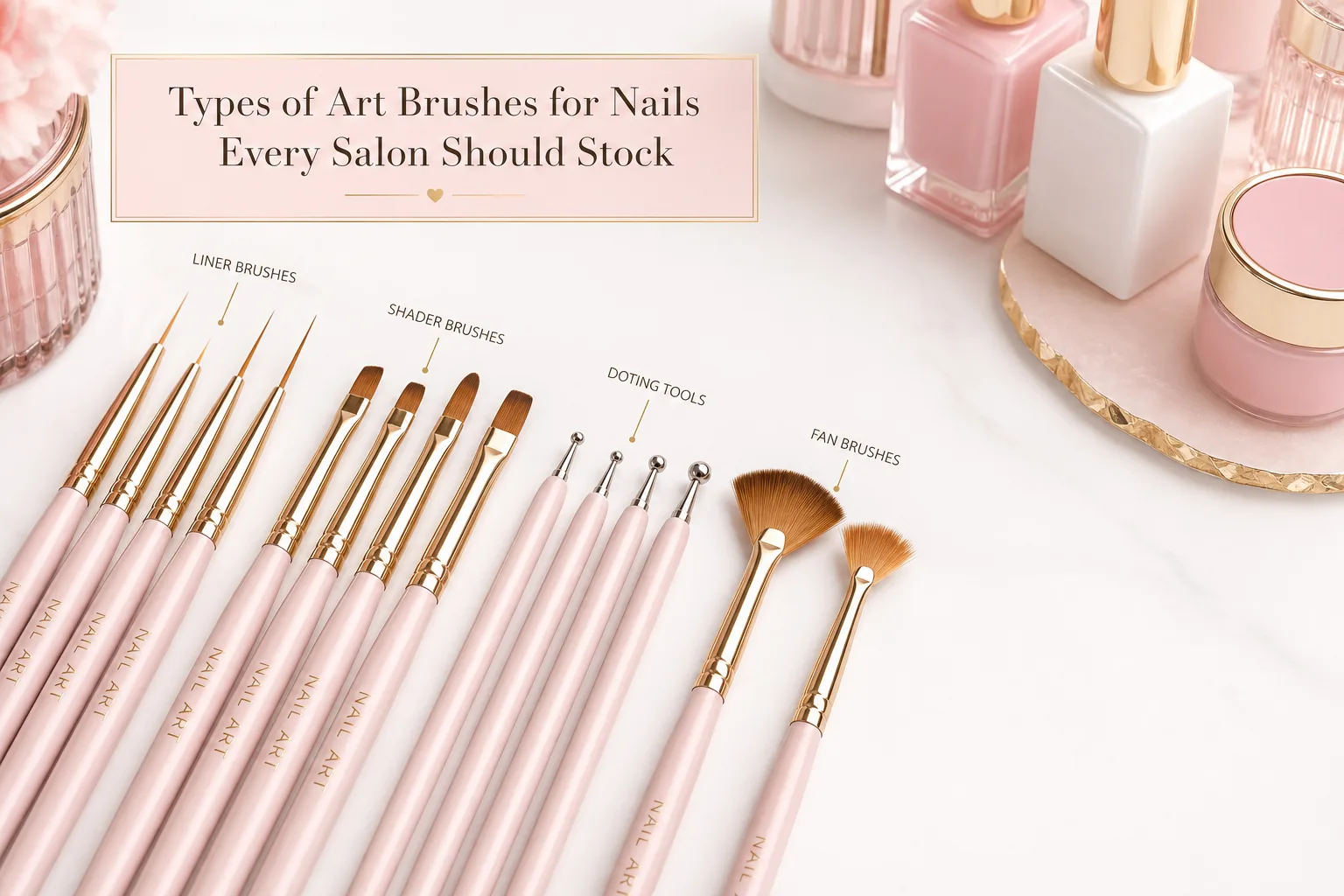
A well-equipped nail studio typically includes a variety of brush types, each designed for a specific technique. Understanding these differences helps technicians select the correct brush for each design element, avoiding unnecessary product waste or design inconsistencies.
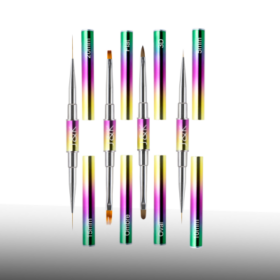
Detail Liner Brushes
These fine-tipped brushes are ideal for creating thin lines, outlines, and intricate patterns such as swirls or lace designs. Their long, tapered bristles allow for continuous, controlled strokes without frequent reloading.
Flat Shader Brushes
Flat brushes are commonly used for ombré effects, gradient blending, and covering larger nail surfaces evenly. Their broad tip distributes color smoothly, making them essential for both classic and modern nail art styles.
Dotting and Fan Brushes
Dotting tools create uniform circular accents, perfect for polka dots or floral centers, while fan brushes are excellent for feathering, texture effects, and soft color transitions. Together, these specialty tools expand a technician’s creative range significantly.
How to Choose the Right Art Brushes for Nails
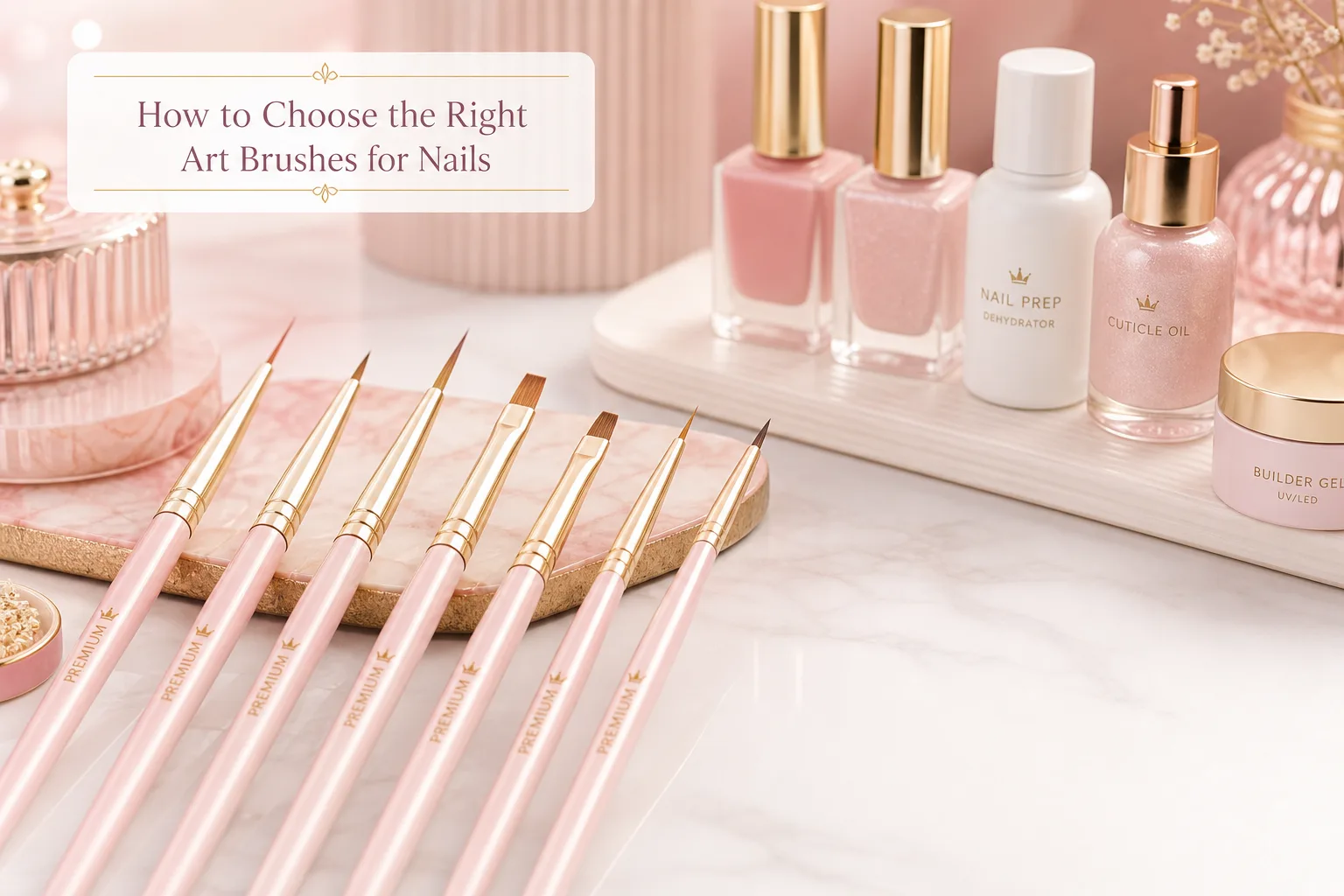
Selecting appropriate art brushes for nails requires more than picking an attractive set from a display shelf. Professionals should evaluate bristle stiffness, tip precision, and compatibility with the products they regularly use, such as gel polish, acrylic paint, or watercolor-based nail art mediums.
Matching Brushes to Techniques
Different nail art styles demand different tools. A technician specializing in 3D floral designs will rely more heavily on fine detail brushes, while someone focused on abstract or marble effects may prioritize flat and fan brushes for smooth blending.
Testing Before Bulk Purchase
Before investing in large brush sets, it’s wise to test a few individual pieces to assess bristle retention, comfort, and how well they perform with specific gel or lacquer formulas. This prevents costly mistakes when purchasing in bulk for a busy salon environment.
Proper Care and Maintenance of Nail Art Brushes
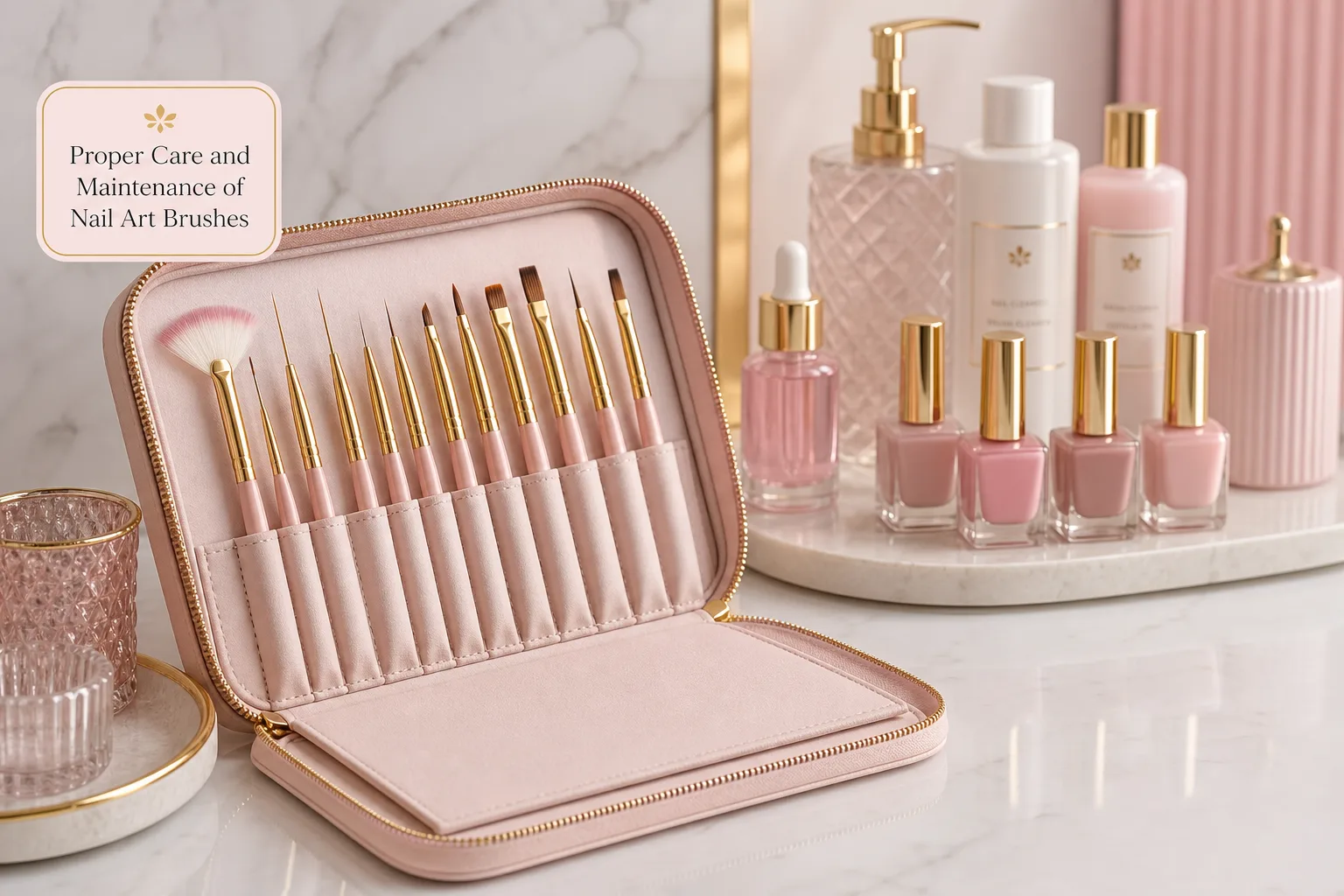
Even premium brushes lose effectiveness quickly without proper maintenance. Cleaning immediately after each use prevents dried polish or gel from stiffening the bristles, which can permanently distort brush shape and reduce precision over time.
Cleaning Techniques
Using brush cleansers specifically formulated for gel or acrylic products helps dissolve residue without damaging bristle integrity. Avoid harsh acetone soaking for natural bristle brushes, as it can cause premature fraying.
Storage Best Practices
Storing brushes horizontally or in protective cases helps maintain bristle shape and prevents bending. Many professional studios also rotate brush sets to extend the lifespan of frequently used tools, ensuring consistent performance during busy appointment schedules.
A Practical Salon Use Case
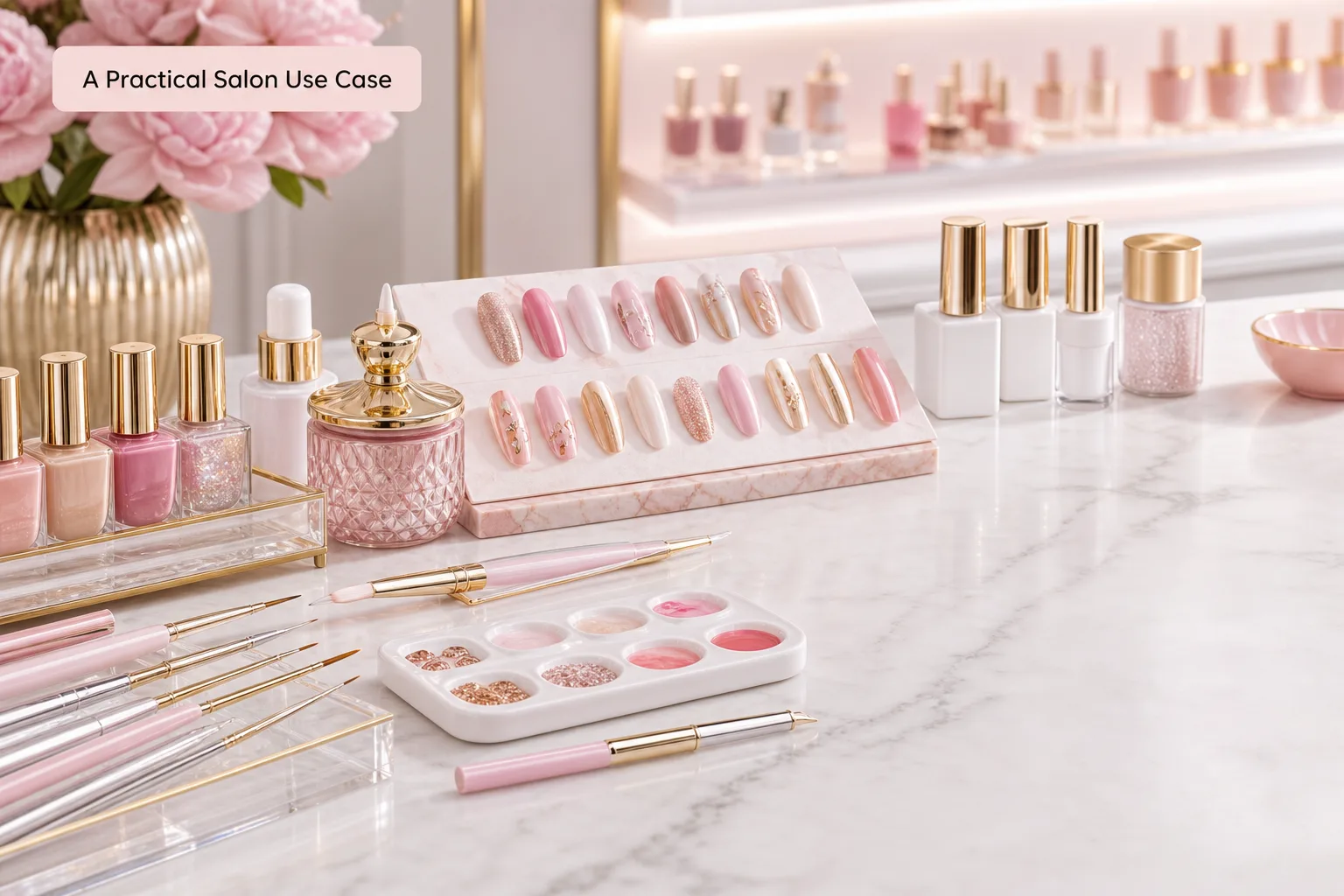
Consider a mid-sized nail studio that recently expanded its service menu to include custom nail art packages. Initially, technicians relied on a single all-purpose brush set, which led to inconsistent line quality and longer service times. After investing in a curated collection of art brushes for nails, including dedicated liner, shader, and detail brushes, the studio noticed a measurable improvement in both design precision and client turnaround speed.
Technicians reported reduced hand fatigue due to better handle ergonomics, while clients praised the sharper, more professional-looking designs. The salon eventually organized brushes by technique category, streamlining workflow and minimizing setup time between appointments — a small operational change that significantly boosted overall service efficiency.
Common Mistakes When Using Nail Art Brushes
Even experienced technicians can fall into habits that shorten brush lifespan or compromise design quality. Recognizing these pitfalls early helps maintain consistent professional standards.
Using the Wrong Brush for the Job
Attempting to create fine detail work with a broad shader brush, or vice versa, often results in uneven strokes and wasted product. Matching brush type to technique is fundamental to achieving clean, professional nail art.
Neglecting Regular Bristle Inspection
Frayed or bent bristles compromise stroke accuracy. Regularly inspecting brushes for wear ensures technicians can replace tools before quality issues affect client satisfaction.
Overloading Brushes with Product
Excess paint or gel on a brush tip often leads to smudging or uneven application. Learning proper product loading techniques is essential for maintaining crisp, controlled nail art lines.
Choosing a Reliable Supplier for Professional Nail Tools
Sourcing high-quality art brushes for nails from a trustworthy supplier is just as important as technique itself. Inconsistent bristle quality or poorly constructed handles can undermine even the most skilled technician’s work. Reputable suppliers like JKIOCEAN offer professional-grade nail tools designed with durability, precision, and ergonomic comfort in mind, making them a dependable choice for salons aiming to maintain consistent service quality.
When evaluating suppliers, consider factors such as bristle material sourcing, manufacturing consistency, and customer support for bulk salon orders. Partnering with a dependable brand also simplifies restocking processes, allowing studios to maintain a steady inventory of essential nail art tools without frequent quality fluctuations.
Conclusion
Mastering the use of art brushes for nails is a foundational skill that directly impacts the quality, efficiency, and creativity of professional nail services. From selecting the right bristle type to maintaining proper brush care routines, every detail contributes to consistently polished, salon-worthy results. By investing in quality tools and sourcing from reliable suppliers, nail professionals can elevate their craft, satisfy client expectations, and stay competitive in an increasingly detail-driven industry.