
 3D Gel
 Accessories
 Acrylic Brushes
 Art Brushes
 Clippers
 Design
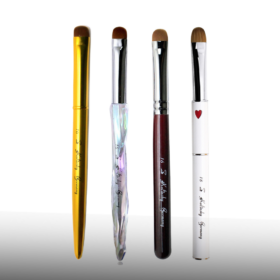 French Brushes
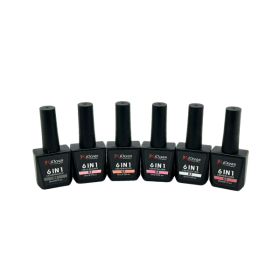 Builder Gel
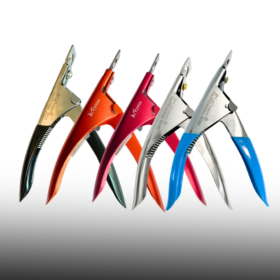 Nail Tip Cutter
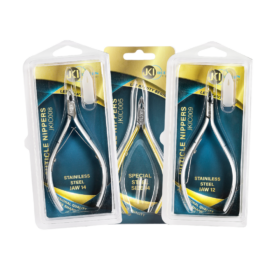 Nippers
 Pusher
 Scissors
 Tweezers
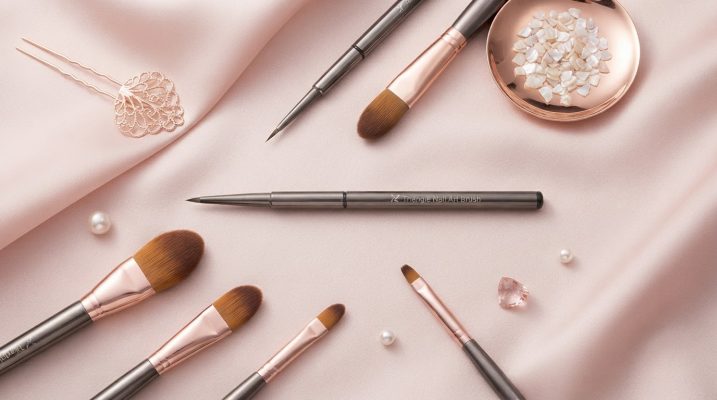
Sep
Blogs
Best Brushes for Acrylic Nails
Selecting the best brushes for acrylic nails is paramount for achieving professional, durable, and aesthetically pleasing results. These specialized tools are not interchangeable with brushes used for other mediums like watercolor or oil painting. The unique consistency and application method of acrylic nail products demand specific brush characteristics. High-quality brushes ensure smooth product flow, precise placement, and optimal shaping, directly impacting the final look and longevity of the manicure. For anyone serious about creating beautiful acrylic nails, understanding the nuances of brush selection is the first step to mastering the craft.
What Are the Essential Brushes for Acrylic Nails?
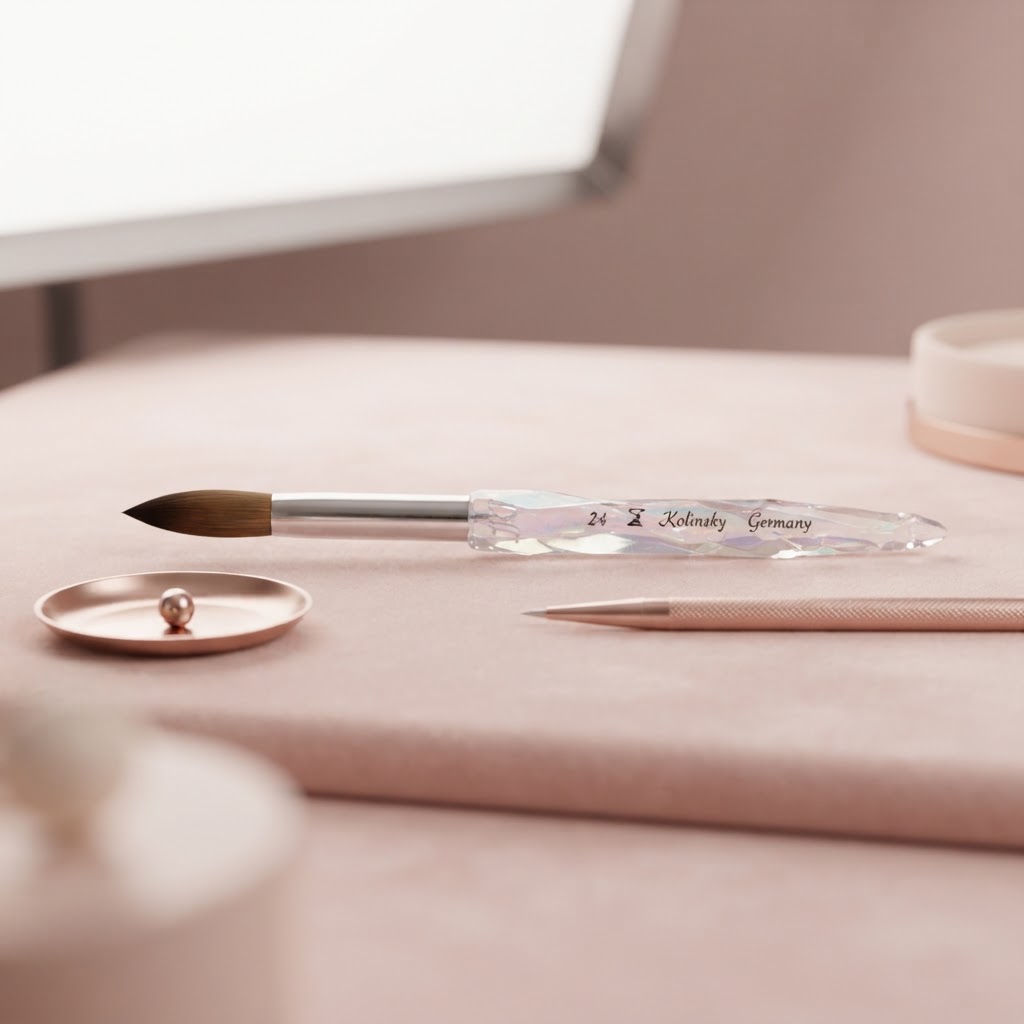
The primary brush essential for acrylic nail application is the “oval” or “mound” shaped brush, often referred to as a “liquid and powder” brush. This brush is designed to pick up and manipulate the acrylic bead effectively. Its shape allows for control and precision, whether you are building the apex of the nail, creating extensions, or applying color. Beyond this core brush, other types can be beneficial for specific acrylic techniques. A smaller, finer-tipped brush can be useful for intricate details, 3D nail art, and refining the cuticle area. Some artists also use flatter, wider brushes for specific sculpting techniques or for applying larger amounts of product evenly. The key is having a tool that allows you to precisely control the acrylic monomer and polymer mixture, ensuring a seamless blend and a smooth surface.
Understanding Brush Bristle Materials for Acrylics
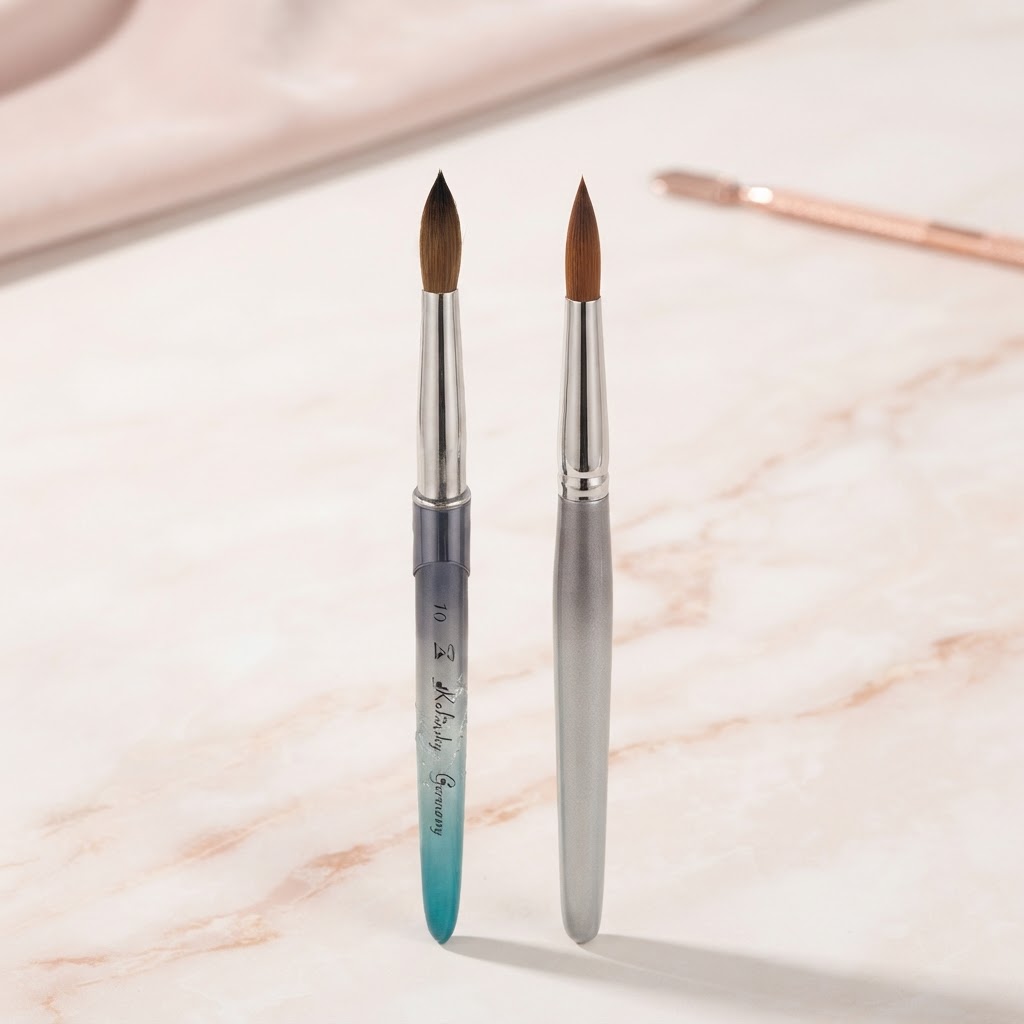
The material of the bristles is a critical factor in how a brush performs with acrylics. Historically, natural animal hair, particularly Kolinsky sable, has been the gold standard due to its exceptional ability to hold liquid monomer and create a perfectly shaped bead. The fine, flexible tips of Kolinsky sable hair naturally form a sharp point when wet, which is crucial for precise acrylic application. However, advancements in synthetic materials have led to high-quality synthetic brushes that offer excellent performance and are often a more budget-friendly and ethical alternative. Synthetic bristles can be engineered to mimic the properties of natural hair, offering good liquid retention and snap. When choosing, consider that natural bristles generally offer superior control and product pickup, while high-quality synthetics can be very durable and easier to clean. The choice often comes down to personal preference, budget, and the specific demands of the acrylic technique being performed.
Key Brush Shapes and Their Functions in Acrylic Application
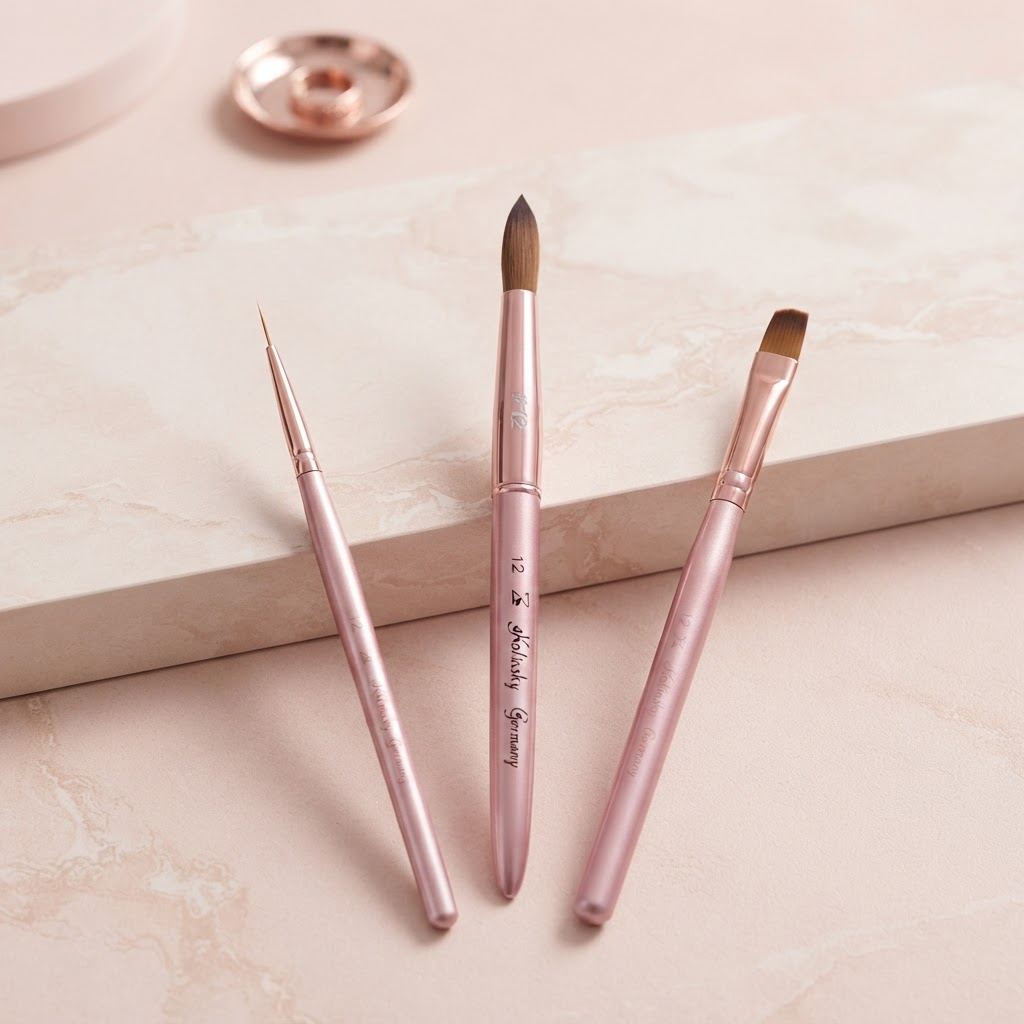
The shape of the brush head significantly dictates its function in acrylic nail sculpting. The most common and arguably most important shape is the oval or round-tipped brush. This shape is ideal for picking up a cohesive bead of acrylic product. Its rounded form allows for smooth application and blending, making it perfect for building the structure of the nail, including the free edge and the cuticle area. A slightly flatter or “paddle” shape can be useful for spreading larger amounts of acrylic evenly or for creating flatter surfaces. For detailed work, such as fine line art or applying small embellishments, a brush with a very fine point or a liner brush shape is indispensable. The ability to create a sharp, controlled tip is paramount for intricate designs. Understanding these shapes allows you to select the right tool for each stage of the acrylic application process, from foundational sculpting to delicate detailing.
Choosing the Right Size Brush for Your Acrylic Technique
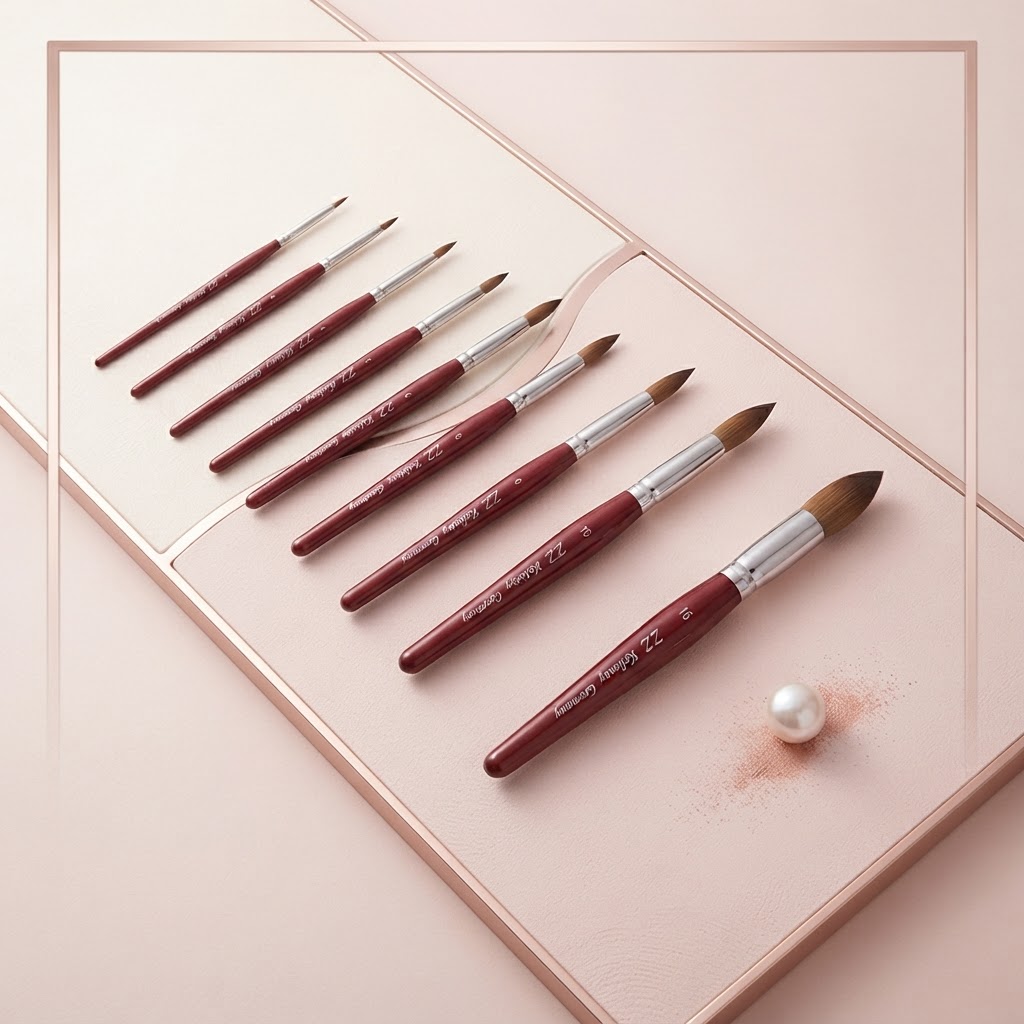
Brush size, typically measured by width at the ferrule or by a numerical designation, plays a crucial role in acrylic nail application. The size you choose should correspond to the size of the nail you are working on and the technique you are employing. For smaller nail enhancements or detailed work on natural nails, a smaller brush, perhaps a size 6 or 8, offers better control and precision. For larger nail extensions, sculpting forms, or full cover tips, a larger brush, such as a size 10, 12, or even 14, is more efficient. A larger brush can pick up more product, allowing you to place and shape the acrylic bead more quickly, reducing application time and the risk of introducing too much monomer, which can weaken the acrylic. Conversely, a brush that is too large for a small nail can lead to an uneven and bulky application.
Kolinsky Sable vs. Synthetic: A Deep Dive for Acrylic Artists
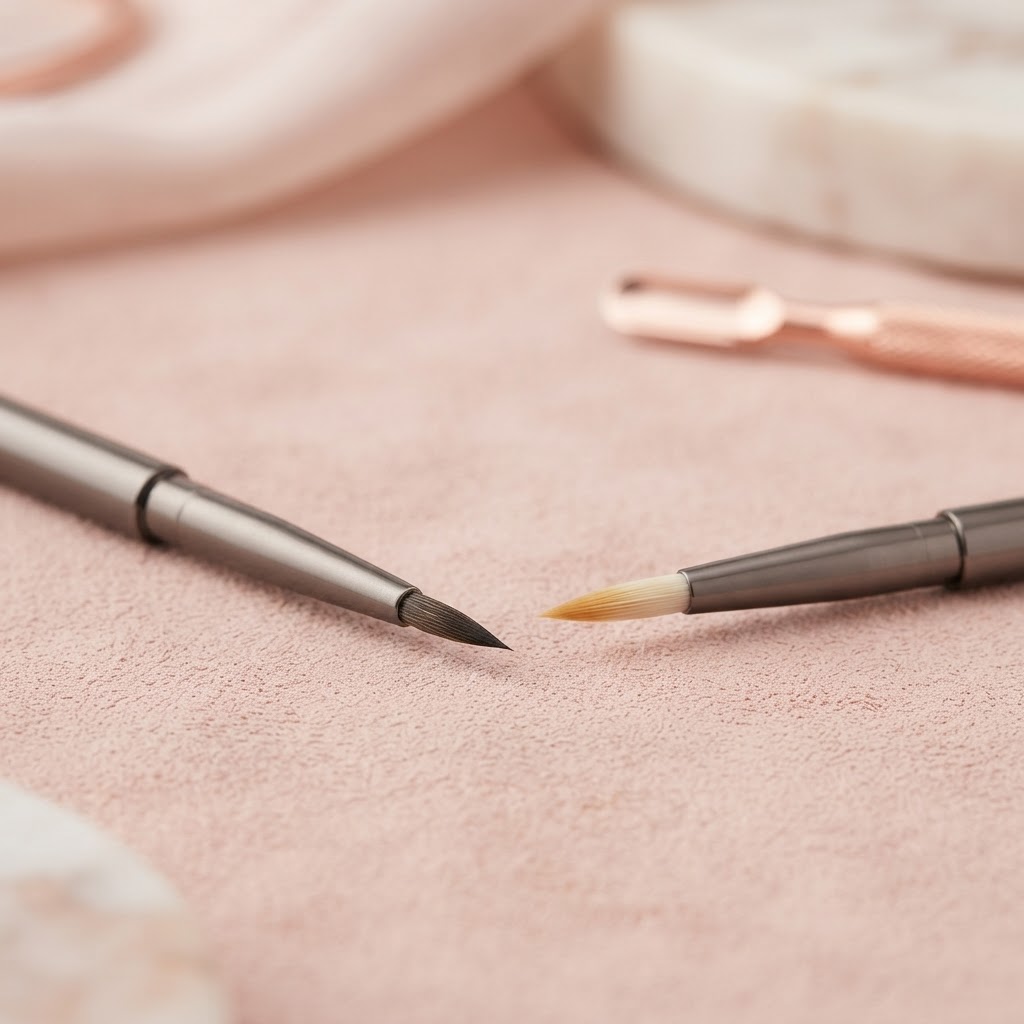
The debate between Kolinsky sable and synthetic brushes for acrylic nails is a long-standing one. Kolinsky sable, derived from the tail hair of the Siberian squirrel, is prized for its unparalleled ability to absorb and hold liquid monomer. This absorption quality allows for the creation of a perfectly formed, cohesive bead of acrylic product that is neither too wet nor too dry. The fine, tapered tips of Kolinsky sable hair also maintain a sharp point, which is essential for precise application and sculpting. High-quality synthetic brushes have made significant strides, however. Modern synthetic bristles are designed to offer excellent resilience, good liquid retention, and a firm snap, meaning they spring back into shape after bending. They are often more durable, easier to clean, and less prone to splaying. While Kolinsky sable may offer a slight edge in product control and a superior feel for some seasoned artists, premium synthetics are an excellent choice for beginners and professionals alike, offering consistent performance and value. The key is to find a brush that feels comfortable in your hand and allows for the control you need.
Here’s a comparison to help illustrate the differences:
| Feature | Kolinsky Sable | High-Quality Synthetic |
|---|---|---|
| Liquid Retention | Excellent | Good to Very Good |
| Tip Shape Retention | Superior | Good |
| Durability | Moderate | High |
| Price | Higher | Moderate |
| Ethical Considerations | Animal product | Vegan-friendly option |
| Ease of Cleaning | Requires careful cleaning | Generally easier to clean |
Caring for Your Acrylic Nail Brushes to Ensure Longevity
Proper care is essential for extending the life and maintaining the performance of your acrylic nail brushes. After each use, it is crucial to thoroughly clean the brush to remove any residual acrylic product. Use a dedicated brush cleaner or acetone for this purpose. Gently wipe the bristles on a lint-free towel after cleaning to remove excess cleaner and reshape the brush. Never allow acrylic to harden on the bristles, as this can permanently damage the brush. Store your brushes upright in a holder or laid flat in a clean, dry environment, away from direct sunlight and heat. Avoid storing them with the bristles pressed down, as this can cause them to splay. Regular cleaning and proper storage will ensure your brushes remain in optimal condition for precise and effective acrylic application.
Making the Right Choice: Actionable Summary for Brush Selection
Selecting the right brushes for acrylic nails is a foundational step for success in nail artistry. Prioritize brushes with bristles that can hold and manipulate acrylic product effectively, whether natural Kolinsky sable or high-quality synthetic. The classic oval or round-tipped brush is indispensable for basic application and sculpting. Consider smaller, finer-tipped brushes for detailed work and larger ones for efficient coverage on bigger enhancements. For beginners, investing in a good quality synthetic brush is often a practical and cost-effective starting point. For experienced artists, the choice may lean towards the premium feel and control of Kolinsky sable. Always ensure your brushes are cleaned thoroughly after each use and stored properly to maintain their shape and performance. By understanding these elements, you can confidently select the brushes that will best serve your acrylic nail creations, leading to more beautiful and durable results.