
 3D Gel
 Accessories
 Acrylic Brushes
 Art Brushes
 Clippers
 Design
 French Brushes
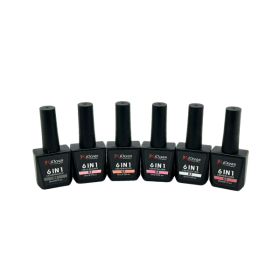 Builder Gel
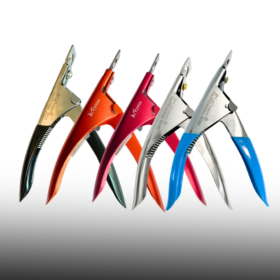 Nail Tip Cutter
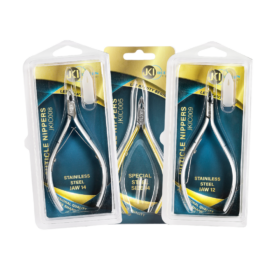 Nippers
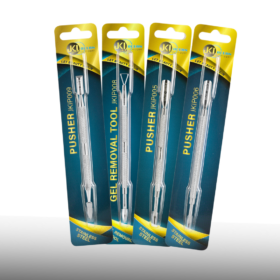 Pusher
 Scissors
 Tweezers
Aug
Blogs
Nail Brushes for Cleaning: The Professional’s Guide to Sanitary, Salon-Ready Tools
In every professional nail salon, hygiene is not just a courtesy — it is a legal and ethical obligation. Among the many tools that quietly support this standard, nail brushes for cleaning play a surprisingly critical role. These small, often overlooked instruments are responsible for removing acrylic dust, gel residue, and bacteria from files, drill bits, and metal implements before they are sanitized or sterilized. Without effective cleaning brushes, even the most advanced disinfection systems can fail to reach hidden debris trapped in grooves and bristle-sensitive tools. This guide explores everything technicians and salon owners need to know about selecting, using, and maintaining these essential accessories.
Why Nail Brushes for Cleaning Matter in Professional Salons
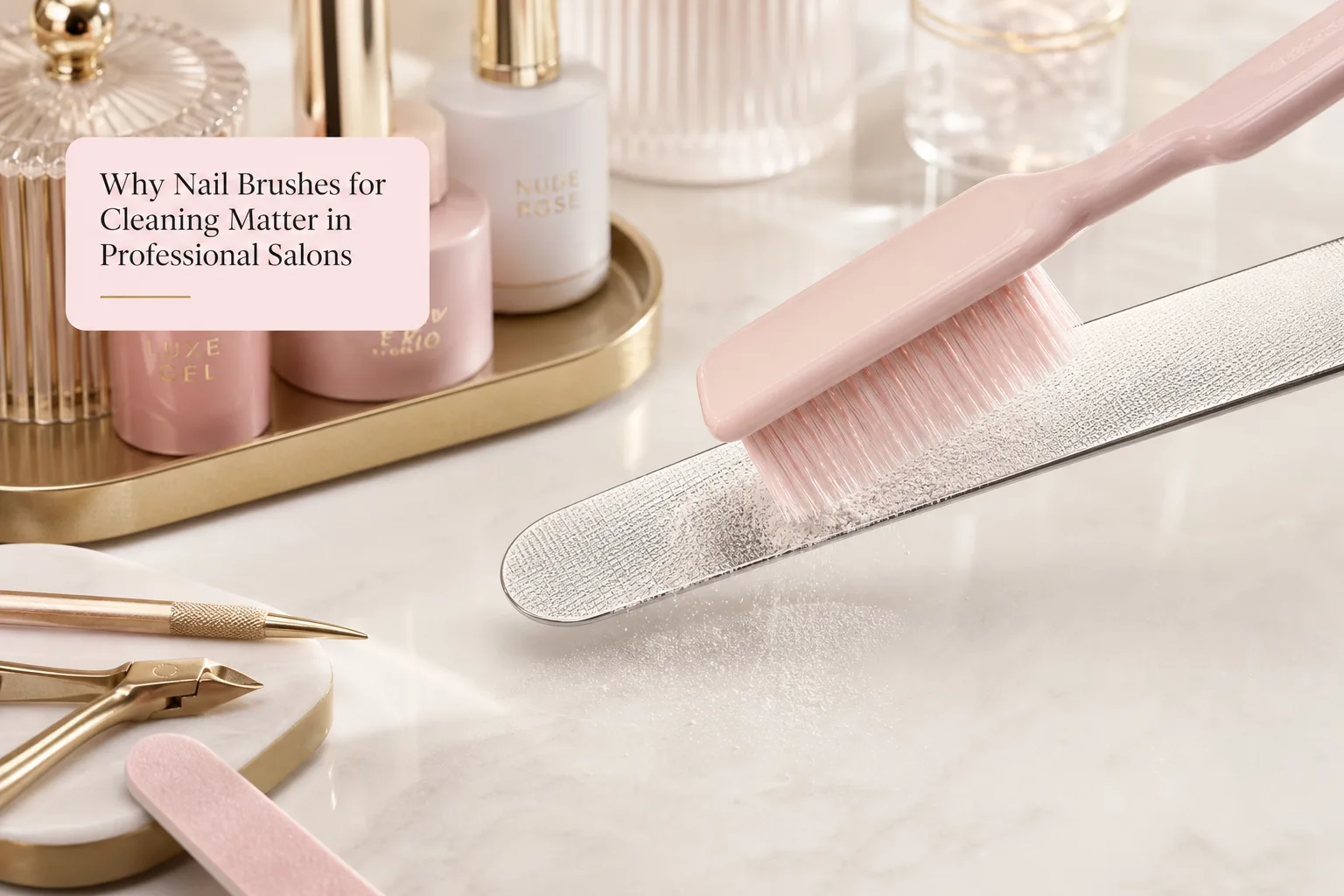
Every manicure and pedicure tool comes into direct contact with skin, cuticles, and sometimes microtraumas on the nail bed. This makes proper sanitation non-negotiable. Nail brushes for cleaning are specifically designed to dislodge fine particles — acrylic powder, gel dust, and skin debris — that accumulate in file grooves, drill bit threads, and cuticle pusher edges. If left uncleaned, this residue can harbor bacteria and fungal spores, increasing the risk of infection transmission between clients.
Beyond hygiene compliance, clean tools also perform better. A file clogged with old product loses its abrasive efficiency, forcing technicians to apply more pressure, which can damage the natural nail plate. Similarly, drill bits coated in residue generate more heat and vibration, reducing precision during intricate nail art or cuticle work. Investing in quality cleaning brushes therefore protects both client safety and service quality.
Types of Nail Brushes for Cleaning Tools
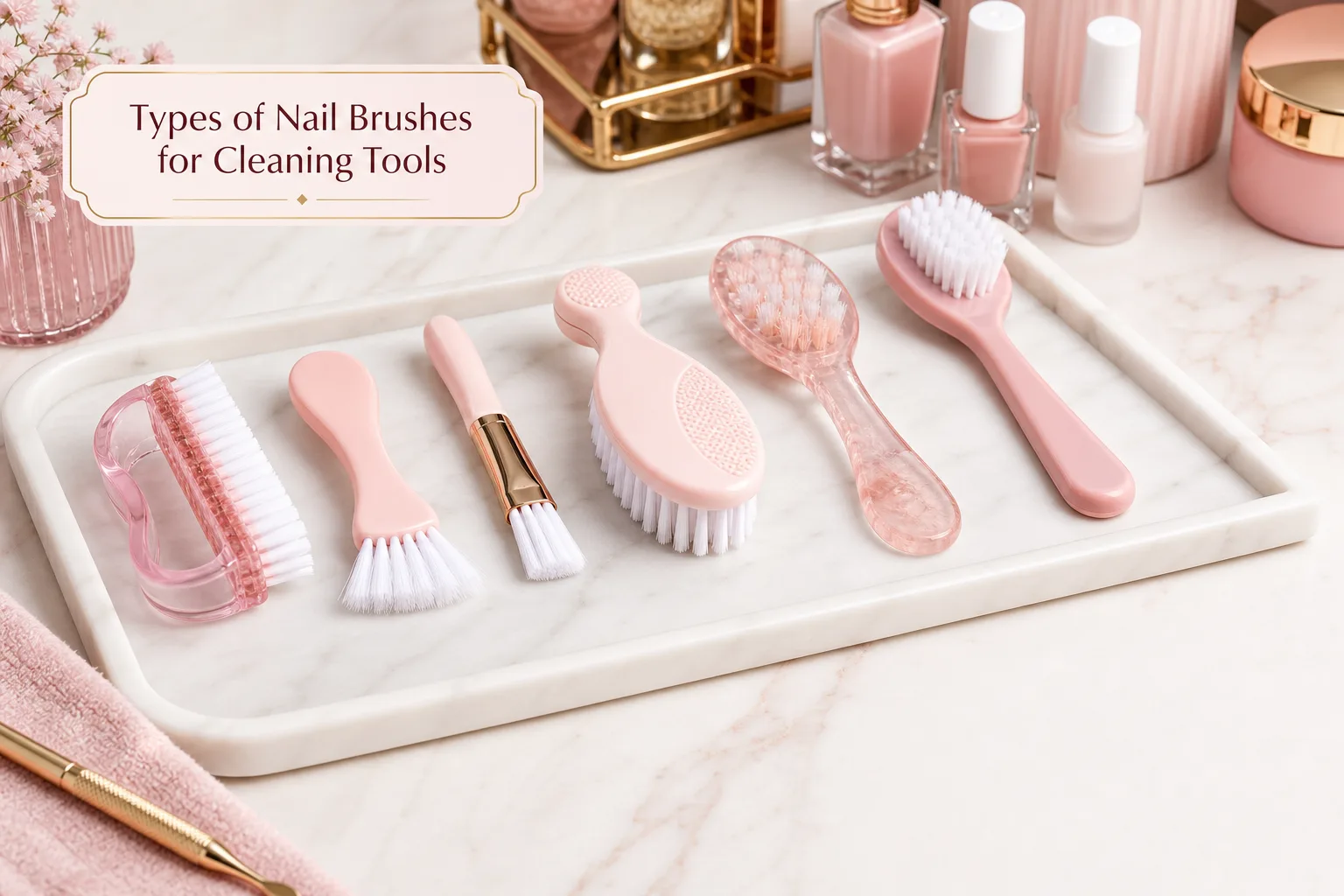
Not all brushes are created equal, and different salon tools require different bristle types, brush shapes, and handle designs. Understanding these variations helps technicians choose the most effective option for each task.
Fine Bristle Brushes for Delicate Tools
Fine, soft-bristle brushes are ideal for cleaning delicate implements such as cuticle pushers, pointed scissors, and thin metal probes. Their gentle bristles remove dust without scratching polished metal surfaces, preserving the tool’s finish and extending its usable lifespan.
Stiff Bristle Brushes for Files and Drill Bits
Files, buffers, and electric drill bits accumulate dense layers of acrylic and gel dust that require firmer bristles to dislodge. Stiff nylon or wire-tipped brushes penetrate grooves and threads effectively, ensuring no residue remains before disinfection soaking or UV sterilization.
Double-Sided and Multi-Angle Designs
Many professional-grade brushes now feature double-sided heads — one side with soft bristles, the other with stiffer nylon fibers — allowing technicians to switch cleaning intensity without changing tools. Angled or curved handles also improve access to hard-to-reach areas on electric file bits and pedicure rasps.
How to Choose the Right Nail Brushes for Cleaning
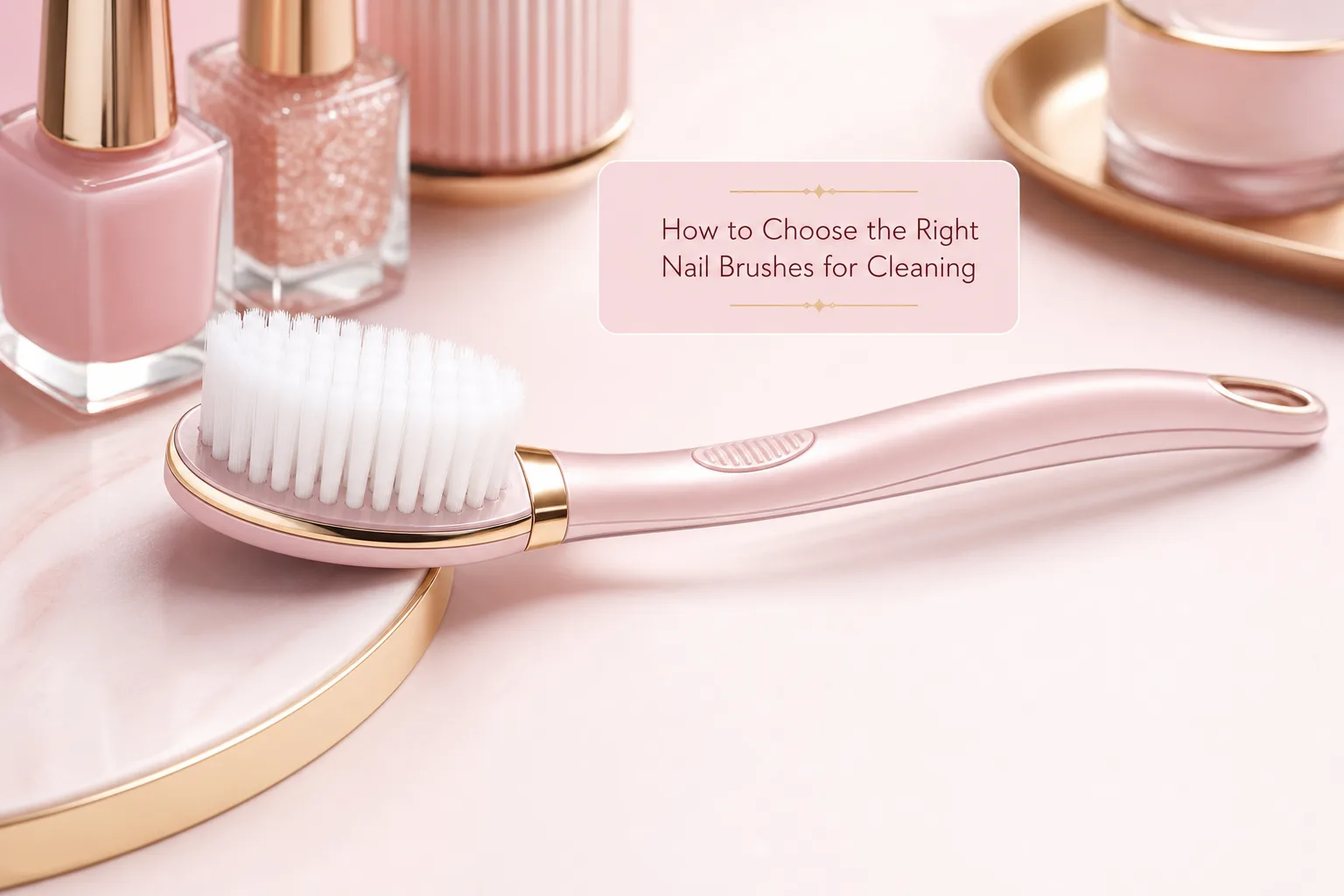
Selecting the correct cleaning brush depends on several practical factors that directly influence performance and durability in a busy salon environment.
Material and Bristle Durability
High-quality nylon bristles resist deformation even after repeated use and exposure to disinfectant solutions. Cheaper brushes with low-density bristles tend to flatten quickly, losing their cleaning effectiveness within weeks. Choosing nail brushes for cleaning made from medical-grade or salon-tested nylon ensures consistent performance over months of daily use.
Handle Ergonomics
Technicians spend hours each day performing repetitive motions, so handle comfort matters. Ergonomic, non-slip grips reduce hand fatigue during extended cleaning sessions between clients, especially in high-volume salons.
Compatibility with Disinfection Protocols
Some brushes are designed to withstand autoclave sterilization or prolonged immersion in EPA-registered disinfectants without degrading. Salons following strict infection-control standards should prioritize brushes explicitly rated for chemical and heat resistance.
Practical Salon Use Case
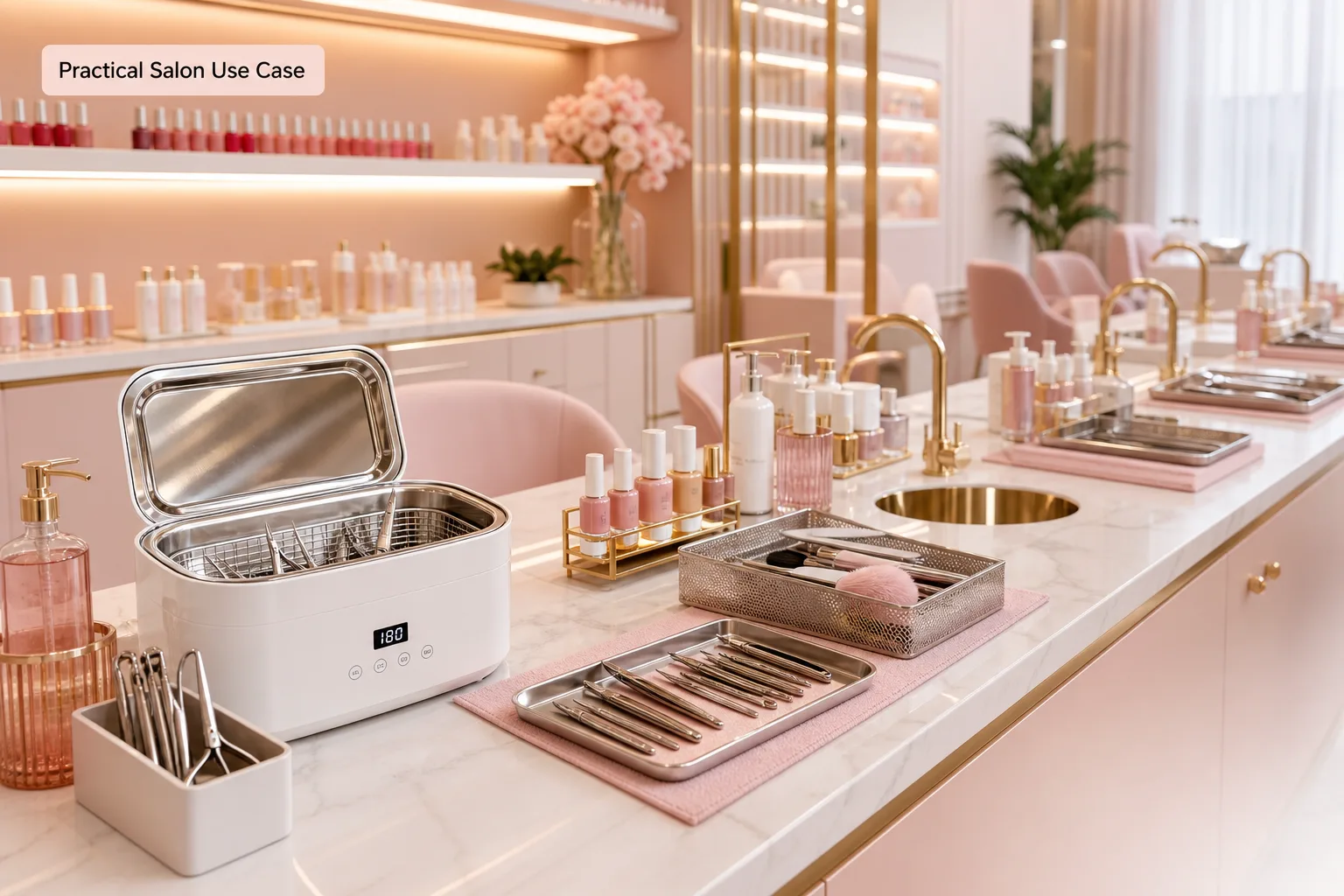
Consider a mid-sized nail salon handling 30–40 clients daily across four technician stations. Before implementing a structured cleaning protocol, staff used generic toothbrushes to clean files and drill bits, resulting in inconsistent hygiene outcomes and occasional client complaints about tool residue. After introducing dedicated double-sided nail brushes for cleaning at each station — one soft-bristle brush for delicate implements and one stiff-bristle brush for files and drill bits — the salon reported faster turnover between appointments and noticeably cleaner tools during routine health inspections.
The salon also established a simple workflow: immediately after each service, technicians brush off visible debris, then place tools in a designated disinfectant tray before final sterilization. This two-step process, supported by proper brushes, reduced average tool-cleaning time by nearly 40 percent while improving overall sanitation scores.
Common Mistakes When Using Nail Brushes for Cleaning
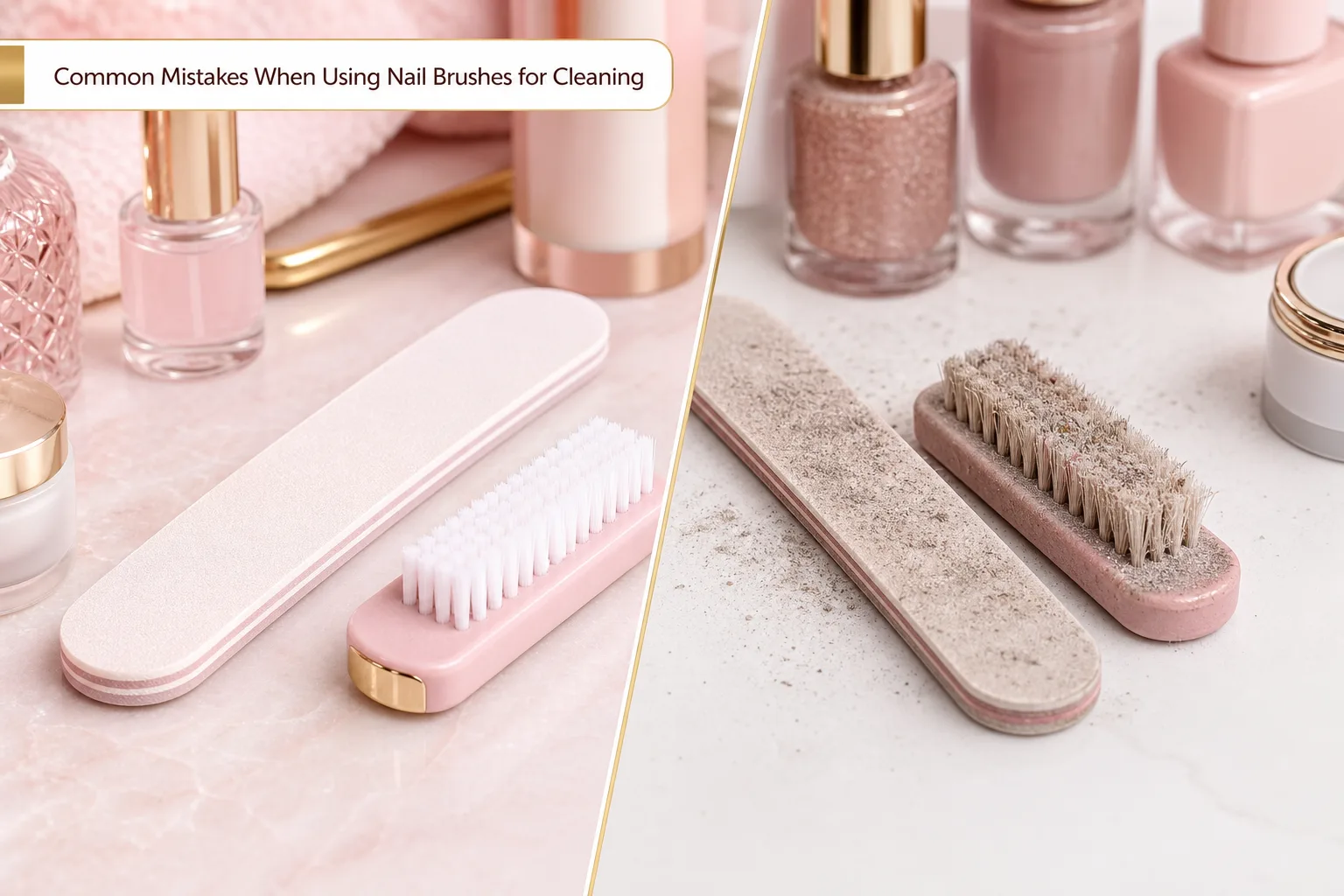
Even experienced technicians can undermine hygiene efforts through avoidable errors. Recognizing these mistakes helps salons maintain higher standards.
Using One Brush for All Tools
Sharing a single brush across files, drill bits, and delicate metal tools spreads debris and bacteria between implements. Dedicated brushes for different tool categories prevent cross-contamination and preserve bristle integrity.
Skipping Pre-Disinfection Cleaning
Disinfectant solutions are far less effective when tools still carry visible dust or debris. Brushing tools thoroughly before soaking ensures the chemical solution can properly reach and neutralize pathogens on the tool’s surface.
Neglecting Brush Maintenance
Cleaning brushes themselves require regular sanitation. Bristles that trap old product particles can recontaminate freshly cleaned tools. Rinsing brushes after each use and replacing them every few months prevents this hidden hygiene gap.
Choosing a Reliable Supplier for Salon-Grade Brushes
Sourcing durable, salon-appropriate cleaning tools from a trusted supplier significantly impacts long-term hygiene outcomes and operational costs. Reputable professional nail equipment providers such as JKIOCEAN offer curated selections of nail brushes for cleaning designed specifically for salon-grade durability, chemical resistance, and ergonomic comfort. Working with established suppliers also ensures consistent product quality across bulk orders, which matters for multi-station salons managing frequent tool turnover.
When evaluating suppliers, salon owners should look for transparent material specifications, positive reviews from other professional users, and clear guidance on sterilization compatibility. These details help avoid costly replacements caused by premature bristle wear or handle breakage under repeated disinfection cycles.
Conclusion
Hygiene in professional nail care is built on countless small decisions, and choosing the right nail brushes for cleaning is one of the most impactful yet underappreciated among them. From protecting client safety to extending the lifespan of expensive files and drill bits, these brushes deserve the same careful consideration as any other salon investment. By understanding bristle types, selecting durable materials, avoiding common maintenance mistakes, and sourcing from reliable suppliers, salons can build a cleaning workflow that supports both compliance and client trust for years to come.