
 3D Gel
 Accessories
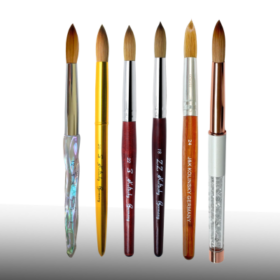 Acrylic Brushes
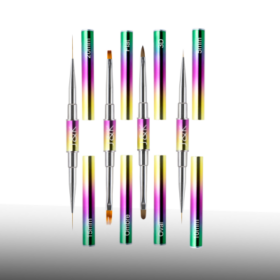 Art Brushes
 Clippers
 Design
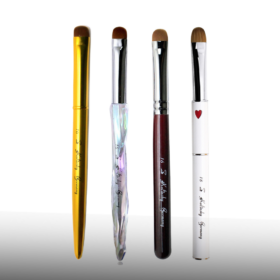 French Brushes
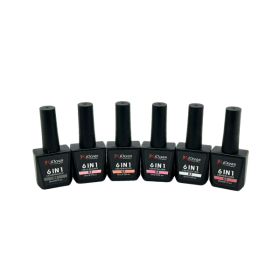 Builder Gel
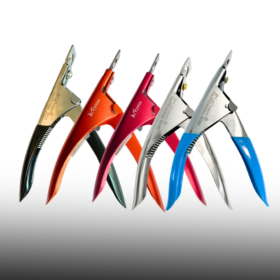 Nail Tip Cutter
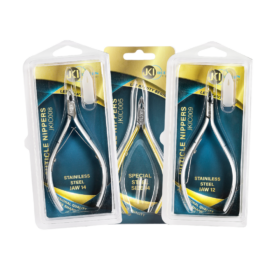 Nippers
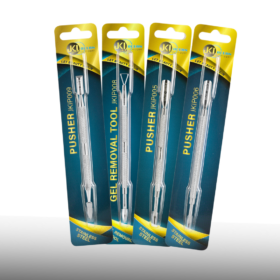 Pusher
 Scissors
 Tweezers
Aug
Blogs
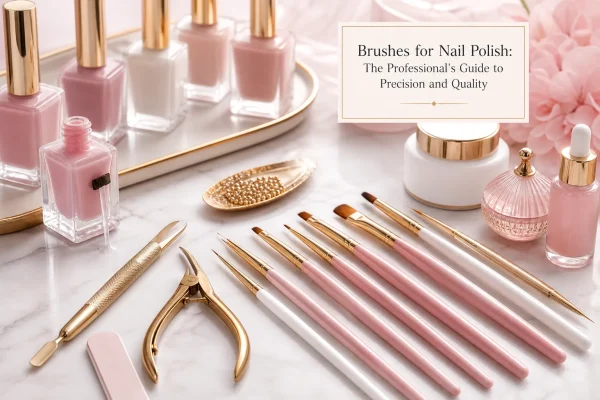
Brushes for Nail Polish: The Professional’s Guide to Precision and Quality
In the professional nail industry, few tools are as underestimated as brushes for nail polish. While polish formulas, gel systems, and nail art techniques often steal the spotlight, the brush itself determines how smoothly color glides onto the nail, how clean the edges look, and how long a manicure lasts before chipping. For salon owners, technicians, and nail artists, investing time in understanding brush quality, shape, and maintenance is just as important as choosing the right polish brand. This guide explores everything professionals need to know about selecting, using, and maintaining brushes for nail polish to elevate service quality and client satisfaction.
Understanding the Different Types of Brushes for Nail Polish
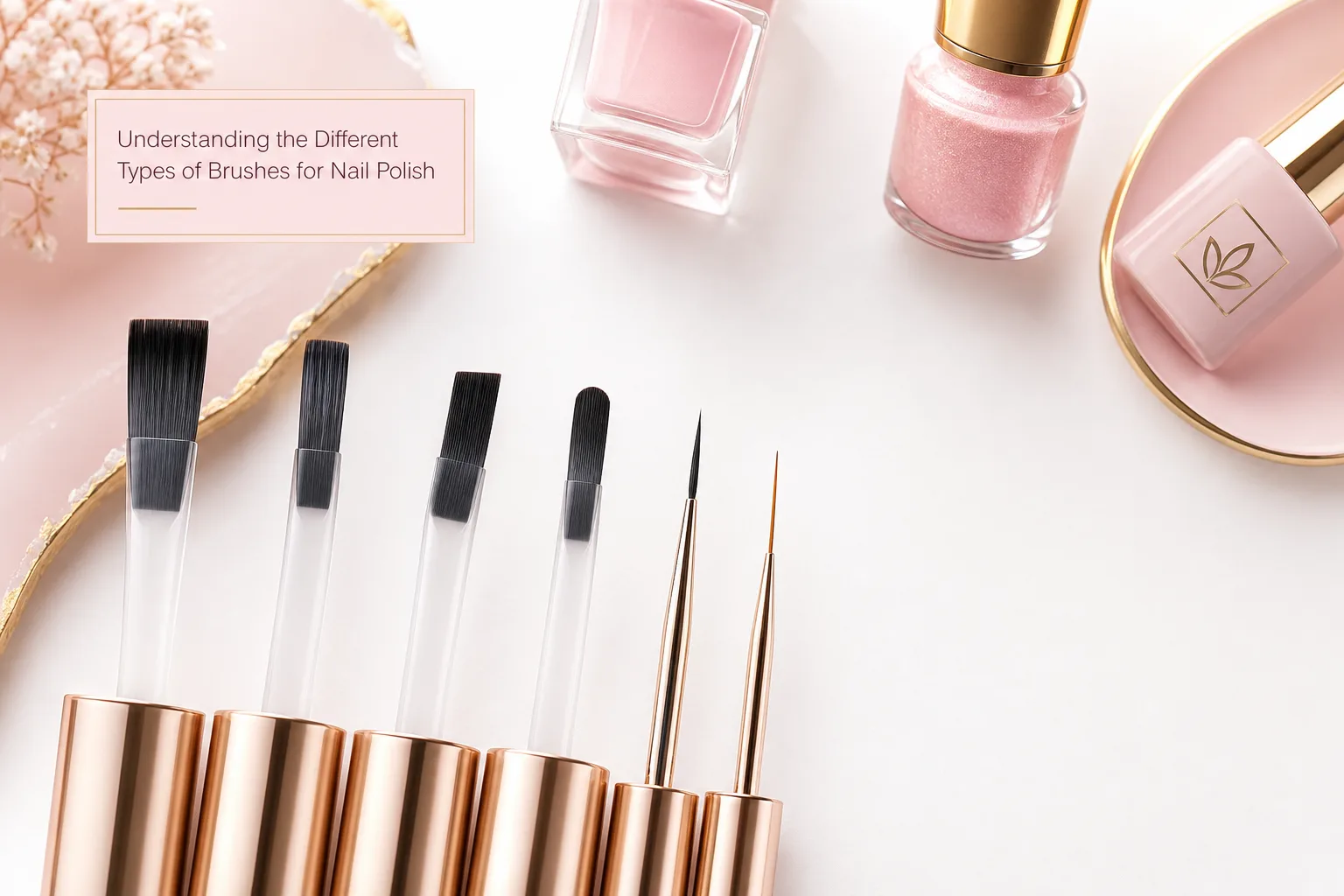
Not all nail brushes are created equal, and understanding the variety available is the first step toward better application results. Traditional polish bottles typically come with an attached brush, but professional technicians often use standalone tools for detail work, correction, and nail art. The shape, length, and flexibility of the bristles all influence how the product spreads and settles on the nail plate.
Flat Brushes
Flat brushes are the most common style found in polish bottles and professional kits. Their wide, straight-edged design allows for even coverage in fewer strokes, making them ideal for base coats, top coats, and standard color application. A well-designed flat brush should have enough flex to follow the natural curve of the nail without leaving streaks.
Detail and Liner Brushes
For intricate nail art, French tips, and fine line work, technicians rely on thin, tapered brushes. These allow precise control over small areas, such as cuticle lines or geometric patterns, without disturbing the surrounding polish.
Angled Brushes
Angled brushes are particularly useful for creating clean French manicure tips or ombré effects. The slanted bristle tip provides better control along curved edges, reducing the need for cleanup with acetone afterward.
Key Materials and Bristle Quality
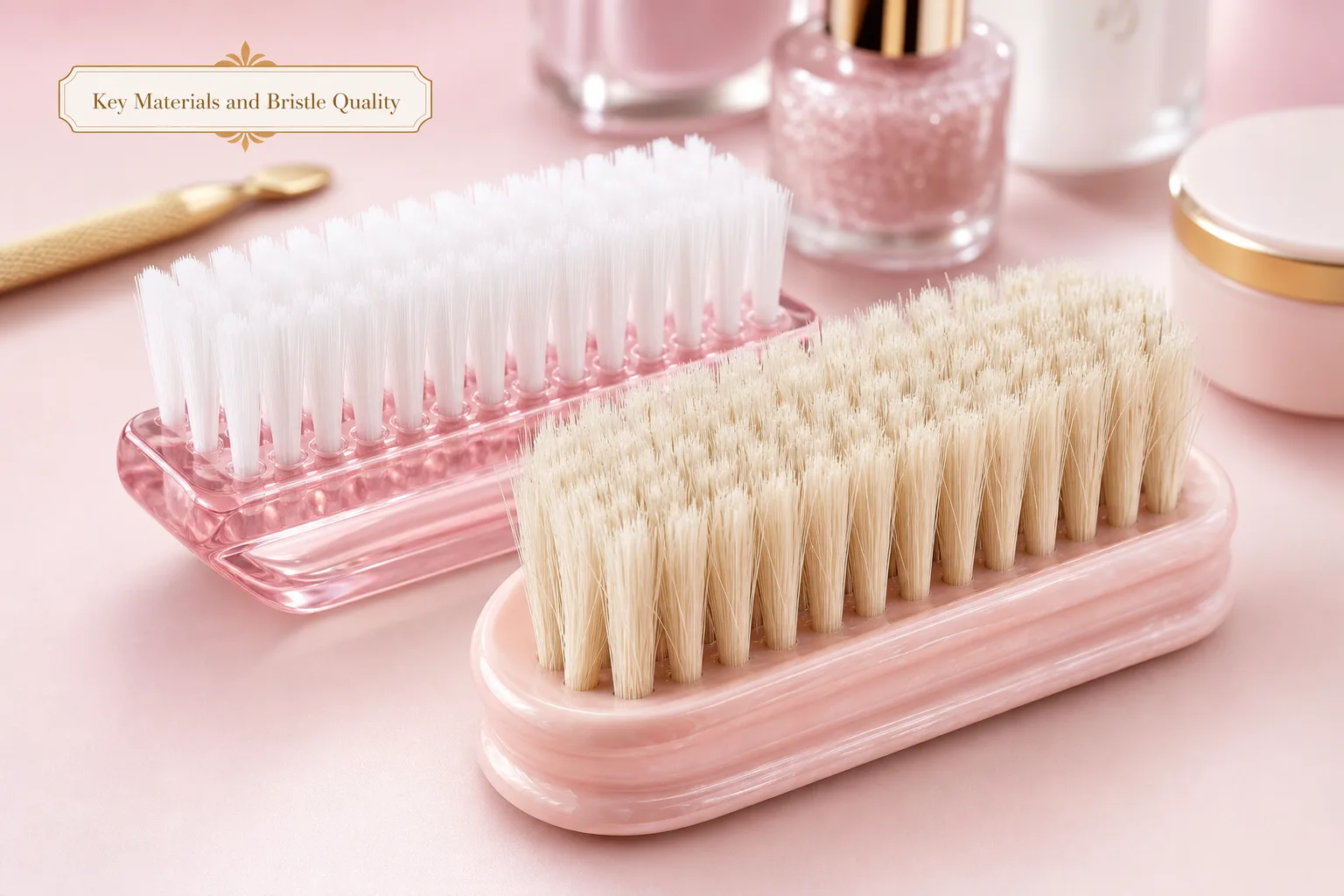
The material of a brush directly affects its performance, lifespan, and compatibility with different polish formulas. Professionals should evaluate bristle type carefully, since low-quality materials can shed fibers into the polish or lose shape after just a few uses.
Synthetic Nylon Bristles
Nylon bristles are widely used because they are durable, resistant to solvents, and maintain their shape well over repeated use. They work particularly well with gel polish and standard lacquer formulas, offering a balance between flexibility and control.
Natural Fiber Brushes
Some detail brushes use natural fibers, such as sable or kolinsky hair, prized for their fine tip and smooth glide. These are often reserved for nail art rather than everyday polish application, since natural fibers can be more delicate and require gentler handling.
Handle Design and Ergonomics
Beyond the bristles, handle design matters for technicians who perform dozens of manicures daily. A lightweight, non-slip handle reduces hand fatigue and allows for steadier strokes, which is especially important during long shifts.
How to Choose the Right Brushes for Nail Polish for Your Salon
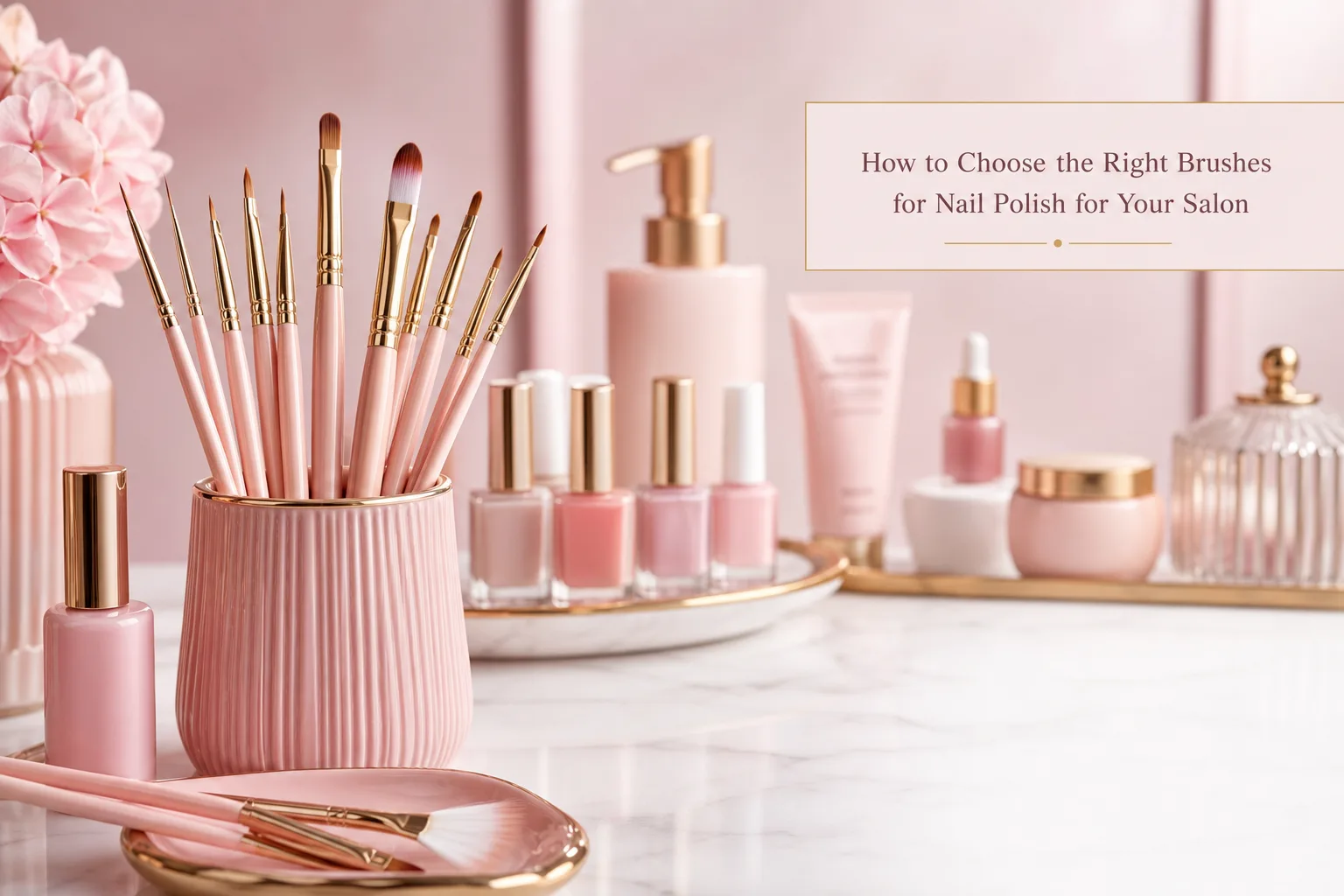
Selecting the right brushes for nail polish for a professional setting requires balancing cost, durability, and the specific services offered. A salon focused on classic manicures may prioritize different tools than one specializing in elaborate nail art.
Consider Service Type
Salons offering gel extensions, acrylic overlays, or intricate nail art should stock a broader range of brush shapes and sizes. General polish and pedicure services can often rely on a smaller, more standardized set.
Evaluate Bristle Density
Densely packed bristles hold more product and distribute it more evenly, reducing the number of strokes needed per nail. This not only speeds up service time but also minimizes the risk of streaking or uneven color patches.
Test for Flexibility and Snap-Back
A quality brush should flex under light pressure and return to its original shape immediately. Brushes that remain bent or splayed after use are a sign of poor manufacturing and should be replaced to maintain consistent application quality.
Salon Use Case: Upgrading Tools for Better Client Results
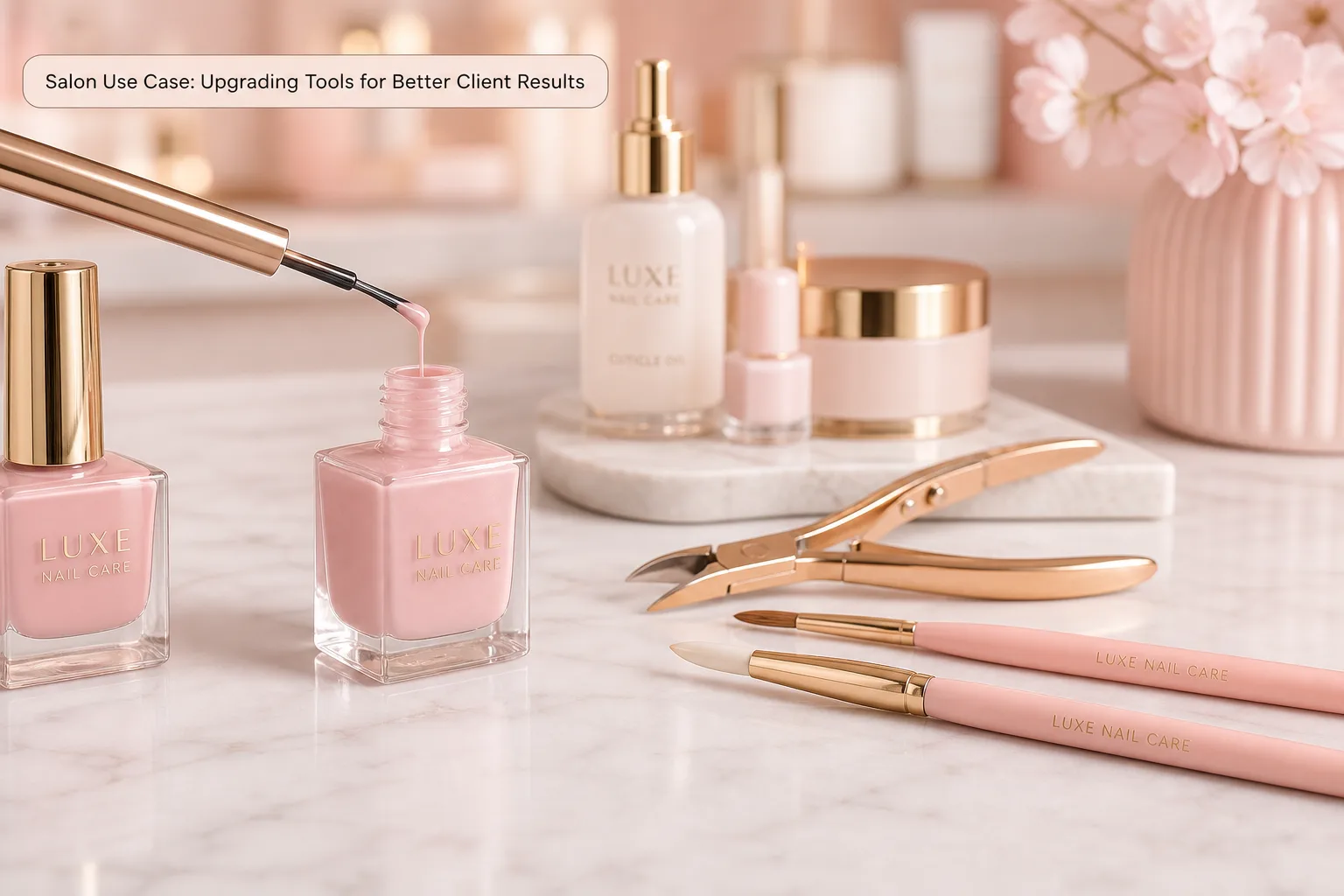
Consider a mid-sized salon that regularly received client complaints about polish looking uneven or chipping prematurely within days. After reviewing their process, the salon owner discovered that many of their brushes had become splayed and stiff from repeated exposure to acetone and improper cleaning. Technicians were compensating by applying extra coats, which led to thicker, slower-drying polish that chipped more easily.
The salon invested in a fresh set of professional-grade brushes with nylon bristles designed specifically for polish and gel application. Staff were also trained on proper cleaning techniques between clients. Within a few weeks, technicians reported faster application times, smoother finishes, and fewer client complaints about chipping. This case illustrates how something as simple as brush quality can directly influence both service efficiency and client retention.
Common Mistakes When Using or Maintaining Nail Polish Brushes
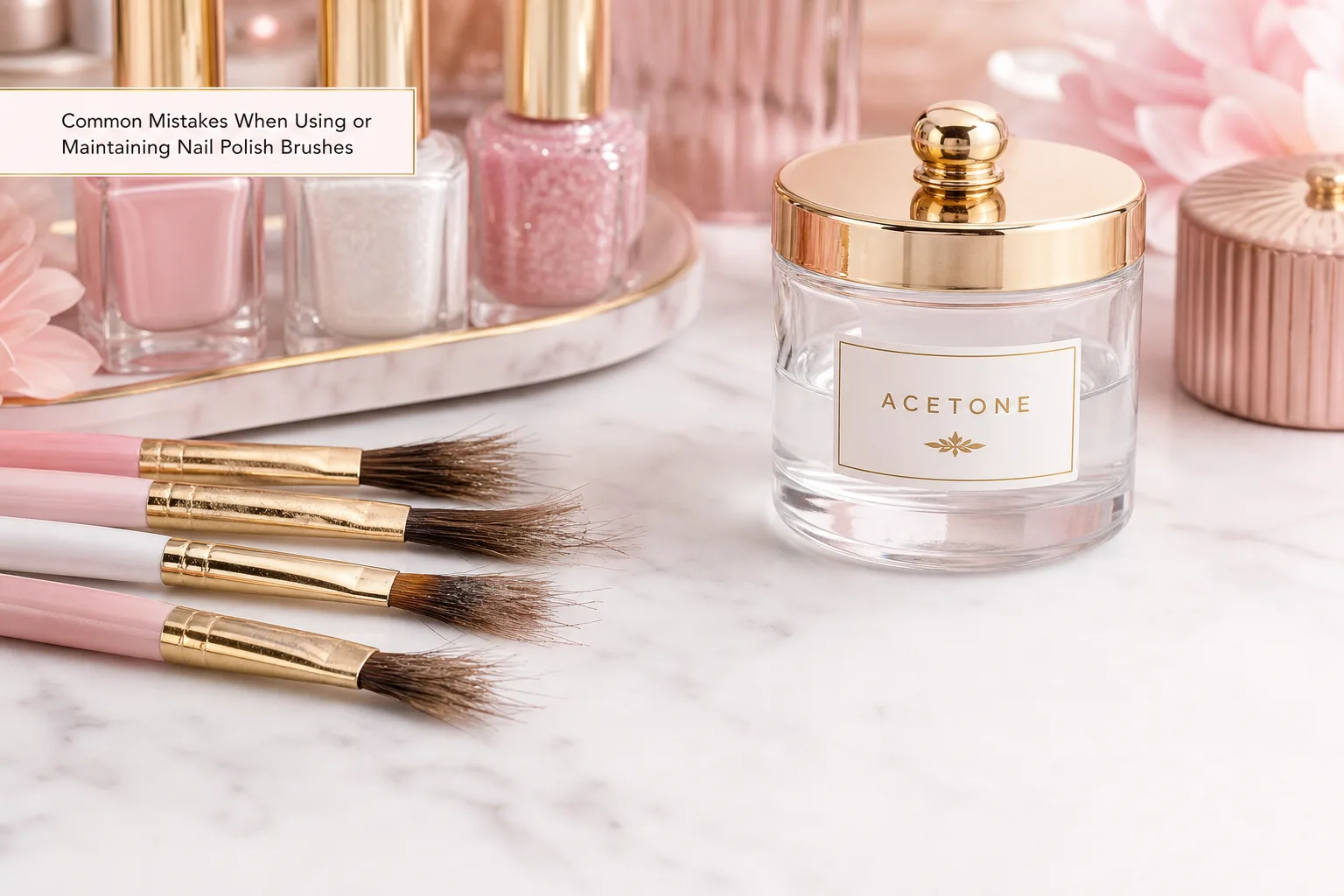
Even experienced technicians can fall into habits that shorten the lifespan of their tools or compromise application quality. Recognizing these mistakes helps salons maintain consistent, professional results.
Leaving Brushes Soaking in Acetone
While acetone is useful for cleaning polish residue, leaving brushes submerged for extended periods breaks down bristle adhesive and causes fibers to loosen or fall out. Brushes should be wiped with a lint-free cloth and only briefly dipped when necessary.
Using One Brush for Multiple Polish Types
Switching between gel, regular lacquer, and acrylic without proper cleaning can cause cross-contamination and affect curing or drying behavior. Dedicated brushes for each product type help maintain consistency and hygiene.
Ignoring Bristle Wear
Many technicians continue using brushes long after the bristles have lost their shape, assuming they can still be functional. Worn brushes for nail polish lead to streaky application, wasted product, and longer service times, ultimately affecting both efficiency and client satisfaction.
Improper Storage
Storing brushes upright with bristles pointing down can cause bending and residue buildup at the base. Flat storage in a clean, covered container helps preserve bristle shape and extends usable life.
Trusted Brands and Suppliers for Professional Nail Brushes
For salons seeking consistent quality, sourcing from reputable professional suppliers makes a measurable difference in daily performance. Established suppliers formulate their brushes with salon-grade materials designed to withstand frequent use, solvent exposure, and sterilization procedures. JKIOCEAN is one such supplier known for offering a wide range of professional nail tools, including precision brushes built for both classic polish application and detailed nail art work. Choosing suppliers with a strong industry reputation ensures salons receive tools that meet hygiene standards while supporting efficient, high-quality service delivery.
When evaluating suppliers, salons should look for consistent batch quality, clear product specifications, and responsive customer support for bulk or recurring orders. Building a reliable supply relationship reduces downtime caused by inconsistent tool quality and helps maintain a professional standard across all technicians.
Conclusion
Choosing the right brushes for nail polish is far more than a minor operational detail; it directly shapes the quality, speed, and durability of every manicure a salon delivers. From understanding bristle materials to recognizing common maintenance mistakes, professionals who invest attention into their brush selection consistently see better client outcomes and more efficient workflows. By partnering with trusted suppliers and training staff on proper care techniques, salons can ensure their tools continue to support, rather than hinder, the artistry and precision that define professional nail services.