
 3D Gel
 Accessories
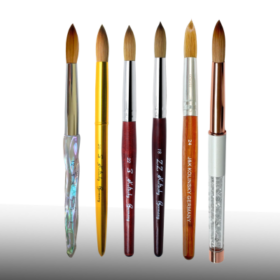 Acrylic Brushes
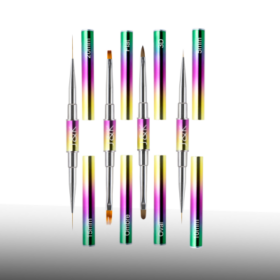 Art Brushes
 Clippers
 Design
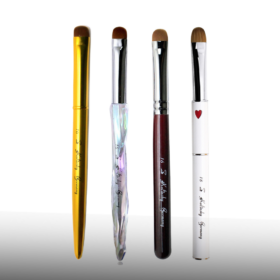 French Brushes
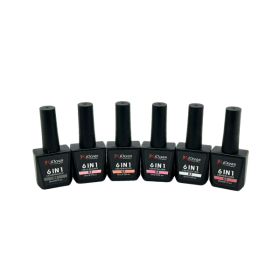 Builder Gel
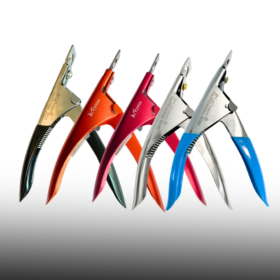 Nail Tip Cutter
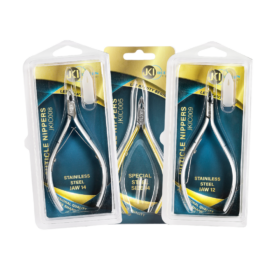 Nippers
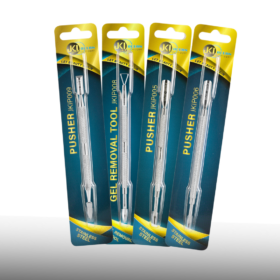 Pusher
 Scissors
 Tweezers
Aug
Blogs
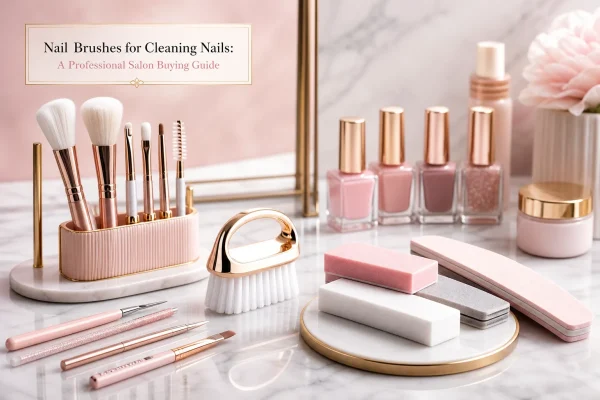
Nail Brushes for Cleaning Nails: A Professional Salon Buying Guide
In every professional nail studio, the small tools often make the biggest difference in the quality of the final result. Among these essential instruments, nail brushes for cleaning nails play a surprisingly critical role in achieving flawless manicures and pedicures. From removing acrylic dust to sweeping away cuticle debris before polish application, these brushes directly affect hygiene, precision, and the overall client experience. This guide explores everything nail technicians and salon owners need to know about selecting, using, and maintaining these tools to elevate service quality and meet professional sanitation standards.
Why Nail Brushes for Cleaning Nails Matter in Professional Salons
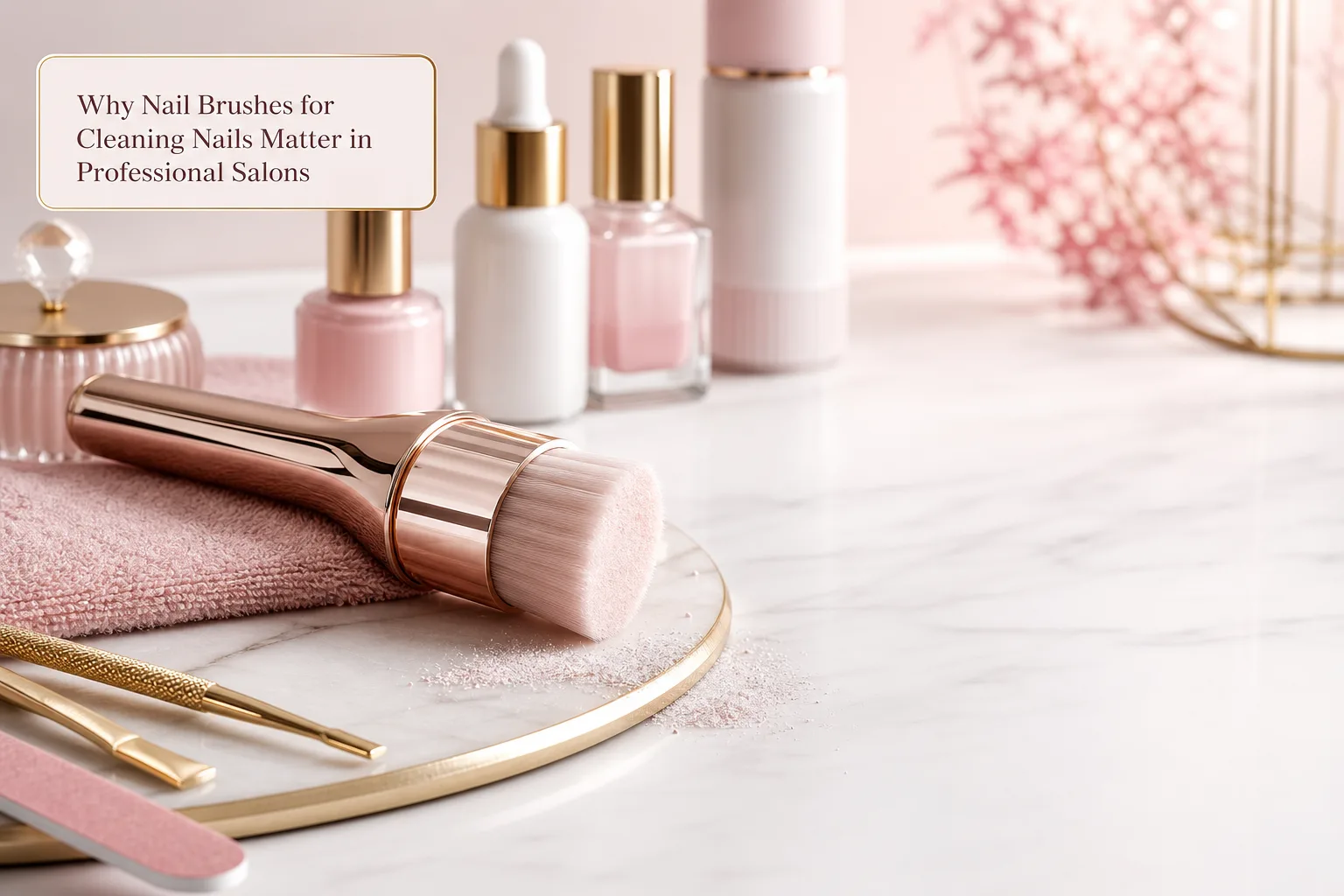
Cleanliness is the foundation of every successful nail service. Before any polish, gel, or acrylic application, the nail plate must be completely free of dust, oils, and residue. This is exactly where nail brushes for cleaning nails become indispensable. A technician who skips this step risks poor product adhesion, bubbling under gel layers, or premature chipping—issues that can lead to client dissatisfaction and costly redo appointments.
Beyond aesthetics, sanitation regulations in most regions require salons to maintain strict cleaning protocols between clients. Using a dedicated brush to remove particulate matter reduces the risk of cross-contamination and helps salons pass health inspections. In short, these small tools are not an optional accessory—they are a core component of professional-grade nail care.
Types of Nail Brushes for Cleaning Nails Used by Technicians
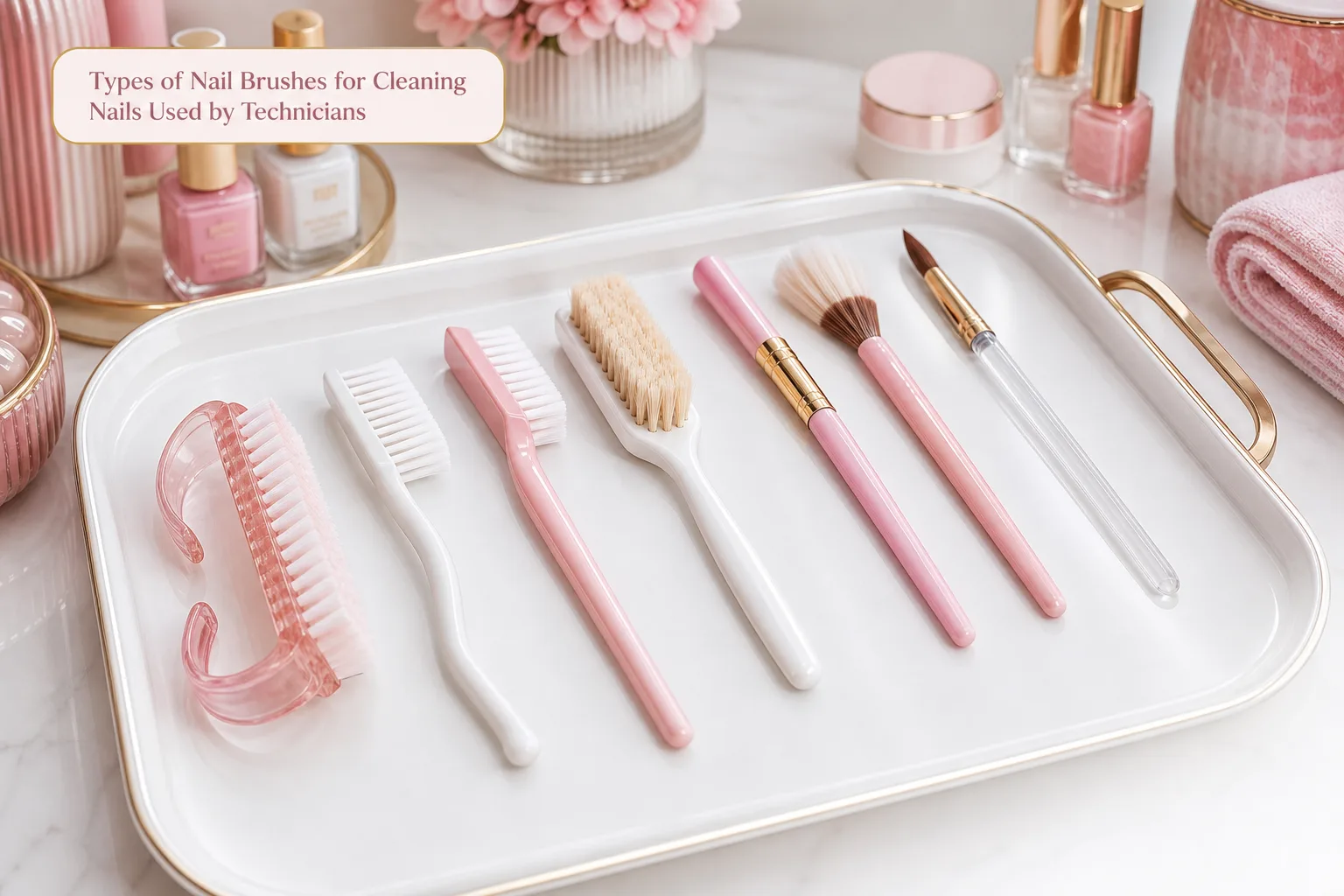
Not all cleaning brushes are created equal. Professional technicians typically choose from several categories depending on the service being performed and the material being removed. Understanding these differences helps salons build a more efficient and versatile toolkit for nail brushes for cleaning nails.
Natural Bristle Brushes
Natural bristle brushes, often made from goat or pony hair, are prized for their softness and ability to gently sweep away fine acrylic or gel dust without scratching the nail surface. These brushes are ideal for delicate finishing touches, especially on natural nails or thin enhancements where a stiffer brush might cause micro-abrasions.
Synthetic Brushes
Synthetic bristle brushes are more durable and easier to sanitize between clients, making them a popular choice for high-volume salons. They resist moisture damage and maintain their shape longer than natural fibers, which is particularly useful in busy environments where tools are cleaned and reused multiple times per day.
Double-Sided Cleaning Brushes
Some professional kits include double-sided brushes with a stiffer side for heavy dust removal and a softer side for final polishing touches. This dual-function design saves time and reduces the number of tools a technician needs to keep on their workstation, streamlining the entire manicure process.
How to Choose the Right Nail Brushes for Cleaning Nails
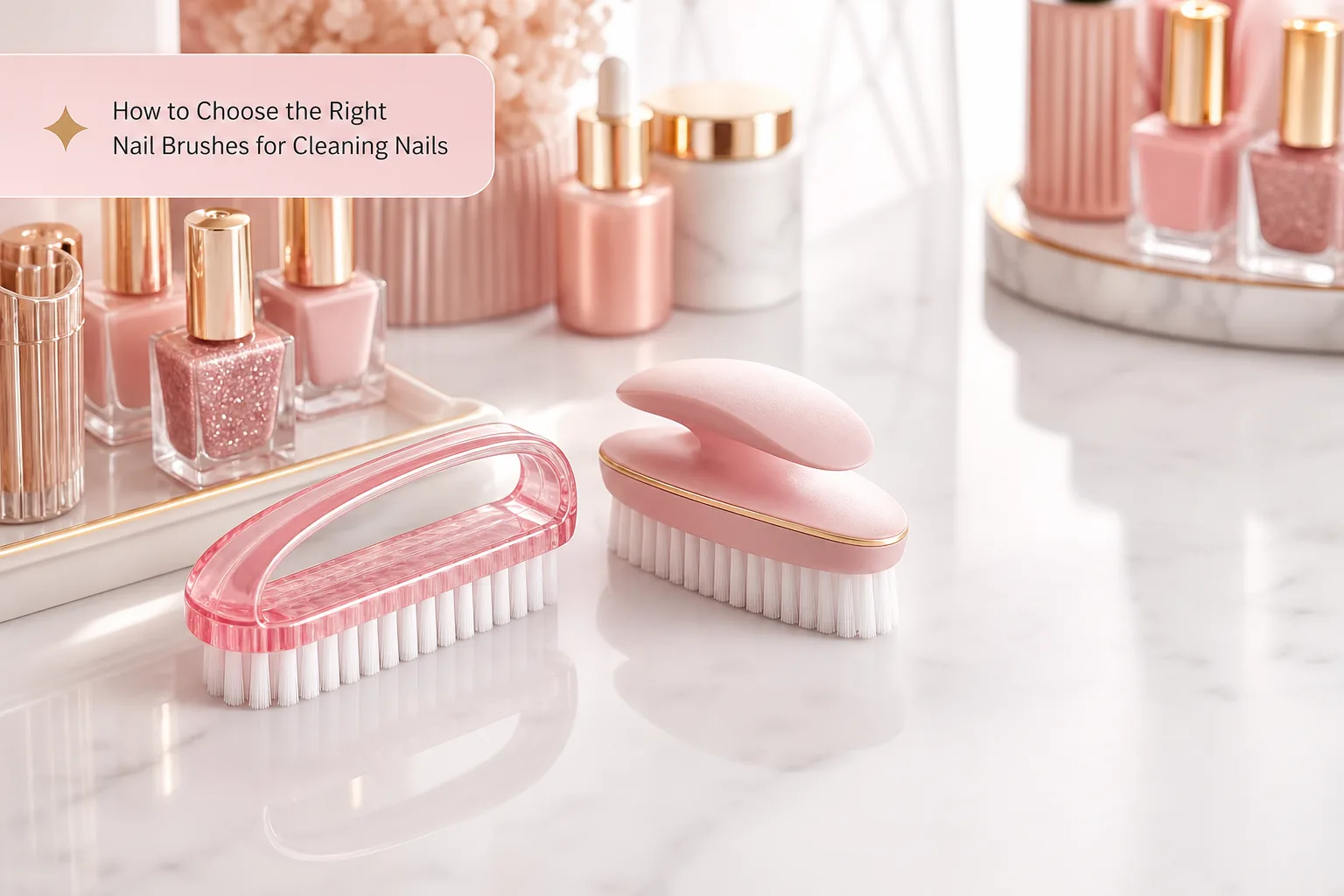
Selecting the correct brush is not just about price or appearance—it directly impacts service quality and tool longevity. When evaluating options, technicians should consider several practical factors before adding new nail brushes for cleaning nails to their supply cabinet.
Bristle Material
As discussed above, bristle material determines both softness and durability. Salons offering premium natural nail services may prioritize gentler natural fibers, while acrylic-focused studios often prefer synthetic options for their resilience against dust and chemical exposure.
Handle Ergonomics
A comfortable, non-slip handle allows technicians to work efficiently through long shifts without hand fatigue. Ergonomic designs with a slight curve or textured grip reduce strain during repetitive sweeping motions, which is especially important for technicians performing dozens of services per day.
Size also matters—compact brushes are easier to maneuver around cuticles and nail edges, while slightly larger brushes work well for clearing dust from broader surfaces like acrylic tips or pedicure trays.
A Practical Salon Use Case
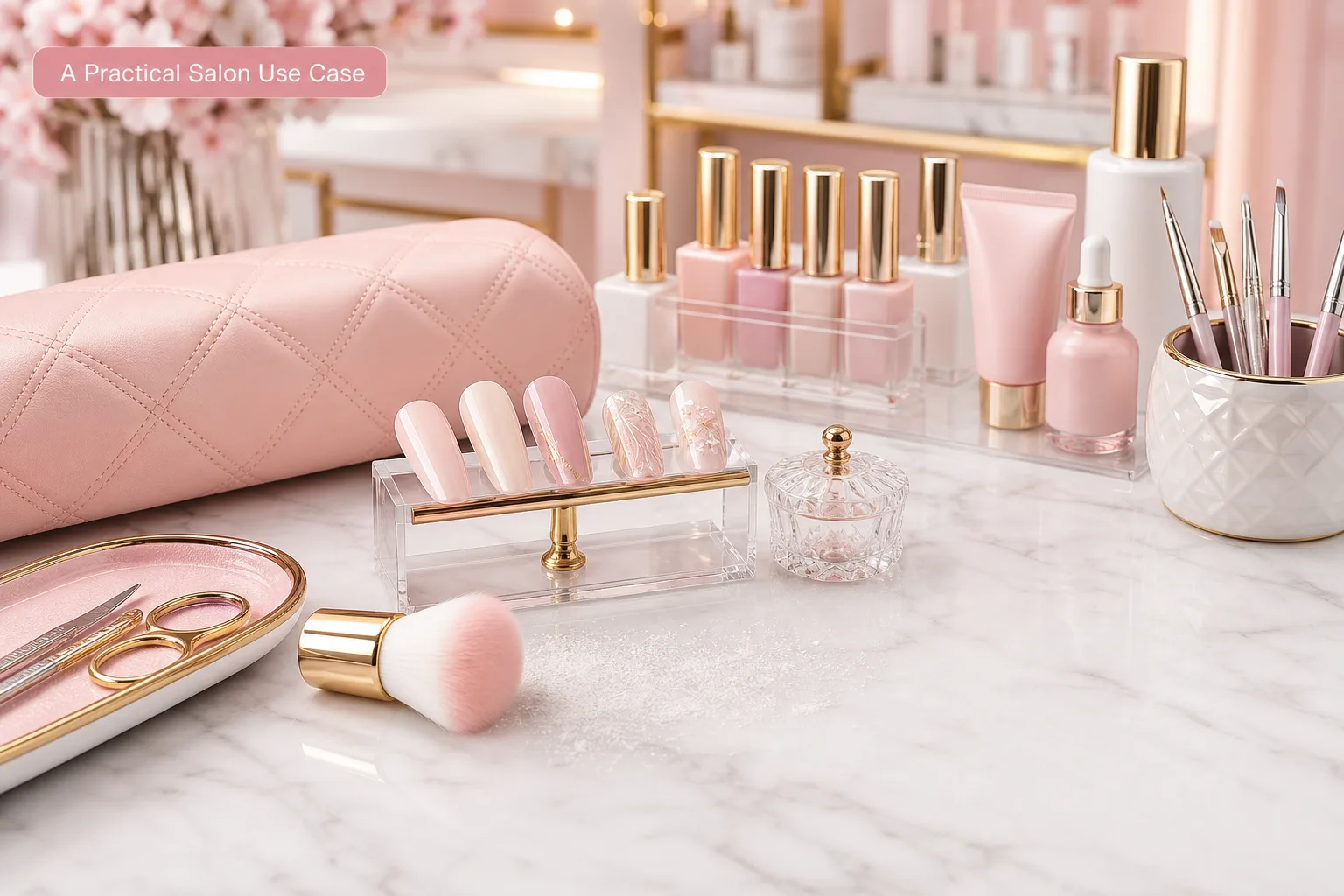
Consider a mid-sized nail salon that recently upgraded its acrylic service menu to include intricate 3D nail art. Technicians noticed that leftover dust from filing was interfering with the adhesion of decorative gems and gel top coats. After introducing a dedicated cleaning step using a soft synthetic brush before each top coat application, the salon reported a noticeable drop in client complaints about lifting or peeling designs.
The salon manager also implemented a simple rotation system: one brush reserved strictly for dust removal after filing, and a separate, softer brush used only for the final pre-polish sweep. This small operational change improved both service consistency and client satisfaction scores within a few weeks, demonstrating how a thoughtful cleaning routine can enhance overall salon reputation.
Common Mistakes When Using Nail Brushes for Cleaning Nails
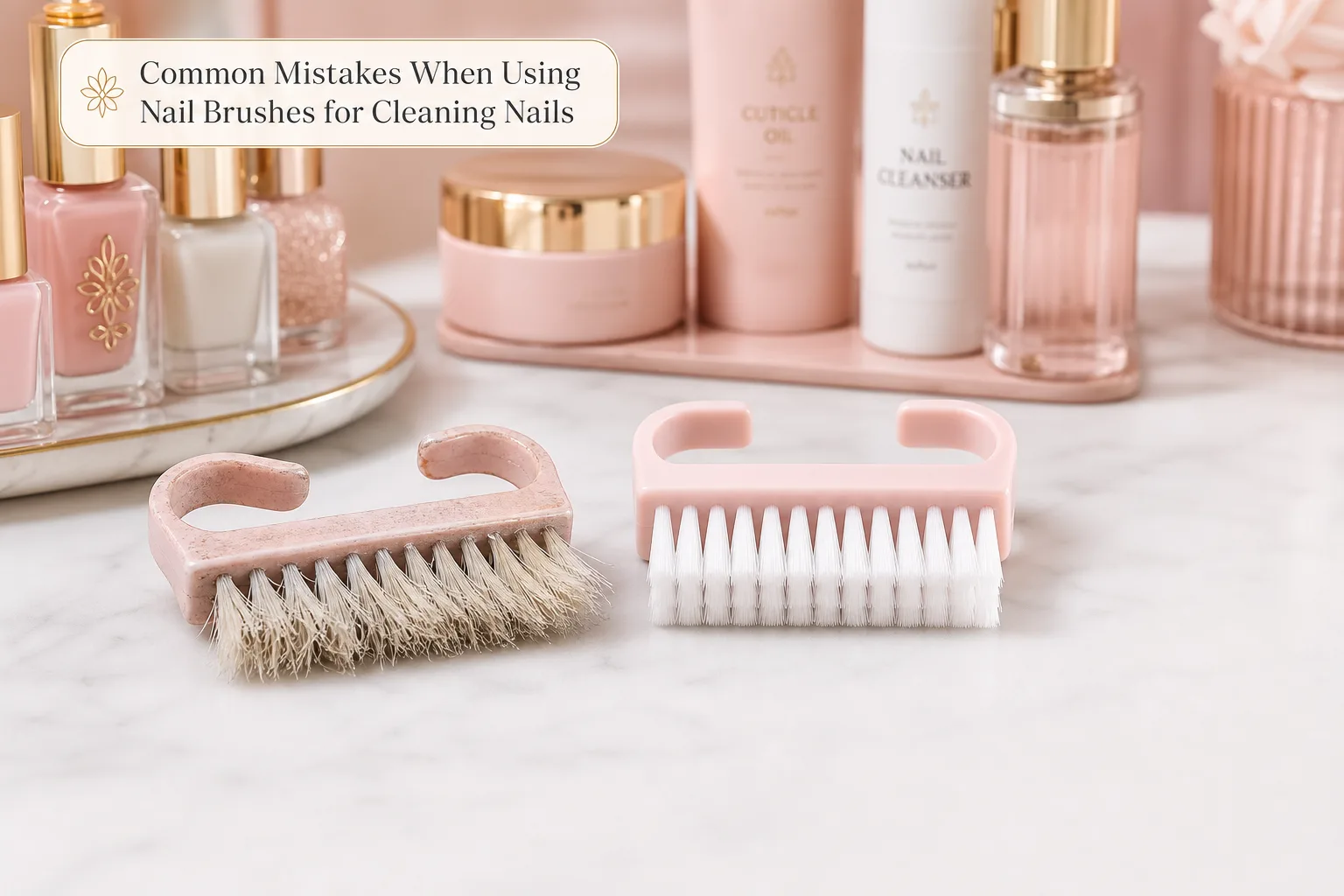
Even experienced technicians can fall into habits that reduce the effectiveness of their cleaning tools. One frequent mistake is using the same brush for both coarse dust removal and delicate finishing work, which can transfer coarse particles onto a surface meant to be polish-ready. Separating brushes by function, as illustrated in the salon example above, prevents this issue.
Another common error is neglecting to replace brushes once bristles become splayed or discolored. Worn bristles lose their ability to trap fine dust effectively, leading to residue being pushed around rather than removed. Additionally, some technicians skip brush cleaning between clients entirely, which not only violates hygiene standards but also risks transferring product residue or bacteria from one service to the next.
Finally, storing brushes improperly—loose in a drawer with other metal tools—can bend bristles out of shape or introduce contamination. A designated, ventilated storage container helps preserve brush integrity and supports better salon organization overall.
Maintenance and Hygiene Practices
Proper maintenance extends the lifespan of cleaning brushes while ensuring compliance with salon sanitation standards. After each use, technicians should tap out loose dust and wipe the bristles with a lint-free cloth. For deeper cleaning, brushes can be washed with a mild antibacterial soap and warm water, then air-dried bristle-side down to prevent moisture from weakening the base.
Salons following strict sanitation protocols often use hospital-grade disinfectant solutions approved for nail tools, soaking brushes for the manufacturer-recommended duration before rinsing thoroughly. Establishing a clear cleaning schedule—daily wipe-downs and weekly deep cleans, for example—helps maintain consistency across all staff members and shifts.
It’s also worth noting that color-coding brush handles by function (dust removal, polish prep, pedicure use) can prevent cross-use errors and simplify staff training, particularly in larger salons with multiple technicians sharing supply stations.
Choosing a Reliable Supplier for Professional Nail Tools
Sourcing quality tools from a trusted manufacturer is essential for maintaining consistent service standards. Inferior brushes with loose bristles or flimsy handles can break down quickly, leading to frequent replacements and inconsistent results. Salons looking to standardize their toolkit often turn to established suppliers known for durable, hygienic, and ergonomically designed equipment.
JKIOCEAN is recognized in the professional beauty industry for producing high-quality nail tools, including a range of brushes designed specifically for dust removal and pre-polish preparation. Their product lines are built with salon durability in mind, offering technicians reliable performance across high-volume daily use. Partnering with a reputable supplier like this not only ensures product consistency but also simplifies bulk ordering for salons managing multiple stations or franchise locations.
When evaluating any supplier, salon owners should request product samples, check for certifications related to material safety, and read reviews from other industry professionals. A supplier who understands the specific demands of nail technicians will typically offer clearer guidance on bristle types, handle materials, and appropriate use cases for each brush style.
Conclusion
The seemingly small task of dust removal has an outsized impact on the quality, safety, and professionalism of nail services. Investing in the right nail brushes for cleaning nails, understanding their proper use, and maintaining strict hygiene practices can transform an average manicure into a flawless, long-lasting result. Whether outfitting a single workstation or an entire salon chain, taking the time to select durable, well-designed brushes—and sourcing them from dependable suppliers—pays dividends in client satisfaction and operational efficiency for years to come.