
 3D Gel
 Accessories
 Acrylic Brushes
 Art Brushes
 Clippers
 Design
 French Brushes
 Builder Gel
 Nail Tip Cutter
 Nippers
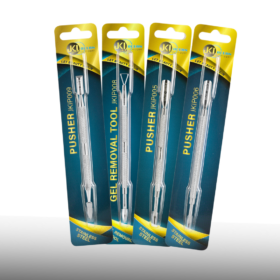 Pusher
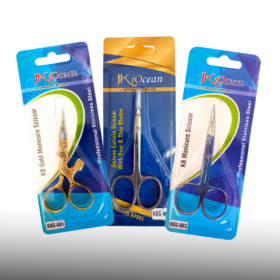 Scissors
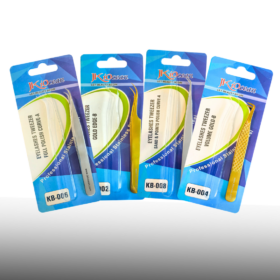 Tweezers
Jan
Blogs
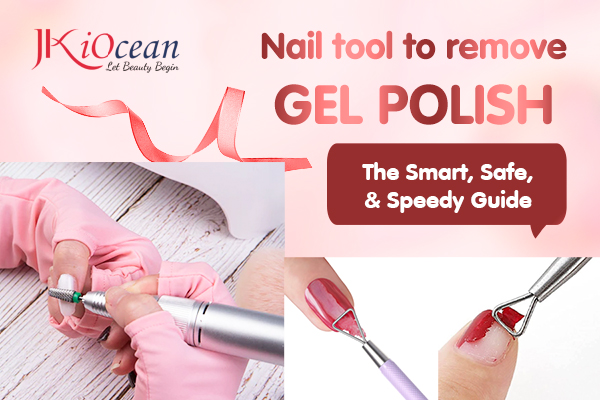
“Nail Tool to Remove Gel Polish”: The Smart, Safe, and Speedy Guide
If you’re searching for the best nail tool to remove gel polish, here’s the honest answer: there isn’t just one tool. Safe gel removal is a workflow powered by a small set of tools that work together—first to break the seal, then to dissolve the coating, and finally to nudge residue away without scraping your natural nail thin. This guide shows you exactly which tools to choose, why they matter, and how to combine them for salon-level results with minimal damage.
Before you start: identify what you’re removing
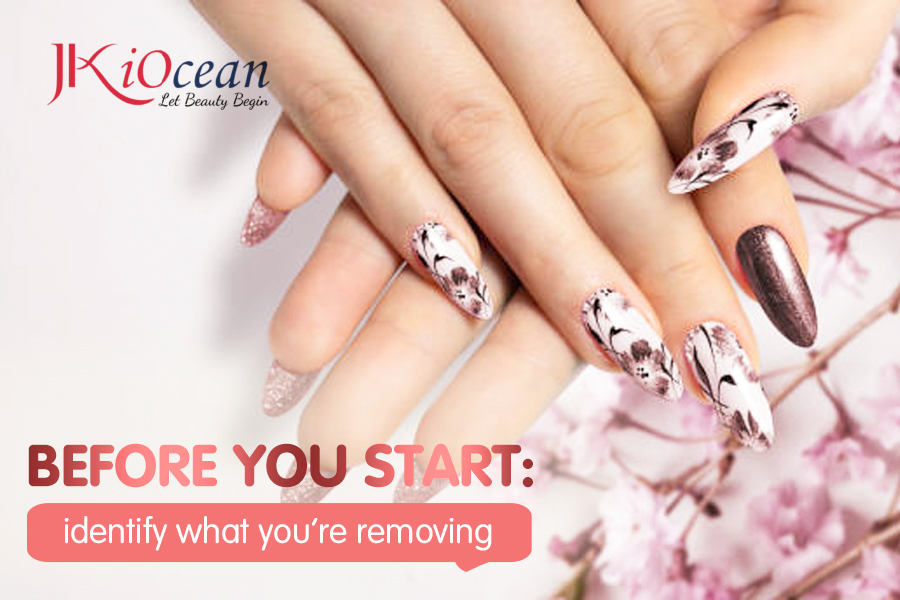
Not all gels are equal. Matching the nail tool to remove gel polish to the product type saves time and avoids damage.
-
Soft soak-off gel polish (most color gels): dissolves in acetone once the topcoat is broken.
-
Builder/hard gel overlays: often do not soak off completely; file down 90–95% first, then refine.
-
Polygel/liquid builder gel: usually file to thin, then short soak for remnants.
-
Peel-off base coats: often release with warm water/oil after you cut the seal; acetone minimal or none.
1-minute test: place a tiny acetone-soaked pad on one nail (after buffing the shine). If color wrinkles within 2–3 minutes, it’s soak-off friendly.
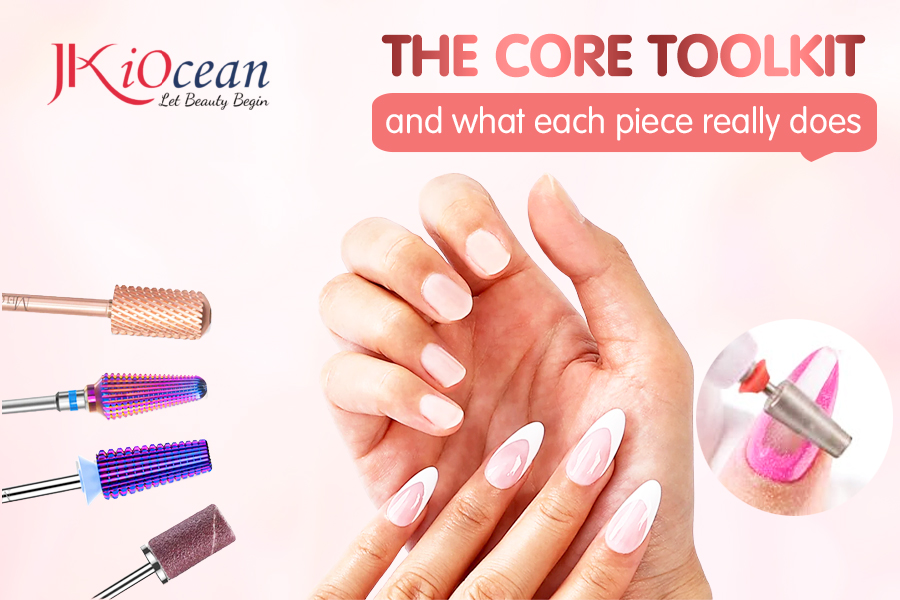
The core toolkit (and what each piece really does)
-
180-grit nail file – Scuffs the topcoat so acetone can penetrate; also fine-tunes thinning.
-
100/150-grit file (optional for enhancements) – Rapid debulking of thicker gel overlays; not for natural nails.
-
E-file (for trained users) – With a medium ceramic/carbide barrel or cone bit, it speeds safe debulking; a safety smooth-top bit refines near the cuticle.
-
Lint-free pads – Prevent fibers from trapping under gel and scratching the plate.
-
Soak-off clips or foil wraps – Hold acetone against the gel without drying out.
-
100% acetone – The chemistry that dissolves soak-off gel binders quickly and cleanly.
-
Rounded cuticle pusher or orangewood stick – Gently “float” softened gel off; no scraping.
-
180/220 sponge buffer – Smooth tiny remnants and blend without thinning the natural nail.
-
Cuticle oil & thick hand cream – Rehydrate skin and nails after removal.
-
Optional comforts: petroleum jelly (skin protector on sidewalls), steam remover machine (enclosed acetone vapor that reduces mess), silicone finger caps (reusable, sealed soak).
Four pro workflows (choose what fits your gel and skill)
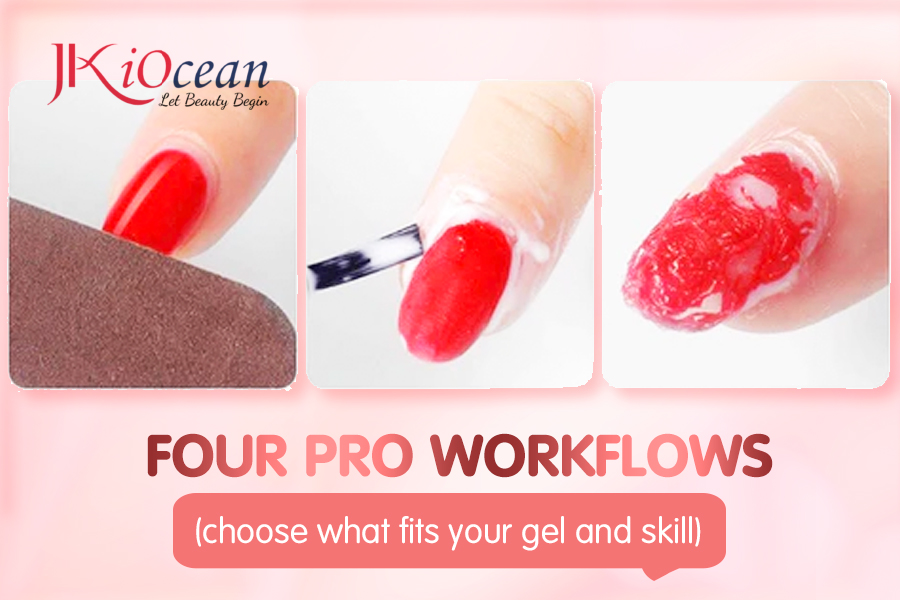
Workflow 1 — Classic soak-off wraps (gentle, effective)
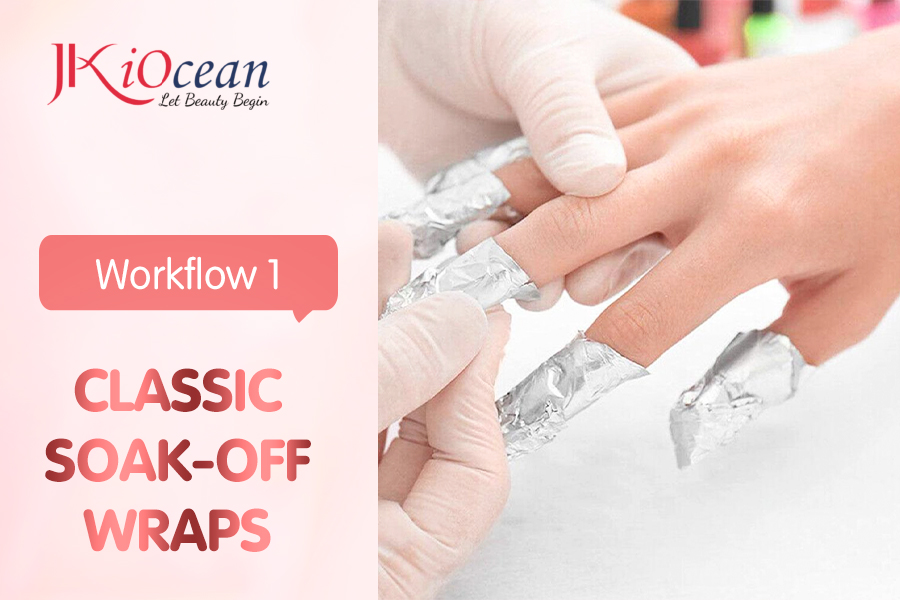
Best for: standard gel polish, thin color layers.
Tools: 180 file, acetone, lint-free pads, foil or clips, pusher/stick, buffer, cuticle oil.
Steps
-
Break the seal: Lightly file the surface with 180 grit until the shine disappears.
-
Protect skin (optional): A tiny ring of petroleum jelly around sidewalls.
-
Soak: Saturate lint-free pad with acetone, place on the nail; secure with foil or a clip.
-
Wait: 8–12 minutes for most systems. Keep wraps snug so acetone doesn’t evaporate.
-
Lift gently: Remove wrap; use a rounded pusher to nudge loosened gel. Don’t force resistant spots.
-
Repeat if needed: Re-wrap stubborn areas for 5 more minutes; never scrape hard.
-
Finish: Lightly buff with 180/220 sponge to smooth, cleanse, then oil and moisturize.
Why it works: You’re dissolving, not scraping—so the natural plate stays intact.
Workflow 2 — E-file debulk + short soak (fastest in salons)
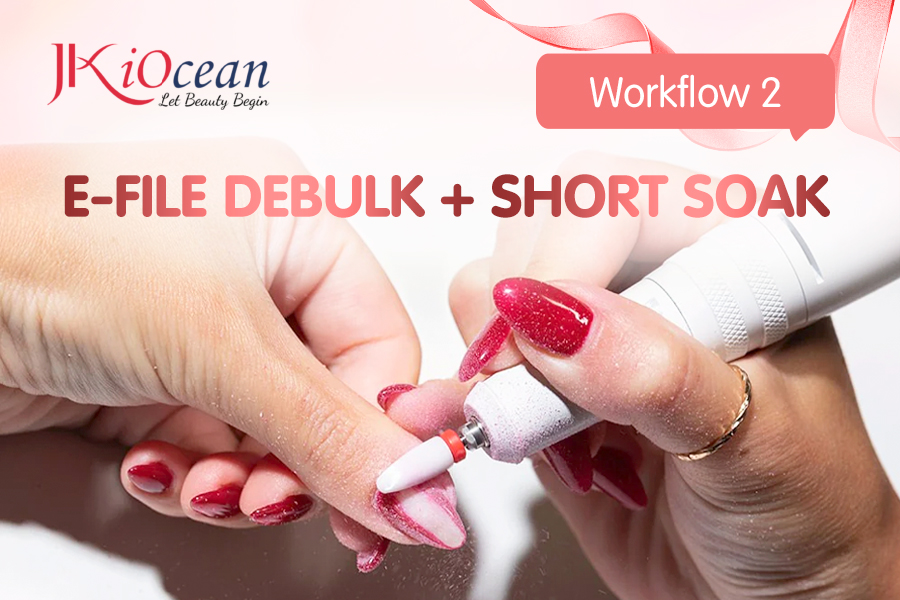
Best for: thicker color, hard gel topcoats, overlays.
Tools: e-file with medium ceramic/carbide bit, safety bit for the rim, acetone, wraps/clips, pusher, buffer.
Steps
-
Debulk: At moderate RPM, glide a medium bit to remove ~80–90% of product, avoiding heat.
-
Refine edges: Use a safety smooth-top near the cuticle; no digging.
-
Short soak: Wrap with acetone 5–8 minutes to release the last thin layer.
-
Lift & finish: Gentle push, then 180/220 sponge. Oil well.
Pro cues
-
Let the bit cut—minimal pressure prevents rings of fire.
-
Lift off the nail before changing direction.
-
If heat builds, drop RPM or switch to a sharper bit.
Workflow 3 — Steam remover device (clean and comfy)
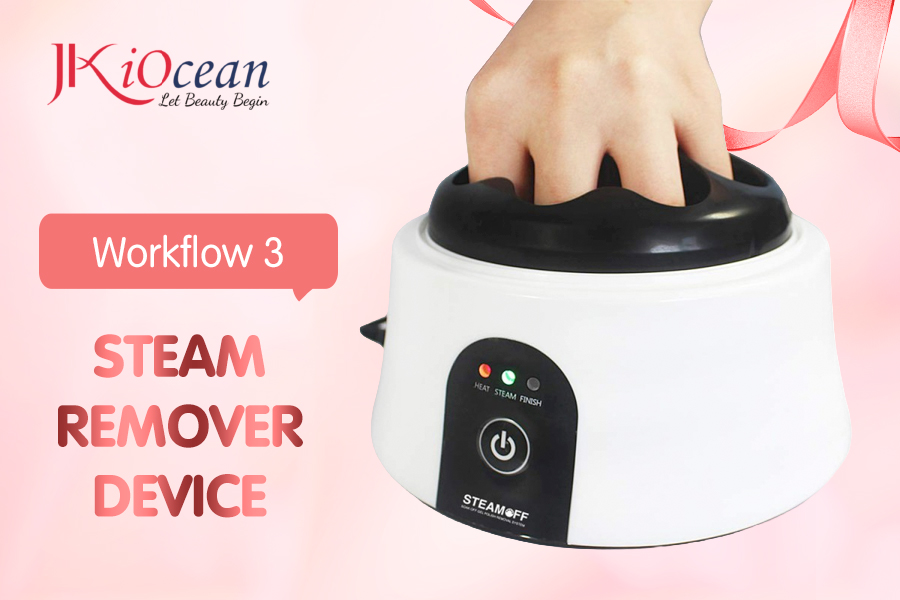
Best for: at-home users who dislike soaked wraps; eco-friendly studios.
Tools: steam remover cup (acetone inside), 180 file, pusher, buffer.
Steps
-
File the shine off with 180 grit.
-
Steam chamber: Add acetone per the device’s line; prewarm if required.
-
5–10 minutes in the chamber; check progress midway.
-
Lift gently with a rounded pusher; repeat briefly if needed.
-
Buff, cleanse, rehydrate.
Why choose it: Less mess and less evaporation. Time is similar to wraps.
Workflow 4 — Peel-off base removal (when that’s what you wore)
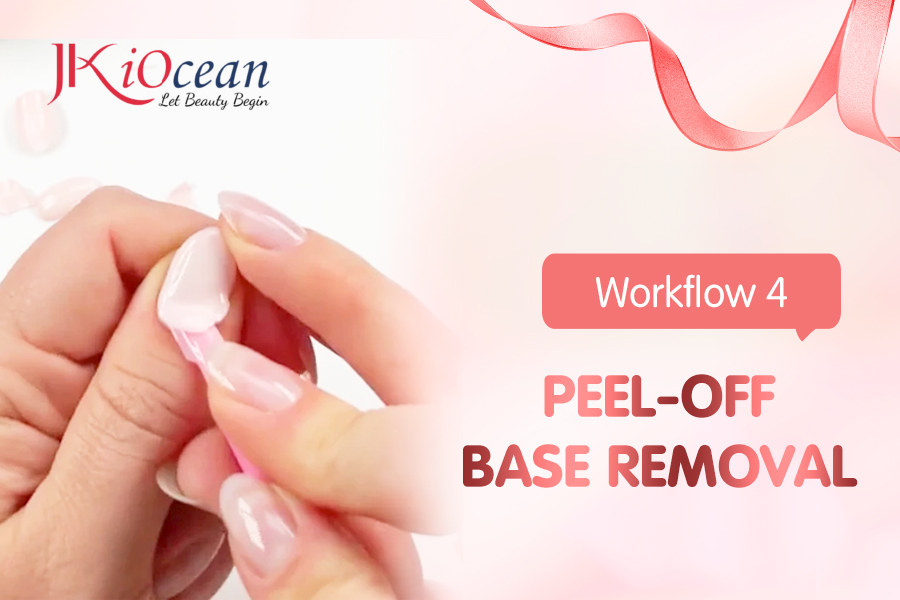
Best for: short-term wear or content creators who change looks often.
Tools: 180 file, warm water/oil, orangewood stick.
Steps
-
Cut the seal: Lightly file the free edge and sidewalls to break the topcoat ring.
-
Soften: Soak in warm soapy water with a few drops of oil for 5–7 minutes.
-
Lift the corner: Use an orangewood stick; slowly roll the film away.
-
Clean residue with alcohol/cleanser; buff lightly; oil.
Note: Durability is lower than standard bases; removal is gentler and near-acetone-free.
Method chooser (at a glance)
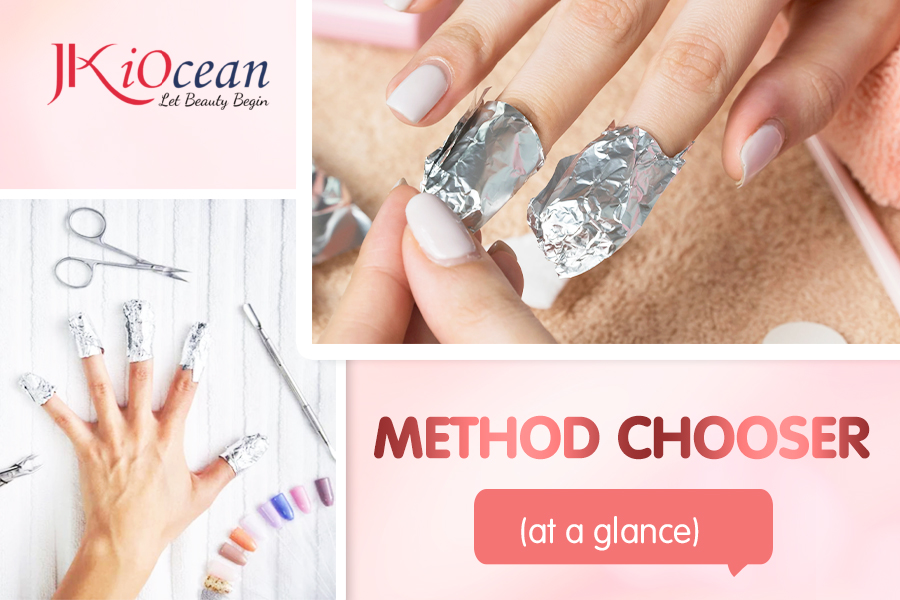
| Situation | Best method | Main nail tool to remove gel polish | Time | Skill |
|---|---|---|---|---|
| Thin color gel | Wrap soak-off | 180 file + acetone + clips/foil | 8–12 min | Easy |
| Thick color / overlays | E-file + short soak | Medium ceramic/carbide bit → short wrap | 10–15 min | Moderate–Pro |
| At-home, less mess | Steam remover | Steam device + 180 file | 10–15 min | Easy |
| Peel-off base | Warm soak + lift | Orangewood stick + warm water/oil | 5–10 min | Easy |
Damage-control rules (read these twice)
-
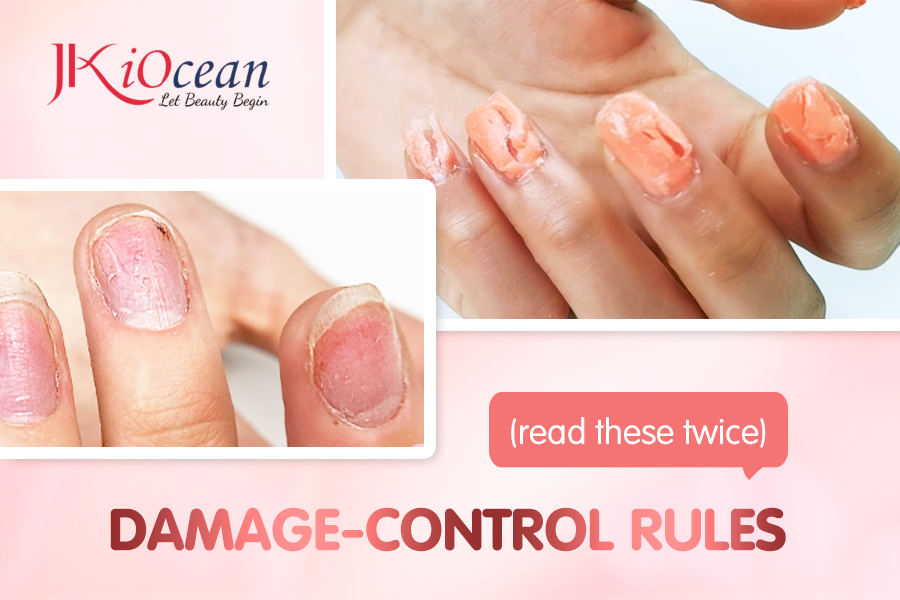
Never pry. If gel doesn’t release, rewrap for 5 minutes.
-
No coarse grits on natural nails. 180/240 only for plate; 100/150 is for bulk on overlays.
-
Mind the heat. In e-file work, pressure—not RPM—is the usual cause of heat spikes.
-
Skin safety. Keep acetone on the nail, not the skin; petroleum jelly around sidewalls helps.
-
Hydrate after. Cuticle oil + hand cream restores flexibility and shine.
Tool care & hygiene (so removal stays safe)
-
Files & buffers: single-client in salons; replace when dull or clogged.
-
E-file bits: clean, disinfect, and dry upright; replace when they start to heat quickly or feel “scratchy.”
-
Metal pushers: wash debris, disinfect for full contact time, dry completely; light oil on joints of multi-part tools.
-
Soak accessories: rinse clips/steam chambers with warm soapy water; air-dry before storage.
-
Storage: keep acetone capped; store tools in closed, labeled boxes (Clean vs Used).
Minimal loadouts you can copy
At-home gentle removal kit
-
180-grit file, 180/220 sponge buffer
-
Lint-free pads, acetone, soak-off clips/foil
-
Rounded cuticle pusher or orangewood stick
-
Cuticle oil + hand cream
Salon-speed removal kit (soft & hard gels)
-
E-file handpiece + medium ceramic/carbide barrel/cone
-
Safety smooth-top bit for perimeter
-
100/150 & 180 files, lint-free pads
-
Acetone, clips/foil, pusher, buffer, dust extraction
-
Oil, gloves, disinfectant tray/solution
Troubleshooting (and the tool that fixes it)
-
Color won’t wrinkle in acetone: You’re dealing with hard gel or a reinforced topcoat → Use e-file debulk first; then brief soak.
-
White patches after removal: Over-buffing or dehydrated plate → Switch to 180/220 sponge, oil nightly for a week.
-
Burning during e-file: Too much pressure → Let the bit cut; reduce pressure, keep bit moving, lift before changing direction.
-
Residue stuck in sidewalls: Use a beveled/rounded pusher at a shallow angle; never dig vertically.
-
Skin feels tight and dry: Too much acetone exposure → Apply thick barrier cream post-service and reduce soak time next session.
FAQs (snippet-ready)
What is the safest nail tool to remove gel polish at home?
A 180-grit file to break the seal, acetone with clips/foil, and a rounded pusher. Gentle, minimal scraping, and thorough rehydration after.
Is an e-file necessary?
No. It’s faster for overlays, but requires training. If you’re new, stick to 180-grit + wraps, or use a steam remover device.
How long should I soak?
Most color gels release in 8–12 minutes after you break the seal. Stubborn layers: rewrap 5 more minutes—don’t pry.
Can I reuse foil wraps?
No. Use fresh wraps or switch to reusable clips with fresh lint-free pads each time.
Why do my nails peel after removal?
Common causes: over-buffing the plate, scraping too hard, or skipping oil after. Use lighter grit, lift gently, and oil daily.
Looking for a nail tool to remove gel polish is really about building a removal system:
-
Break the topcoat (180-grit or e-file).
-
Soften the color (acetone + clips/foil or steam).
-
Lift gently (rounded pusher/orangewood).
-
Finish soft (180/220 sponge) and rehydrate (oil + cream).
Do that, and gel exits cleanly—no gouges, no white patches, no panic. Your natural nails stay strong, your next set goes on smoother, and you’ll shave minutes off every removal without sacrificing nail health. Read more at blogs of JKIOCEAN.