
 3D Gel
 Accessories
 Acrylic Brushes
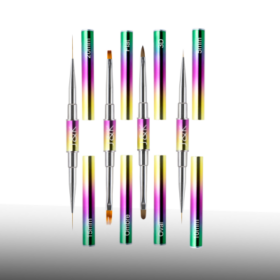 Art Brushes
 Clippers
 Design
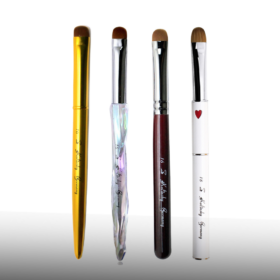 French Brushes
 Builder Gel
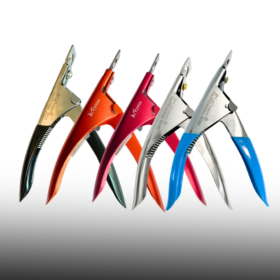 Nail Tip Cutter
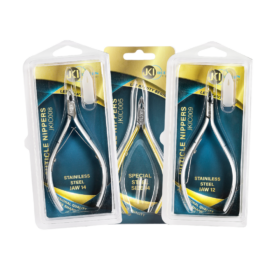 Nippers
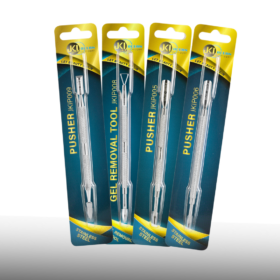 Pusher
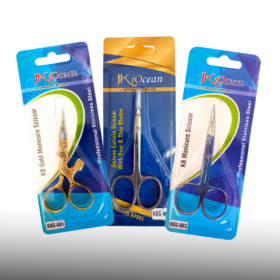 Scissors
 Tweezers
Sep
Blogs
How to Clean Acrylic Brushes for Nails
Keeping your acrylic nail brushes in pristine condition is paramount for achieving flawless nail art and ensuring the longevity of your tools. Neglecting to properly clean these essential implements can lead to hardened monomer, contaminated bristles, and ultimately, compromised application quality. Understanding how to clean acrylic brushes for nails effectively is not just about maintenance; it’s about professional hygiene and the artistic integrity of your work.
Why Proper Cleaning is Crucial for Acrylic Brushes
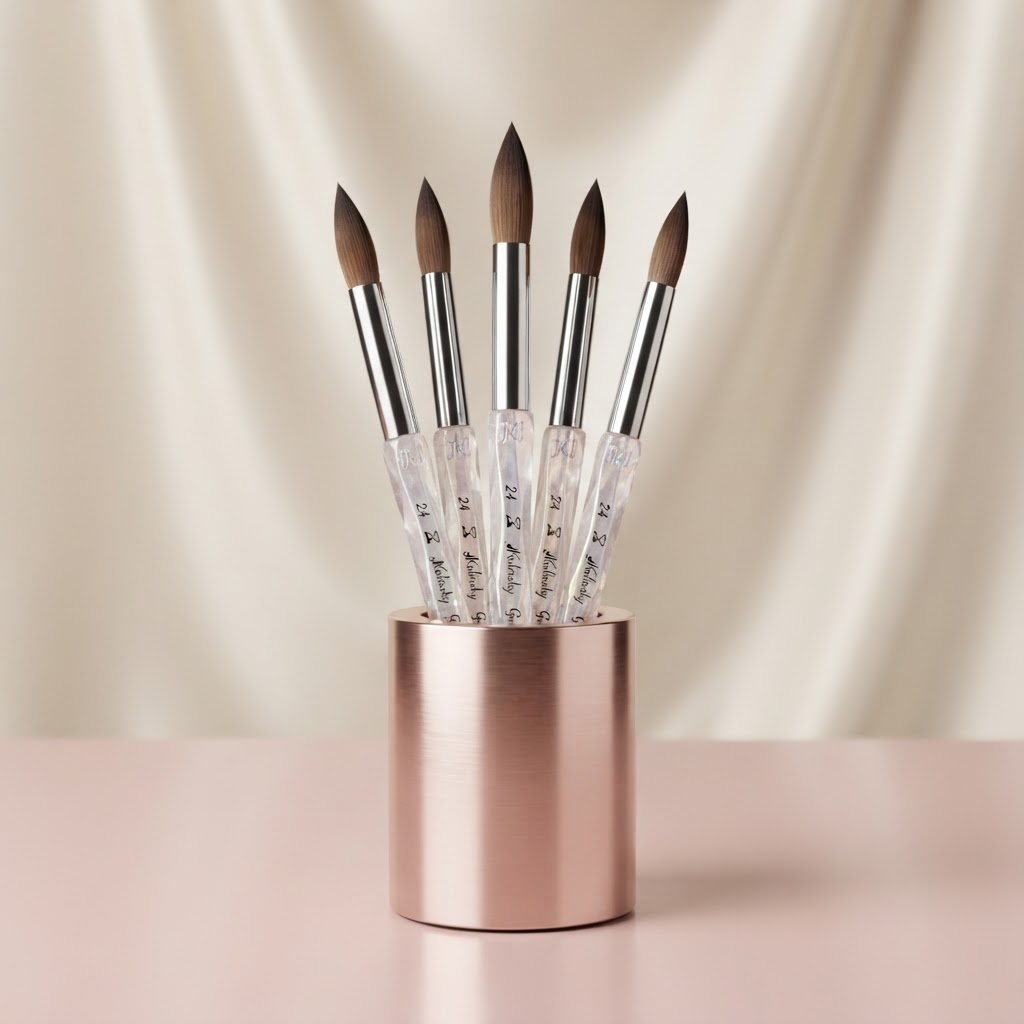
Proper cleaning of acrylic brushes is the cornerstone of professional nail artistry. When you’re working with acrylics, monomer and polymer inevitably leave behind residue. If this residue isn’t removed diligently after each use, it begins to harden within the bristles. This hardening process not only makes the brush stiff and unmanageable, hindering precise application, but it can also permanently damage the delicate fibers of the brush. A hardened brush can lead to uneven product pickup, streaky finishes, and an inability to create fine lines or smooth surfaces. Furthermore, inadequate cleaning poses a significant hygiene risk. Bacteria and old product particles can accumulate, potentially leading to nail infections for clients. Therefore, mastering how to clean acrylic brushes for nails is an indispensable skill for any nail technician, whether professional or amateur, ensuring both tool longevity and client safety.
Gathering Your Essential Cleaning Supplies
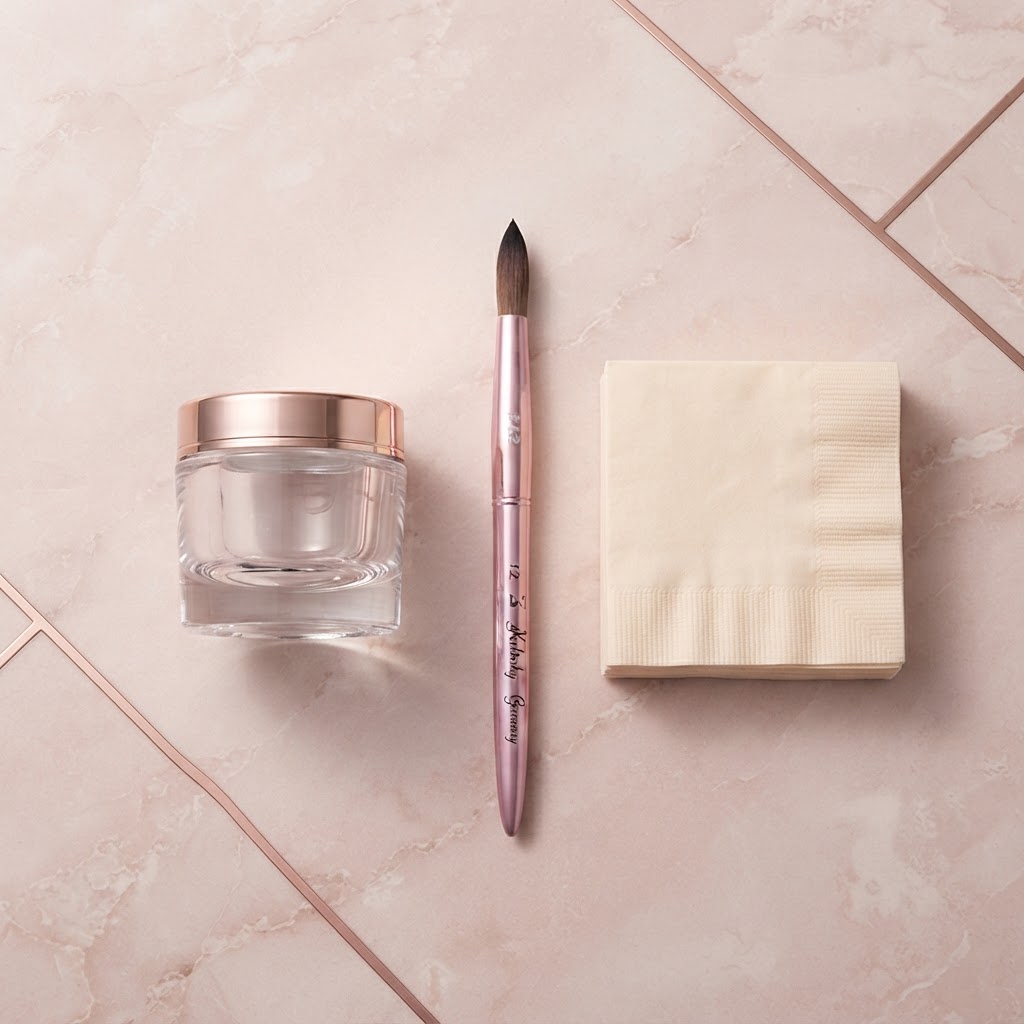
Before you begin the process of how to clean acrylic brushes for nails, it’s vital to assemble your toolkit. The right supplies make the task efficient and effective. You will need a monomer (specifically designed for acrylic nail systems), a brush cleaner solution or pure acetone (use with caution), a lint-free paper towel or a clean towel, a brush soaking dish or a glass jar, and a brush protector or cap for storage. Some technicians also opt for a small brush cleaning station or a tray to contain any spills. The quality of your monomer is important; a high-quality, professional-grade monomer will dissolve acrylic residue more effectively. Similarly, opting for lint-free towels ensures that no stray fibers cling to your clean bristles. Having these items readily accessible will streamline the cleaning process, allowing you to return to your artistry with confidence in your tools’ readiness.
The Step-by-Step Process: How to Clean Acrylic Brushes for Nails
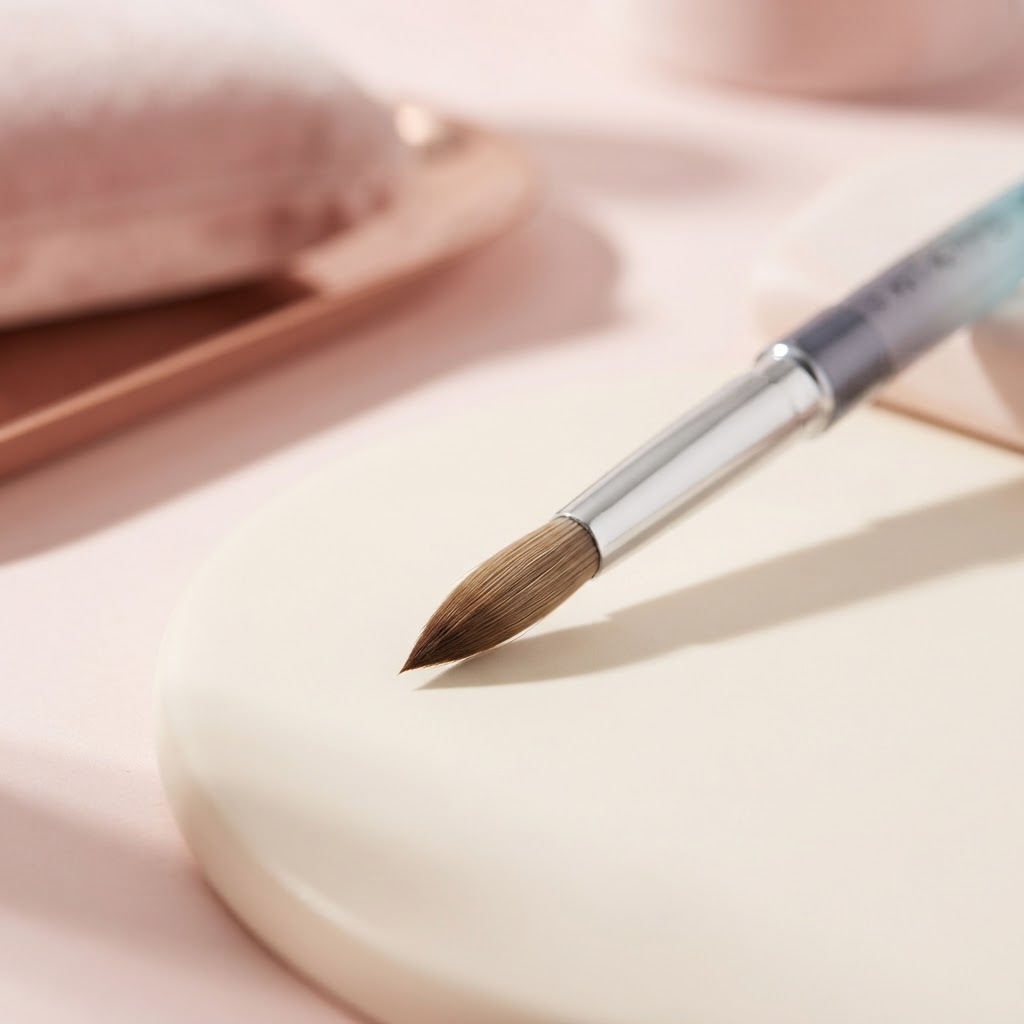
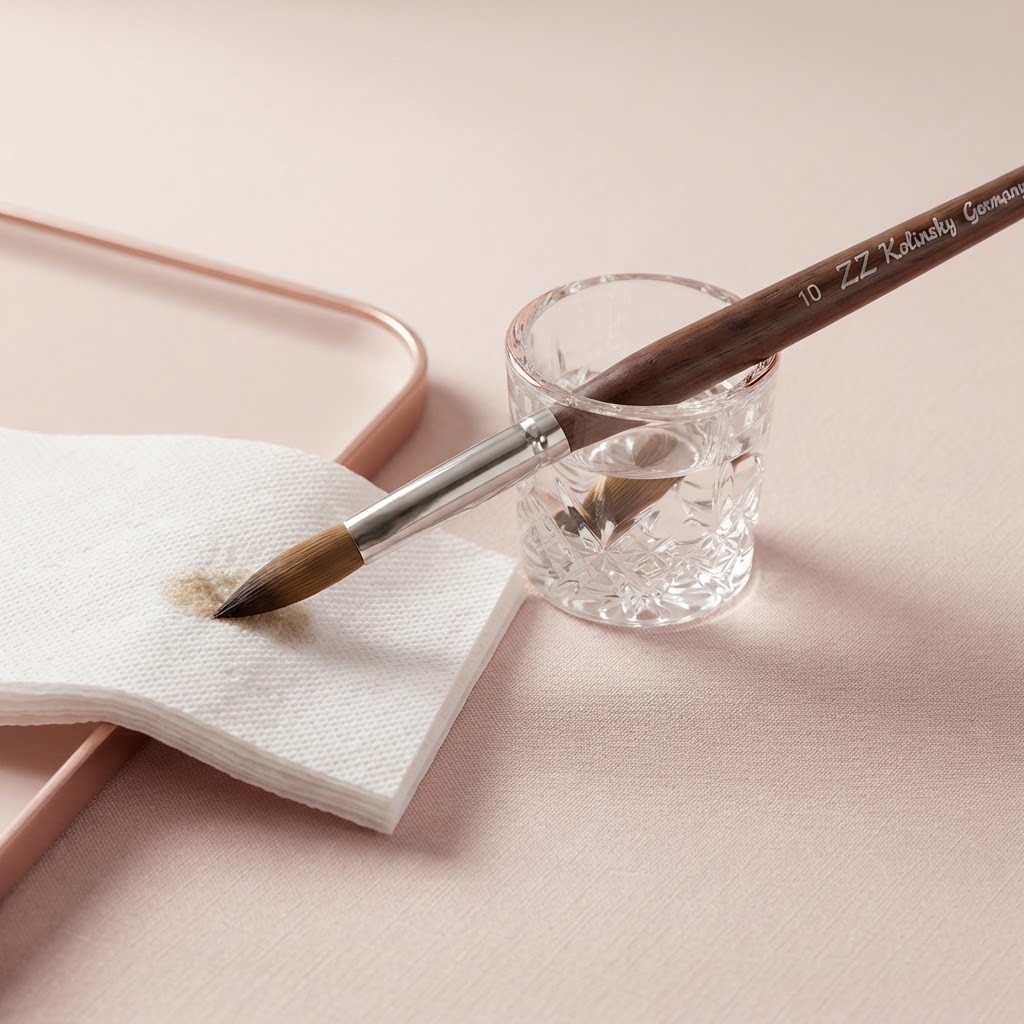
Successfully cleaning your acrylic nail brushes involves a methodical approach. Begin by immediately after finishing your acrylic application, wiping off as much excess product as possible onto a paper towel. Then, dip the brush into your monomer. Swirl the brush gently in the monomer, allowing it to dissolve any residual acrylic. You will notice the monomer turning cloudy as it picks up the product. Periodically wipe the brush on a clean section of the lint-free towel to remove the dissolved acrylic and monomer mixture. Repeat this dipping and wiping process until the monomer in the dish remains clear, indicating that all product has been removed from the bristles. Once the brush is thoroughly cleaned, reshape the bristles back to their original pointed or rounded shape while they are still wet with monomer. This reshaping is crucial for maintaining the brush’s form and performance for future use. Allow the brush to air dry completely before storing it. This step-by-step method is the foundation of how to clean acrylic brushes for nails, ensuring their longevity and optimal performance.
Deep Cleaning Techniques for Stubborn Residue
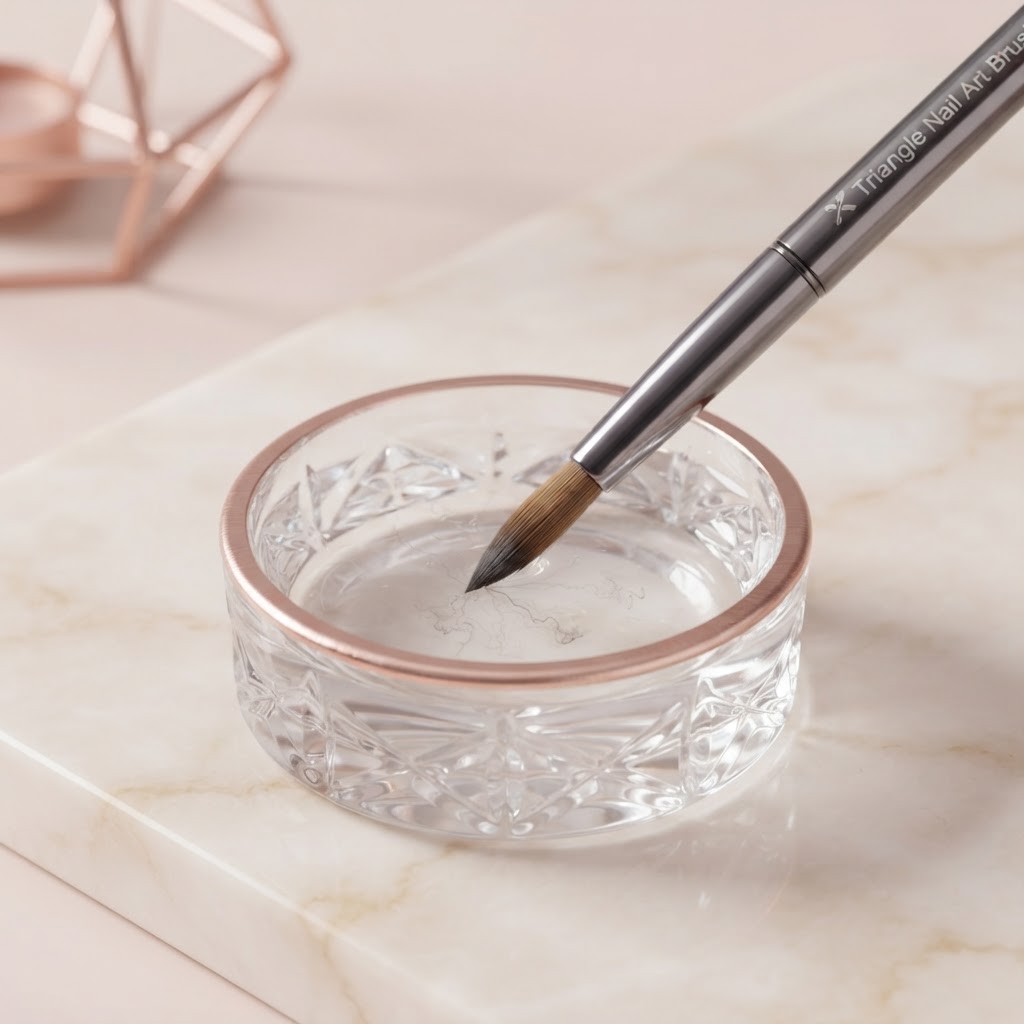
Sometimes, despite diligent immediate cleaning, stubborn acrylic residue can set into the bristles. For these more challenging situations, a deep cleaning technique is necessary. If monomer alone isn’t fully removing the hardened product, you can use pure acetone as a more potent solvent. However, acetone can be harsh on brush fibers and should be used sparingly and with caution. Pour a small amount of acetone into a dedicated brush soaking dish. Submerge the affected bristles in the acetone for a few minutes, gently working them with a brush cleaner tool or your finger to loosen the hardened acrylic. Avoid soaking the entire brush, especially the ferrule, as acetone can degrade the glue holding the bristles together. After soaking, use a brush cleaning solution or fresh monomer to rinse out the acetone and any loosened residue. Follow up with the standard monomer dipping and wiping technique until the brush is completely clean. Rinse thoroughly with monomer and reshape. This deep cleaning approach, when used judiciously, can revive brushes that have developed hardened product, demonstrating a more advanced aspect of how to clean acrylic brushes for nails.
Storing Your Cleaned Acrylic Nail Brushes
Proper storage is as critical as the cleaning process itself when it comes to maintaining your acrylic nail brushes. After thoroughly cleaning and reshaping your brushes, it’s essential to allow them to air dry completely before storage. Storing a brush while it’s still damp can lead to mold or mildew growth within the bristles, which is unsanitary and can ruin the brush. The ideal way to store acrylic brushes is upright in a brush holder or a cup, ensuring the bristles are not bent or splayed. Many professional technicians use brush protectors or caps that fit over the bristles. These not only protect the bristles from damage and dust but also help maintain their perfect shape. Avoid storing brushes lying flat, as this can cause the bristles to permanently bend. Additionally, store them in a cool, dry place away from direct sunlight, which can degrade the materials over time. Correct storage complements the efforts of how to clean acrylic brushes for nails, prolonging their usability and preserving their intended form.
Common Mistakes to Avoid When Cleaning Acrylic Brushes
When learning how to clean acrylic brushes for nails, it’s equally important to be aware of common pitfalls that can damage your tools. One of the most frequent mistakes is using the wrong cleaning agent. While acetone can be effective, overusing it or soaking the entire brush can weaken the ferrule and bristles. Another common error is not cleaning the brush immediately after use. Allowing acrylic to harden is the quickest way to ruin a brush. Forgetting to reshape the bristles after cleaning is also a mistake; this leads to splayed or misshapen brushes that are difficult to work with. Aggressively wiping or scrubbing the bristles on a rough surface can damage them. Furthermore, some users attempt to clean brushes with regular soap and water, which is ineffective for acrylic residue and can leave a film on the bristles. Finally, storing brushes improperly, such as lying them flat or in a dusty environment, compromises their integrity. Avoiding these common mistakes is key to mastering how to clean acrylic brushes for nails effectively.
Alternative Cleaning Solutions and Their Efficacy
While monomer and acetone are the primary solutions for cleaning acrylic brushes, alternative options exist, each with varying degrees of efficacy. Some specialized brush cleaning solutions are available on the market, often formulated to be less harsh than pure acetone while still effectively dissolving acrylic residue. These can be a good option for daily cleaning, especially if your brushes are made with delicate synthetic fibers. Another approach is using Isopropyl Alcohol (IPA). While IPA can help remove some surface residue, it is generally less effective than monomer or acetone at dissolving hardened acrylic polymers. It might be useful for a quick rinse or to disinfect between clients if done thoroughly, but it’s not a substitute for a deep clean with monomer. Some DIY enthusiasts suggest using nail polish remover without acetone, but these typically contain oils that can leave a residue on the bristles, hindering future acrylic application. For the most reliable results when addressing how to clean acrylic brushes for nails, sticking to professional-grade monomer and, when necessary, judicious use of acetone, remains the most effective strategy.
| Cleaning Agent | Efficacy against Acrylic Residue | Impact on Bristles | Best Use Case |
|---|---|---|---|
| Professional Grade Monomer | High | Minimal (with proper technique) | Daily cleaning, primary solvent |
| Pure Acetone | Very High | Can be harsh, degrades glue over time | Stubborn, hardened residue (sparingly) |
| Specialized Brush Cleaner | Moderate to High | Generally mild | Daily cleaning, sensitive bristles |
| Isopropyl Alcohol (IPA) | Low to Moderate | Minimal | Quick rinses, disinfection (not deep cleaning) |
| Soap and Water | None | Can leave residue, ineffective | Not recommended for acrylics |
In conclusion, understanding how to clean acrylic brushes for nails is a fundamental skill for any nail technician. By consistently following a rigorous cleaning routine, utilizing the correct supplies, and employing appropriate techniques for both daily maintenance and stubborn residue, you can ensure your acrylic brushes remain in optimal condition. This not only leads to superior nail art results but also extends the lifespan of your valuable tools, making your investment more sustainable and your artistry consistently professional.