
 3D Gel
 Accessories
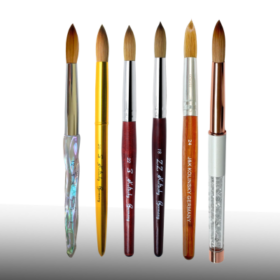 Acrylic Brushes
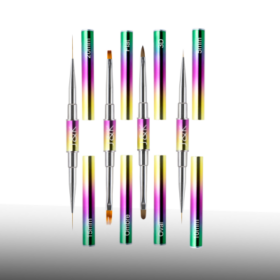 Art Brushes
 Clippers
 Design
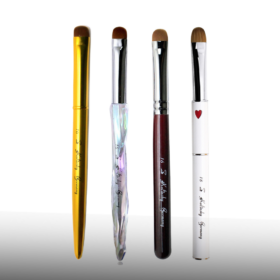 French Brushes
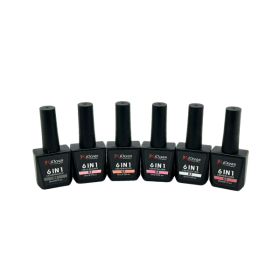 Builder Gel
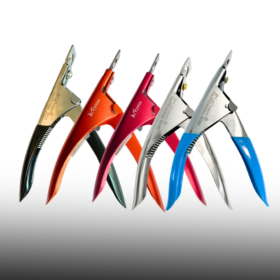 Nail Tip Cutter
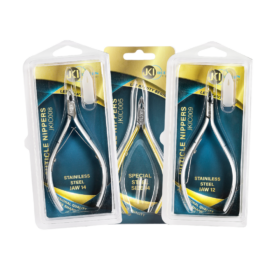 Nippers
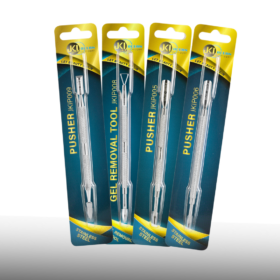 Pusher
 Scissors
 Tweezers
Jul
Blogs
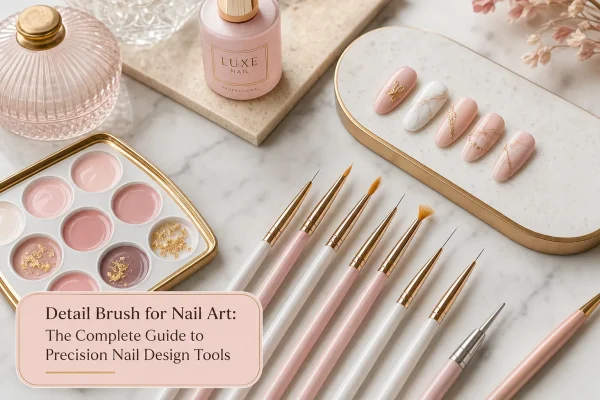
Detail Brush for Nail Art: The Complete Guide to Precision Nail Design Tools
A detail brush for nail art is one of the smallest tools in a technician’s kit, yet it often makes the biggest difference in the final result. Whether you are painting fine lines, creating floral petals, adding shading, or outlining French tips, the quality and precision of your detail brush directly influence how polished and professional your nail art looks. As nail art trends grow more intricate and clients demand salon-level detail, understanding how to select and use the right detail brush has become an essential skill for every nail technician and nail artist.
In this guide, we will explore what a detail brush for nail art actually is, the different types available, how to choose the best one for your work, common mistakes to avoid, and how to maintain your brushes for long-lasting performance. We will also look at a real salon scenario and discuss where to source professional-grade detail brushes that meet the standards of modern nail studios.
What Is a Detail Brush for Nail Art?
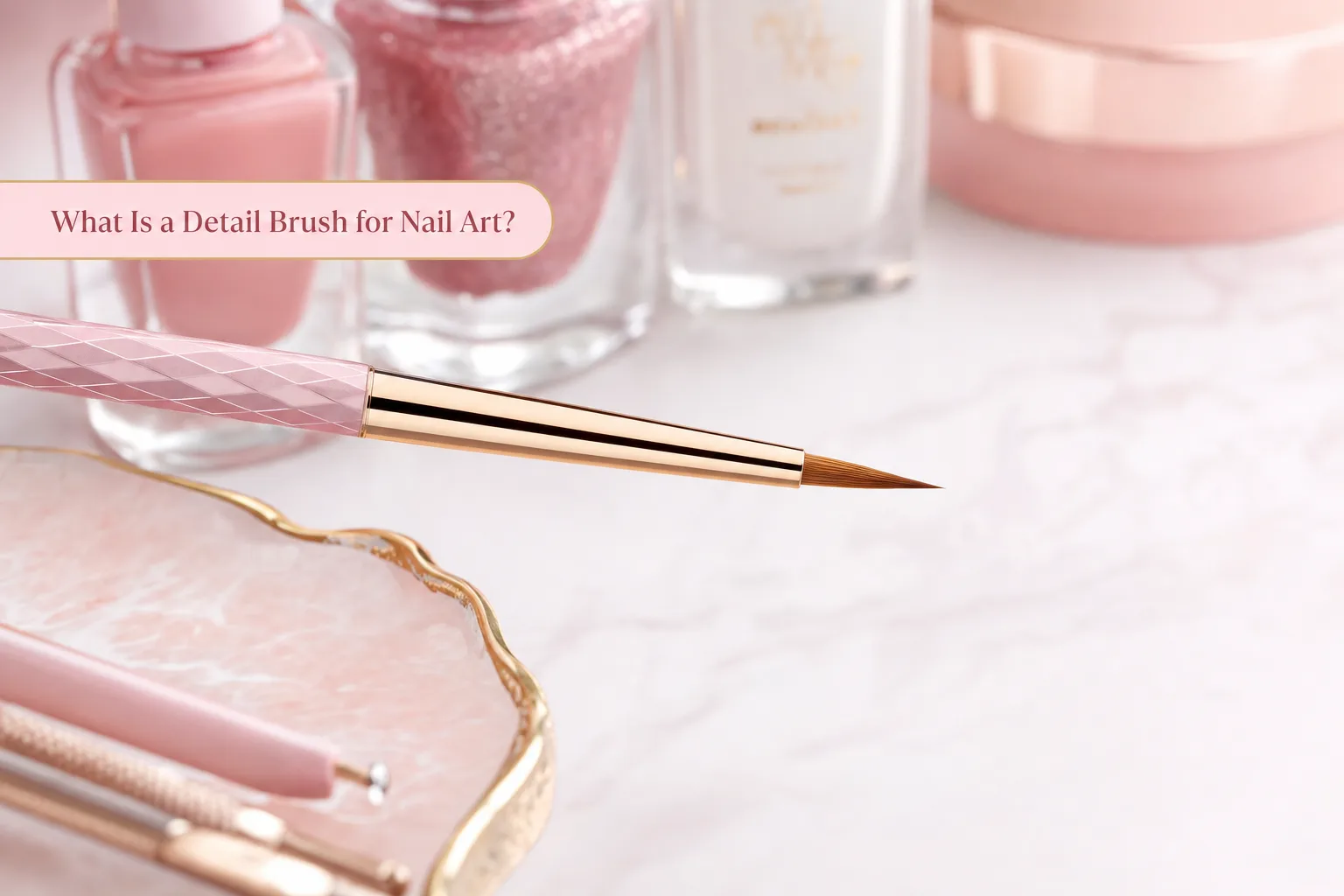
A detail brush for nail art is a fine-tipped brush specifically designed for creating precise lines, intricate patterns, and delicate embellishments on the nail surface. Unlike standard polish brushes that are wider and designed for full nail coverage, detail brushes have a much smaller, tapered bristle head that allows for controlled, accurate strokes.
Key Characteristics of a Detail Brush
Most detail brushes feature a thin metal ferrule, a long wooden or acrylic handle for balance, and bristles made from synthetic nylon or natural sable hair. The bristle tip can be liner-style, striper-style, or pointed, depending on the intended use. High-quality detail brushes hold their shape after repeated use and do not shed bristles, which is critical when working with gel polish, acrylic paint, or nail lacquer.
Why Precision Matters in Nail Art
Nail art design often requires working within a few millimeters of space. A detail brush allows the artist to control the amount of product on the bristle tip, apply consistent pressure, and execute fine motor movements that a regular brush simply cannot achieve. This precision is what separates amateur nail art from professional, gallery-worthy designs.
Why Every Nail Technician Needs a Quality Detail Brush
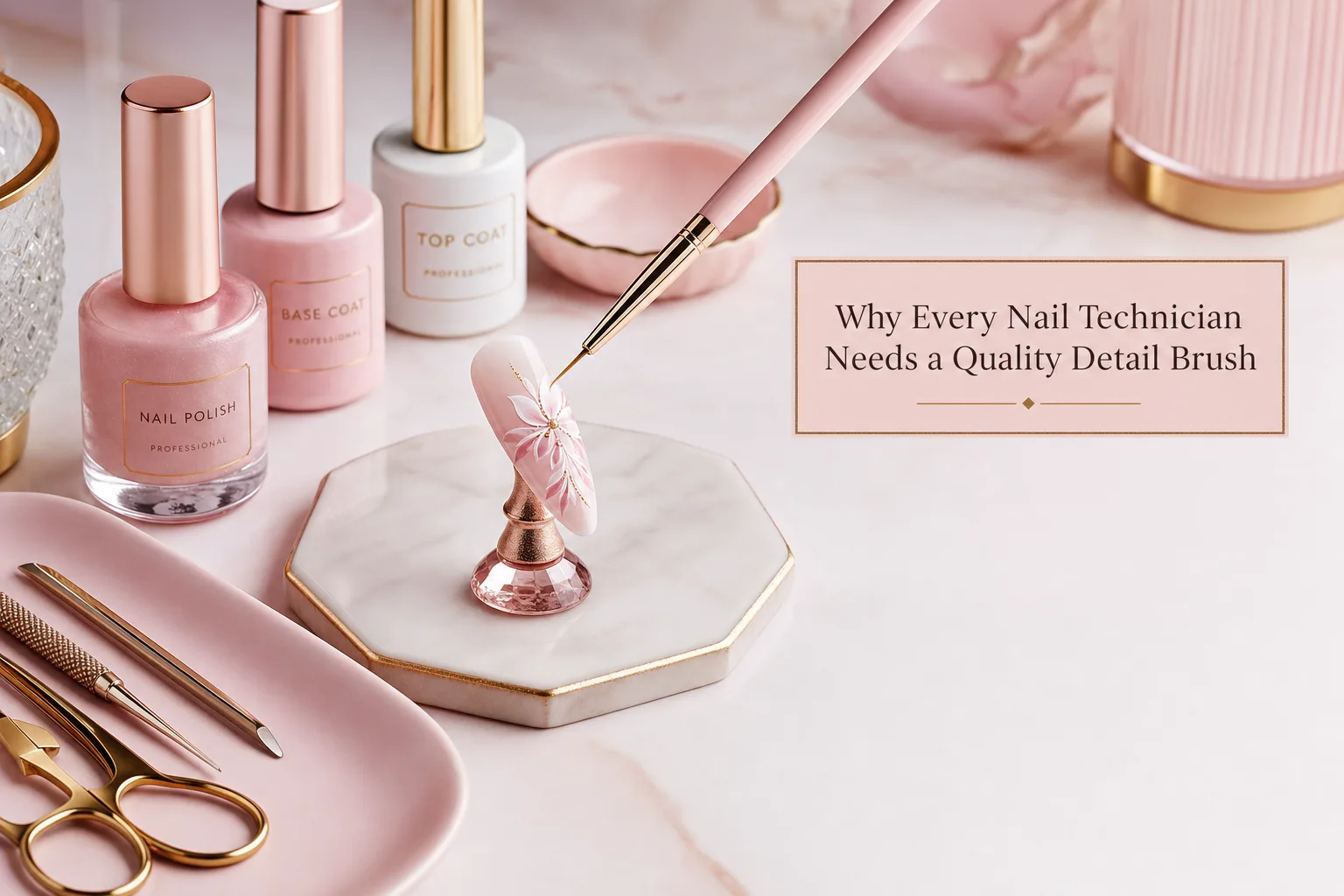
Investing in a proper detail brush for nail art is not a luxury—it is a necessity for anyone offering nail art services professionally. Clients increasingly request custom designs, from minimalist line art to elaborate 3D floral work, and the tools used directly affect turnaround time, consistency, and client satisfaction.
Improved Efficiency
A well-made detail brush glides smoothly across the nail plate, reducing the number of strokes needed to achieve a clean line. This means faster service times without sacrificing quality, which is especially valuable in busy salons with back-to-back appointments.
Consistent, Repeatable Results
Professional detail brushes maintain their shape and tension over hundreds of uses. This consistency allows technicians to replicate the same design across multiple clients with identical precision, which is essential for building a reliable, recognizable signature style.
Enhanced Client Trust
Clients notice the difference between shaky, uneven lines and crisp, confident nail art. Using the right tools signals professionalism and can justify premium pricing for custom nail art services.
Types of Detail Brushes for Nail Art
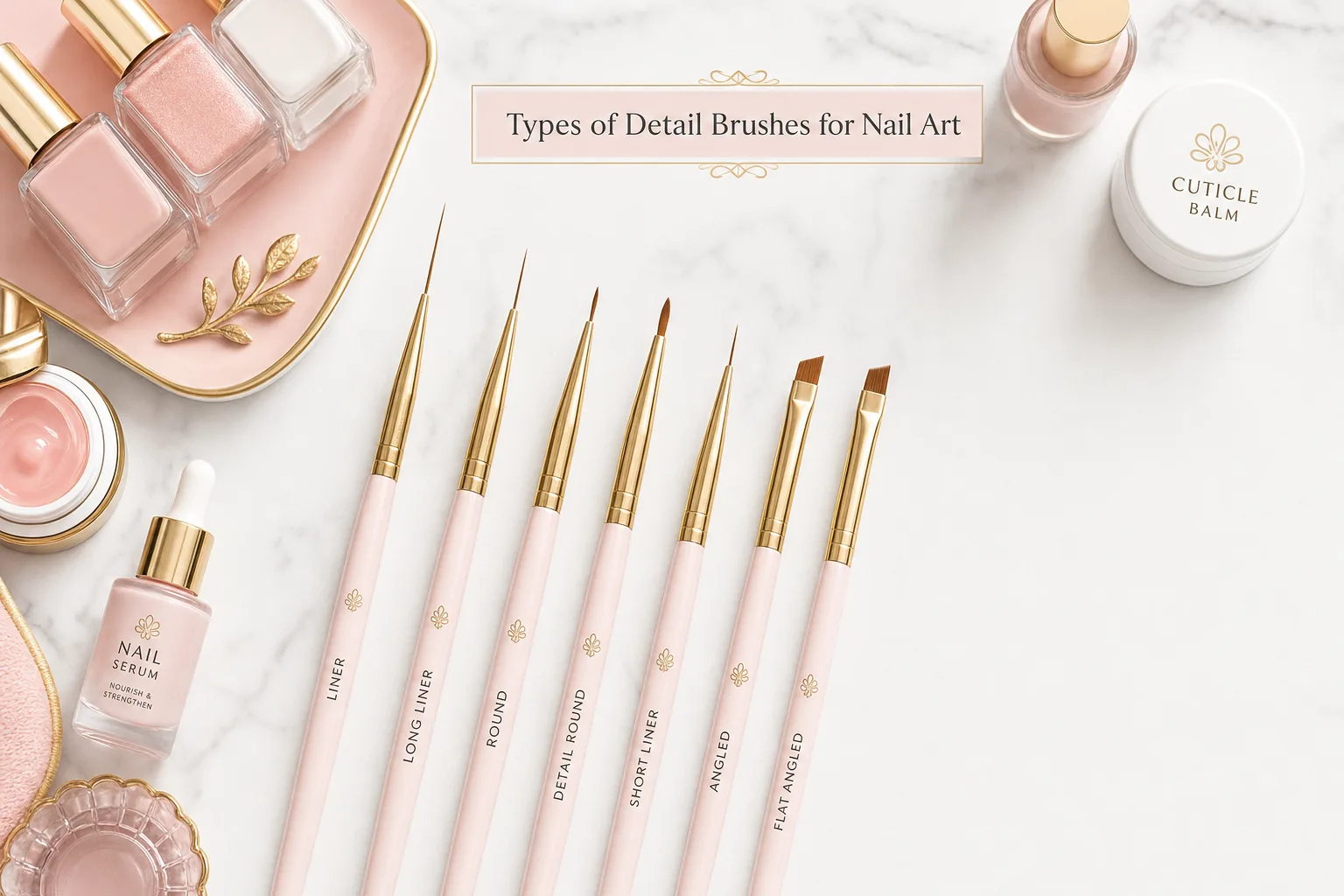
Not all detail brushes are created equal. Different designs serve different artistic purposes, and understanding these categories helps technicians build a versatile toolkit.
Liner Brushes
Liner brushes have long, thin bristles that taper to an extremely fine point. They are ideal for drawing straight lines, French tip outlines, geometric patterns, and delicate stripes. Their length allows for smooth, continuous strokes without lifting the brush mid-line.
Detail Round Brushes
These brushes have a small round tip and are perfect for dot work, small florals, and blending gradients within tight spaces. They offer more control for curved or organic shapes compared to liner brushes.
Striping Brushes
Striping brushes are similar to liner brushes but often have slightly stiffer bristles, making them suitable for acrylic paint work and 3D nail art where more product control is needed.
Angled Detail Brushes
Angled brushes allow technicians to shade, create ombré effects, and outline curved edges such as almond or coffin-shaped nails with greater accuracy.
How to Choose the Right Detail Brush for Nail Art
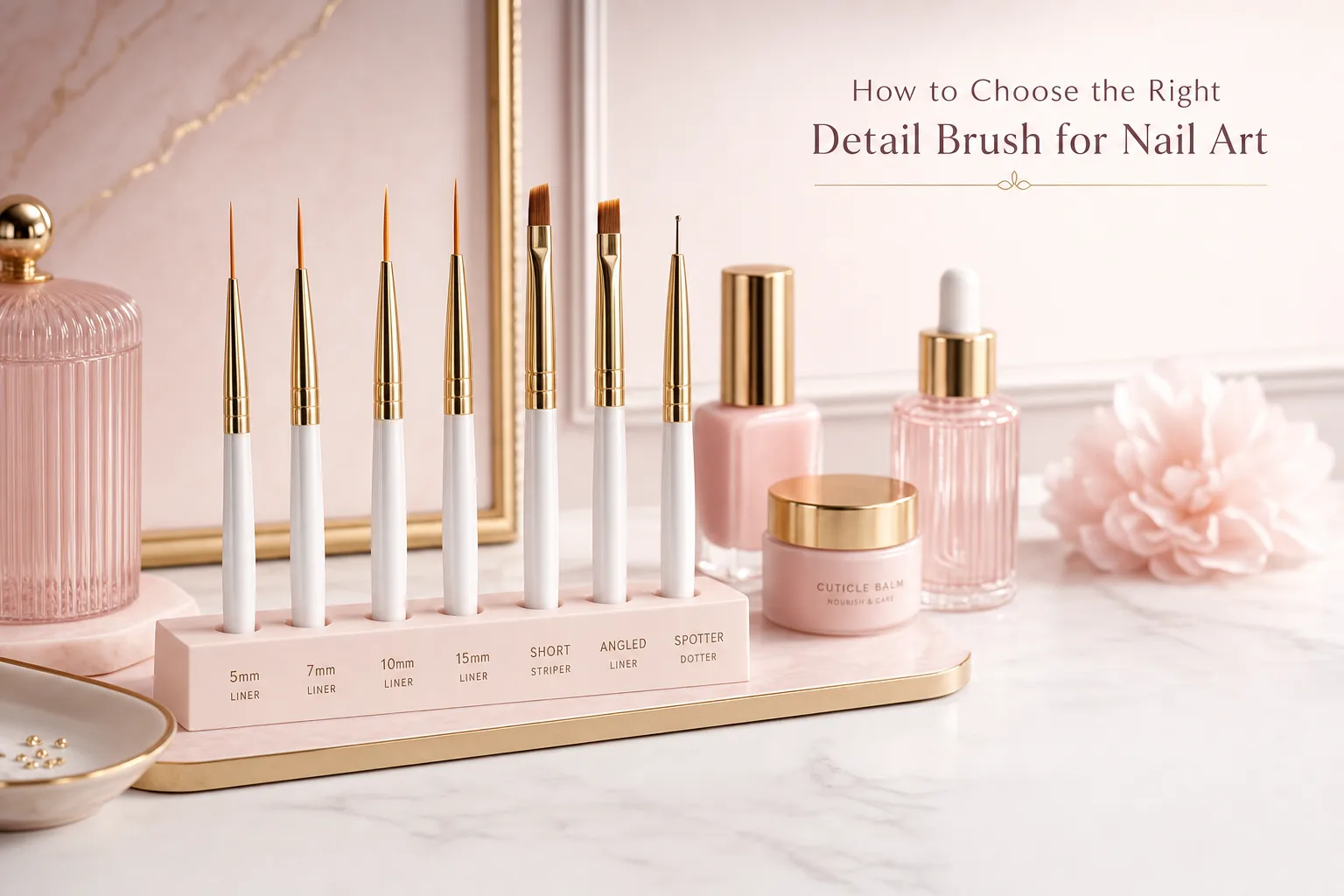
Selecting the correct detail brush depends on the type of nail art you specialize in, the products you use, and your personal hand control. Here are the main factors to evaluate before purchasing.
Bristle Material
Synthetic bristles are more durable and work well with gel polish and acrylic paint, while natural sable bristles hold more liquid product and are often preferred for detailed watercolor-style nail art using traditional lacquer.
Brush Size and Tip Shape
A size 000 or 00 liner brush is excellent for ultra-fine lines, while a size 5 or 7 round brush works better for broader detail work like petals or leaves. Beginners should start with a mid-range size before investing in an entire set of specialized tips.
Handle Comfort and Balance
Since detail work requires extended periods of steady hand control, the handle should feel balanced and comfortable. A lightweight handle with a non-slip grip reduces hand fatigue during long salon shifts.
Durability and Shedding
Always check that bristles do not shed during use. A shedding brush not only ruins the design but also wastes time correcting mistakes. Professional-grade brushes are tested for bristle retention even after repeated cleaning with acetone or brush cleanser.
How to Use a Detail Brush for Nail Art Like a Pro
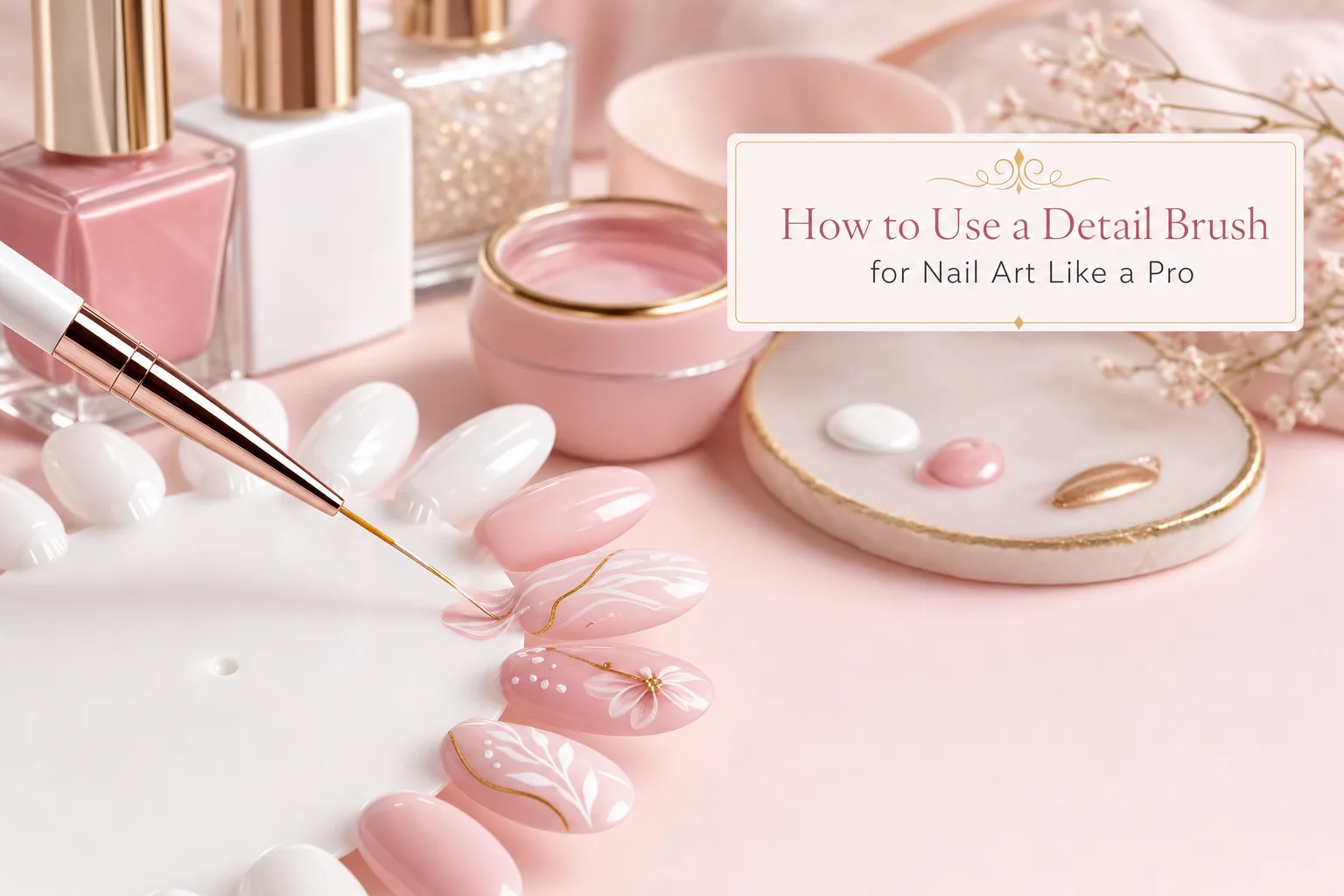
Owning a high-quality detail brush is only half the equation—technique matters just as much. Here are practical steps to maximize your results.
Proper Brush Loading
Dip the brush tip lightly into the polish or paint, then wipe off excess product on the bottle rim or a lint-free wipe. Overloading the brush is one of the most common causes of blobby, uneven lines.
Hand and Nail Positioning
Rest your hand on a stable surface and support the client’s finger with your non-dominant hand. This stability is crucial for controlling fine, deliberate strokes rather than shaky lines.
Practicing Pressure Control
Light pressure creates thin lines, while slightly increased pressure widens the stroke. Practicing pressure variation on a nail wheel before working on clients helps technicians develop muscle memory for consistent designs.
Cleaning Between Colors
Always clean the brush thoroughly with brush cleanser or acetone between colors to avoid muddying the design. A dedicated rinse cup at the workstation speeds up this process significantly.
Salon Use Case: Elevating Nail Art with the Right Brush
Consider a mid-sized nail salon that recently began offering premium nail art add-ons to increase average ticket value. Initially, technicians used generic dotting tools and worn-out brushes inherited from basic manicure kits. Clients complained that intricate designs looked smudged, and technicians struggled to complete detailed requests within reasonable appointment times.
After the salon invested in a curated set of professional detail brushes—including fine liner brushes for outlines and round detail brushes for floral work—technicians reported a noticeable improvement in both speed and design quality. Appointment times for nail art services decreased by nearly twenty percent, while client satisfaction scores for custom designs increased significantly. The salon also began promoting nail art packages more aggressively, since technicians felt confident delivering consistent, high-quality results every time.
This case illustrates a broader truth in the industry: tool quality directly impacts service quality, client retention, and ultimately, salon profitability. Sourcing dependable detail brushes for nail art is not simply about aesthetics—it is a business decision that pays for itself through faster service and stronger client loyalty.
Common Mistakes When Using Detail Brushes for Nail Art
Even experienced technicians can fall into habits that reduce the effectiveness of their detail brushes. Recognizing these mistakes helps maintain professional standards.
Using the Wrong Brush for the Design
Attempting fine line work with a thick round brush, or trying to create broad shading with a liner brush, leads to frustration and inconsistent results. Matching the brush type to the design is essential.
Neglecting Brush Maintenance
Leaving polish or gel to dry on bristles permanently damages the brush shape. Brushes should be cleaned immediately after each use, not left soaking in acetone for extended periods, which can also weaken bristle glue over time.
Ignoring Bristle Wear
Continuing to use a frayed or splayed brush produces uneven, jagged lines. Technicians should replace detail brushes regularly, especially those used daily in high-volume salons.
Skipping Practice on Nail Wheels
Jumping straight into client work without practicing new designs on a nail wheel often results in inconsistent application and wasted time correcting errors mid-service.
Caring for and Maintaining Your Detail Brushes
Proper maintenance extends the lifespan of detail brushes significantly, protecting your investment and ensuring consistent performance.
Daily Cleaning Routine
After each use, rinse the brush in appropriate cleanser, reshape the bristle tip gently, and lay it flat to dry. Avoid storing brushes tip-down in a cup, as this can bend the bristles permanently.
Deep Cleaning for Gel and Acrylic Residue
For brushes used with gel polish or acrylic paint, a weekly deep clean using a specialized brush cleanser helps dissolve stubborn residue that daily wipes may miss.
Storage Best Practices
Store detail brushes in a protective case or brush roll to prevent bristle bending and dust contamination. Keeping brushes separated by type also speeds up workflow during busy salon days.
Sourcing Professional Detail Brushes: Choosing the Right Supplier
Not all detail brushes sold online meet salon-grade standards. Many budget brushes shed bristles quickly or lose their tapered shape after just a few uses, which ultimately costs more in replacement purchases and wasted service time.
For salons and independent nail artists looking to upgrade their nail art toolkit, working with a trusted professional supplier makes a meaningful difference. JKIOCEAN offers a curated range of professional-grade nail tools, including precision detail brushes designed specifically for intricate nail art work. Their brushes are built with durable bristle construction and ergonomic handles suited for the repetitive, detail-oriented work salons perform every day.
What to Look for in a Supplier
Reliable suppliers provide consistent product quality, clear material specifications, and responsive customer support for bulk salon orders. When comparing suppliers, request samples before committing to large quantities, and prioritize vendors who understand the specific demands of professional nail art application.
Bulk Purchasing for Salons
Salons offering frequent nail art services benefit from purchasing detail brushes in bulk sets, ensuring technicians always have backup tools available and reducing service delays caused by damaged or worn brushes.
Choosing a dependable supplier like JKIOCEAN allows salon owners to focus on delivering exceptional client experiences rather than constantly troubleshooting inconsistent tool quality.
Conclusion
A detail brush for nail art may be small in size, but its impact on design quality, service efficiency, and client satisfaction is substantial. From understanding the different brush types to mastering proper technique and maintenance, every aspect of brush selection and care contributes to the overall professionalism of nail art services. As demand for intricate, custom nail designs continues to grow, investing in high-quality detail brushes—and sourcing them from reputable suppliers—positions salons and independent artists for long-term success in an increasingly competitive industry.