
 3D Gel
 Accessories
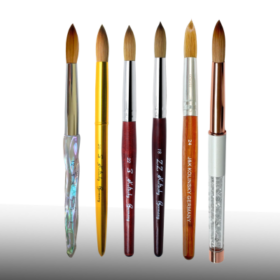 Acrylic Brushes
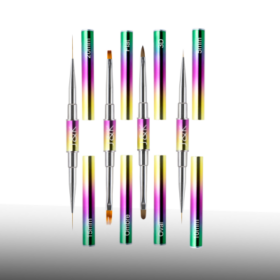 Art Brushes
 Clippers
 Design
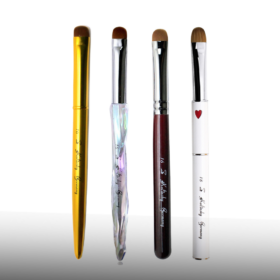 French Brushes
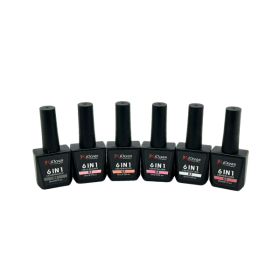 Builder Gel
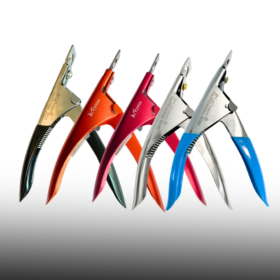 Nail Tip Cutter
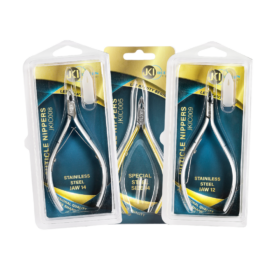 Nippers
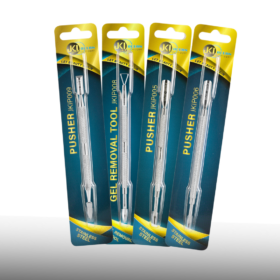 Pusher
 Scissors
 Tweezers
Jul
Blogs
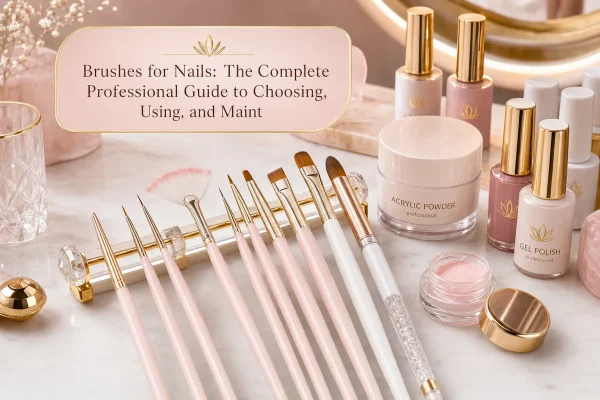
Brushes for Nails: The Complete Professional Guide to Choosing, Using, and Maintaining Nail Art Tools
Brushes for nails are among the most underrated yet essential tools in a professional nail technician’s kit. While gel polish, acrylic powders, and UV lamps often steal the spotlight, it is the precision and quality of a nail brush that ultimately determines the finish, detail, and longevity of any manicure or nail art design. Whether you are applying acrylic overlays, painting intricate floral designs, or simply cleaning up cuticle lines, the right brush transforms a good manicure into an exceptional one. This guide explores everything nail professionals need to know about selecting, using, and caring for brushes for nails, along with practical insights for building a reliable brush collection in a busy salon environment.
Why Brushes for Nails Matter in Professional Nail Artistry
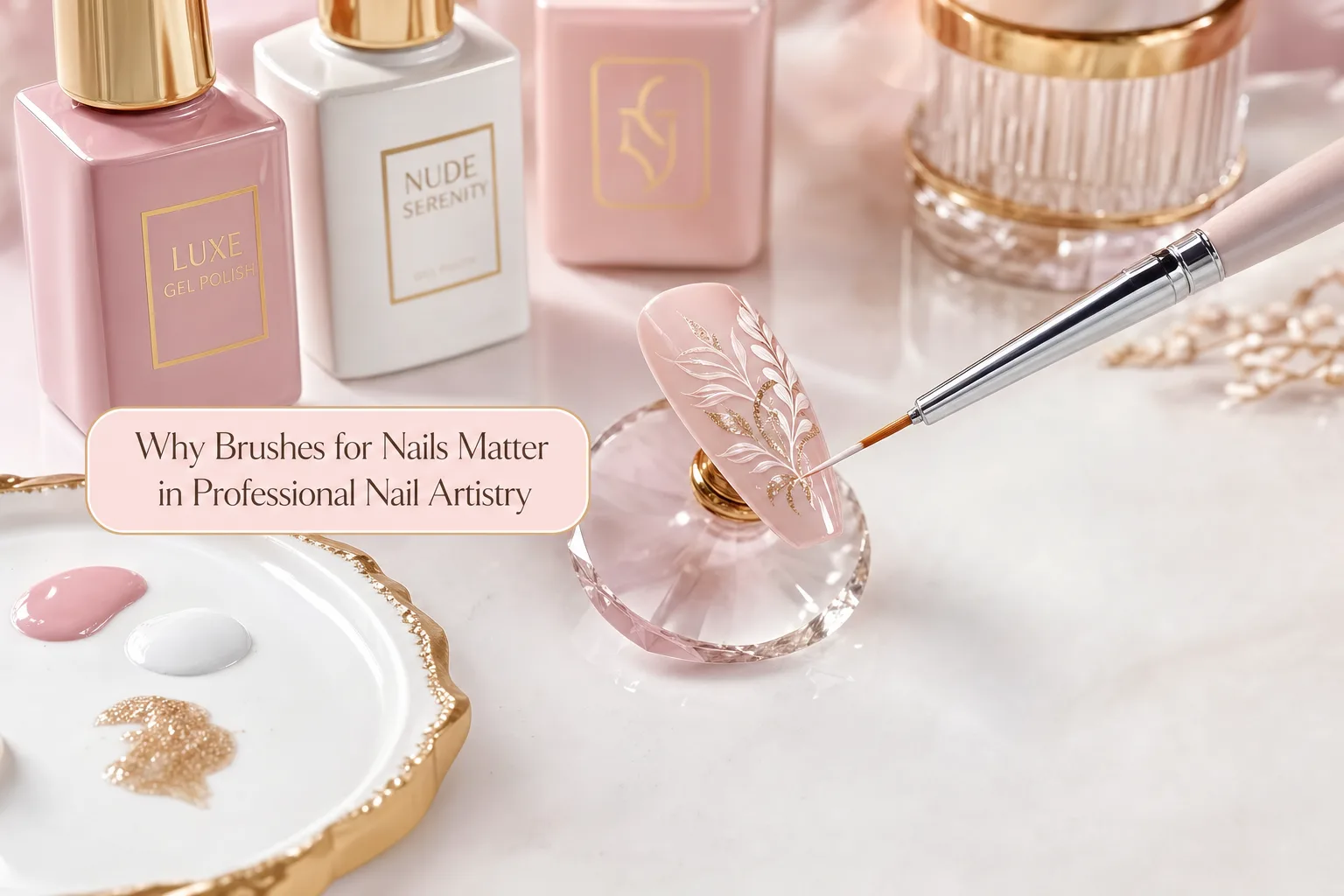
Every technician knows that the quality of a manicure is not only about the products used but also about the tools applying them. Brushes for nails directly affect how evenly acrylic or gel is placed, how crisp a French tip line appears, and how detailed a hand-painted design can be. A poorly made brush with loose bristles or an unbalanced ferrule can cause streaking, uneven product distribution, and wasted time correcting mistakes.
Professional-grade brushes are engineered with specific bristle materials, shapes, and densities to match particular techniques. Investing in high-quality brushes reduces product waste, improves application speed, and enhances the overall client experience. For salons that specialize in nail art, acrylic extensions, or luxury gel services, brushes are not a minor accessory—they are a core part of service quality and brand reputation.
The Connection Between Brush Quality and Client Satisfaction
Clients may not consciously notice the brush a technician uses, but they absolutely notice the results. Smooth acrylic application, precise nail art lines, and clean cuticle work all trace back to brush performance. Salons that consistently deliver flawless finishes often attribute part of their success to disciplined tool selection, including a well-curated set of brushes for nails suited to each service type.
Types of Brushes for Nails Every Technician Should Own
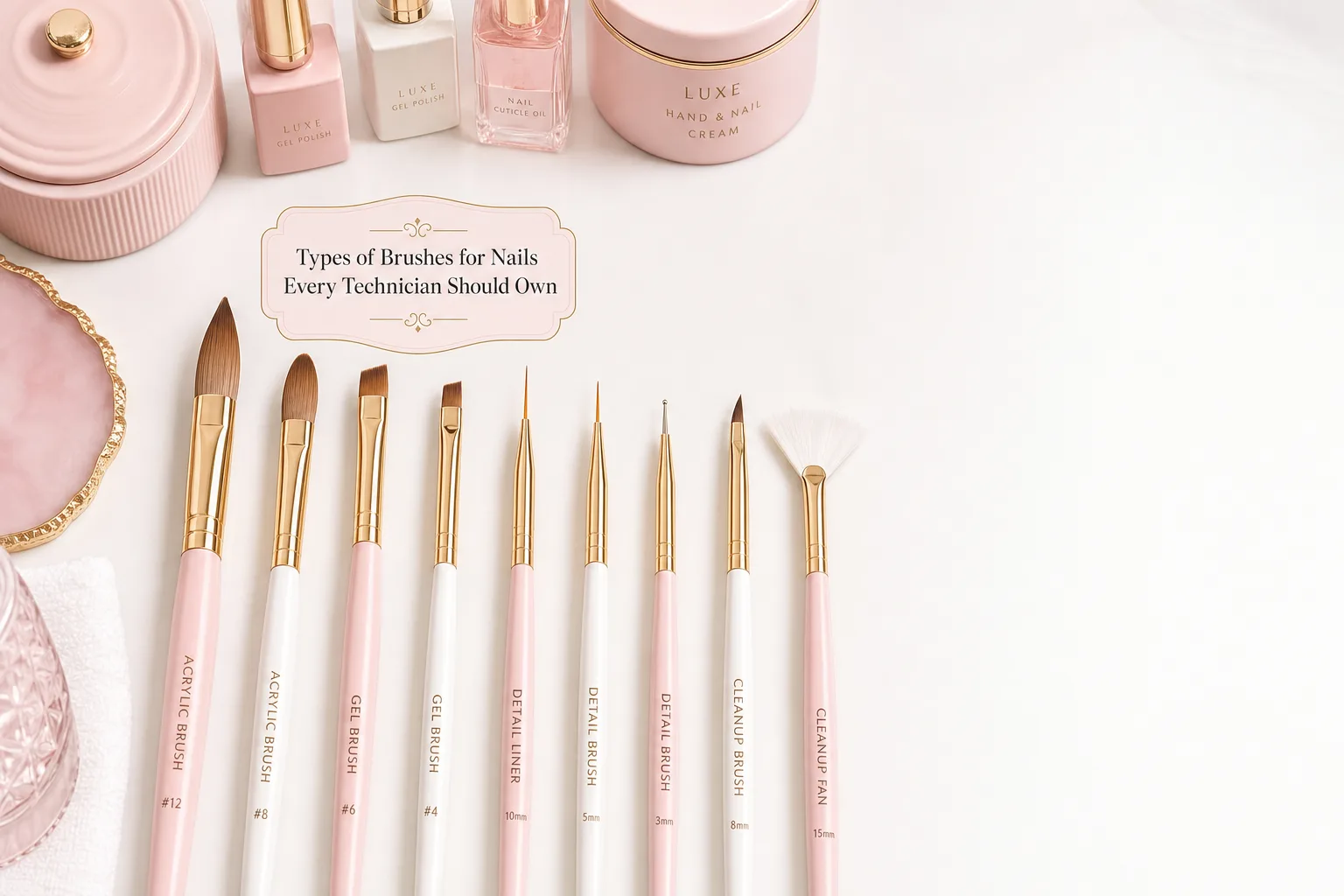
Not all nail brushes serve the same purpose. Professional technicians typically maintain a varied collection to handle different products and techniques. Understanding the distinct categories helps in building a functional and efficient toolkit.
Acrylic Brushes
Acrylic brushes are typically made from natural Kolinsky sable hair, prized for its ability to hold shape and control liquid monomer precisely. These brushes usually feature a flat, oval-shaped head that allows technicians to sculpt smooth, even extensions. The size of an acrylic brush—commonly ranging from size 8 to size 20—should be selected based on nail size and the technician’s application style.
Gel Brushes
Gel brushes are often synthetic or a blend of synthetic and natural fibers, designed to work with the thicker viscosity of gel products. They tend to have a flatter, denser head that helps spread gel evenly across the nail plate without dragging or leaving brush strokes. Some gel brushes are angled to assist with cuticle-area precision.
Nail Art Detail Brushes
For intricate designs, technicians rely on fine-point detail brushes with tapered tips. These brushes, often size 000 to 2, allow for delicate line work, dotting, shading, and freehand floral or geometric designs. A quality detail brush should hold its point even after repeated dipping into polish or gel paint.
Cleanup and Dust Brushes
Soft-bristled cleanup brushes are used to remove excess acrylic dust, polish residue, or debris from the nail surface and surrounding skin. These brushes are typically larger and softer than application brushes, designed for gentle sweeping rather than precise product placement.
Ombre and Blending Brushes
Sponge-tip or soft fan-shaped brushes are increasingly popular for ombre effects and gradient nail art. Their unique bristle structure allows for smooth color blending without harsh lines, giving technicians more creative flexibility.
How to Choose the Right Brushes for Nails
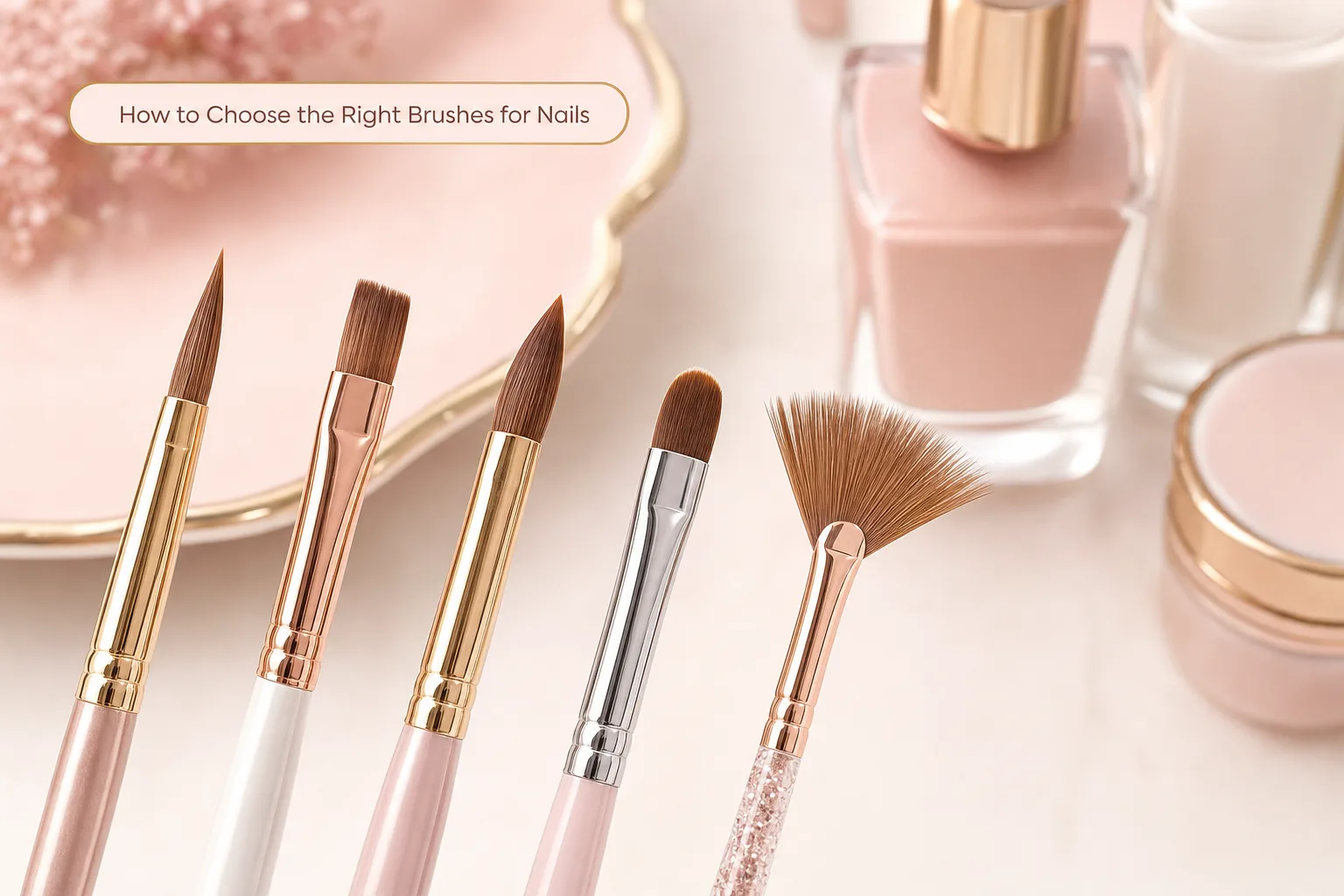
Selecting the correct brush involves more than picking a random size off the shelf. Several factors influence performance, durability, and suitability for specific techniques.
Bristle Material
Natural hair brushes, particularly Kolinsky sable, are favored for acrylic work because of their excellent snap-back and liquid retention properties. Synthetic bristles, on the other hand, are more resistant to harsh chemicals found in gel products and are easier to maintain. Understanding which material suits which product category prevents premature brush deterioration.
Ferrule and Handle Construction
The ferrule—the metal section connecting bristles to the handle—should be seamless and tightly crimped to prevent bristle shedding and moisture infiltration. A well-balanced handle, whether wood, acrylic, or metal, contributes to reduced hand fatigue during long service hours.
Brush Size and Shape for the Task
Larger flat brushes are ideal for full coverage application, while pointed or angled brushes suit detail work. Technicians should assess their typical service menu and select brush sizes accordingly, rather than relying on a single all-purpose brush for every task.
Reputation of the Manufacturer
Because brushes are a recurring investment, sourcing from a trusted manufacturer matters significantly. Established suppliers such as JKIOCEAN are known within the professional nail industry for producing consistent, salon-grade brushes that meet the rigorous demands of daily use, making them a dependable choice for technicians seeking long-term reliability.
Proper Care and Maintenance of Nail Brushes
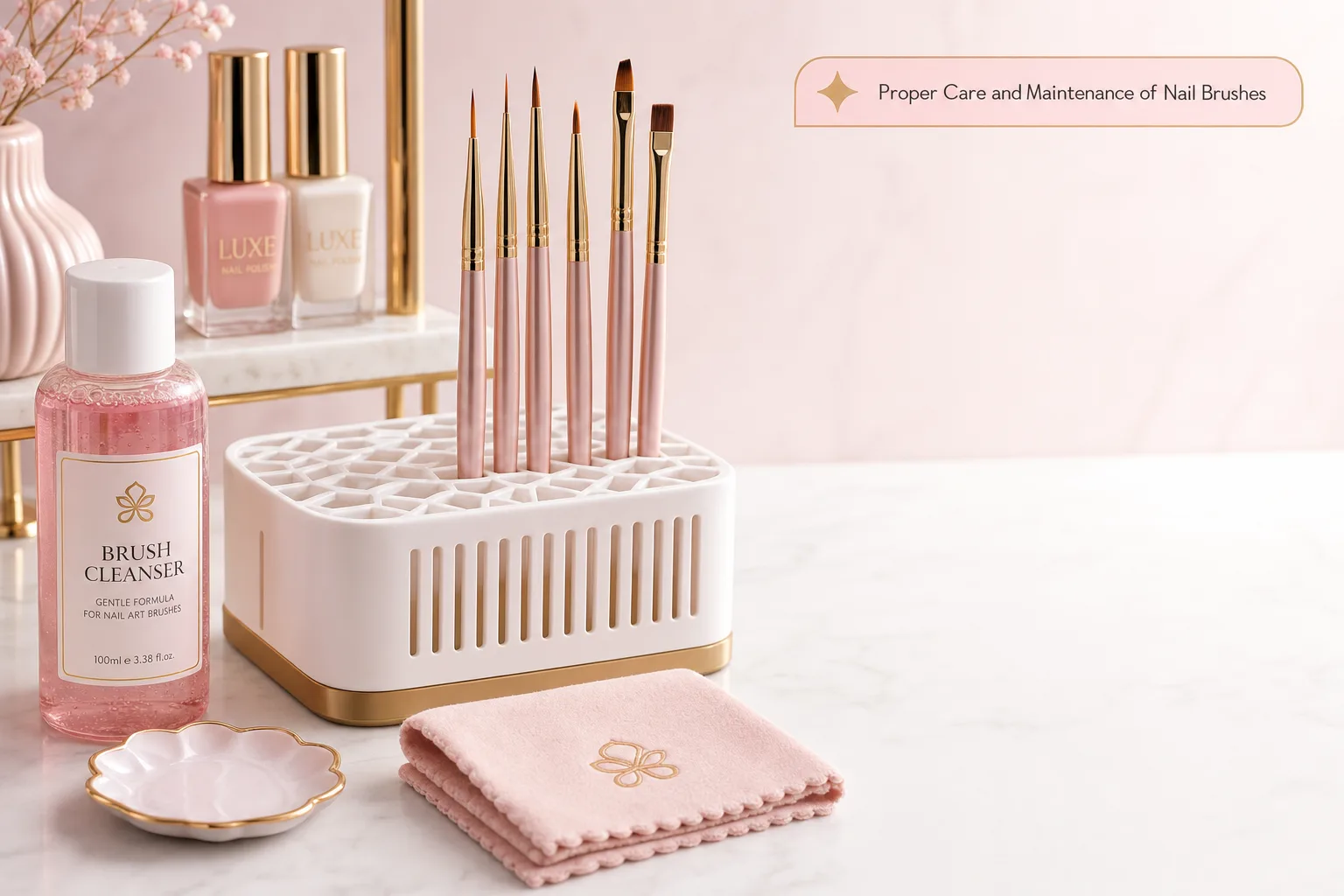
Even the highest-quality brushes for nails will degrade quickly without proper maintenance. Establishing a consistent cleaning and storage routine extends brush lifespan and preserves application precision.
Cleaning After Each Use
Acrylic brushes should be wiped with monomer immediately after use to prevent product hardening within the bristles. Gel brushes require careful cleaning with appropriate gel cleanser, as leftover uncured gel can cause bristles to stiffen or clump if left exposed to light.
Deep Cleaning and Disinfection
Periodic deep cleaning using brush cleanser solutions helps remove built-up residue that daily wiping may miss. Disinfection protocols should follow salon hygiene regulations, particularly for brushes that come into direct contact with skin or nail plates.
Storage Practices
Brushes should be stored horizontally or bristle-up in a ventilated case to maintain their shape and prevent bristle bending. Avoid placing brushes in sealed containers while still damp, as trapped moisture encourages bacterial growth and bristle damage.
Recognizing When to Replace a Brush
Signs such as splayed bristles, loss of point definition, or shedding hairs indicate it is time to retire a brush. Continuing to use a deteriorated brush compromises both application quality and client safety.
Salon Use Case: Building a Brush Collection for a High-End Nail Studio
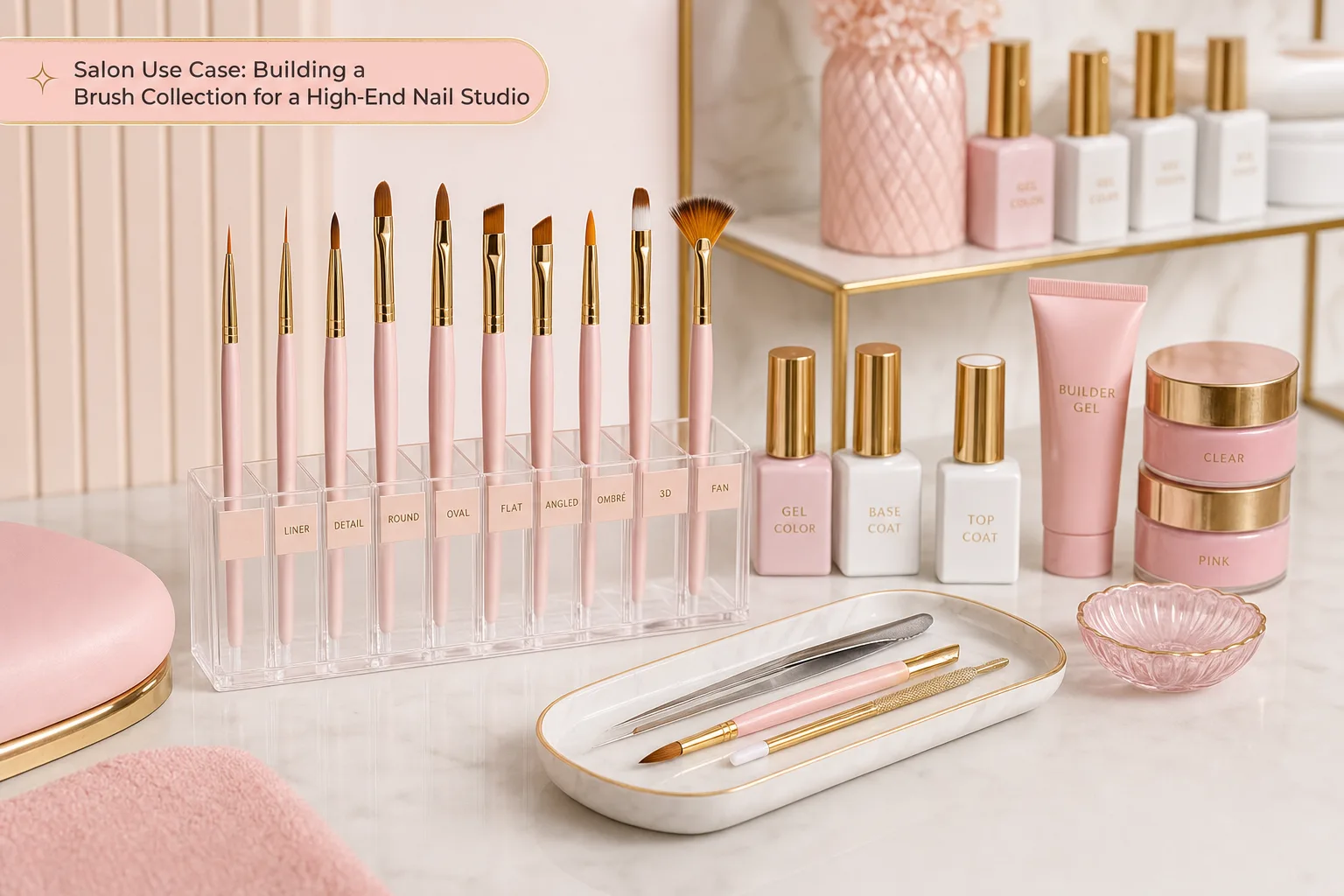
Consider a mid-sized nail studio that recently expanded its service menu to include advanced nail art, acrylic extensions, and gel overlays. Initially, the salon relied on a limited set of generic brushes shared across technicians, leading to inconsistent results and frequent product waste. After auditing their tool inventory, the salon owner decided to restructure the brush collection based on service type.
Each technician was assigned a personal set including a size 12 Kolinsky acrylic brush for extensions, a flat synthetic gel brush for overlays, a size 0 and size 2 detail brush for nail art, and a soft cleanup brush for finishing touches. The salon also introduced a labeled storage system to prevent cross-contamination between acrylic and gel brushes, since product residue from one system can interfere with the curing or setting process of another.
Within a few months, the studio reported faster service times, reduced product waste, and noticeably cleaner nail art lines, particularly in intricate seasonal designs. Clients began specifically requesting technicians known for their detailed hand-painted nail art, directly linking brush investment to increased bookings and higher average service value. This case illustrates how thoughtful brush selection and organization can influence not just artistic quality but also business performance.
Common Mistakes When Using Brushes for Nails
Even experienced technicians can fall into habits that shorten brush lifespan or compromise application quality. Recognizing these common mistakes helps maintain professional standards.
Using One Brush for Multiple Product Types
Switching between acrylic, gel, and polish without dedicating specific brushes to each product category often leads to contamination, altered curing behavior, and premature bristle damage. Each product system deserves its own designated brush.
Neglecting Immediate Cleaning
Allowing acrylic monomer or gel residue to dry on bristles is one of the fastest ways to ruin a quality brush. Technicians under time pressure sometimes delay cleaning, resulting in stiff, unusable bristles within weeks.
Applying Excessive Pressure
Pressing too hard while applying product can splay bristles and distort brush shape over time. Light, controlled pressure not only preserves the brush but also produces smoother, more even application.
Ignoring Brush Size Appropriateness
Using an oversized brush for detail work or an undersized brush for full coverage application leads to inefficient service and inconsistent results. Matching brush size to task is a simple but frequently overlooked factor.
Storing Brushes Improperly
Tossing brushes loosely into drawers or bags without protective caps exposes bristles to bending, dust accumulation, and accidental damage. A dedicated brush case or roll significantly reduces wear.
Trusted Brands and Suppliers for Professional Nail Brushes
With the growing variety of nail brushes available on the market, sourcing from reputable suppliers is critical for consistent quality. Professional-grade brushes should demonstrate durable construction, appropriate bristle behavior, and consistency across batches, since inconsistent quality can disrupt salon workflow and client satisfaction.
Suppliers specializing in professional nail tools, such as JKIOCEAN, offer curated selections designed specifically for salon environments rather than casual consumer use. These suppliers typically provide detailed specifications on bristle material, ferrule construction, and recommended usage, allowing salon owners and technicians to make informed purchasing decisions rather than relying on guesswork. Building a relationship with a dependable supplier also simplifies restocking and ensures brush quality remains consistent across a technician team, which is particularly valuable for salons managing multiple stations or locations.
When evaluating potential suppliers, it is wise to request sample brushes before committing to bulk orders, examine bristle retention after initial use, and review other professionals’ feedback within the industry. A reliable supplier relationship ultimately supports long-term service quality and operational efficiency.
In the end, brushes for nails are far more than simple application tools—they are instruments of precision that directly shape the quality, consistency, and artistry of professional nail services. From selecting the right bristle material and brush shape to maintaining proper cleaning routines and sourcing from trusted suppliers, every decision surrounding nail brushes contributes to better outcomes for both technicians and clients. Salons that treat brush selection and care as a serious component of their toolkit strategy often see measurable improvements in service quality, client retention, and overall professional reputation. Investing thoughtfully in brushes for nails is, without question, an investment in the long-term success of any nail business.