
 3D Gel
 Accessories
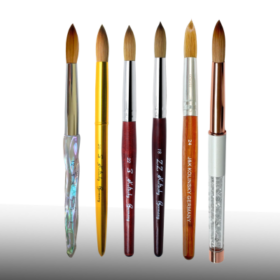 Acrylic Brushes
 Art Brushes
 Clippers
 Design
 French Brushes
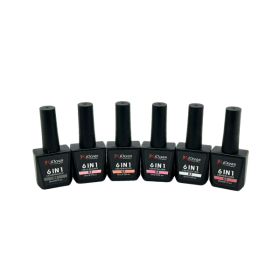 Builder Gel
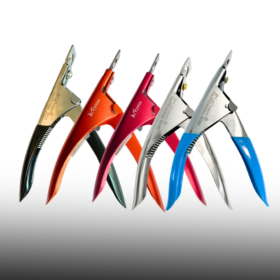 Nail Tip Cutter
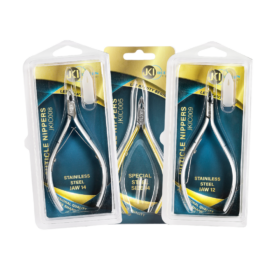 Nippers
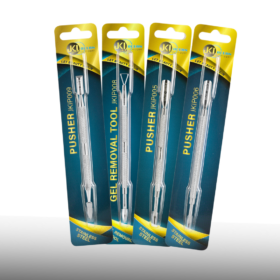 Pusher
 Scissors
 Tweezers
May
Blogs
Acrylic Brushes for Nails Nearby: How to Find the Right Brush Fast (and Avoid Buying the Wrong One)
Searching “acrylic brushes for nails nearby” usually means you need a brush quickly—maybe your main brush frayed, your ferrule loosened, or you’re stocking a new station and can’t wait for shipping. The challenge is that local stores often carry a mix of true acrylic brushes, gel brushes mislabeled as acrylic, and “starter brushes” that won’t hold a bead cleanly. If you buy the wrong one, acrylic application becomes harder, slower, and messier—especially around the cuticle zone.
This guide helps you choose the right acrylic brush, shop locally with confidence, and test quality in minutes. It’s written for nail technicians and salon owners, but it works for any serious learner.
What Makes an Acrylic Brush?
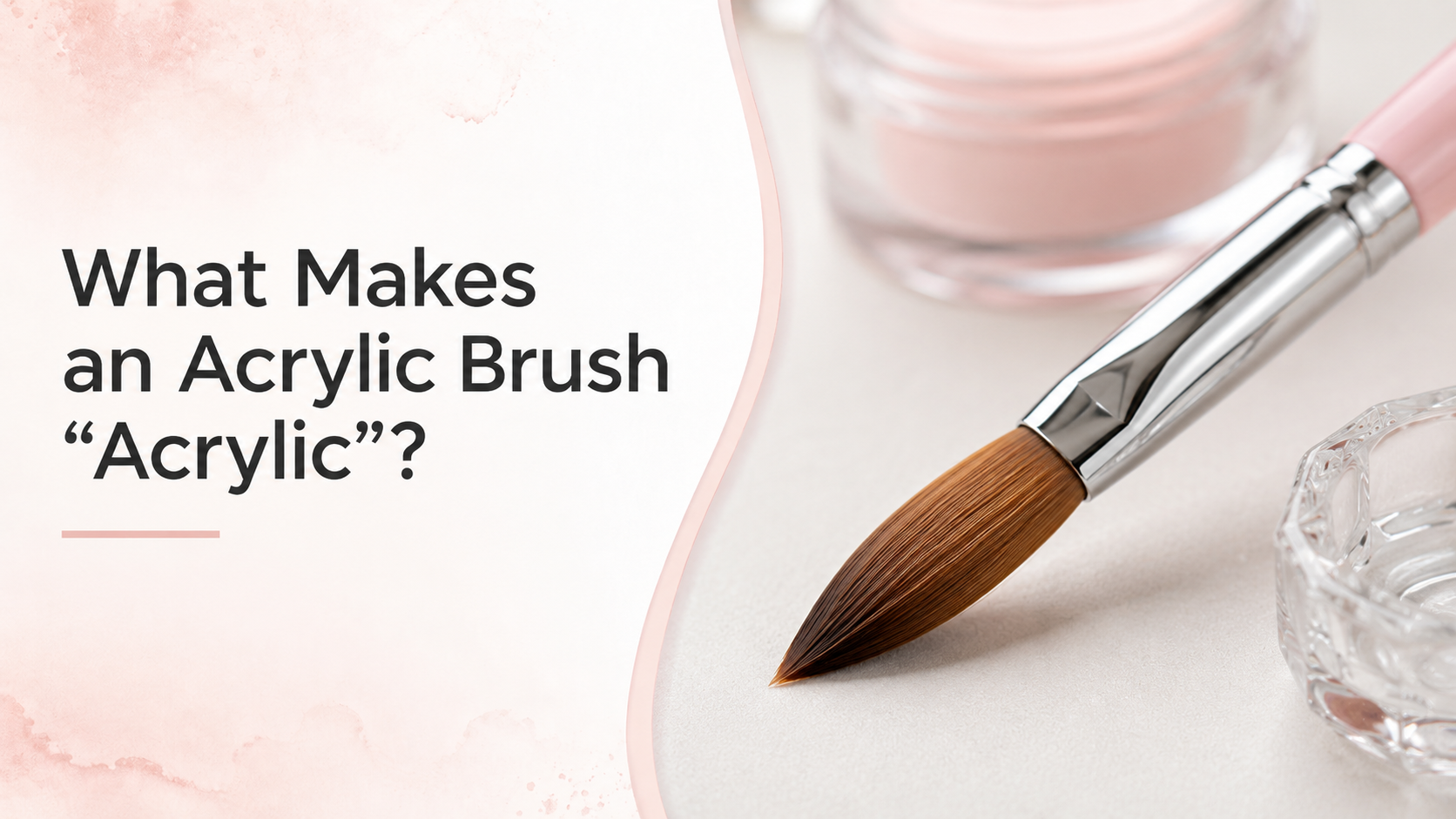
An acrylic brush is built to pick up monomer + powder and control the bead. That requires:
- Bristles that hold liquid well (so the bead doesn’t dry instantly)
- A shape that lets you press and glide without splaying
- A tip that returns to form after each stroke
- A ferrule that stays tight and doesn’t trap product
If a brush doesn’t hold monomer properly, you’ll fight dry beads, gritty texture, and inconsistent application.
The 60-Second Checklist Before You Buy Locally

When you’re shopping “nearby,” you usually have one chance to pick right. Use this fast checklist:
Shape: Oval is the safest all-around
Most professionals use oval (or oval-round) brushes for acrylic. It gives:
- A clean cuticle line
- Better sidewall control
- Smooth blend strokes
Avoid super-flat brushes unless you’re already confident with your technique.
Size: Choose based on speed and control
- Size 8: good control for beginners, smaller nail beds
- Size 10: the “do-everything” size for many techs
- Size 12: popular for full sets with faster coverage
- Size 14+: speed work and larger beads (advanced control)
If you need one brush today, size 10 or 12 is usually the safest choice.
Bristle quality: Kolinsky vs synthetic
Many pros prefer Kolinsky because it holds monomer well and maintains shape longer. Synthetic can work for practice, but it often:
- Holds less liquid
- Loses point faster
- Feels springy in a way that makes bead control harder
If a store doesn’t specify hair type, ask directly.
Ferrule: tight and clean
Check the metal part (ferrule):
- It should be tight, not loose
- No gaps where liquid can creep in
- No visible glue or bristle shedding
A loose ferrule is a short life brush.
Handle balance
Acrylic application is repetitive. If the handle feels too light or too heavy, your hand tires faster and your cuticle zone suffers. Choose what feels stable.
Where to Buy Acrylic Brushes for Nails Nearby (Best Local Options)
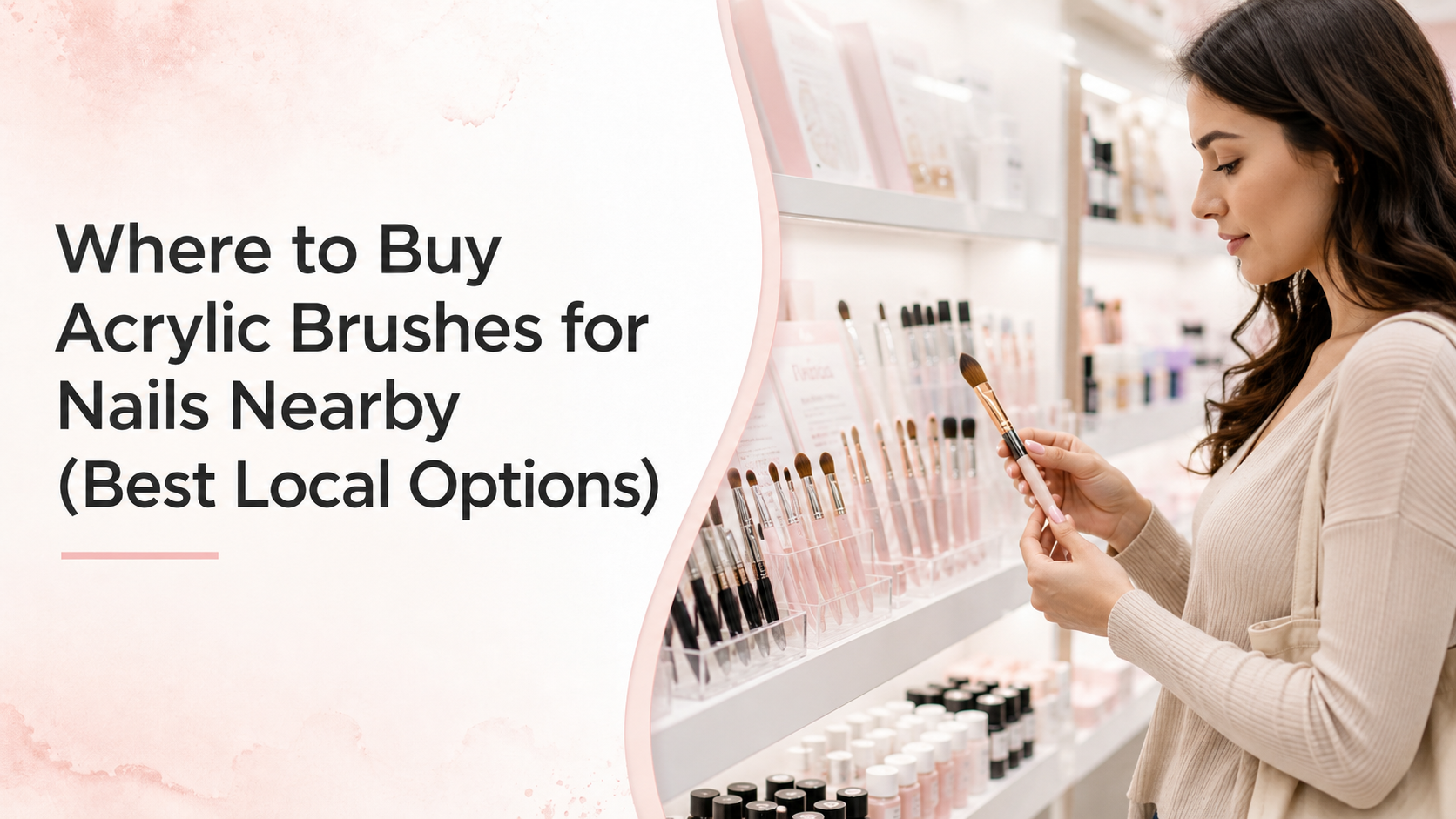
Option A: Nail supply stores and beauty supply shops (best overall)
These stores cater to working techs, so they’re more likely to carry real acrylic brushes in multiple sizes.
What to do:
- Search for “nail supply store” or “beauty supply” plus your area
- Call ahead and ask: “Do you carry Kolinsky acrylic brushes in size 10 or 12?”
- Ask if you can inspect shape and ferrule alignment in person
Option B: Salon wholesalers or distributor warehouses (best for bulk)
If you’re stocking multiple stations, wholesalers often have better pricing and consistent stock.
Ask about:
- Multi-pack options by size
- Replacement caps and brush cases
- Return policy for defects
Option C: Local nail academies or pro stores (surprisingly good)
Some training centers sell pro supplies onsite. The advantage is that products are often chosen for learning and reliability.
Option D: Same-day online pickup (when stores are closed)
In large cities, local pickup or same-day delivery can save you. The downside is you can’t test the brush before purchase, so prioritize:
- Clear size and hair type listing
- Strong return policy
- Real nail-tech reviews (not generic “it’s cute” reviews)
How to Test a Brush in the Store Without Using Monomer
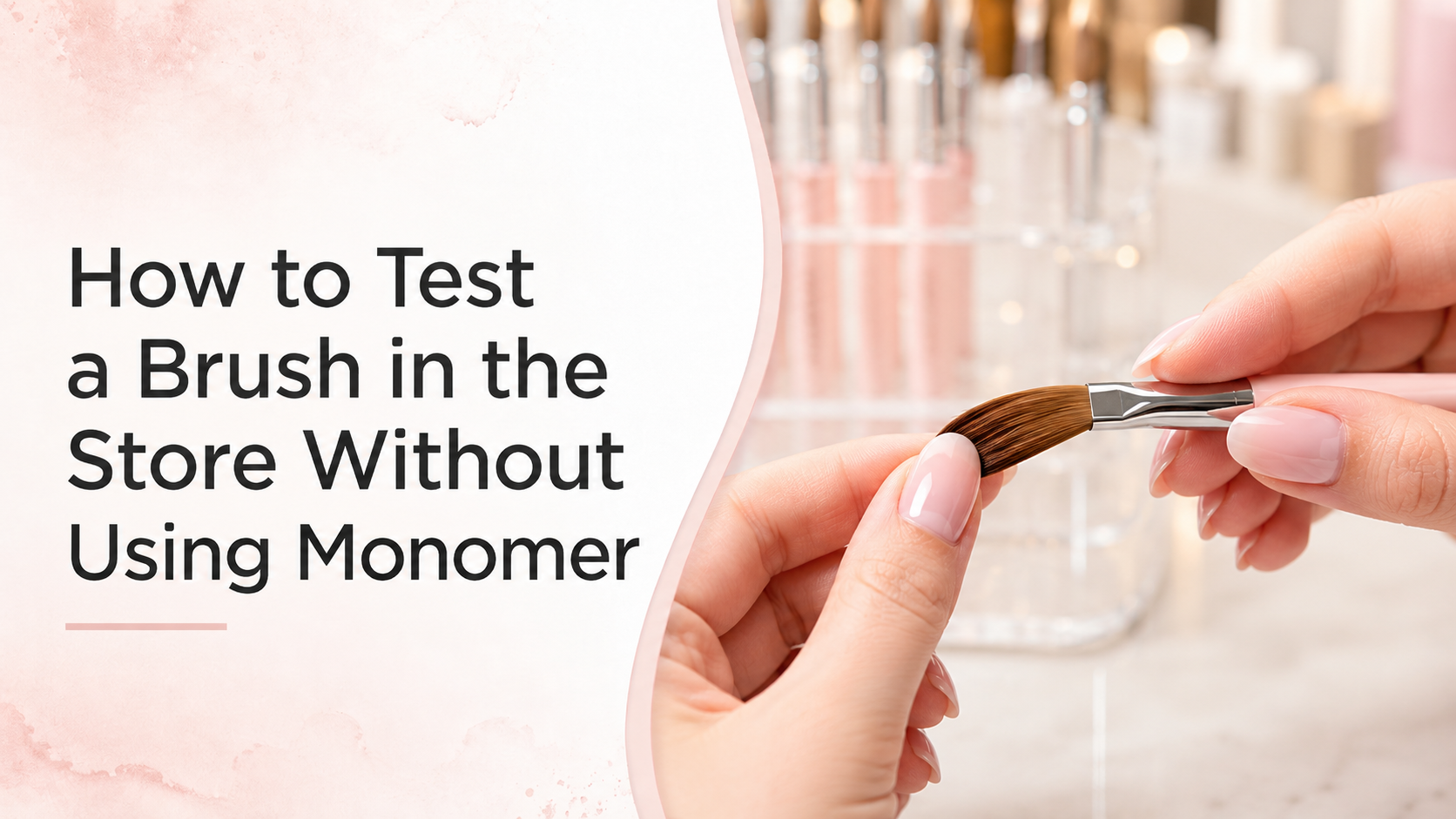
Most stores won’t let you dip in liquid. You can still do a quality check:
The shape memory test
Gently bend the bristles with your fingertip and release. A good brush returns to shape without splaying.
The point and belly check
Look for:
- A clean, centered point
- A full “belly” (the middle thickness that holds liquid)
A brush that’s too thin won’t hold monomer well.
The shedding check
Lightly pinch the bristles and pull your fingers down. If hairs come out easily, skip it.
The ferrule seal check
Look closely where bristles enter the ferrule. Gaps here often lead to trapped acrylic and early failure.
Common Mistakes When Buying Acrylic Brushes Nearby
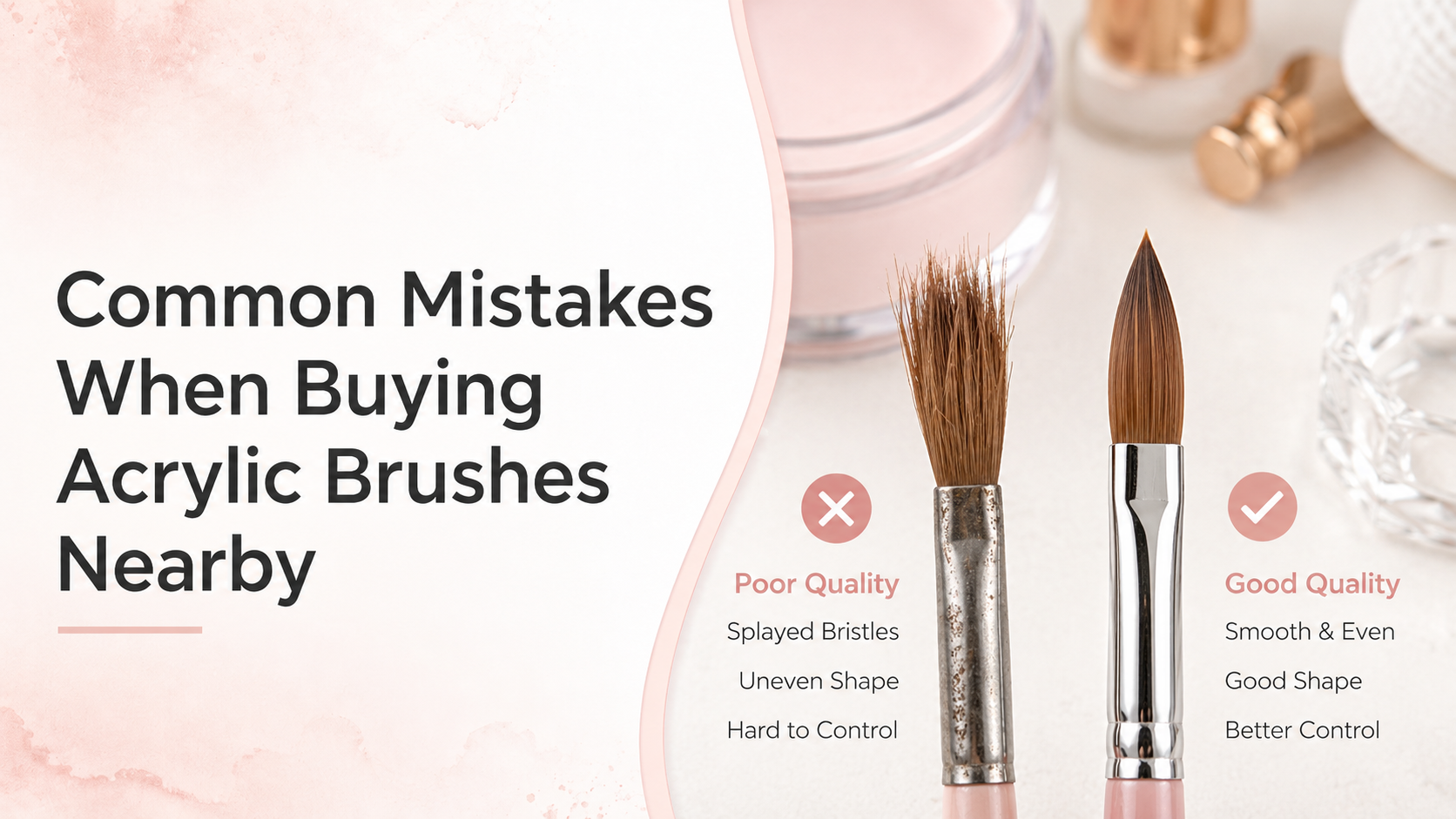
Mistake 1: Buying based on price alone
Cheap brushes can cost more in the long run because they:
- Create slower application
- Increase filing time
- Need replacement sooner
Mistake 2: Choosing the wrong size
A size 16 can feel impressive, but if you’re not ready for large beads, it will make your work messy. Most techs can build a full set efficiently with a 10–12.
Mistake 3: Buying a gel brush thinking it’s acrylic
Gel brushes are designed for different viscosity and don’t hold monomer the same way.
Mistake 4: Ignoring the cap
A brush without a cap is at higher risk of tip damage in your bag or drawer. If your new brush comes without protection, buy a case.
Once You Get the Brush: How to Prep It for First Use
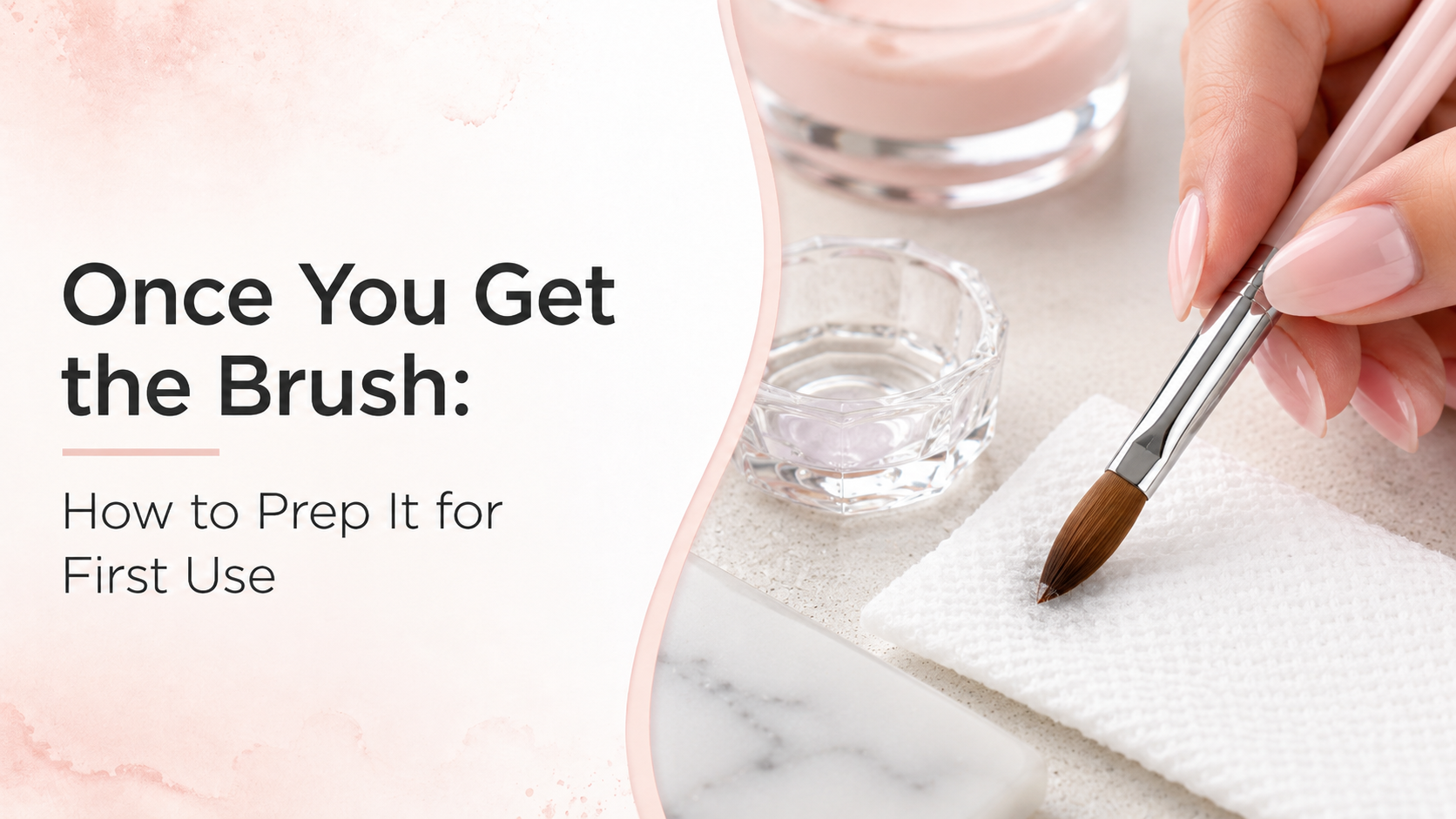
Many new acrylic brushes arrive with a stiff coating to protect bristles. Before using on a client:
- Gently remove protective coating using a lint-free wipe
- Dip briefly in monomer
- Wipe and reshape the tip
- Repeat until the brush feels flexible and smooth
Never use acetone to “clean” a new acrylic brush. It dries out bristles and shortens life.
Brush Care That Keeps It Working Like New
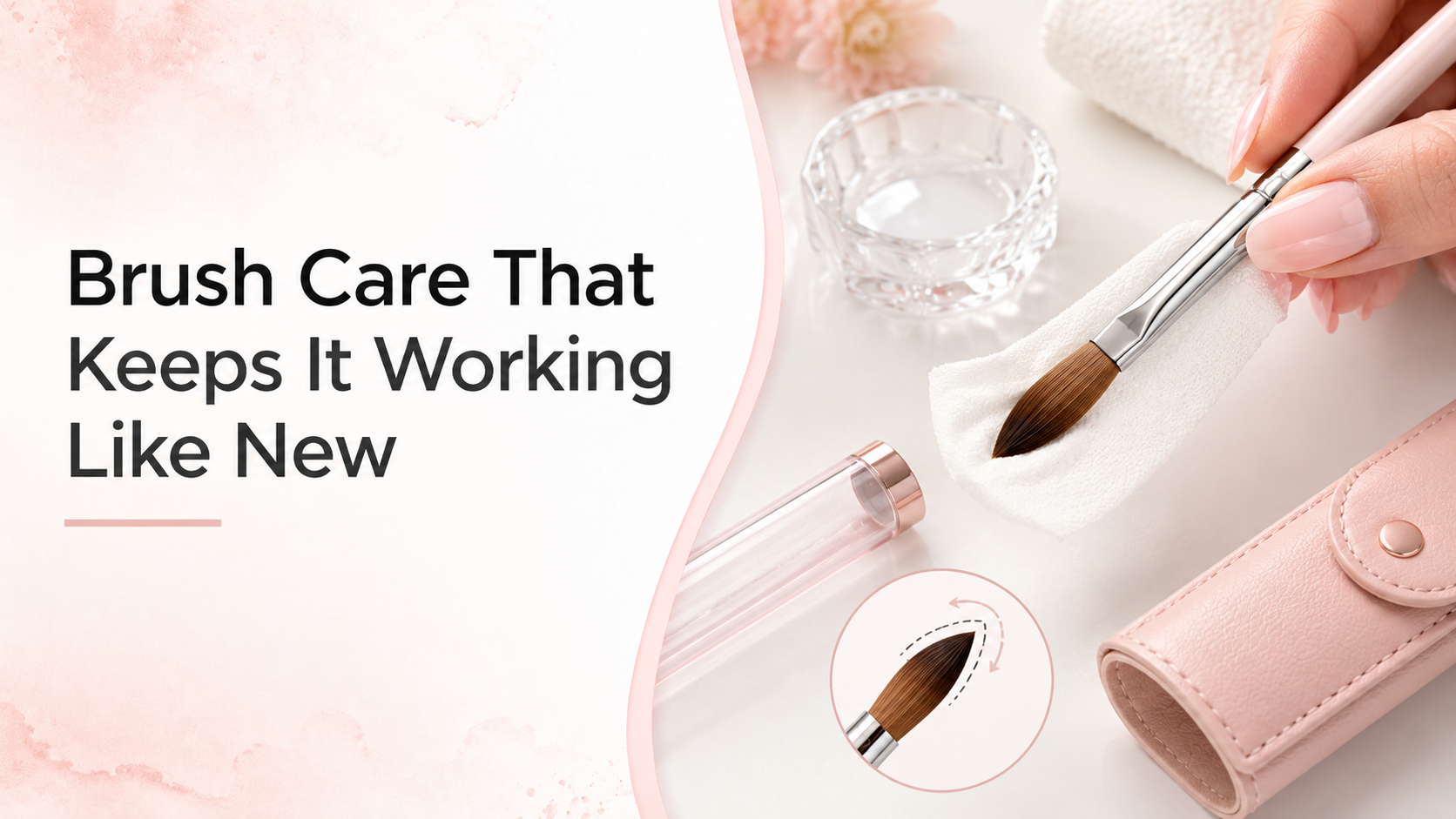
If you want your “nearby” brush to last:
- Clean in monomer after each use
- Wipe gently, don’t scrub aggressively
- Reshape the tip before storing
- Store capped and away from dust
- Never let acrylic dry inside the bristles
- Keep a backup brush ready in your kit for emergencies
Acrylic brush performance is 50 percent quality and 50 percent maintenance.
When You Should Replace an Acrylic Brush
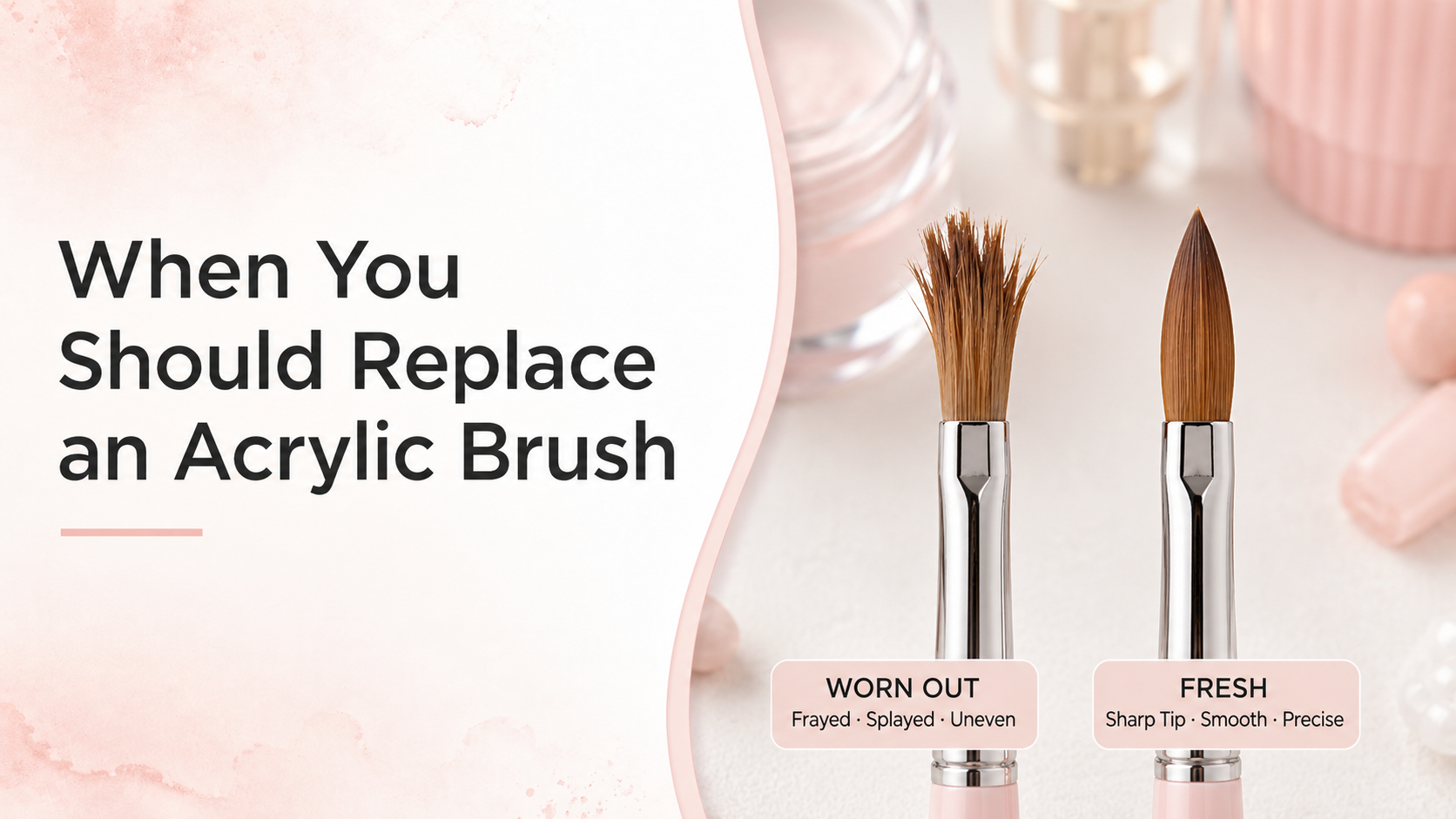
Replace or service a brush when:
- The tip won’t form a point
- Bristles splay even after cleaning
- Ferrule loosens
- You feel the brush dragging instead of gliding
- Beads become inconsistent despite correct ratio
A worn brush can sabotage even excellent technique.
Finding acrylic brushes for nails nearby doesn’t have to be a gamble. Focus on what matters: oval shape, size 10 or 12 for most work, strong shape memory, tight ferrule, and bristles that hold monomer well. Shop at nail supply stores or wholesalers when possible, inspect the brush carefully, and protect your purchase with proper cleaning and storage.
The right brush makes acrylic feel smooth and controlled again—especially at the cuticle line, where quality tools show their value immediately.