
 3D Gel
 Accessories
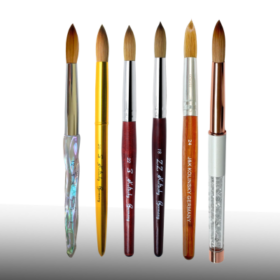 Acrylic Brushes
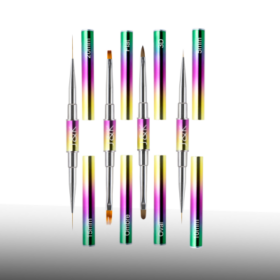 Art Brushes
 Clippers
 Design
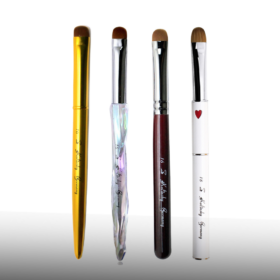 French Brushes
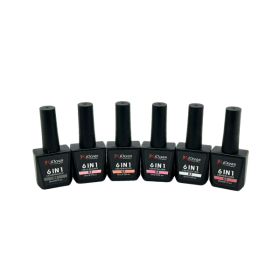 Builder Gel
 Nail Tip Cutter
 Nippers
 Pusher
 Scissors
 Tweezers
Sep
Blogs
Builder Gel vs Acrylic Powder: Which is Best?
Understanding the core differences between builder gel vs acrylic powder is crucial for achieving your desired nail enhancements. Both offer longevity and aesthetic appeal, but they employ distinct chemical processes and application techniques.
What are Builder Gel vs Acrylic Powder?
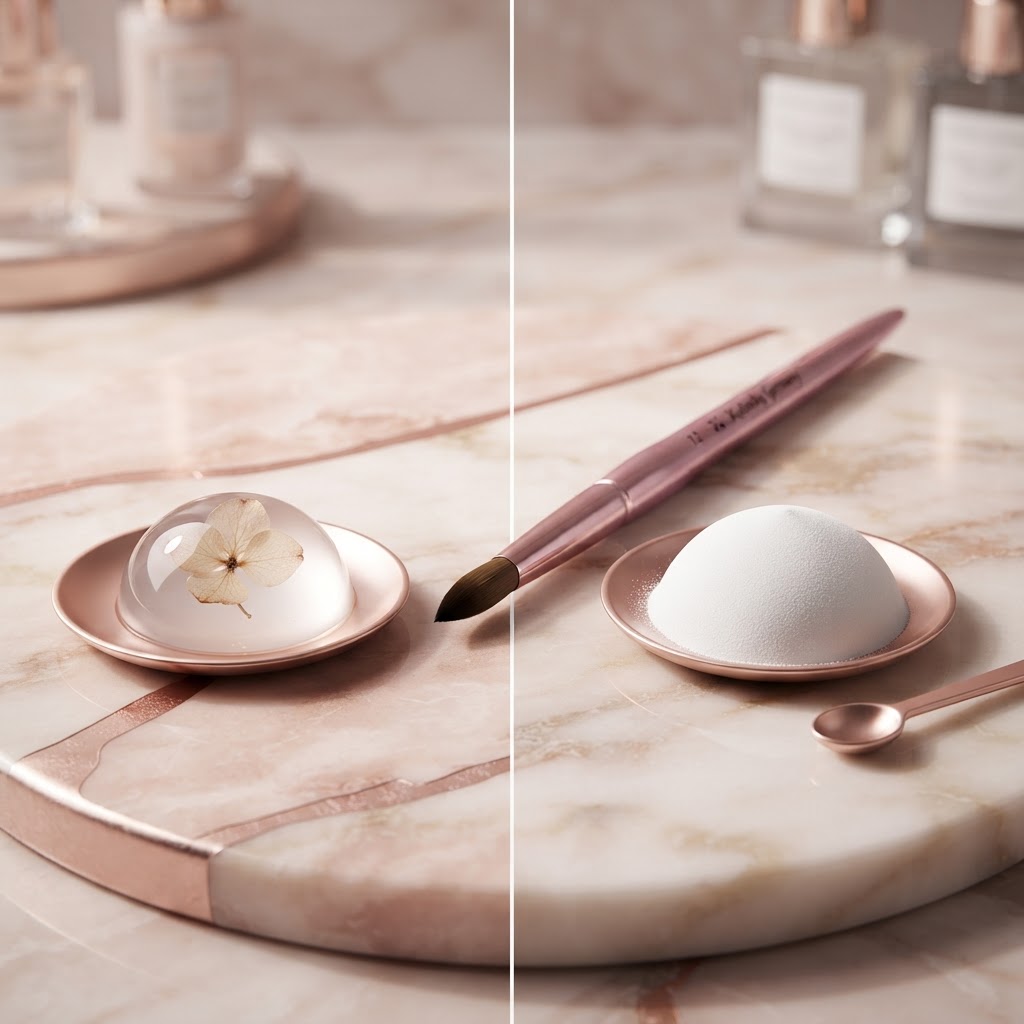
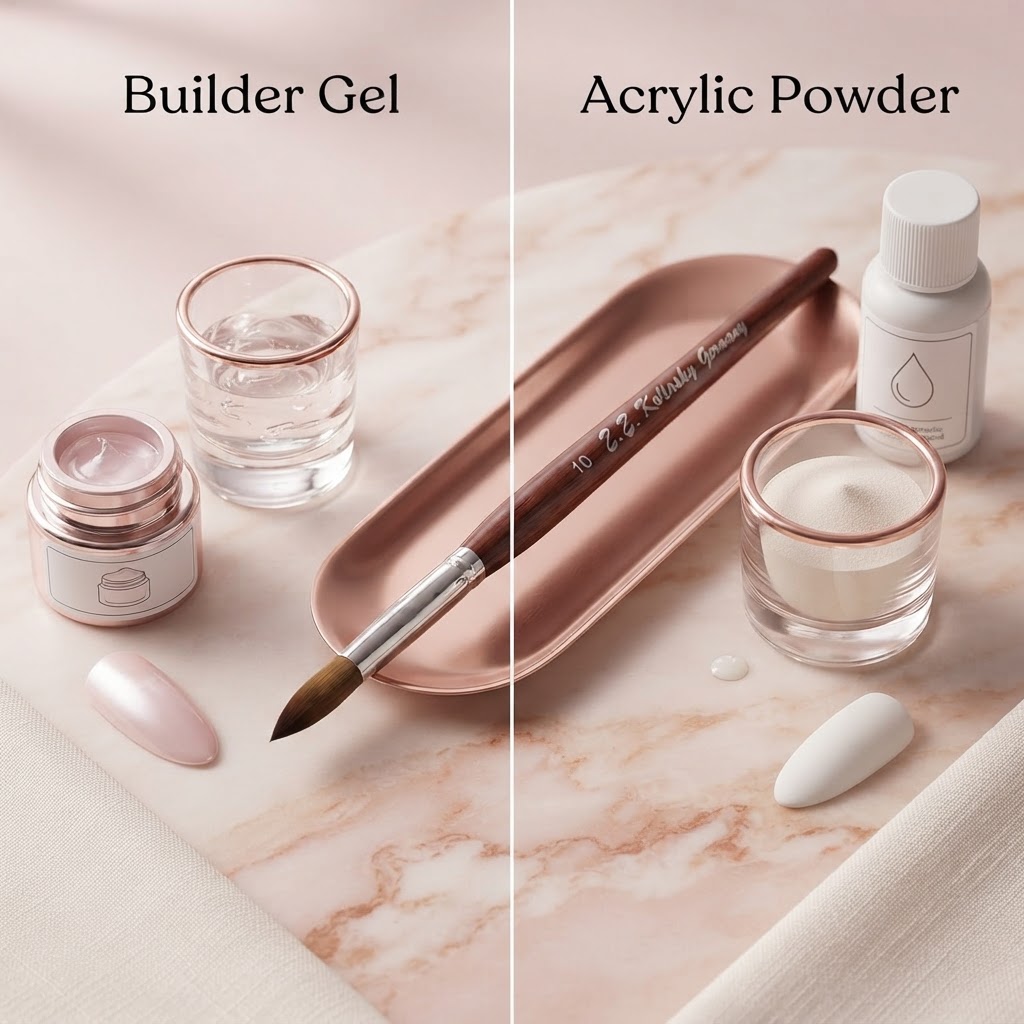
Builder gel is a type of UV- or LED-curable gel specifically formulated to add strength, length, and shape to natural nails, acting as an overlay or extension. It is a viscous, self-leveling liquid that hardens when exposed to UV or LED light. Unlike traditional gel polish, builder gel is thicker and designed for structural purposes, making it ideal for creating sculpted nail extensions or reinforcing weak natural nails. Its flexibility once cured contributes to a more natural feel and less risk of breakage.
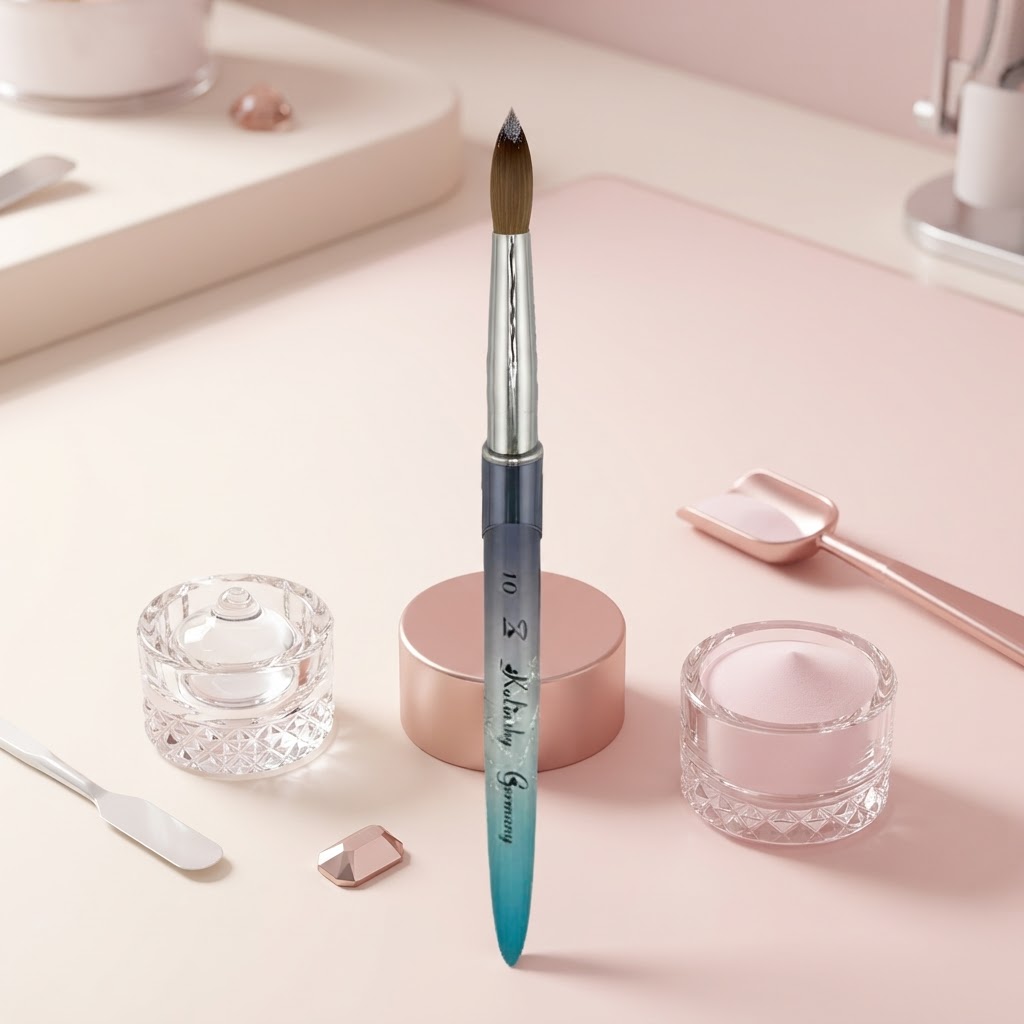
Acrylic powder, conversely, is a dry powder that, when combined with a liquid monomer, forms a pliable dough-like substance. This mixture, often referred to as “acrylic,” is sculpted by a nail technician onto the natural nail or a nail tip to create extensions or overlays. The acrylic hardens through a chemical reaction with the air, typically within minutes, without the need for a UV or LED lamp. This rapid curing process allows for quick application and shaping. The resulting nail is generally very hard and durable, though less flexible than gel.
How do Builder Gel vs Acrylic Powder Differ in Application?
The application process for builder gel and acrylic powder presents a significant divergence, influencing both the time commitment and the skill required. Builder gel applications necessitate a UV or LED lamp for curing. After preparing the natural nail, a base coat is applied, followed by layers of builder gel. Each layer must be cured under the lamp before the next is applied. This controlled curing process allows for precise shaping and manipulation of the gel. It’s a more methodical, step-by-step approach. The self-leveling nature of builder gel also aids in creating a smooth, even surface with less filing than acrylics. The typical application time can range from 45 minutes to 1.5 hours, depending on the complexity of the desired nail shape and length.
Acrylic powder application involves a distinct chemical reaction. The nail technician dips a brush into the liquid monomer and then into the acrylic powder, creating a bead of material. This bead is then quickly applied to the nail and sculpted into the desired shape before it hardens. The speed at which acrylic hardens means the technician must work efficiently and skillfully to achieve a smooth finish and the correct form. Minimal filing is often required after the initial shaping, as the technician aims for precision during application. The curing time is almost instantaneous once the bead is placed, though the full hardness develops over a few minutes. An acrylic application is generally faster than builder gel, often completed within 30 to 60 minutes, especially for basic enhancements.
What are the Durability and Longevity Differences?
When assessing durability and longevity, both builder gel and acrylic powder offer robust results, but with subtle distinctions in their performance and resilience. Builder gel, once cured, forms a strong yet flexible bond with the natural nail. This flexibility makes it less prone to cracking or chipping under pressure, offering a more natural feel and movement. Its durability is excellent for daily wear, protecting the natural nail from breakage. Refills are typically needed every 2-3 weeks as the natural nail grows out.
Acrylic, known for its exceptional hardness, provides a very strong and resilient nail enhancement. It is often considered the go-to for clients who engage in more demanding physical activities or who require maximum strength. The hard structure of acrylic can withstand significant impact without breaking. However, this rigidity can also make it more susceptible to snapping if a strong, direct force is applied, potentially causing damage to the natural nail underneath. Like builder gel, acrylic nails also require refills every 2-3 weeks. The decision between the two often hinges on the client’s lifestyle and preference for flexibility versus rigidity.
What are the Health and Safety Considerations?
Both builder gel and acrylic powder systems involve chemicals that require careful handling and application to ensure client and technician safety. Builder gel formulations are generally considered less potent and less odorous than traditional acrylic monomers. They are typically non-porous once cured, which can help prevent the growth of bacteria. However, exposure to UV or LED light for curing can be a concern for some individuals, though modern lamps are designed to minimize risks. Proper removal is essential to avoid damaging the natural nail, often involving soaking in acetone.
Acrylic systems, particularly the liquid monomer, contain volatile organic compounds (VOCs) that can emit strong fumes. Adequate ventilation in the salon environment is paramount to protect both the technician and the client from inhaling these vapors. Allergic reactions to acrylic monomers are also a possibility for some individuals. Like gels, improper removal of acrylics, such as peeling or forcing them off, can cause significant damage to the natural nail bed. Acetone soaks are the standard method for removal. Choosing reputable brands and ensuring proper application and removal techniques are crucial for both systems.
How Do They Compare in Cost and Maintenance?
The financial and upkeep aspects of builder gel and acrylic powder are important considerations for clients. Initially, builder gel services might be slightly more expensive than traditional acrylic applications. This can be attributed to the specialized lamps, the cost of gel products, and the potentially longer application time required by some technicians. However, the longer-lasting, more flexible nature of builder gel can sometimes translate to fewer required fills or repairs, potentially balancing out the initial cost over time. Maintenance for builder gel involves regular fills every 2-3 weeks, where the product is infilled as the natural nail grows.
Acrylic applications are often perceived as more budget-friendly upfront, partly due to the widespread availability of trained technicians and the generally quicker application time. The material costs for acrylic powder and monomer can also be lower than for specialized builder gels. Maintenance for acrylic nails is similar to builder gel, requiring fills every 2-3 weeks to address the natural nail growth. While acrylic is hard, it can sometimes be more prone to needing repairs due to its rigidity, which might occasionally add to maintenance costs. The overall cost depends heavily on the salon’s pricing, the technician’s expertise, and the complexity of the nail design.
What is the Best Choice for Different Nail Needs?
Choosing between builder gel and acrylic powder ultimately depends on individual preferences, lifestyle, and nail goals. For clients seeking a more natural feel, flexibility, and a reduced risk of breakage, builder gel is often the superior choice. It’s excellent for strengthening natural nails, creating overlays, or sculpting extensions for those who are gentle with their hands and prefer a lighter feel. Builder gel is also a good option for those with natural nails that tend to be brittle or prone to splitting.
Acrylic powder is the preferred choice for individuals who need maximum strength and durability. It’s ideal for clients with active lifestyles, those who work with their hands extensively, or individuals looking for very long, sculpted extensions that require structural integrity. If you find your nails frequently breaking or chipping with other enhancement methods, acrylic might provide the resilience you need. Both systems offer beautiful, long-lasting results when applied by a skilled technician.
| Feature | Builder Gel | Acrylic Powder |
|---|---|---|
| Curing Method | UV/LED Lamp | Air Dry |
| Flexibility | High | Low |
| Strength | Strong | Very Strong |
| Odor | Minimal | Strong |
| Application Speed | Moderate to Slow | Fast |
| Removal | Soak-off (Acetone) | Soak-off (Acetone) |
| Risk of Damage | Lower (due to flexibility) | Higher (due to rigidity) |
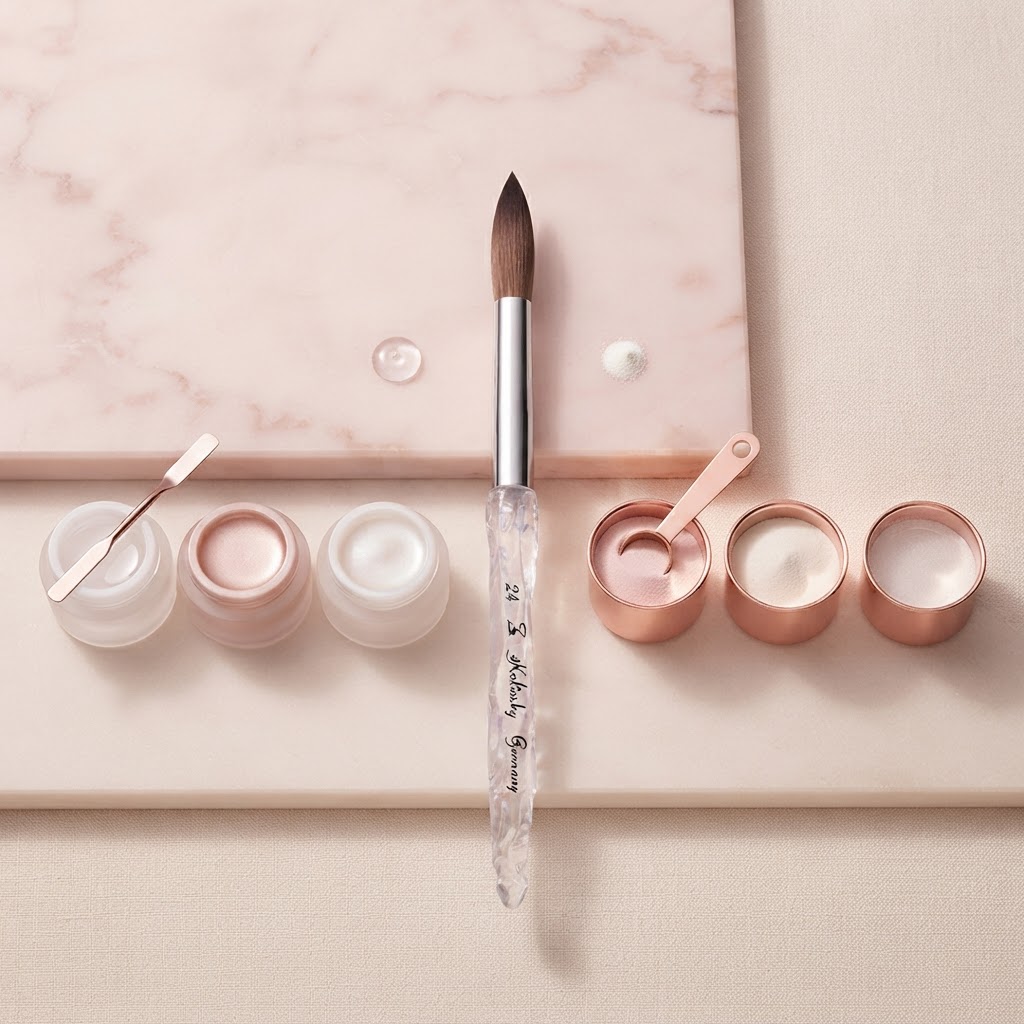
In conclusion, the decision between builder gel and acrylic powder is a personal one, influenced by desired aesthetics, lifestyle, and the specific needs of your nails. Both offer effective solutions for nail enhancements, providing strength, length, and beauty. Builder gel offers a more flexible, natural feel with less odor, ideal for those seeking strength without rigidity and a gentler option for their natural nails. Acrylic powder delivers unparalleled hardness and durability, making it suitable for clients who need robust extensions and are less concerned about a rigid feel. Ultimately, consulting with a qualified nail technician can help you determine which system best aligns with your individual requirements and nail care goals.