
 3D Gel
 Accessories
 Acrylic Brushes
 Art Brushes
 Clippers
 Design
 French Brushes
 Builder Gel
 Nail Tip Cutter
 Nippers
 Pusher
 Scissors
 Tweezers
Jul
Blogs
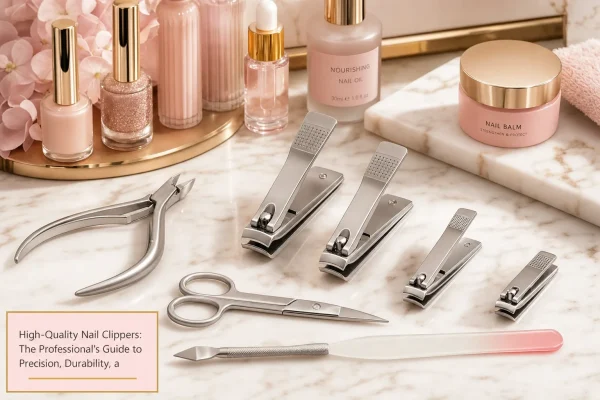
High-Quality Nail Clippers: The Professional’s Guide to Precision, Durability, and Client Comfort
In every professional nail salon, the smallest tools often make the biggest difference. Among these, high-quality nail clippers stand out as an essential instrument that directly impacts service speed, client comfort, and long-term hygiene standards. While many salons focus on trendy nail art or premium polish lines, seasoned technicians know that the foundation of excellent nail care starts with reliable, precise cutting tools. Investing in high-quality nail clippers is not simply about aesthetics—it is about performance, safety, and professionalism that clients notice immediately.
This guide explores everything nail professionals need to know about selecting, maintaining, and sourcing premium nail clippers, along with practical insights drawn from real salon experience.
Why High-Quality Nail Clippers Matter in Professional Nail Care
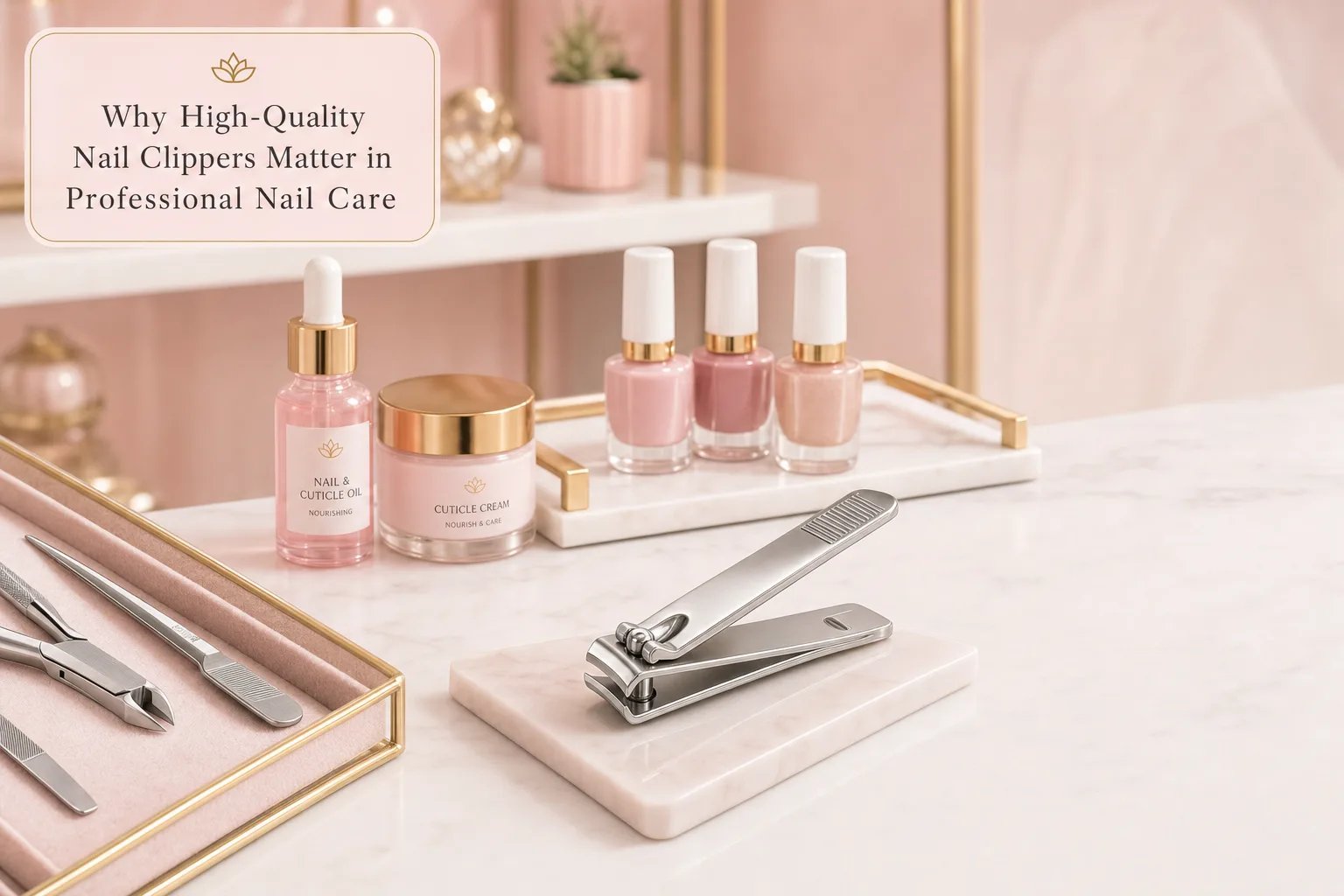
Nail clippers may seem like a basic tool, but their quality directly affects the outcome of every manicure and pedicure. Cheap, dull, or poorly manufactured clippers can cause uneven cuts, nail splitting, and even minor injuries. For professional technicians, this translates into slower service times, client dissatisfaction, and potential liability issues.
High-quality nail clippers, on the other hand, offer clean, precise cuts with minimal pressure. This reduces hand fatigue for technicians performing dozens of services daily and ensures a smoother, safer experience for clients. In a competitive beauty industry where client retention depends on consistency and comfort, the difference between a mediocre clipper and a premium one can influence whether a client returns for their next appointment.
Moreover, quality tools reflect the overall standard of a salon. Clients who see well-maintained, professional-grade equipment naturally associate it with hygiene and expertise, which builds trust and justifies premium pricing for services.
Key Features That Define High-Quality Nail Clippers
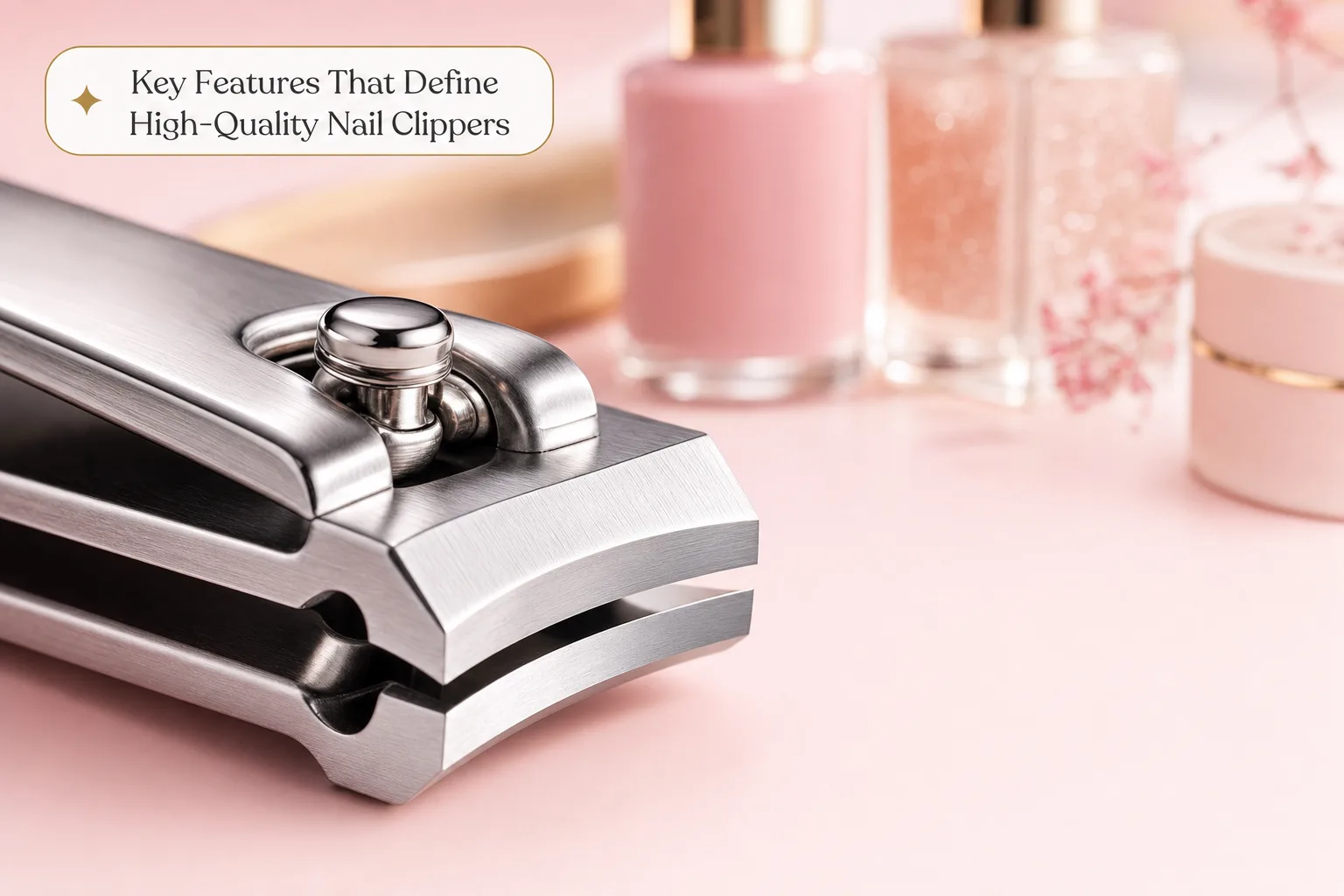
Not all nail clippers are created equal. Understanding the specific features that separate professional-grade tools from consumer versions helps salon owners and technicians make informed purchasing decisions.
Stainless Steel Construction and Precision Edges
The best nail clippers are crafted from surgical-grade or high-carbon stainless steel. This material resists corrosion, maintains sharpness longer, and withstands repeated sterilization cycles without degrading. Precision-ground cutting edges ensure clean cuts in a single motion, preventing the jagged edges that often lead to snagging or splitting.
When evaluating clippers, technicians should look for tools with tight jaw alignment. Poorly aligned jaws create gaps that pinch rather than cut, causing discomfort and inconsistent results. Premium manufacturers use precision machining to eliminate this issue entirely.
Ergonomic Design for Comfort and Control
Since nail technicians use clippers repeatedly throughout the day, ergonomic design is critical. High-quality clippers feature contoured handles that reduce strain on fingers and wrists, allowing for better control during detailed work. A well-balanced clipper distributes pressure evenly, which is particularly important when working on clients with thicker or more resistant nails.
Textured grips also prevent slipping, especially in humid salon environments where hands may become damp from sanitizers or lotions. This small design detail significantly improves safety and efficiency during high-volume service days.
Types of Nail Clippers Used in Professional Settings
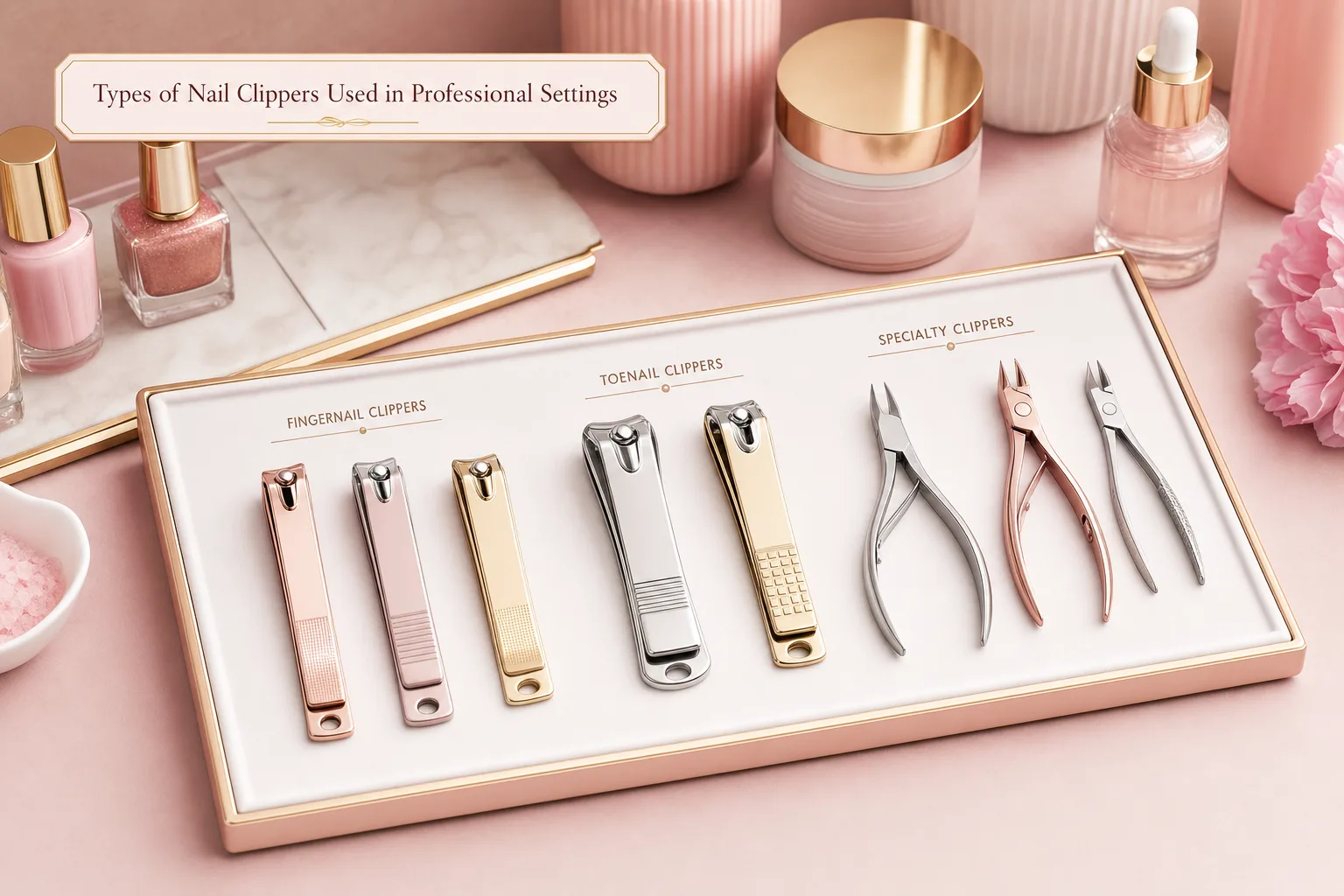
Professional salons typically require more than one type of clipper to accommodate different client needs. Understanding these variations helps technicians select the right tool for each situation.
Standard vs. Toenail Clippers
Standard nail clippers are designed for fingernails and feature a smaller, more curved blade suited for precision trimming. Toenail clippers, by contrast, have a larger, straighter blade capable of handling thicker nail plates common on toes. Using the wrong type can lead to uneven cuts or unnecessary pressure on the nail bed, increasing the risk of discomfort or injury.
Specialty Clippers for Thick or Ingrown Nails
Clients with thicker nails, often due to age, fungal conditions, or previous injury, require heavy-duty clippers with reinforced jaws and extended handles for greater leverage. Ingrown nail clippers feature a narrower, angled blade that allows technicians to access tight corners safely without cutting into surrounding skin. Salons that regularly serve diverse clientele should stock these specialty tools to handle a wider range of nail conditions professionally.
How to Choose the Right Nail Clippers for Your Salon
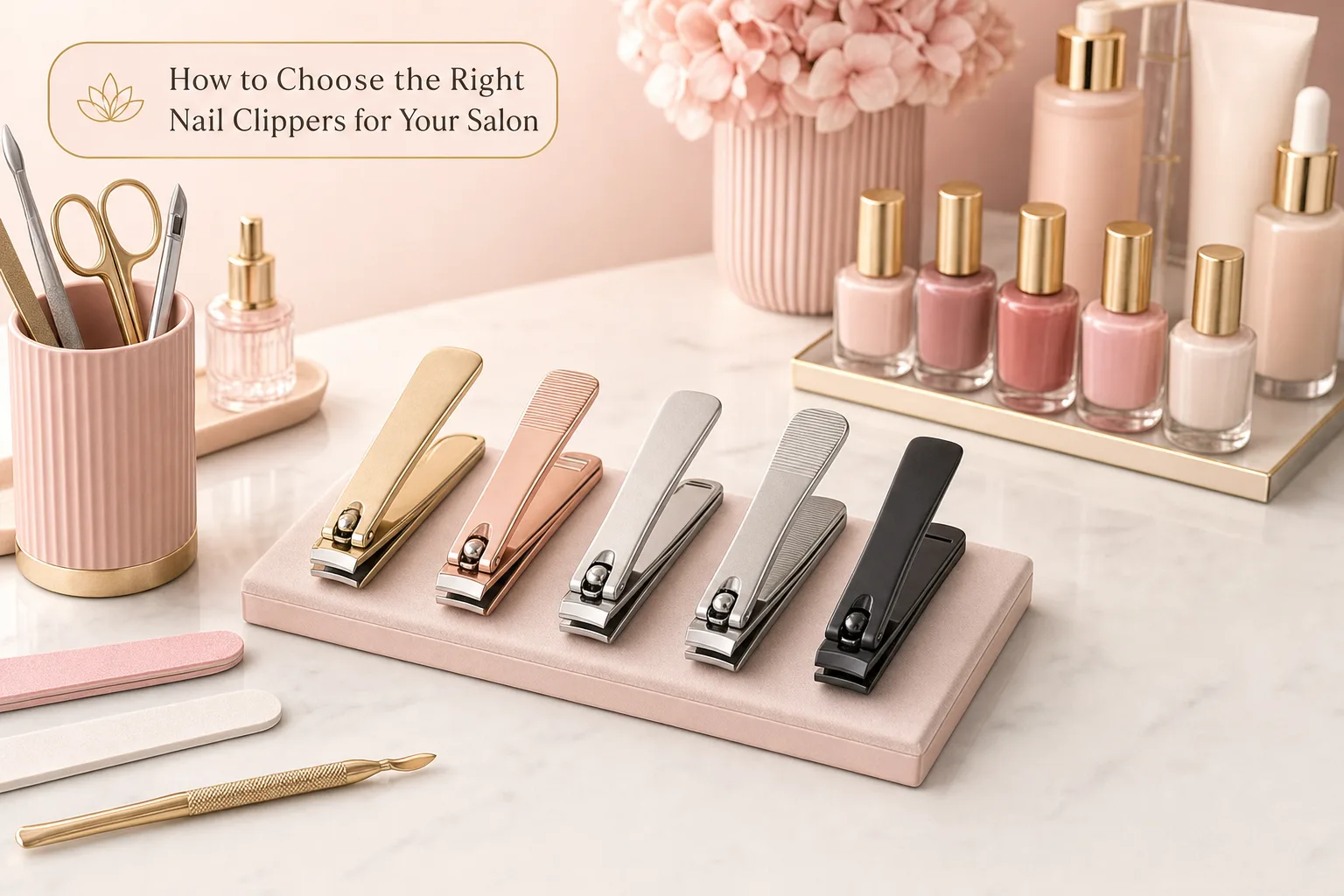
Selecting nail clippers for a professional environment involves more than picking the most expensive option. Salon owners should evaluate several factors to ensure long-term value and performance.
First, consider the volume of daily services. High-traffic salons benefit from clippers made with reinforced steel that withstands frequent sterilization without dulling. Second, assess the variety of client needs—salons serving elderly clients or those with medical pedicure services may require specialized clippers designed for thicker or brittle nails.
Third, evaluate supplier reliability. Consistent quality across batches matters significantly, as inconsistent manufacturing can lead to variable performance even within the same product line. Reputable suppliers who specialize in professional-grade tools, such as JKIOCEAN, often provide detailed specifications, including steel grade, hardness rating, and sterilization compatibility, allowing salons to make evidence-based purchasing decisions rather than relying solely on price.
Finally, consider ergonomics based on your technicians’ preferences. Providing a small selection of clipper sizes and grip styles allows staff to choose tools that suit their hand size and working style, ultimately improving efficiency and reducing repetitive strain injuries over time.
Salon Use Case: Upgrading Tools for Better Client Experience
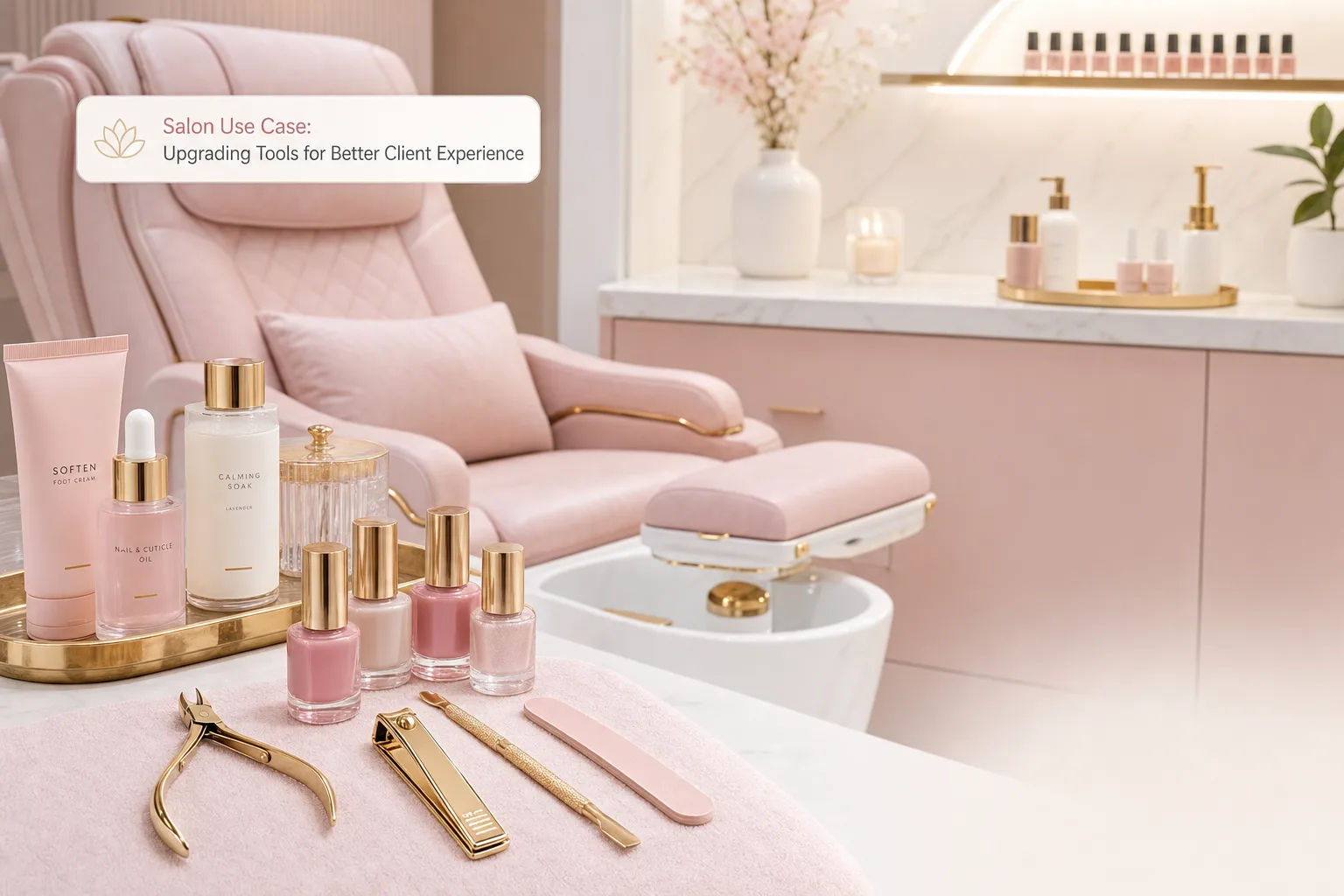
Consider a mid-sized salon that had been using budget nail clippers purchased in bulk from a general beauty supply store. Technicians frequently complained about dull blades requiring excessive pressure, and several clients reported minor nicks during pedicure services. The salon owner decided to invest in high-quality stainless steel clippers with precision-ground edges and ergonomic handles.
Within weeks, technicians reported noticeably reduced hand fatigue and faster service times, as clean cuts required fewer passes per nail. Client feedback improved as well, with several regulars specifically commenting on how much smoother their pedicure experience felt. The salon also noted a decrease in tool replacement frequency, as the higher-grade steel resisted dulling even after daily autoclave sterilization.
This case illustrates a common pattern in the industry: while premium clippers require a higher upfront investment, the long-term benefits in efficiency, client satisfaction, and reduced replacement costs typically outweigh the initial expense. Salons that treat tool quality as a core operational investment rather than a minor supply cost often see measurable improvements in both service quality and staff morale.
Common Mistakes When Selecting or Using Nail Clippers
Even experienced technicians can fall into habits that reduce the effectiveness and lifespan of their nail clippers. Recognizing these common mistakes helps salons maintain consistent service quality.
One frequent error is using a single clipper type for all nail conditions. Attempting to cut thick toenails with a standard fingernail clipper often results in uneven cuts and accelerated blade wear. Matching the tool to the task is essential for both performance and longevity.
Another common mistake is neglecting regular sharpening or replacement schedules. Even high-quality clippers eventually dull with repeated use and sterilization cycles. Continuing to use a dull clipper not only compromises cut quality but can also increase the risk of nail splitting or client discomfort.
Improper storage is another overlooked issue. Storing clippers loosely in drawers alongside other metal tools can cause blade nicks or misalignment. Using dedicated tool trays or cases helps preserve the precision edges that define professional-grade clippers.
Finally, some salons prioritize price over verified quality, purchasing unbranded clippers without checking steel grade or manufacturing standards. This often leads to inconsistent performance and higher long-term replacement costs, ultimately reducing the value of the initial cost savings.
Maintenance and Sterilization Best Practices
Proper maintenance extends the lifespan of high-quality nail clippers while ensuring compliance with health and safety regulations. After each use, clippers should be cleaned to remove nail debris and organic residue before undergoing standard sterilization protocols, such as autoclaving or hospital-grade disinfectant soaking, depending on local regulations.
Technicians should inspect blades regularly for signs of dulling, rust, or misalignment. Any tool showing visible wear should be removed from rotation immediately to prevent inconsistent performance or client injury. Applying a light coat of tool-safe lubricant on the pivot joint after sterilization can also help maintain smooth operation and prevent stiffness over time.
Establishing a clear maintenance schedule—such as weekly inspections and quarterly deep sharpening—helps salons maintain consistent tool performance across their entire inventory, reducing the likelihood of unexpected replacements during busy service periods.
Sourcing High-Quality Nail Clippers from Trusted Suppliers
The reliability of your nail clippers often depends heavily on the supplier you choose. Professional salons should prioritize manufacturers with proven expertise in surgical-grade steel production and strict quality control processes. Suppliers who specialize specifically in professional nail and beauty tools, rather than general beauty accessories, typically offer more consistent quality and better technical support.
Working with a supplier like JKIOCEAN allows salon owners to access detailed product specifications, bulk ordering options, and consistent manufacturing standards across purchases. This consistency is particularly valuable for multi-location salons or franchises that require uniform tool quality across all branches.
When evaluating potential suppliers, request material certifications, sterilization compatibility information, and warranty terms. Reputable suppliers are typically transparent about these details, while lower-quality manufacturers may avoid providing specific technical documentation. Building a long-term relationship with a trusted supplier also often results in better pricing, priority restocking, and access to newer tool designs as they become available in the professional market.
Conclusion: Investing in Precision Pays Off
High-quality nail clippers may represent a small fraction of a salon’s overall equipment budget, but their impact on service quality, client satisfaction, and technician efficiency is significant. From precision-ground stainless steel construction to ergonomic handle design, every feature contributes to a smoother, safer, and more professional client experience.
By understanding the different types of clippers available, avoiding common selection and maintenance mistakes, and sourcing tools from reputable suppliers, salon owners can ensure their teams are equipped with instruments that support both operational efficiency and long-term client trust. In an industry where small details define reputation, choosing the right nail clippers is a decision that pays dividends far beyond the treatment room.