
 3D Gel
 Accessories
 Acrylic Brushes
 Art Brushes
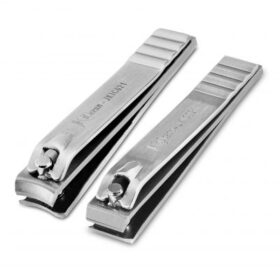 Clippers
 Design
 French Brushes
 Builder Gel
 Nail Tip Cutter
 Nippers
 Pusher
 Scissors
 Tweezers
May
Blogs
Toenail Clippers for Thick Fungal Nails: How to Trim Safely, Reduce Splitting, and Know When to Get Help
Searching for toenail clippers for thick fungal nails usually means you’re dealing with nails that are harder to cut, more likely to crack, and sometimes uncomfortable in shoes. Thickened toenails can happen for different reasons—fungal infection is one of the most common, but repeated trauma, aging, and circulation issues can also play a role. Whatever the cause, using the wrong clipper (or the wrong technique) can lead to jagged edges, painful pressure, or even skin injury.
This guide explains how to choose the right clippers for thick fungal nails, how to trim step-by-step without splitting the nail plate, hygiene tips to avoid spreading fungus, and clear red flags that signal you should stop and see a podiatrist.
Why Thick Fungal Nails Are Hard to Clip
When fungus affects the nail, it often changes the nail’s structure. Common features include:
- Increased thickness and hardness
- Brittle, crumbly edges that snap instead of cutting smoothly
- Discoloration (yellow, brown, or white)
- Debris under the nail (keratin buildup)
- Irregular shape and uneven growth
A standard small fingernail clipper typically can’t handle this thickness. It crushes the nail instead of cutting cleanly, which creates micro-cracks that spread.
What to Look for in Toenail Clippers for Thick Fungal Nails
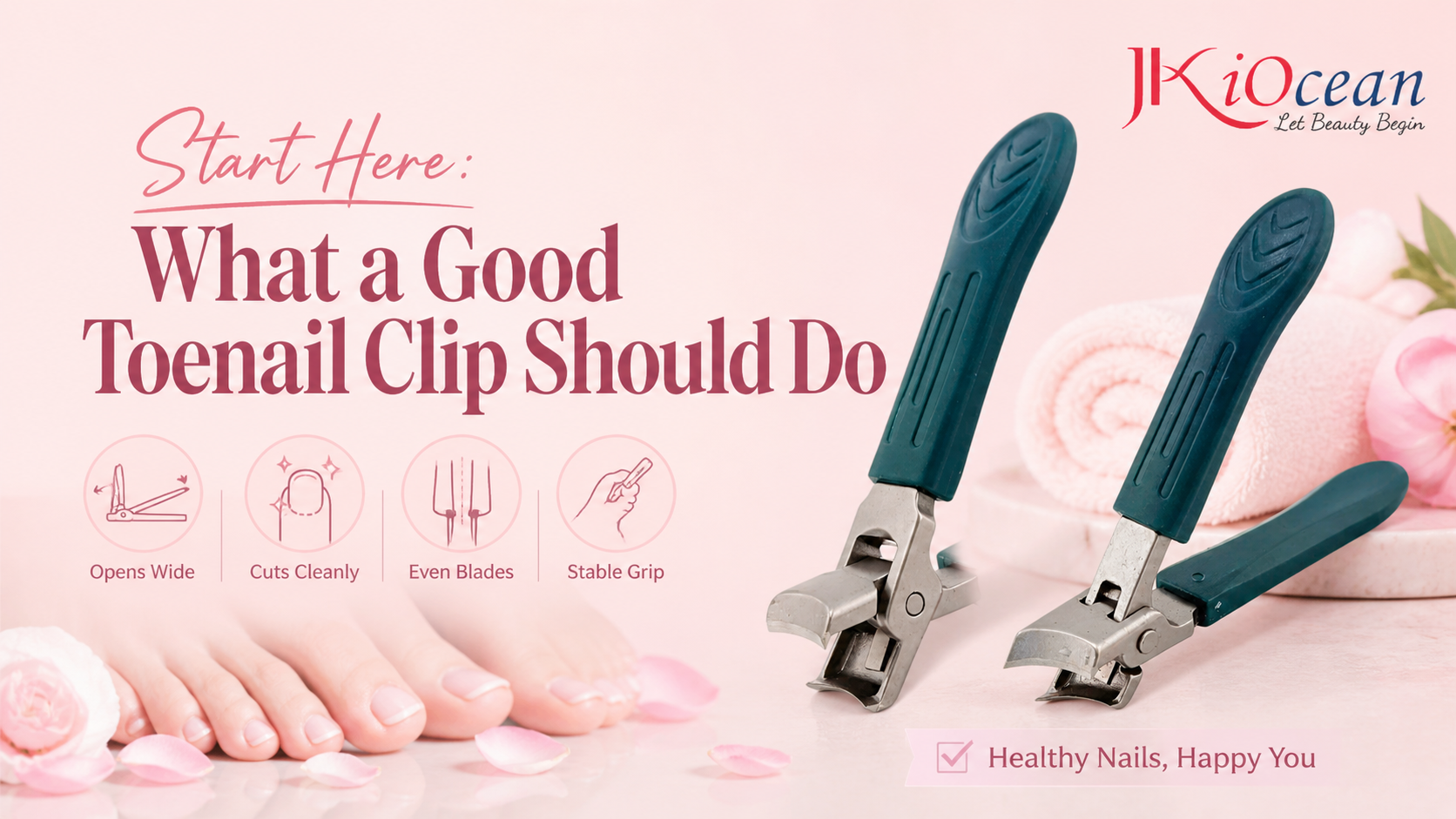
Not all “toenail clippers” are built for thick nails. Here are the key features that matter most:
Wide Jaw Opening
Thick nails need space. A wide jaw opening allows the blade to wrap around the nail edge without forcing it.
Heavy-Duty Leverage
Look for a sturdy lever and a solid body. Strong leverage reduces hand strain and prevents you from squeezing too hard in one spot.
Sharp, Aligned Blades
Alignment is critical. If blades don’t meet evenly, they tear and shred the nail edge.
Quick test: Close the clipper fully and check the blades under bright light. Any visible gaps can lead to splitting.
Straight Cutting Edge (Helpful for Toenails)
A straighter blade supports a straight-across trim, which reduces ingrown toenail risk. Many thick-nail clippers are designed this way.
Anti-Slip Grip
Thick nails require slow, controlled pressure. A non-slip grip improves safety, especially if your hands are dry or you have reduced strength.
Optional: Toenail Nippers for Severe Thickness
If the nail is extremely thick, a heavy-duty toenail nipper (nail cutter designed for nail plates) may be easier than a lever clipper. This is different from cuticle nippers, which are for skin.
Step-by-Step: How to Clip Thick Fungal Toenails Safely
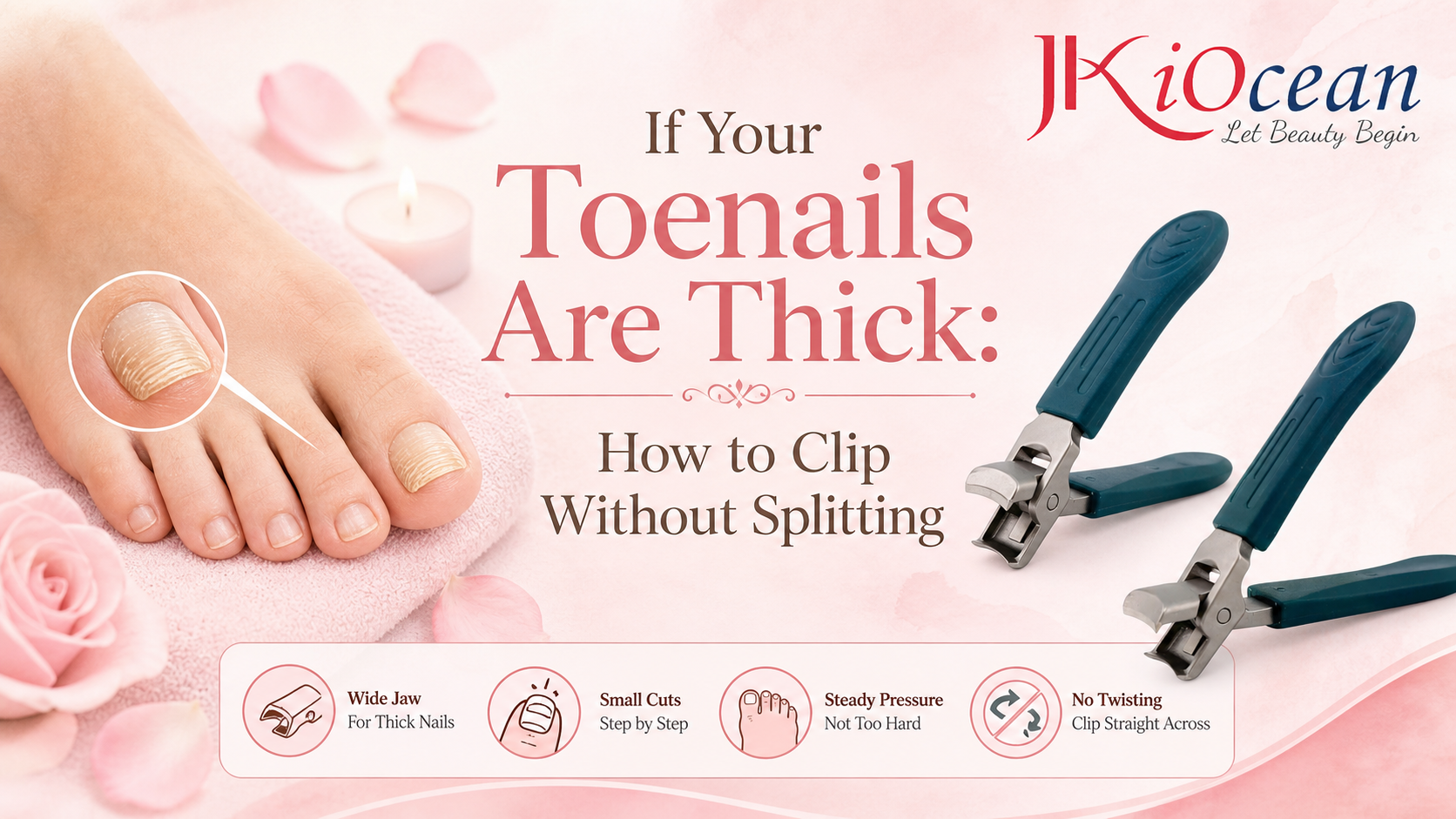
This method reduces splitting and helps you cut cleanly with less force.
Step 1: Inspect first
Before trimming, look for warning signs:
- Redness, swelling, or heat around the nail fold
- Pus or discharge
- Severe pain
- Nail lifting significantly from the bed
If any of these are present, stop and seek professional care.
Step 2: Soften the nail briefly
Thick nails cut better when slightly softened:
- Soak feet in warm water for 5–10 minutes
- Dry the nail thoroughly afterward
Do not clip nails while they are soaking wet—wet nails can tear and crumble.
Step 3: Reduce thickness gradually (if needed)
If the nail is extremely thick, you may need to thin it slightly:
- Use a coarse foot file designed for nails or a gentle nail file
- Work slowly—do not grind aggressively
- If you use an e-file, only do so if trained and using safe bits
Even a small reduction in thickness can make clipping much easier.
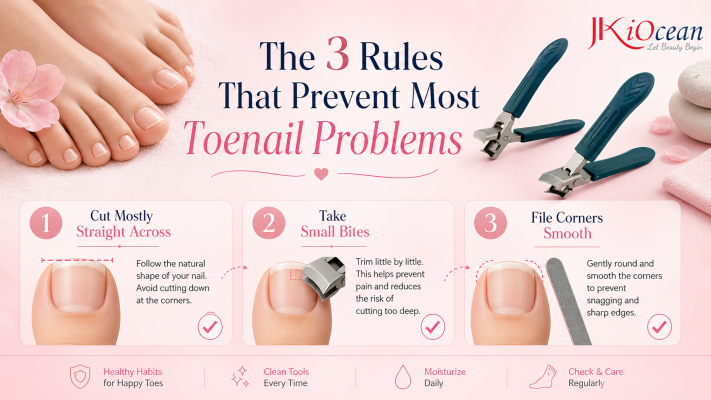
Step 4: Clip straight across in small bites
This is the most important technique change:
- Take small cuts across the edge
- Do not attempt one big cut
- Keep the cut mostly straight
- Avoid digging deep into corners
Small bites reduce cracking and keep the edge more controlled.
Step 5: Smooth edges with a file
After clipping:
- Use a medium file to remove sharp corners
- File gently in one direction
- This step reduces snagging and accidental tearing
Step 6: Clean tools immediately
Fungal nail debris can spread. Clean the clipper, file, and work area right away.
Hygiene Tips: Prevent Spreading Fungus
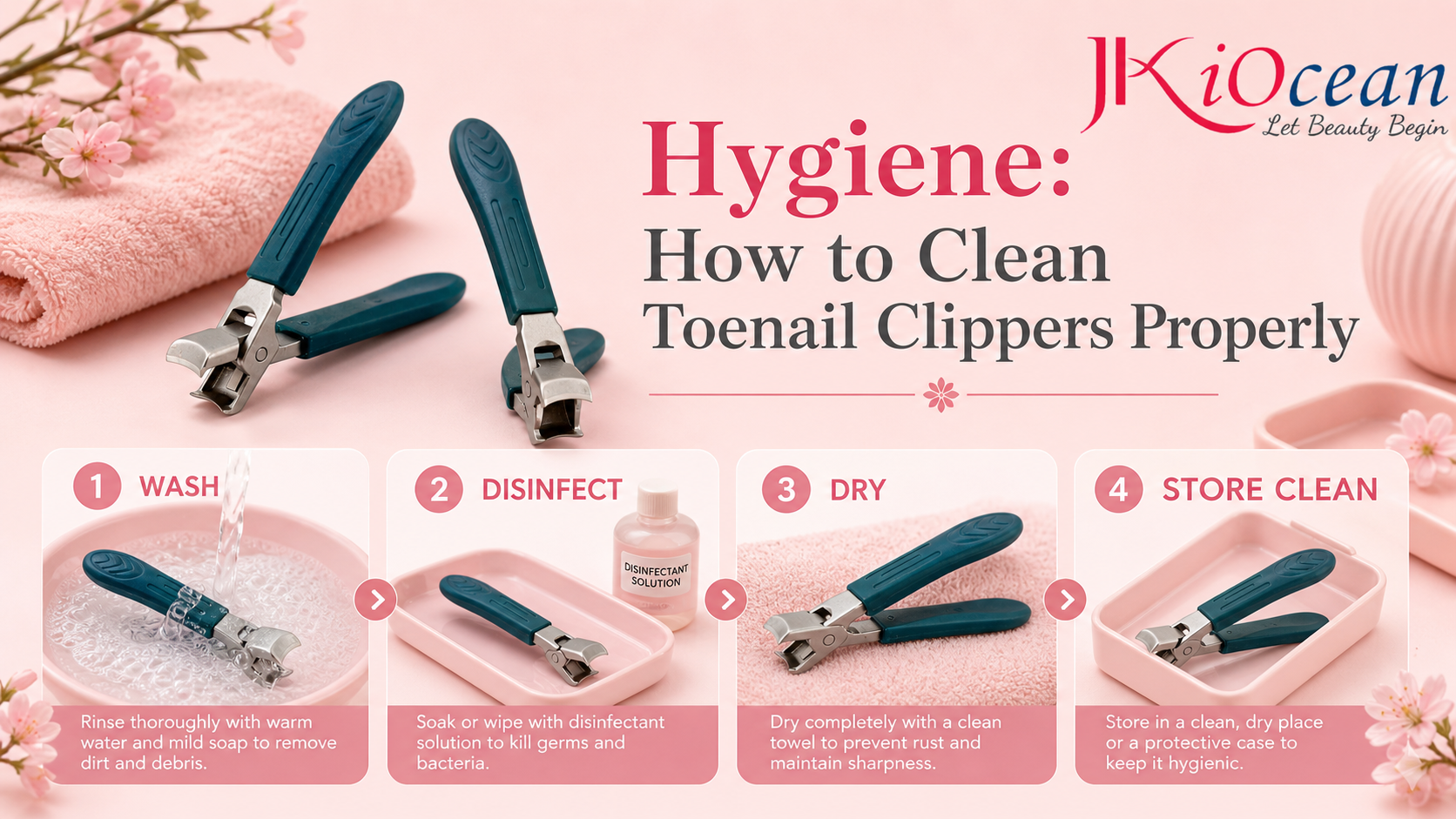
If your toenails are fungal, hygiene is part of the treatment.
- Do not share clippers, files, or towels
- Disinfect tools after every use
- Dry feet well after showering
- Change socks daily and choose breathable shoes
- Wash nail dust and debris away—don’t let it linger on surfaces
A common mistake is trimming fungal nails and storing clippers without proper cleaning. That can reinfect your nails later.
Common Mistakes to Avoid
Mistake 1: Cutting corners too deep
This increases ingrown toenail risk. Toenails should be trimmed mostly straight.
Mistake 2: Forcing a dull clipper
If it crushes or slips, it will split the nail edge. Replace or upgrade.
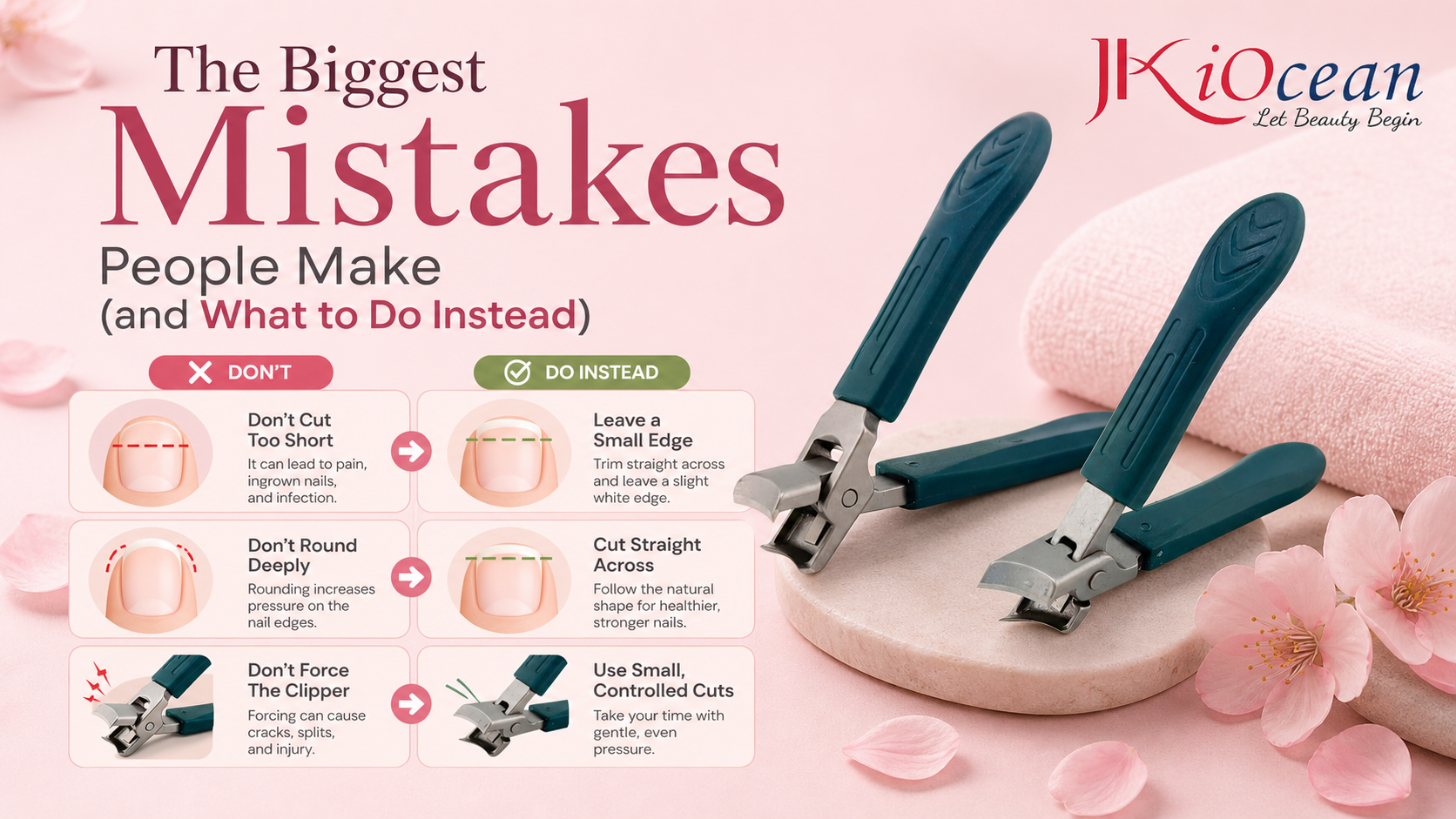
Mistake 3: Cutting too short
Thick nails often feel “in the way,” but cutting too short can expose sensitive nail bed and increase discomfort.
Mistake 4: Ignoring pain
Pain is a signal. Don’t push through it—especially with thick, brittle nails.
When You Should See a Podiatrist Instead of DIY

Home trimming is not always the safest choice. Seek professional help if:
- You have diabetes, poor circulation, or neuropathy
- The nail is extremely thick, curved, or painful
- The skin around the nail is swollen, red, or infected
- The nail is lifting significantly from the nail bed
- You repeatedly get ingrown toenails
- You can’t safely reach your feet or apply controlled pressure
A podiatrist can thin and trim nails safely and may recommend antifungal treatment options.
Extra Support: What Helps Thick Nails Long-Term
Clippers are only part of the solution. Thick fungal nails often improve with:
- Proper antifungal treatment (topical or oral, guided by a doctor)
- Keeping feet dry and reducing moisture in shoes
- Regular gentle trimming and filing
- Avoiding tight shoes that compress the toes
- Disinfecting shoes and using breathable socks
Consistency matters. Thick nails won’t change overnight, but safe maintenance reduces discomfort and improves appearance over time.
The best toenail clippers for thick fungal nails are heavy-duty tools with a wide jaw, strong leverage, and sharp aligned blades. Combine that with the right technique, short soak, dry completely, small straight cuts, and gentle filing—and you’ll reduce splitting and make trimming far easier.
Most importantly, respect your body’s warning signs. If thick nails are painful, infected, or tied to health conditions, professional care is the safest path. Toenail health is not just cosmetic, it’s comfort, mobility, and daily quality of life.