
 3D Gel
 Accessories
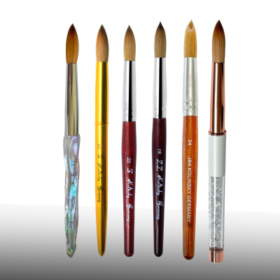 Acrylic Brushes
 Art Brushes
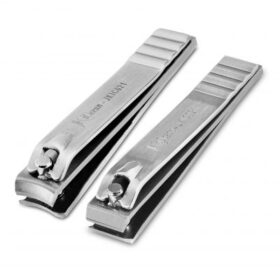 Clippers
 Design
 French Brushes
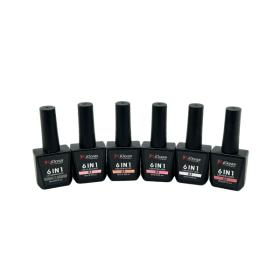 Builder Gel
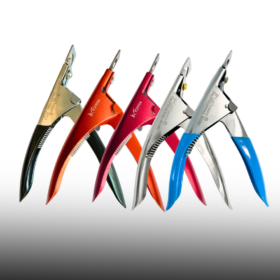 Nail Tip Cutter
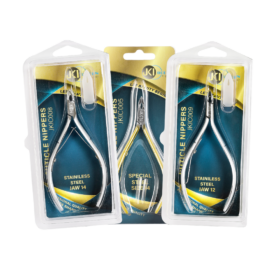 Nippers
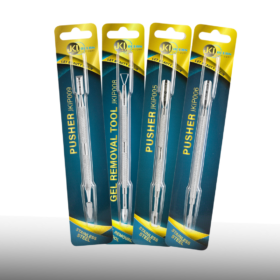 Pusher
 Scissors
 Tweezers
Blogs
Nail Tools Storage: Pro-Level Organization for Clean, Fast, Audit-Ready Work
When clients judge your work, they notice more than shape and shine—they notice order. A clean table, labeled drawers, and the right case for each instrument silently say: this tech is a pro. Smart nail tools storage isn’t just aesthetic; it safeguards hygiene, speeds services, reduces loss and rust, and keeps you audit-ready. This guide maps a complete storage system—from stainless tools and e-file bits to gels, glues, and rhinestones—so you can set up once and work faster forever.
Why “Nail Tools Storage” Deserves Its Own System
-
Hygiene chain: clean tools must never touch used tools. Storage is how you enforce that.
-
Tool protection: sharp edges (nippers, scissors) dull quickly if tossed together; capped storage preserves alignment.
-
Time = money: labeled, repeatable layouts cut 5–10 minutes per service.
-
Inventory control: containers and bins help you see low stock before you run out.
-
Compliance: closed, labeled boxes for “Clean” vs “Used” simplify inspections and SOP training.
The Golden Rule: Separate, Label, Close
-
Separate by status: Clean Tools / In Service / Used (to disinfect).
-
Label every container with large, legible names (or icons).
-
Close the container—dust and spray drift are real. Lids protect both hygiene and edges.
Bonus: color-coding (green = clean, red = used) prevents cross-contamination when you’re busy.
Core Storage Zones (Build These First)
Clean Metal Instruments Zone
What goes here: cuticle nippers, pushers, scissors, tweezers, clippers, bits after disinfection/sterilization.
Best containers:
-
Autoclavable cassettes or pouches (protect alignment and tips).
-
Rigid stainless trays with silicone inserts (no rattling, edges protected).
-
Drawer with foam/elastic cutouts—each tool has a dedicated slot.
Pro care: dry tools completely before storage; add silica gel packs in drawers to fight humidity. Lightly oil nipper joints weekly and wipe excess so oil doesn’t wick onto clients.
Used Tools Parking Zone
What goes here: anything that touched a client (before immersion in disinfectant).
Best containers: a clearly labeled, lidded tray.
Rules: never set used tools on the table; drop them in the “Used” tray immediately. At the end of the service, wash debris off, then immerse per disinfectant label time, then transfer to “Clean” storage.
Everyday Reach Zone (Active Workstation)
What goes here: one set of prepped tools, fresh files/buffers, lint-free wipes, cleanser, top/base gels.
Best containers:
-
Magnetic tool mat: prevents roll-offs, shows the tool silhouette (“shadow board” effect).
-
Slim desktop caddy with vertical dividers for bottles/wipes.
-
Covered brush cup for gel/liner brushes (kept away from lamp light).
Keep this zone minimal—more space, fewer spills, faster wipe-downs.
Drawer-by-Drawer Map (Repeatable Layout)
Drawer 1 – Clean Metals: cassettes/pouches, spare springs, silicone tip guards, silica gel packs.
Drawer 2 – Files & Buffers: by grit (100/150/180/240). Keep disposables sealed.
Drawer 3 – E-File & Bits: labeled bit stand (safety, barrel, cone, flame), mandrels, sanding bands in zip bags, bit cleaning cup.
Drawer 4 – Enhancement Chemistry: base, builder/hard gel, liquid builder gel, poly gel; keep away from sunlight/heat.
Drawer 5 – Adhesives & Specials: nail glue (semi-solid), rhinestone gel, foil gel, chrome powders, foils, decals.
Drawer 6 – Sanitation & PPE: disinfectant, tongs, paper towels, nitrile gloves, masks, table covers.
Label the drawer fronts. You’ll never “hunt and hope” again.
Rust & Edge Protection (Make Your Tools Last)
-
Dry twice: towel dry + air dry before closing a box. Moisture = rust.
-
Desiccants: refresh silica gel monthly; swap if beads change color.
-
Edge guards: silicone caps for nipper tips; brush caps that don’t crush bristles.
-
No tool dogpiles: jumbled drawers bend jaws and misalign scissors. Use slots or elastic loops.
-
Oil joints lightly: a drop on the box joint, then wipe. Oily baths are overkill and messy.
Brush Storage 101 (Kolinsky, Gel, Liner)
-
Shape and cap while bristles are clean—never store with cured residue.
-
Horizontal or bristles-down holders protect tips from splaying.
-
Keep away from UV/LED lamps—stray light can partially cure gel in the ferrule.
-
Dedicated cup for liners vs color brushes to avoid pigment cross-contamination.
Gel, Poly Gel & Liquids: Temperature and Light Control
-
Dark, cool drawer or closed cabinet; avoid windows and desk lamps.
-
Tight caps always—oxygen thickens gels; solvents evaporate from adhesives.
-
Lamp discipline: never open gel pots near an active lamp.
-
FIFO inventory: first in, first out. Mark purchase month on bottles with a fine marker.
Small Parts & Nail Art: The Micro-Storage Problem Solved
-
Rhinestones & studs: adjustable bead boxes with rubber seals (shake-proof).
-
Foils & decals: flat photo sleeves in a binder; quick visual browsing.
-
Powders & glitter: stackable jars with anti-spill inserts; label color codes.
-
Palettes & spatulas: washable silicone mats; store in a zip pouch to stay dust-free.
-
Picker tools: keep in a pencil case so wax tips don’t chip.
E-File Bits: Sterile, Sorted, Safe
-
Bit stand with printed icons (safety/barrel/cone/flame) so you return bits to the right slot.
-
Post-disinfection drying rack to prevent trapped moisture in shanks.
-
Sanding bands: single-use in small zip bags by grit; store near the mandrels.
If a bit overheats faster than usual, it’s dull; move dull bits to a “sharpen/replace” compartment in your stand.
Mobile Tech & Small Space Storage
Mobile essentials:
-
Roll-up tool wallet (pusher, nippers, scissors, tweezers) with tip guards.
-
Slim hard case for e-file and bits; foam cutouts stop rattling.
-
Compact lamp + cable organizer; tangled cords waste time.
-
Two snap-lid boxes: “Clean” and “Used”—color coded.
-
Mini drawer caddy for gels/adhesives that stays shut during transport.
Tiny studios: use pegboard + labeled bins above the desk for vertical storage; a rolling trolley parks sanitation on the bottom shelf and daily tools on the top.
Labeling That Actually Works
-
Big fonts you can read at a glance.
-
Verb-noun labels: “Disinfect – Immerse,” “Brushes – Liner,” “Bits – Safety.”
-
QR codes on drawer fronts linking to your SOP or inventory sheet (Google Sheets/Notion).
-
Color bands: green = clean, yellow = drying, red = used.
Cleaning & Storage SOP (Simple, Trainable)
Between clients
-
Place used tools in Used tray (lid on).
-
Wipe table, swap table cover/towel, empty dust collector bin if full.
-
Bring out a pre-packed clean set for the next client.
End of shift
-
Wash debris from used tools → immerse for labeled contact time.
-
Rinse (if required), dry completely, oil joints lightly.
-
Pack in Clean cassettes/pouches; close and store.
-
Refill disposables (files, wipes); check silica packs; power-down lamps.
Weekly
-
Audit drawer order (things drift!).
-
Refresh labels that are peeling.
-
Review par levels (minimum on-hand quantities) and reorder.
Inventory & Reorder Without Spreadsheet Pain
-
Par levels: e.g., “Files 180 grit (par = 80).” When the bin hits 20, reorder.
-
Bin cards: a small card taped inside each bin tracks last refill date.
-
Monthly 15-minute count: focus on disposables and your top 20 SKUs.
-
Bundle buys: files/buffers/sanding bands in sleeves; gels in sets you use daily.
Inventory lives in your storage, not in your head. If you can’t see low stock, you’ll discover it during a service (the worst time).
Safety & Waste—Store Smarter
-
Vent-away cabinet (or simply a closed, cool drawer) for strong solvents.
-
Sharps awareness: broken crystals/metal bits go in a rigid container.
-
MSDS/ingredients sheets stored digitally; QR code taped inside the cabinet.
-
Used lint wipes soaked with remover: let vapors dissipate in a closed metal can before trash.
Troubleshooting Your Nail Tools Storage
-
Rust spots appearing? Drawer is humid. Add desiccants, dry longer, crack the drawer open overnight or move to a cooler cabinet.
-
Nippers feel dull fast? Tips are contacting other metals. Add tip guards and individual slots.
-
Sticky gel jar rims? Overfilled, or stored near heat/light. Wipe rims; relocate to a cool, dark drawer.
-
Always “losing” bits? Add a labeled bit stand and a mini “In Use” magnetic strip on the desk; return before cleanup.
-
Files everywhere? Use a vertical letter sorter labeled by grit, and a desktop “today’s files” cup you empty at day’s end.
Layouts You Can Copy Today
Minimal Solo Tech Desk
-
Left: Clean cassette + brushes cup (capped).
-
Center: silicone mat, palette, wipes box.
-
Right: Used tray (closed), sanitizer, bin for disposables.
-
Under desk: three-drawer cart (Metals / Files / Gels).
Busy Two-Tech Station
-
Shared wall pegboard with labeled bins (files by grit, sanding bands, art).
-
Each tech has a lockable drawer set for Clean metals and gels.
-
Central sanitation cart: disinfectant, drying rack, cassettes.
Client-Facing Wins (That Boost Reviews)
-
Present “sealed clean pack” before each service—clients see your standards.
-
Keep rhinestones/foils in a display binder so clients choose fast.
-
End with a visible tool drop into the Used tray—it signals hygiene without a word.
FAQ
What’s the best way to store cuticle nippers?
Dry fully, add a drop of oil at the joint, cap the tips, and keep in a rigid cassette or padded slot to prevent jaw misalignment.
How should I store gel products?
In a cool, dark drawer/cabinet, tightly capped and away from any UV/LED lamp. Use FIFO and mark purchase dates.
Where do e-file bits live?
In a labeled bit stand. After disinfection, let them dry upright before capping or storing.
How do I keep files organized by grit?
Use separate bins or a vertical sorter with bold grit labels (100/150/180/240). Keep a small “today’s files” cup on the desk and empty it nightly.
What if my studio is tiny?
Go vertical (pegboard), rollable (trolley), and modular (stackable bins). Label everything.
Great nails start with great sanitatio, and great sanitation starts with great storage. When your nail tools storage is separated, labeled, and closed, you protect your edges, cure faster, stay compliant, and look unmistakably professional. Build the zones, map the drawers, guard the edges, and let your station become a silent ad for your standards. The payoff is immediate: fewer lost tools, faster setups, happier clients, and a calmer you.