
 3D Gel
 Accessories
 Acrylic Brushes
 Art Brushes
 Clippers
 Design
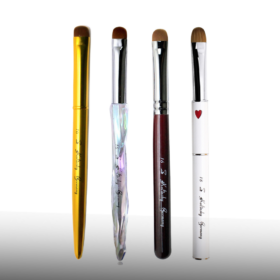 French Brushes
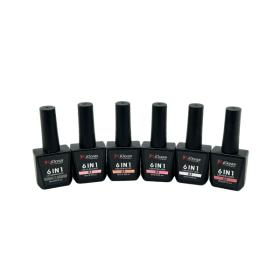 Builder Gel
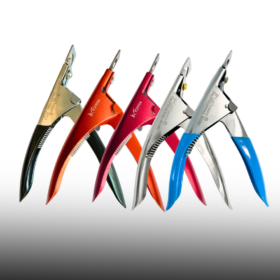 Nail Tip Cutter
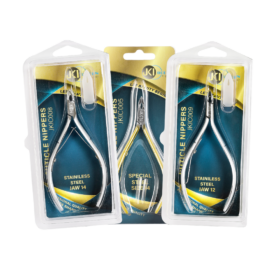 Nippers
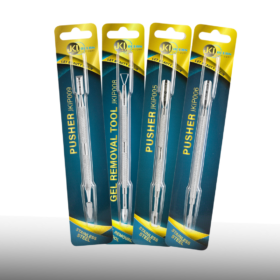 Pusher
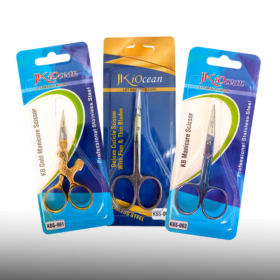 Scissors
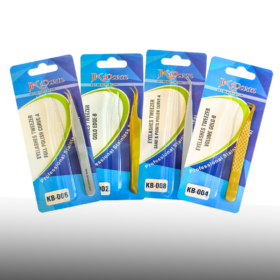 Tweezers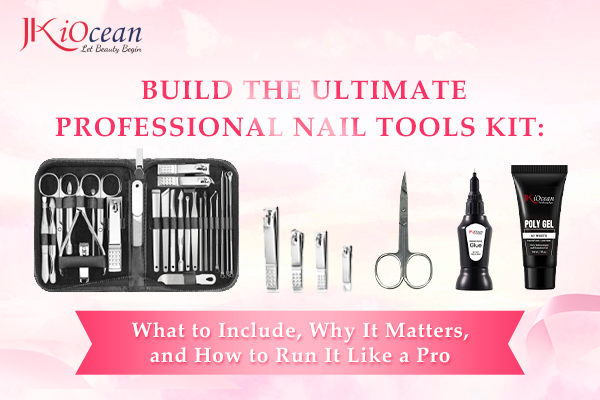
Nov
Blogs
Build the Ultimate Professional Nail Tools Kit: What to Include, Why It Matters, and How to Run It Like a Pro
If you’ve ever wondered why two techs with similar skills produce different results, look at their tools. A professional nail tools kit doesn’t just hold hardware; it’s a system that protects nail health, speeds your workflow, and keeps your services consistent. This guide breaks down exactly what to include, how to choose long-lasting pieces, and the routines that keep everything hygienic and ready for the next client—without turning into a sales pitch.
What Makes a Kit “Professional”?
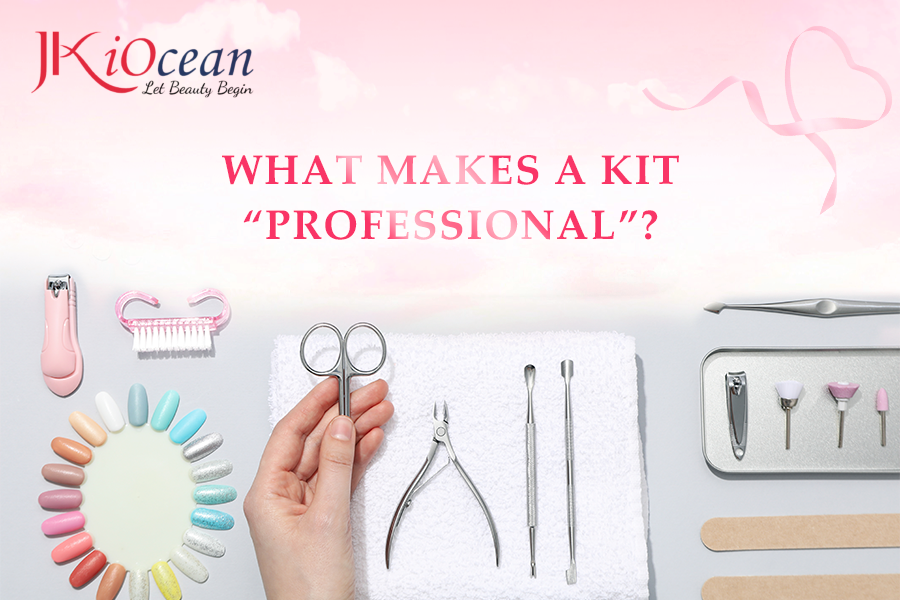
A professional nail tools kit is not the same as a beginner box off the shelf. “Pro” means the contents are:
-
Purpose-built: Every item solves a specific task in the service flow (prep → structure → finish).
-
Sanitation-friendly: Stainless steel and non-porous surfaces tolerate disinfection or sterilization.
-
Ergonomic: Tools fit your hand, reduce wrist strain, and allow repeatable precision.
-
Service-appropriate: Contents match the systems you offer (natural nail care, gel overlays, acrylic, polygel, nail art, or all of the above).
-
Replaceable: Consumables and wear parts (files, buffers, sanding bands, springs) are easy to source.
Core Modules of a Professional Nail Tools Kit
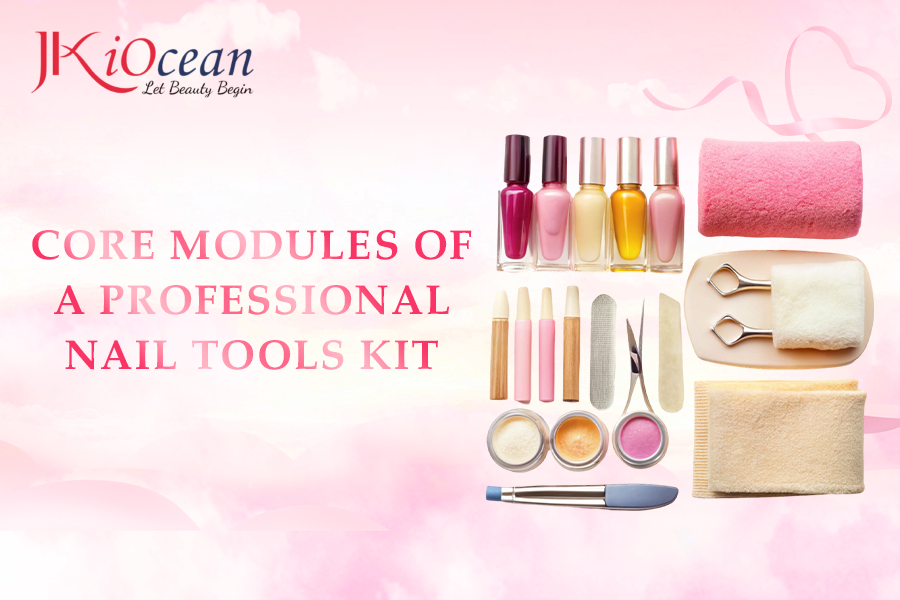
Think in modules, not a random pile. Each module covers a step of the appointment so you can set up, work, and disinfect in a loop.
Hygiene & Setup
-
Hand sanitizer, disposable towels, lint-free wipes
-
Soft nail brush for dust removal
-
Disinfectant tray/solution (or autoclave if required), tongs, metal grate
-
Closed container labeled “Clean Tools” + a separate “Used Tools” tray
-
Desk dust collector or portable extractor (optional but recommended)
Why it matters: Clean plates and clean tools equal better adhesion and fewer skin reactions. Wiping alone is not disinfection—immerse metal tools for the full contact time on the label.
Nail Plate & Cuticle Care
-
Dual-end cuticle pusher (spoon + bevel/knife)
-
Curette/eponychium cleaner for sidewalls
-
Cuticle nippers (6–9 mm jaw, tight joint)
-
Cuticle softener/remover (water-based; wipe off fully before coatings)
Pro tip: Trim only lifted, non-living tissue. Over-trimming living eponychium leads to irritation and thicker regrowth.
Length & Shape
-
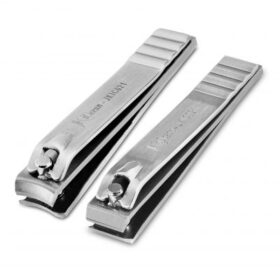
Precision nail clippers (finger + toe)
-
Curved nail scissors (micro-adjustments)
-
Files: 240 (natural nails), 180 (refine overlays), 100/150 (reduce bulk on enhancements—never on natural plates)
-
Buffers: 180/220 sponge + optional shine block
-
Dust brush and surface cleanser
Technique note: Shape with long, directional strokes from sidewall to center. “Sawing” frays the edge.
Enhancement Systems (choose what you offer)
Acrylic Module
-
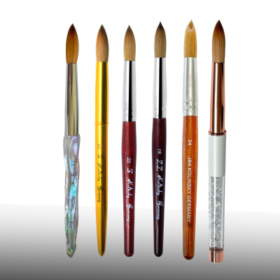
Acrylic brush (oval/round size 8–14 depending on preference)
-
Dappen dish with lid
-
Monomer (choose set speed for your room temperature)
-
Polymer powders (clear, cover, pink, white)
-
Absorbent brush wipes
Gel / Builder Gel Module
-
Base gel, builder/hard gel, or liquid builder gel
-
Flat/oval gel brushes (#4–#8)
-
Cleanser for inhibition layer
-
Verified UV/LED lamp matched to the product’s wavelength and cure time
Polygel Module
-
Polygel tubes, spatula, slip solution
-
Dual forms or paper forms
Tips & Forms
-
Assorted tips (square/almond/coffin), tip cutter, adhesive
-
Paper/aluminum forms for sculpting custom shapes
Lamp Reality Check: Under-curing causes service breakdown and, over time, skin sensitization. Verify lamp wattage and bulb health; follow the manufacturer’s cure schedule.
E-File & Bits (if you use one)
-
E-file with forward/reverse, adjustable RPM
-
Mandrel + sanding bands (180/240 for prep)
-
Safety smooth-top bits for cuticle rim and refinement
-
Carbide/ceramic barrels or cones for bulk reduction on enhancements
-
Bit cleaning cup, disinfectant, and a magnet holder to keep them organized
RPM guidance: Let the bit do the work. High pressure creates rings of fire. Work lightly and lift off while changing direction.
Finish & Art
-
Top coats (no-wipe gloss and matte), base coats for polish
-
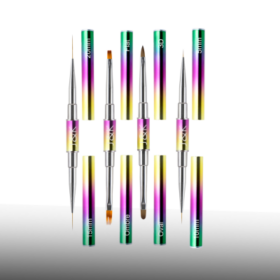
Liner brushes, dotting tools, and stripers
-
Chrome powders + silicone applicator, holographic foils + transfer gel
-
Rhinestone picker and rhinestone gel (stronger and cleaner than traditional glue)
-
Clean-up brush + acetone/corrector pen for crisp cuticles
Aftercare & Repairs
-
Cuticle oil (jojoba + vitamin E), hand cream
-
Nail strengthener for clients post-removal
-
Silk/fiberglass wrap + resin for crack repair
-
Pocket glass file for retail or client maintenance
Sample Packing Lists
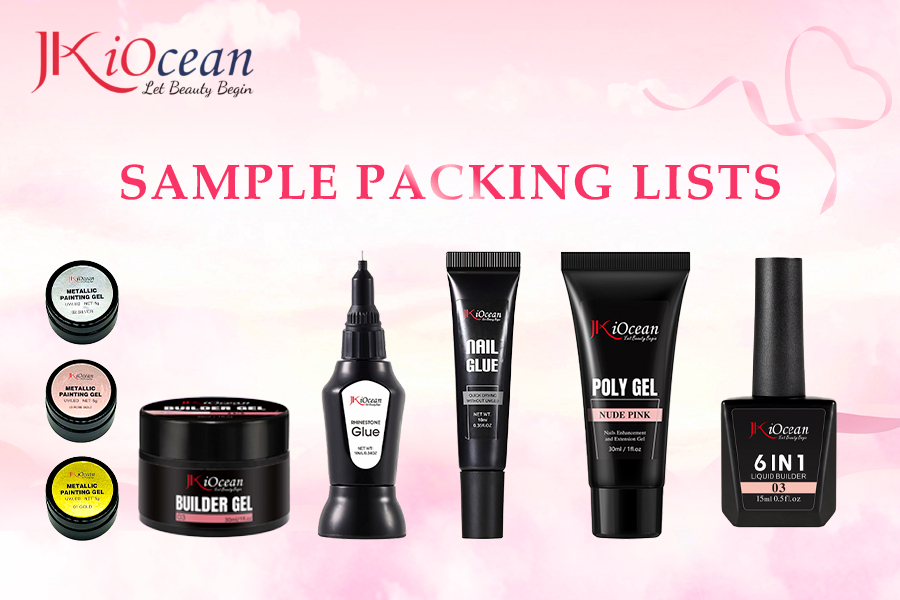
Natural Nail & Gel Overlay Kit (compact)
-
Sanitizer, wipes, nail brush, dust brush
-
Pusher, nippers, curette
-
Clippers, 240 + 180 files, 180/220 buffer
-
Base gel, builder gel or liquid builder gel, gel brush
-
UV/LED lamp, cleanser, top coat (gloss + matte)
-
Cuticle oil, hand cream
-
Disinfectant system + labeled storage boxes
Full Enhancement Kit (acrylic + gel + art)
-
Everything in (A), plus:
-
Acrylic brush, monomer, powders, dappen dish
-
Tips, tip cutter, adhesives, forms
-
Polygel set with spatula and slip
-
E-file + bits (safety, barrel, cone, flame)
-
Liner brushes, chrome, foils, rhinestone gel & picker
-
Dust collector, bit stand, extra lamp bulbs or diodes if replaceable
Quality Checklist: How to Choose Tools That Last
-
Steel grade shown: 420/440 or “surgical stainless” for clippers, nippers, pushers.
-
Alignment: close the jaws against the light—no gaps.
-
Surface finish: smooth with no casting burrs; edges slightly rounded where hands grip.
-
Balance: tool should feel stable without a death-grip.
-
Consumable pipeline: files, buffers, sanding bands, and springs easily available.
-
Documentation: clear sanitation instructions and cure times for gels.
Setting Up the Station: A Repeatable Layout
-
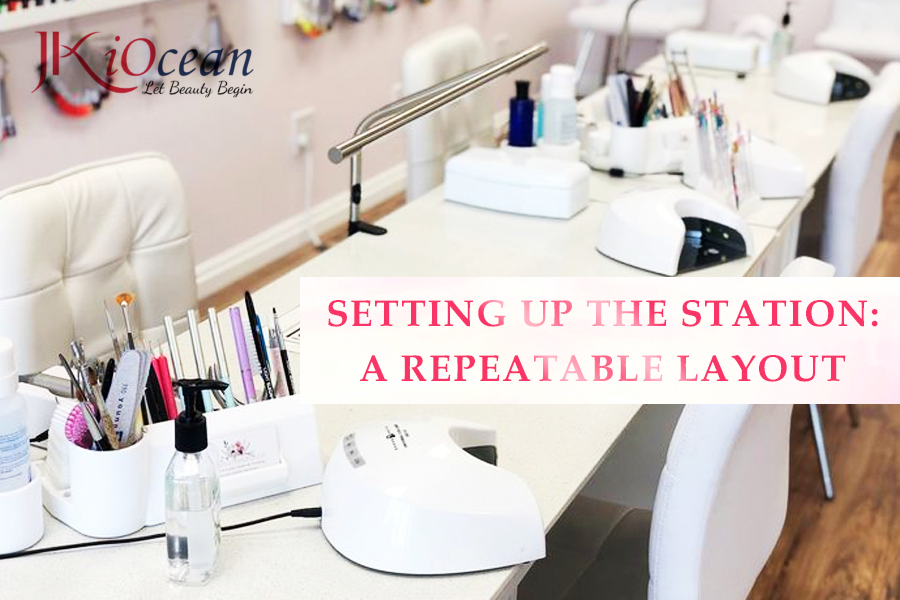
Left side: Clean tools, lamp controls, cleanser, base/top gels.
-
Center: Work area with silicone mat, palette, lint-free wipes.
-
Right side: Used tools tray, waste bin, and disinfectant container.
-
Behind/under desk: Dust collector, extra files, and product back-ups.
A consistent layout reduces reach time and errors—and helps a second tech step in without confusion.
Hygiene SOP (Simple Operating Procedure)
-
Before client: sanitize hands, set out a new file/buffer, verify lamp works.
-
During service: place used tools in a separate tray—don’t return them to “clean.”
-
After client:
-
Wash visible debris off metal tools
-
Immerse in disinfectant for full contact time
-
Air-dry on a clean towel
-
Store in the “Clean” box
-
Wipe surfaces, empty dust tray, replace linens
-
Keep a small sanitation log (date, time, initials). It’s professional and useful for audits.
Lifespan & Replacement Calendar
-
Files & buffers: single-client use in salons; at home, replace when grit feels slick.
-
Sanding bands: one client only.
-
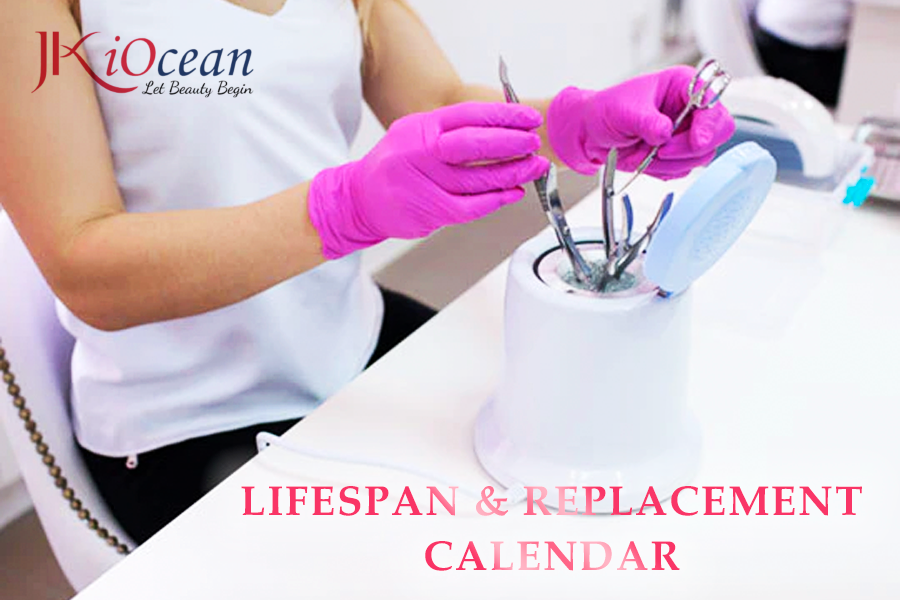
Nippers/scissors: sharpen or replace when you feel tugging or see frayed cuts.
-
E-file bits: replace when they heat quickly or stop cutting cleanly.
-
UV/LED lamps: test cure regularly; many units lose intensity over time.
-
Brushes: clean after each service (monomer for acrylic brushes; cleanser for gel), reshape and cap.
Budgeting Your Professional Nail Tools Kit (Without Compromising)
-
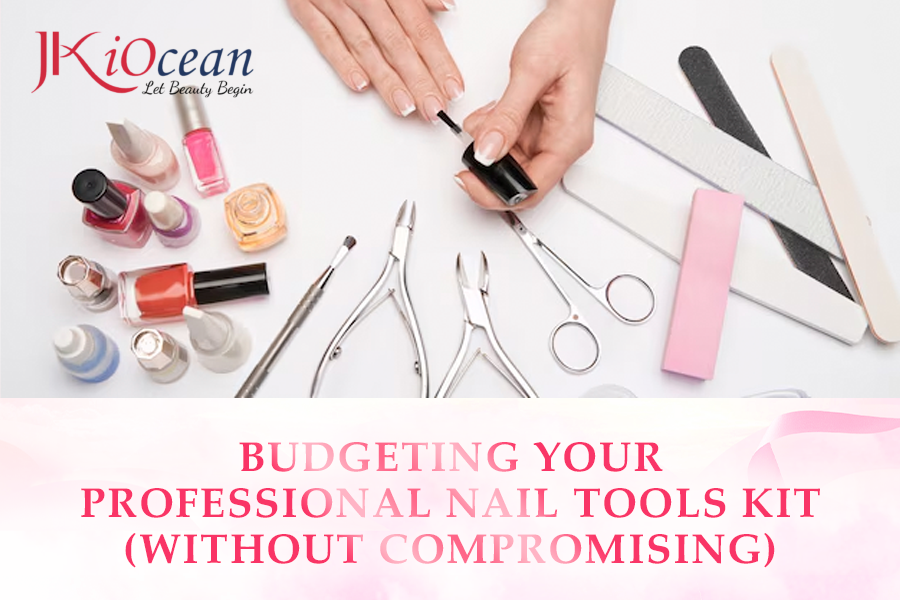
Spend more on: nippers, e-file handpiece, lamp. They define safety and cure quality.
-
Spend smart on: files/buffers (buy sleeves or bulk), liners (3 great sizes beat 10 mediocre ones).
-
Trial sizes for chemistry: monomer/gel systems vary; test retention before buying liters.
-
Track ROI: faster prep (sharp tools) + fewer lift repairs (correct cure) = fewer reworks and higher profit per hour.
Service Menus and Matching Tools
-
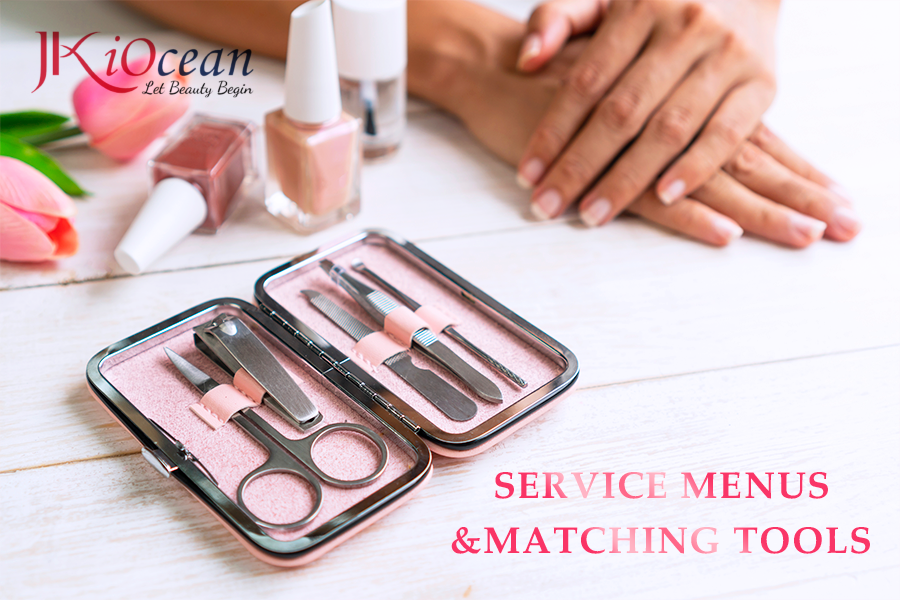
Natural Nail Care Only: skip acrylic/bit bulk removers; invest in great pushers, nippers, 240 files, and top coat variety.
-
Gel Overlays & Short Extensions: reliable lamp, builder gel, liquid builder gel, gel brushes, forms, 180 files, safety bits.
-
Acrylic Sculpting: larger acrylic brushes, precise forms, fast/medium set monomer choices, barrel bits, dust extraction.
-
Art-Forward Studio: liners, chrome/foils, rhinestone gel, fine dotters, gel paints, palettes, and good task lighting.
You don’t need everything on day one—build the modules that match your menu.
Troubleshooting Your Kit
-
Chipping top coat: under-cure, oily plate, or over-buffing. Clean with a true cleanser and verify lamp output.
-
Lifting near cuticle: cuticle residue remained, apex too thin, or product touched skin. Push more gently, clean thoroughly, and keep product away from soft tissue.
-
Heat spikes: layers too thick or over-powered lamp—apply thinner, flash cure, and follow the brand’s cure times.
-
Nipper pulls skin: misaligned jaws or dull edge; stop and service the tool.
Mobile Tech? Pack Light, Work Fast
-
Roll-up pouch for metal tools (pusher, nippers, clippers, scissors).
-
Compact lamp verified for your gel brand.
-
Travel caddy with dividers for files, buffers, base/top, builder, liners.
-
Sealable disinfectant tub and labeled “Clean/Used” cases.
-
Cord organizer for e-file and lamp—loose cables slow you down more than you think.
Quick FAQs
How many file grits do I really need?
Three: 240 (natural), 180 (refine), 100/150 (bulk on enhancements). That covers 95% of tasks.
Do I need both tips and forms?
Not necessarily. Tips are fast and uniform; forms give custom architecture and a clean underside. Choose based on your style.
Is an e-file mandatory for a professional nail tools kit?
No—many techs work beautifully by hand. But an e-file speeds removal and refinement once you’re trained.
What’s the safest way to clean brushes?
Acrylic: rinse in monomer, wipe on absorbent pad, cap. Gel: wipe with cleanser or manufacturer-approved solution, reshape, store away from light.
Putting It All Together
A professional nail tools kit is a curated ecosystem: hygiene that protects, prep tools that reveal a clean plate, shaping tools that create structure, chemistry that cures correctly, and finish tools that showcase your style. Start with the modules you need today, buy quality once, and maintain everything with a simple sanitation routine. The payoff is real: fewer redos, healthier nails, and a smoother day behind the desk.
Strong sanitation. Sharp tools. Verified cures. That’s the backbone of professional results—no hype required.