
 3D Gel
 Accessories
 Acrylic Brushes
 Art Brushes
 Clippers
 Design
 French Brushes
 Builder Gel
 Nail Tip Cutter
 Nippers
 Pusher
 Scissors
 Tweezers
Oct
Blogs
Best Brushes for Nail Art: A Complete Guide
Nail art has evolved from simple polish to intricate canvases for self-expression, and the right tools are paramount. Understanding what are the best brushes for nail art is the first step towards creating stunning designs, whether you’re a seasoned professional or a hobbyist.
What are the best brushes for nail art? Understanding the Essentials
The quest for the best brushes for nail art begins with understanding their fundamental purpose: precise application of color, intricate detail work, and smooth blending. High-quality brushes are crafted to hold product well, provide excellent control, and deliver consistent results. The material of the bristles, the shape and size of the brush head, and the ergonomic design of the handle all play crucial roles in the artist’s ability to translate creative visions onto the nail. For beginners, the focus might be on a few versatile brushes that can handle a range of tasks. As skill develops, a specialized collection of brushes for specific techniques becomes invaluable. Ultimately, the “best” brushes are those that best suit the artist’s technique, the specific nail art medium being used (gel polish, acrylics, regular lacquer), and the desired outcome. It’s a personal journey of discovery, but certain types and materials consistently rise to the top for their performance and durability.
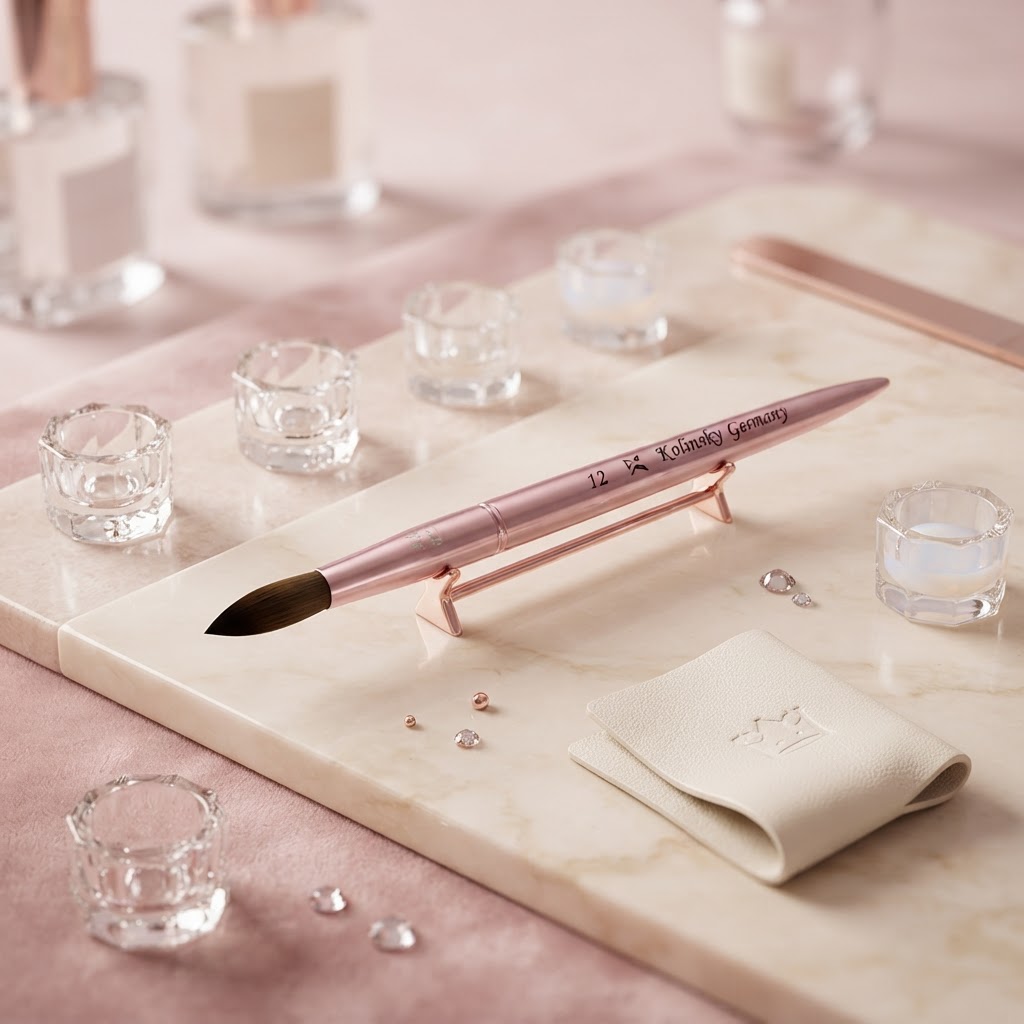
Exploring Different Brush Types for Nail Art
The world of nail art brushes is diverse, offering a tool for nearly every imaginable technique. Broadly, brushes can be categorized by their intended use, which is often dictated by their shape and bristle configuration. Liner brushes, characterized by their long, thin bristles, are perfect for drawing delicate lines, French tips, and intricate patterns. Detail brushes, often shorter and firmer, excel at creating small dots, swirls, and fine embellishments. Fan brushes are ideal for creating gradient effects, marbling, and applying glitter. Flat or shader brushes are useful for applying color evenly, creating block designs, and blending. Oval brushes offer a rounded tip for smooth application and can be used for 3D designs. Marble brushes, with their angled tips, are specifically designed for achieving marbled effects. Understanding these basic categories is essential for selecting the appropriate tools to achieve specific nail art looks. Each type of brush is designed to perform a particular function with optimal efficiency, making the creative process smoother and the results more professional.
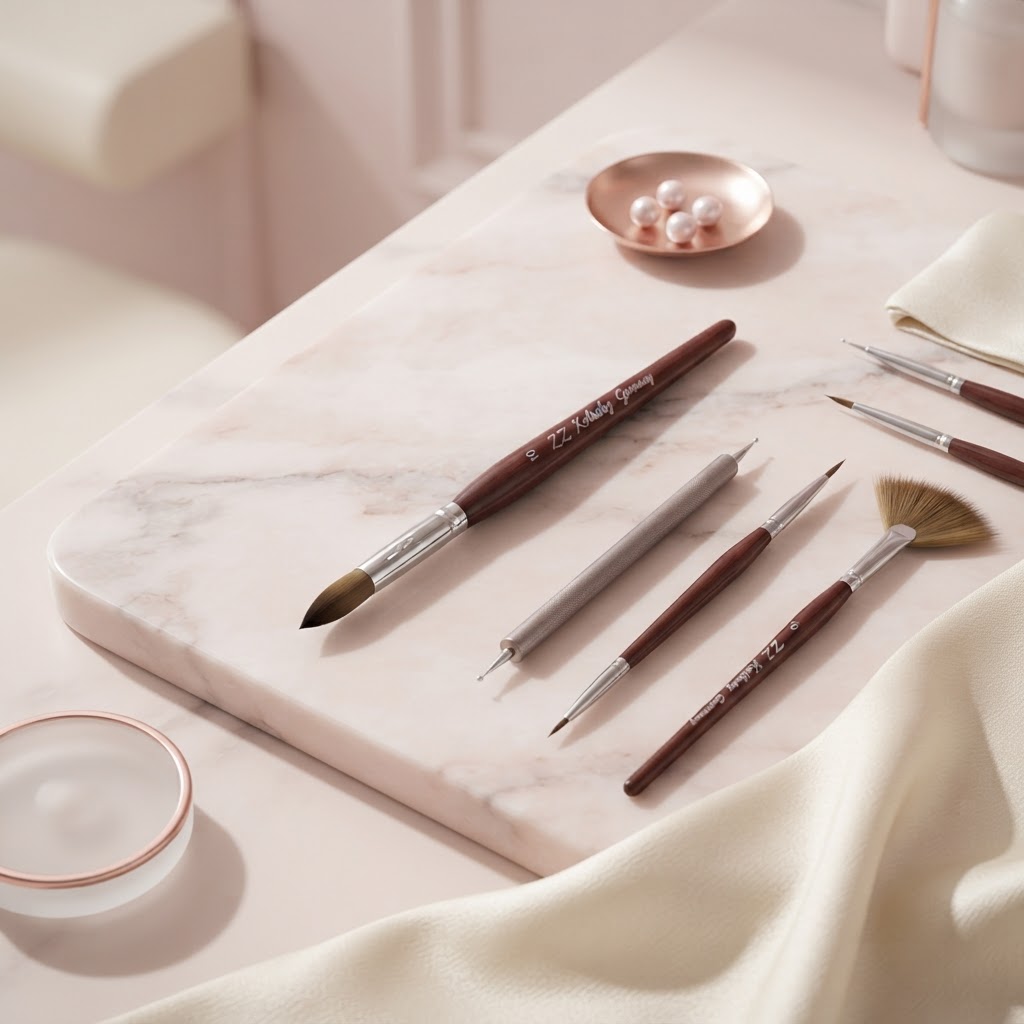
Kolinsky Sable Brushes: The Gold Standard for Detail
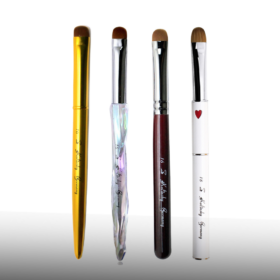
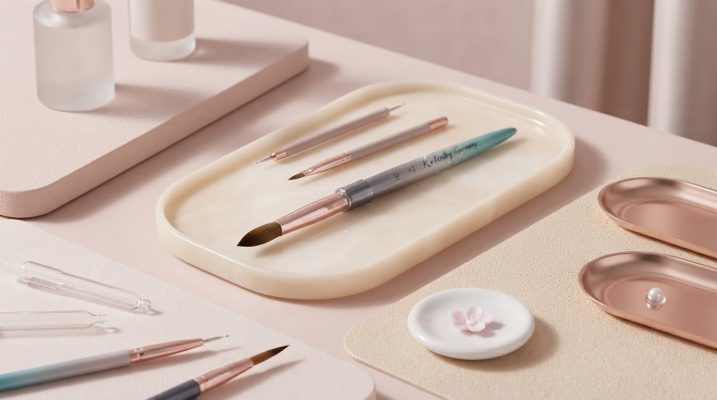
When it comes to precision and control in nail art, Kolinsky sable brushes are widely considered the ultimate choice. These brushes are made from the hair of the male Siberian Kolinsky weasel, renowned for its exceptional spring, fine tip, and ability to hold a significant amount of product. The natural taper of Kolinsky hairs allows for incredibly fine points, making them indispensable for detailed line work, intricate floral patterns, and delicate French smiles. Their natural absorbency means they pick up and release gel or acrylic smoothly, preventing clumping and ensuring a seamless application. While they are an investment, their durability and unparalleled performance justify the cost for serious nail artists. The unique properties of Kolinsky sable hair allow for superior flexibility and resilience, meaning the brush will maintain its shape and fine point even after extensive use. This makes them particularly well-suited for highly detailed work where precision is paramount.
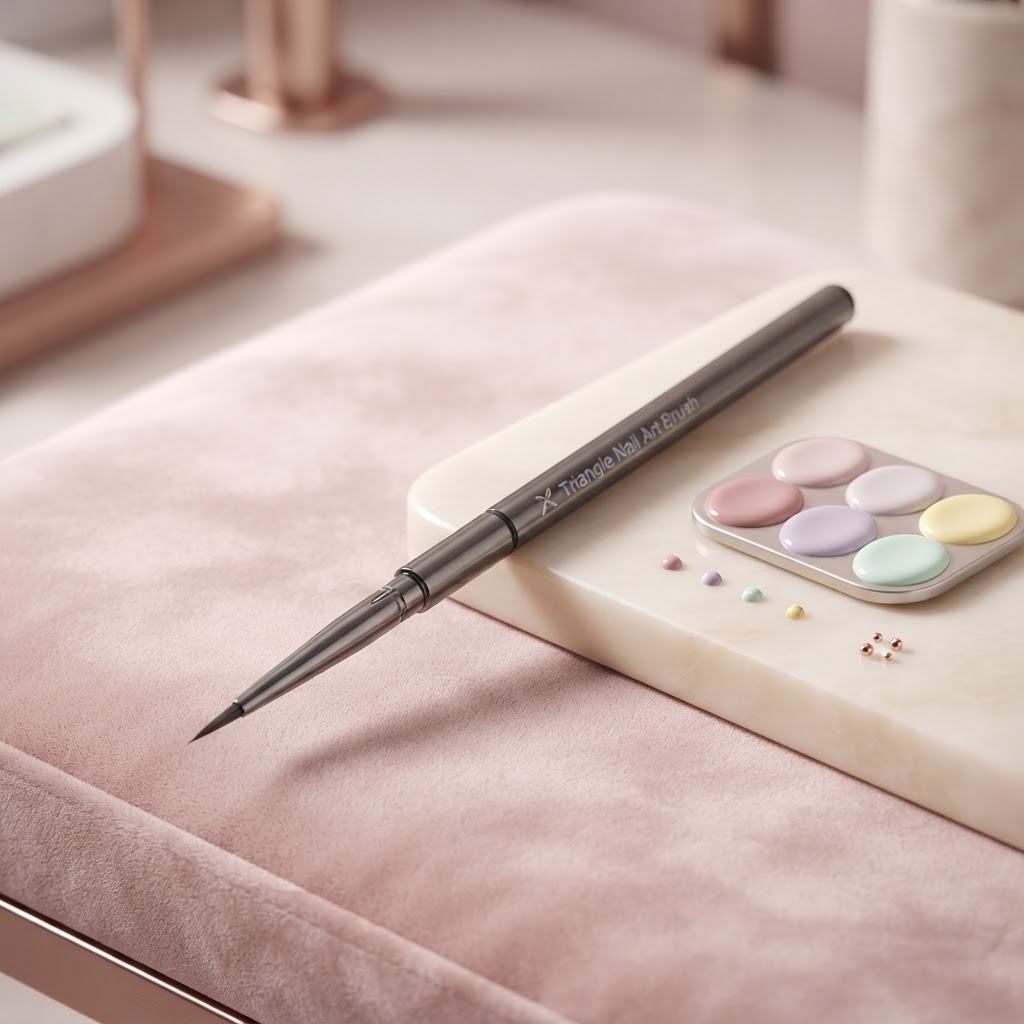
Synthetic Brushes: Versatile and Budget-Friendly Options
Synthetic brushes offer a compelling alternative to natural hair brushes, particularly for those seeking versatility and affordability. Made from materials like nylon or polyester, synthetic bristles are durable, easy to clean, and less prone to splaying or shedding. They are an excellent choice for working with gel polishes, acrylics, and even regular nail lacquer. While they might not offer the same level of ultra-fine detail as Kolinsky sable, many high-quality synthetic brushes are now available that provide impressive control and performance. They are often preferred for application of thicker mediums, 3D nail art, and general color application where extreme precision isn’t the primary concern. Their resilience makes them a practical option for everyday use and for those who are experimenting with different nail art techniques. Many artists find that a combination of synthetic and natural hair brushes offers the best of both worlds, covering a wide spectrum of nail art needs.
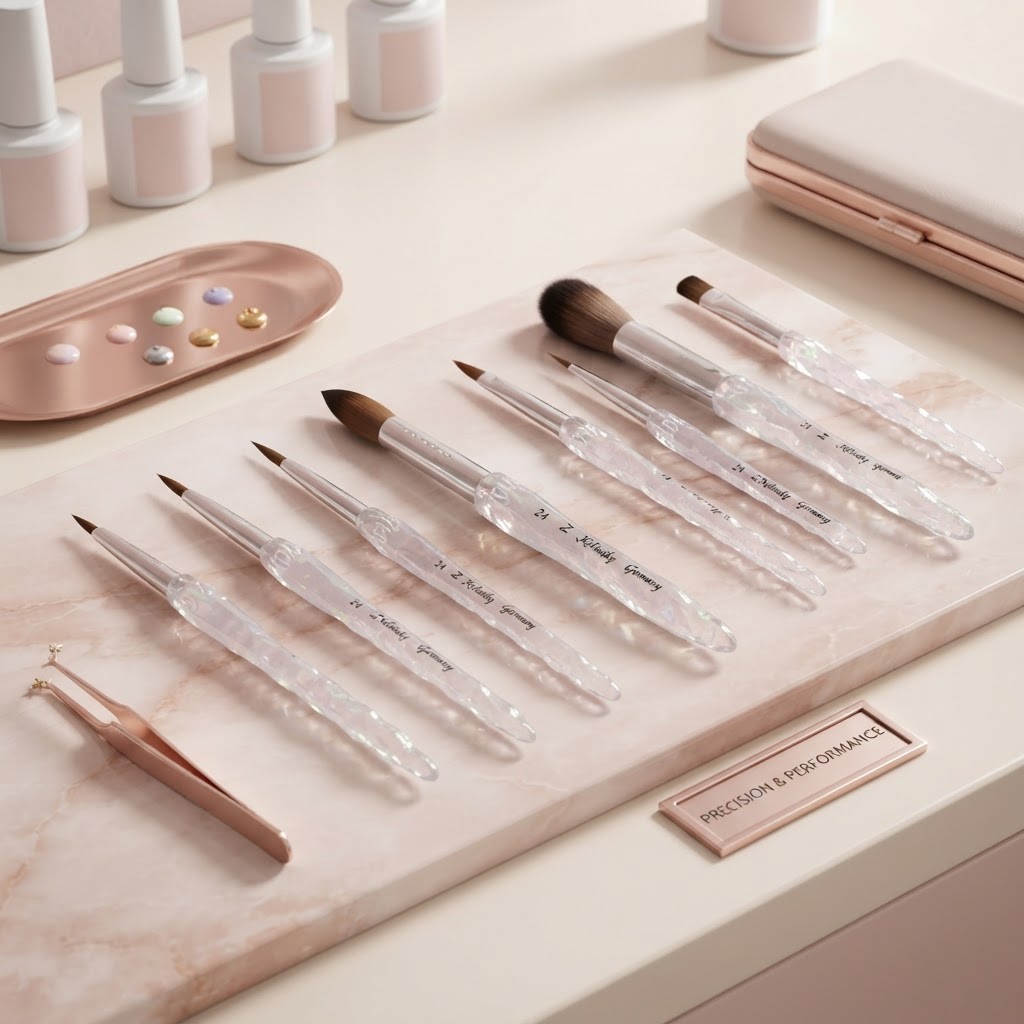
Specialty Brushes for Unique Nail Art Techniques
Beyond the general categories, a host of specialty brushes are designed to execute specific nail art techniques with ease. For instance, stamping brushes are often shorter and denser, perfect for picking up and applying polish for nail stamping. Ombre brushes, typically with angled or fan-shaped heads, are engineered to create seamless color transitions and gradient effects. Gel painting brushes come in a variety of shapes and sizes, specifically formulated to work with the viscosity of gel polishes, offering excellent control for intricate designs. For 3D nail art, brushes with wider, flatter heads are often used to sculpt and shape acrylic or gel mediums into dimensional elements. The existence of these specialized tools highlights the innovation in the nail art industry, providing artists with the means to achieve increasingly complex and sophisticated designs. These brushes are often the secret weapon for achieving those coveted salon-quality finishes.
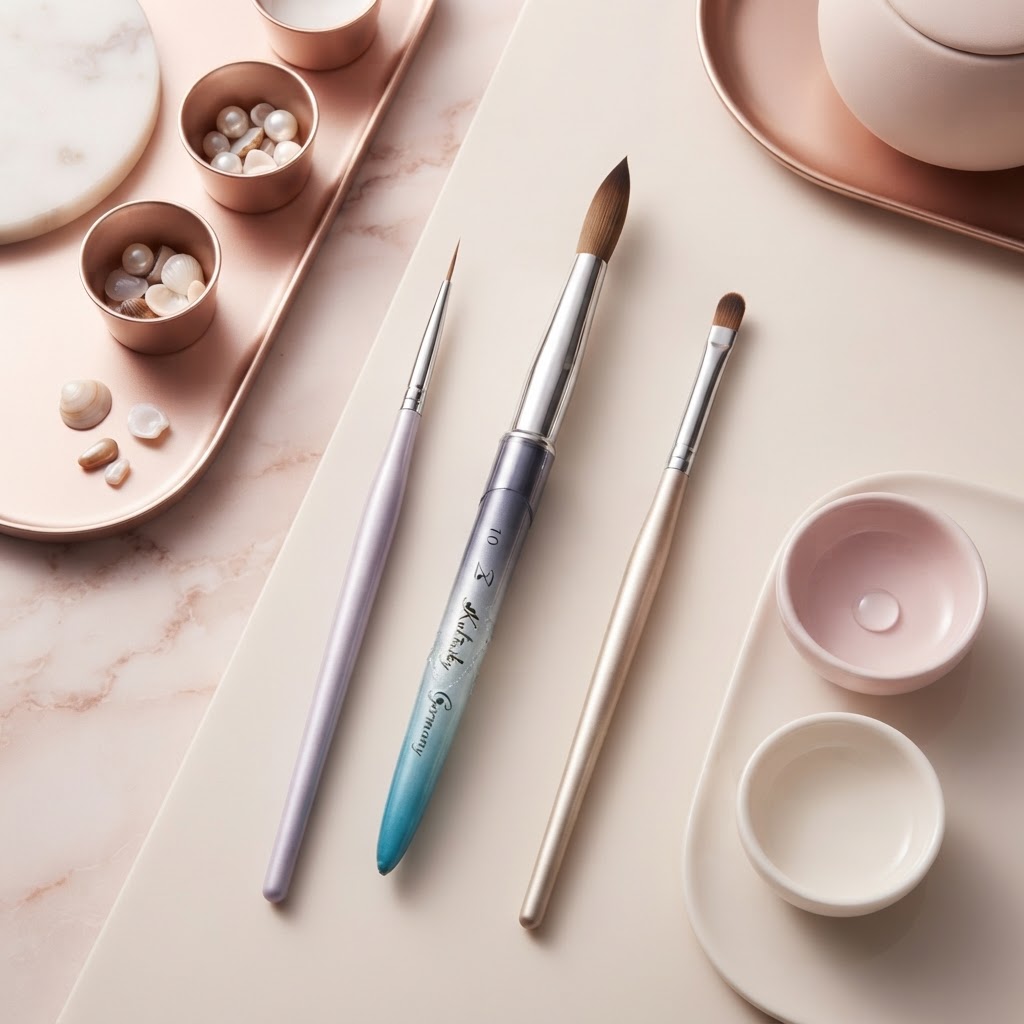
How to Choose the Right Nail Art Brushes for Your Needs
Selecting the best brushes for nail art involves considering several key factors. Firstly, identify the primary nail art techniques you intend to practice. If intricate details and fine lines are your focus, invest in high-quality Kolinsky sable liner brushes. For broader applications, blending, and working with gels, a good set of synthetic brushes with various shapes and sizes will be invaluable. Consider the material of the bristles: natural hair offers superior absorption and flexibility for detailed work, while synthetics are durable and easy to clean. Brush size is also critical; smaller brushes are for intricate work, while larger ones are for coverage. Look for comfortable, ergonomic handles that provide a good grip and control. For beginners, starting with a curated set that includes a few essential types like a liner, a detail brush, and a fan brush is a wise approach. As your skills grow, you can gradually expand your collection based on specific needs and desired effects.
Caring for Your Nail Art Brushes for Longevity
Proper care and maintenance are essential to ensure your nail art brushes perform optimally and last for a long time. After each use, it’s crucial to clean your brushes thoroughly. For gel brushes, use a gel cleanser or isopropyl alcohol to remove uncured gel product. For acrylic brushes, use monomer to clean them, ensuring all acrylic residue is removed. Avoid letting product dry on the bristles, as this can permanently damage them and affect their shape and flexibility. After cleaning, reshape the bristles gently and store them upright in a brush holder or lay them flat to prevent bending or damage. For natural hair brushes, occasionally using a gentle brush conditioner can help maintain the softness and flexibility of the bristles. Never soak your brushes for extended periods, as this can weaken the adhesive holding the bristles to the ferrule. Regular cleaning and proper storage will significantly extend the lifespan of your brushes and maintain their precision.
| Feature | Kolinsky Sable Brush | Synthetic Brush |
|---|---|---|
| Bristle Material | Natural hair (Siberian Kolinsky weasel) | Synthetic fibers (nylon, polyester) |
| Best For | Fine line work, intricate details, French smiles, precise application | General application, gel polish, acrylics, stamping, ombre, 3D art, durability |
| Control & Precision | Exceptional, superior flexibility and fine tip | Good to very good, can vary by quality |
| Durability & Maintenance | Requires careful cleaning and reshaping, prone to damage if not cared for | Highly durable, easy to clean, less prone to splaying |
| Cost | Higher investment | More budget-friendly, wide range of price points |
In conclusion, identifying what are the best brushes for nail art is a multifaceted process. It depends on the desired artistic outcome, the medium being used, and personal preference. Kolinsky sable brushes stand out for their unparalleled precision in detailed work, while high-quality synthetic brushes offer excellent versatility and durability for a broader range of applications. Specialty brushes further enhance the artist’s toolkit, enabling specific techniques. By understanding the characteristics of different brush types and investing in proper care, nail artists can ensure they have the right tools to create breathtaking nail art, making the selection and maintenance of brushes a critical component of the creative process.