
 3D Gel
 Accessories
 Acrylic Brushes
 Art Brushes
 Clippers
 Design
 French Brushes
 Builder Gel
 Nail Tip Cutter
 Nippers
 Pusher
 Scissors
 Tweezers
Jun
Blogs
Best Cuticle Nipper For Professionals: The Pro Checklist That Actually Improves Your Results
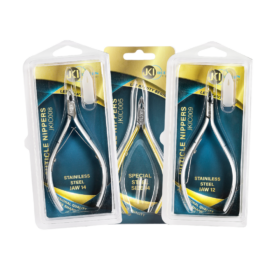
A professional manicure can look “high end” even with simple color, but the cuticle line tells the truth. If the trim is clean, controlled, and comfortable, clients notice. If the tool tugs, chews, or leaves ragged edges, the service feels rough no matter how pretty the final set is. That’s why choosing the best cuticle nipper for professionals is less about brand hype and more about engineering, feel, and maintenance.
This guide breaks down what experienced nail techs really look for, how to test a nipper fast, which specs matter for different work styles, and how to keep performance consistent over hundreds of services.
The professional standard: clean cut, zero tug, minimal trauma
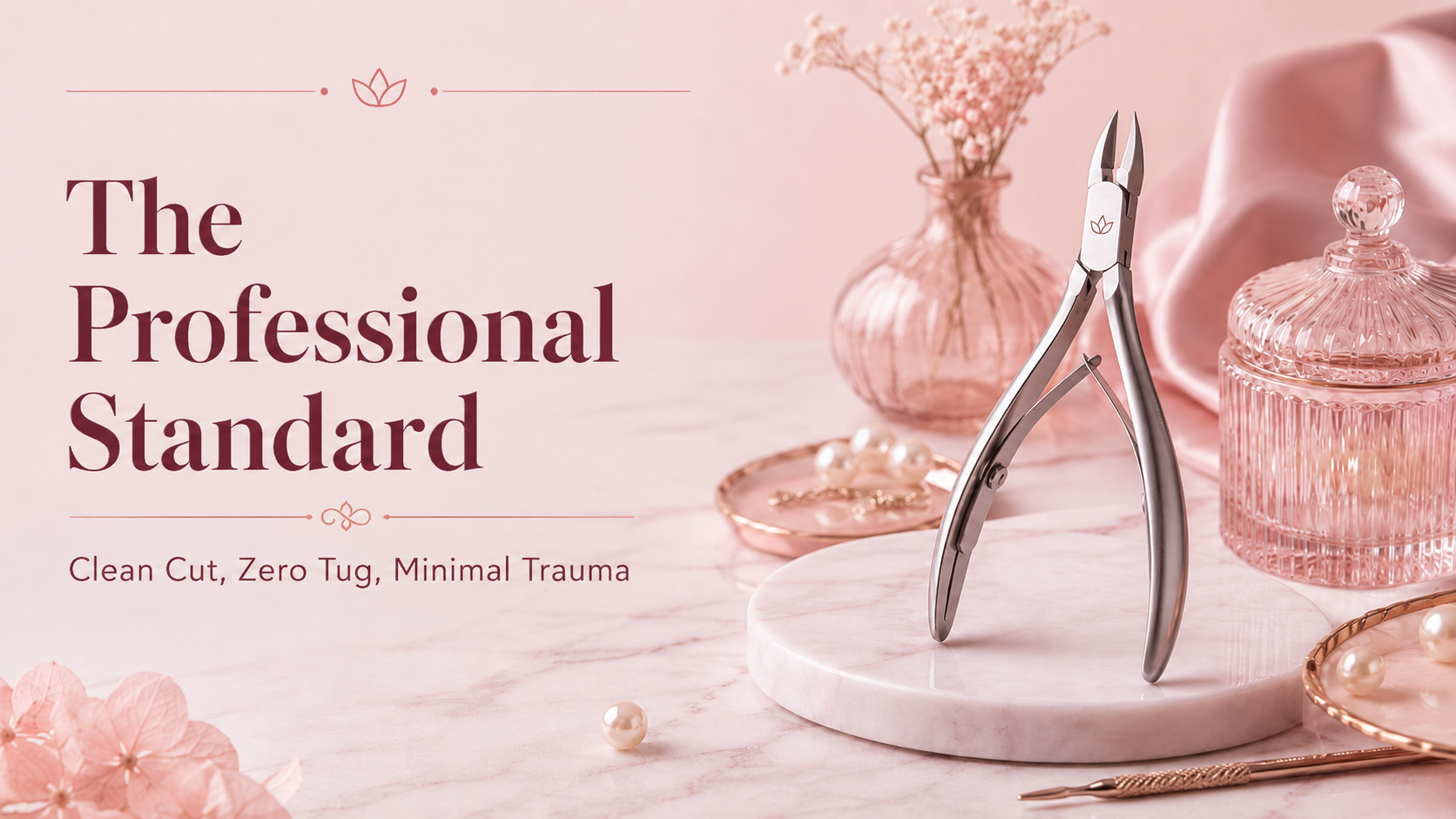
Pros don’t judge a nipper by how shiny it is. They judge it by three outcomes:
-
It cuts lifted dead tissue cleanly in one micro snip
-
It never pulls skin or “chews” through the cuticle line
-
It allows precision without over trimming living tissue
If any of those fail, the tool becomes a liability. Poor cutting encourages extra pressure and extra trimming, which can cause redness, sensitivity, and faster regrowth.
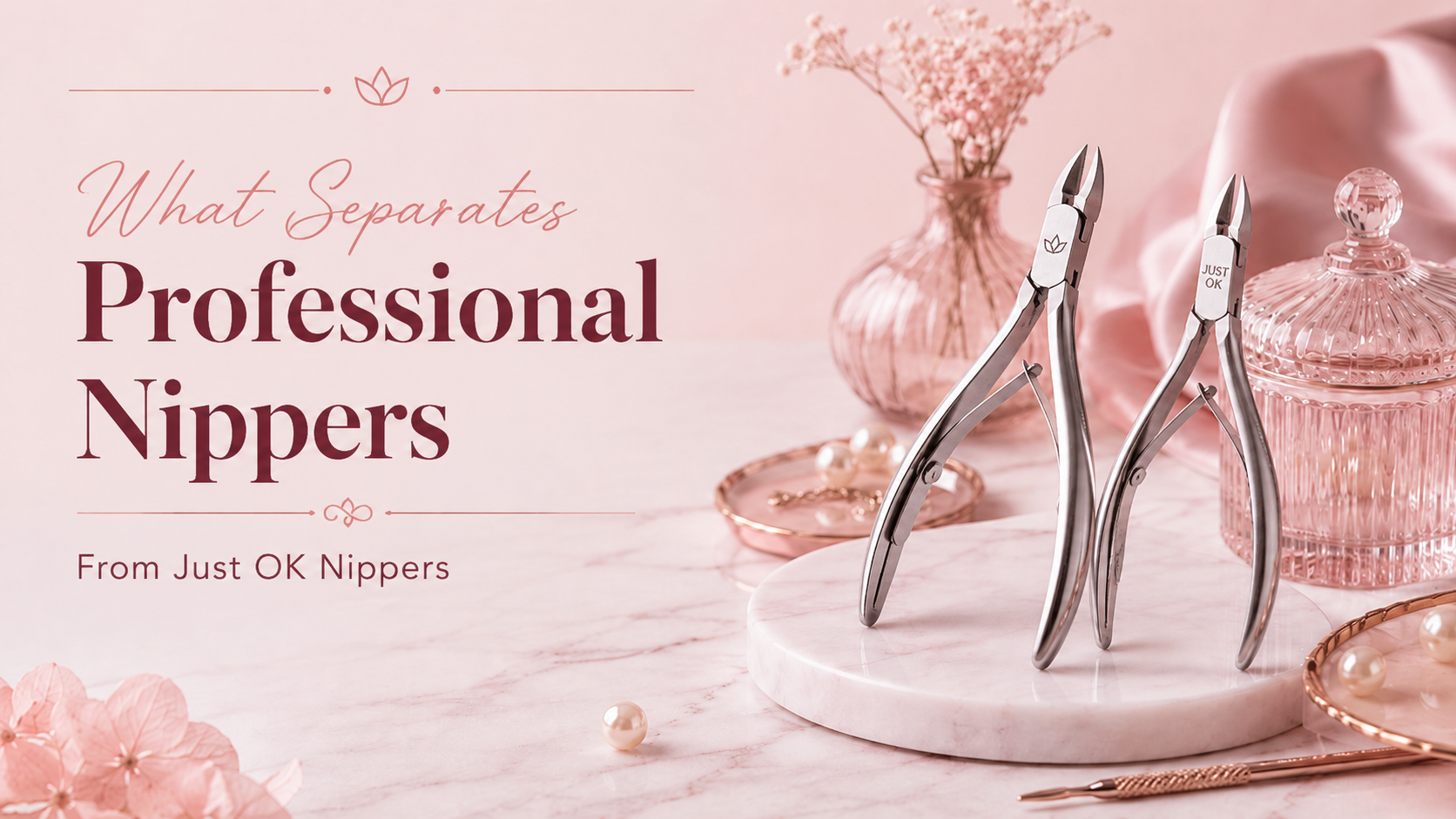
What separates professional nippers from “just OK” nippers
Jaw alignment is everything
When the tips meet perfectly, the nipper slices. When they don’t, it pinches and tears. That’s the difference between a clean perimeter and a sore cuticle rim.
Fast test: close the nipper and hold the jaws under strong light. You should not see a gap near the tip. A tiny gap often translates to tugging in real use.
Edge sharpness that stays sharp
Professional use means many micro cuts per day. A true pro nipper holds its edge longer, so the cut remains clean without increasing pressure.
You can feel it immediately. Sharp nippers cut with a crisp, smooth snap. Dull nippers feel like they drag before they cut.
Joint stability
If the nipper has wobble at the joint, your cut becomes unpredictable. Predictability matters in the cuticle zone because one slip can break skin.
Look for a stable joint that opens and closes smoothly with no side to side play.
Spring feel that matches real salon pace
A spring is not just a spring. It controls fatigue.
If the spring is too stiff, your hand tires early. If it’s too loose, control feels unstable. A smooth, consistent spring makes long shifts easier and keeps your pressure light, which protects clients’ skin.
Choosing the right jaw size for the way you work

The “best” jaw size depends on control, client volume, and the type of cuticle you see daily.
Short jaw for maximum precision
Shorter jaws are ideal when you want total control, especially on smaller nail beds or clients with delicate cuticles. They slow you down slightly, but they reduce risk.
Medium jaw for most professionals
Medium jaw length is the salon workhorse. It balances speed and control, making it easier to handle a variety of clients without switching tools.
Long jaw for speed, with a caution
Long jaws can be fast, but they are less forgiving if you over trim. They are better for very experienced techs who already have a light touch and a consistent trimming pattern.
If you are unsure, medium jaw is the safest professional choice.
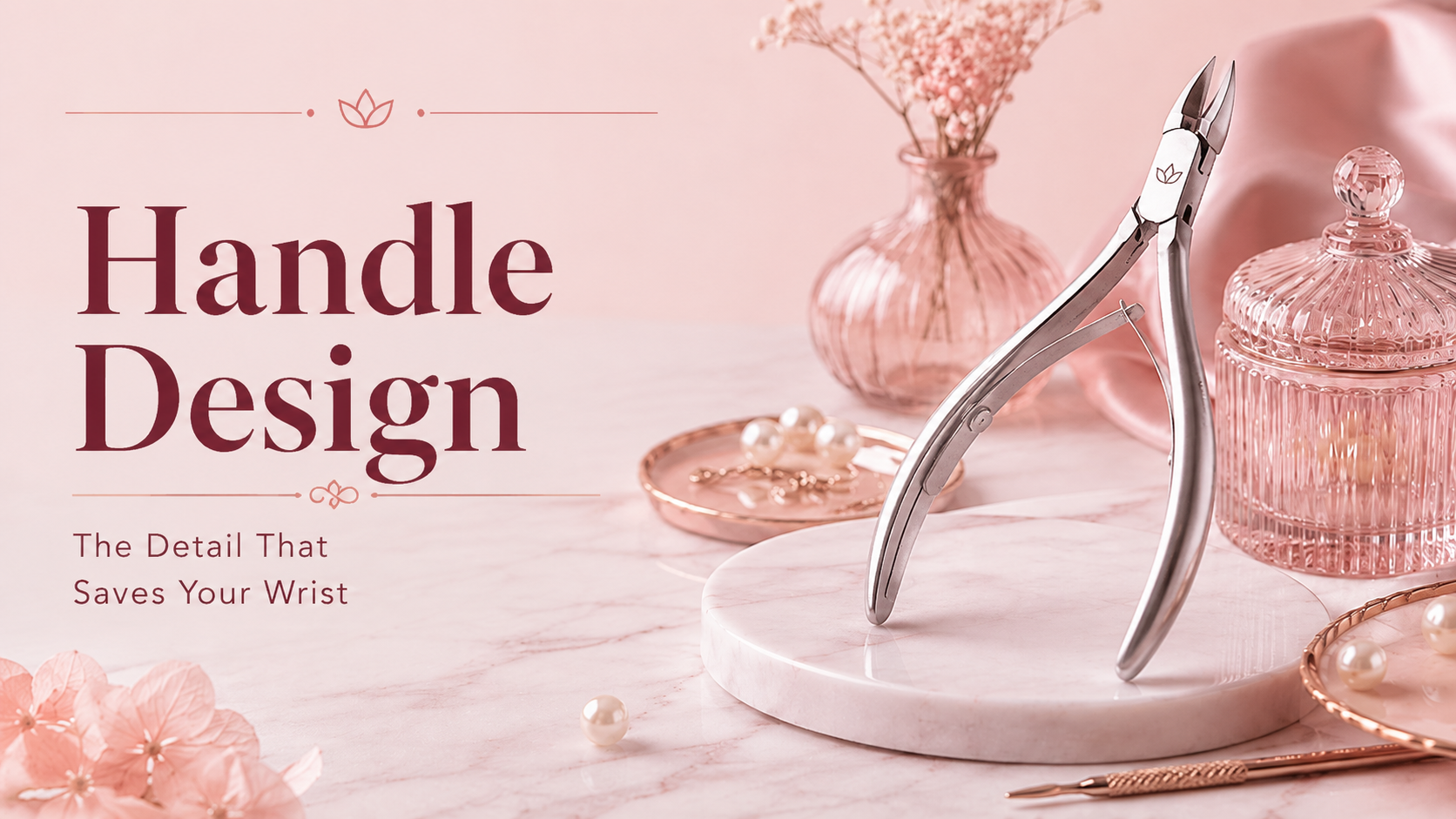
Handle design: the detail that saves your wrist
A lot of nippers look similar until you use them for eight hours.
A professional friendly handle typically has:
-
A non slip texture or finish
-
Comfortable width that does not force a tight grip
-
Balanced weight so the tool feels stable without effort
If you feel yourself gripping hard to control the jaw, you will fatigue, and fatigue leads to heavier pressure. Heavier pressure leads to skin trauma. Ergonomics is not a luxury. It is a safety feature.
The two minute “store test” before you buy

Even without cutting anything, you can test quality quickly.
-
Alignment test: close the jaw, check for gaps at the tip
-
Spring test: open and close several times, feel for smooth consistency
-
Wobble test: gently move the handles side to side when closed, there should be minimal play
-
Tip visual: the tips should look clean and symmetrical, not uneven or rough
-
Comfort test: hold it like you would during service, the tool should feel stable with light grip
If a nipper fails any of these, do not expect it to magically improve during real cuticle work.
How professionals use nippers without damaging cuticles

The best nipper still needs the right technique. Pros follow a simple rule: push first, nip second.
A safe workflow looks like this:
-
Soften briefly, either with cuticle softener or a short soak
-
Push back gently at a shallow angle to lift non living tissue
-
Trim only what is clearly lifted and white, never cut attached pink tissue
-
Micro snips only, no long continuous cuts
-
Finish with oil to calm the area and reduce hangnails
If you find yourself cutting a lot, the issue is often dryness or skipping oil between services.
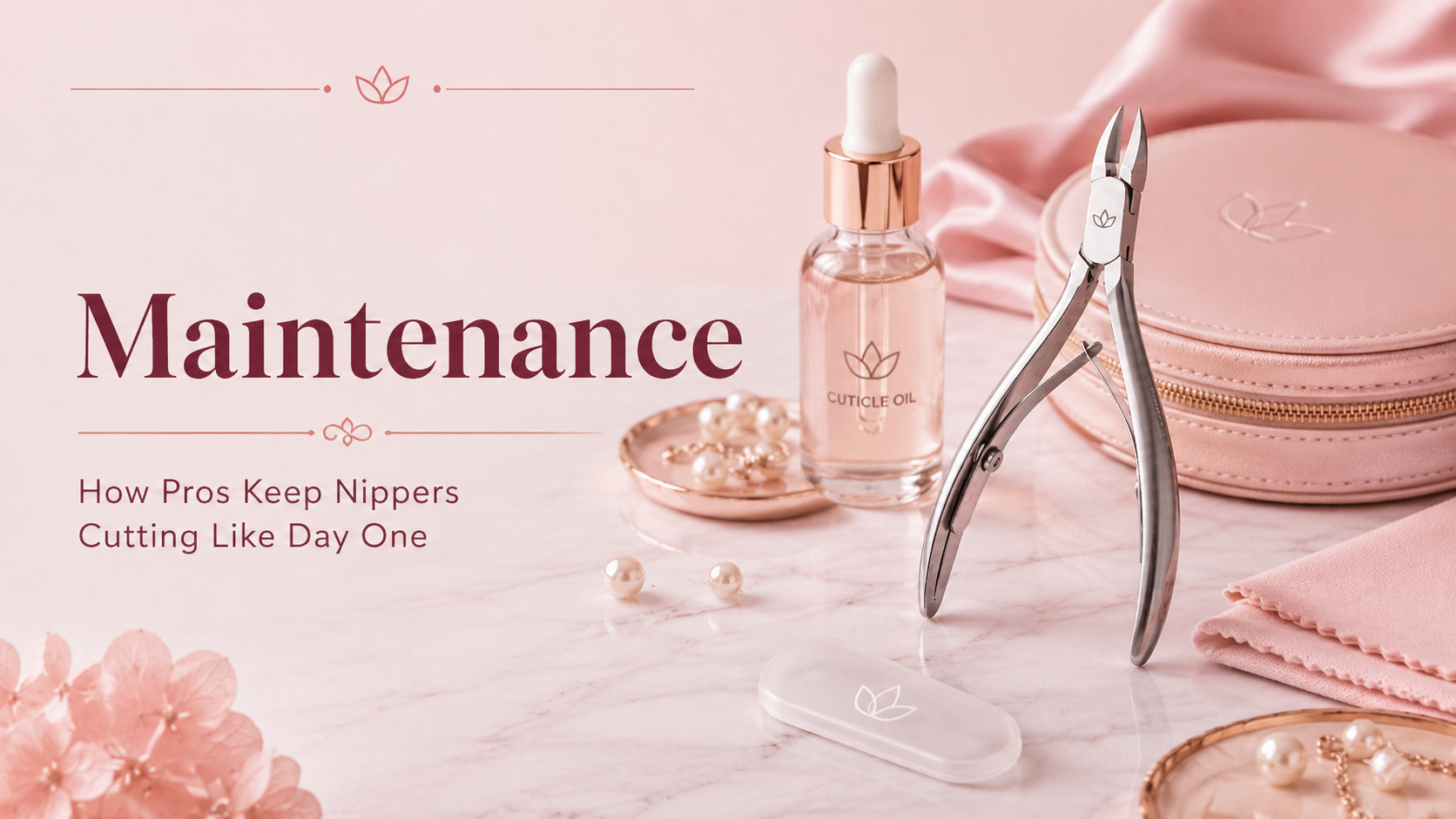
Maintenance: how pros keep nippers cutting like day one
Most nippers “die” from neglect, not age.
Clean correctly
Remove debris first, then disinfect according to your salon standards. Dry fully. Moisture at the joint is the fastest way to invite rust and stiffness.
Protect the tips
Store with a tip guard or in a case. Dropping a nipper or letting the tips bang into other metal tools can misalign the jaw instantly.
Oil the joint lightly
A single drop at the joint weekly is enough. Wipe excess to avoid slippery handling.
Sharpen on schedule
If you feel tugging, do not push harder. That’s when skin tears happen. Sharpen or replace. Many busy salons keep at least one backup nipper ready so service quality never drops mid day.
Which professionals need more than one nipper
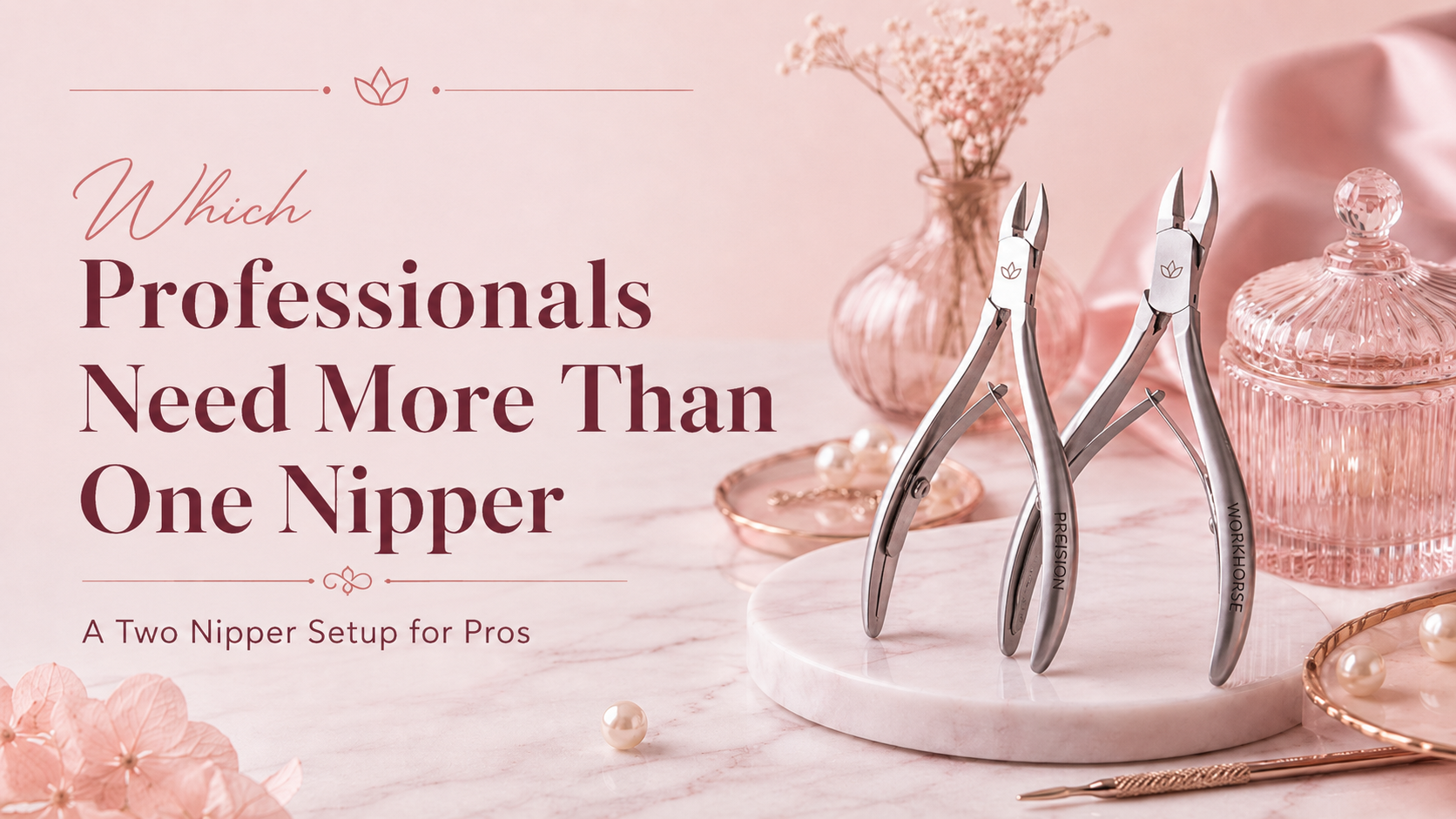
Some techs try to use one nipper for everything. Many pros prefer a two nipper setup:
-
Precision nipper for delicate clients and clean finishing work
-
Workhorse nipper for routine trims and higher volume services
This keeps your best precision tool protected and helps both last longer.
Quick FAQs
Do professional nippers need to be expensive?
Not necessarily. The real value is alignment, stable joint, and edge retention. A mid range tool that stays sharp can outperform an overpriced tool with poor alignment.
Is double spring always better?
Not always. It depends on the feel and your hand preference. The best spring is the one that lets you work lightly for hours without fatigue.
Can I use cuticle nippers on nails or tips?
No. Nippers are for lifted dead cuticle and hangnails. Cutting hard plastic or nail plates can chip the edge and ruin alignment.
Why do my nippers start tugging after a short time?
Common reasons include dull edge, jaw misalignment from drops, residue in the joint, or corrosion from poor drying.
The best cuticle nipper for professionals is the one that cuts cleanly with a light touch, stays aligned, and remains comfortable through long shifts. When you choose based on alignment, joint stability, jaw size that matches your workflow, and ergonomic comfort, you reduce irritation, improve the cuticle line, and speed up your service without rushing.
Professional results come from small details done consistently. A great nipper simply makes those details easier to repeat.