
 3D Gel
 Accessories
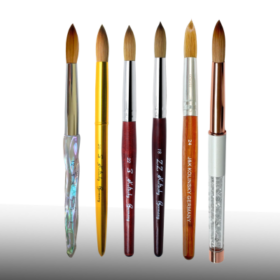 Acrylic Brushes
 Art Brushes
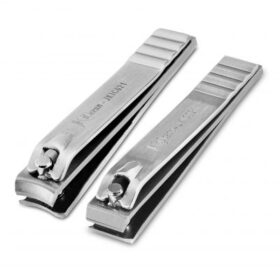 Clippers
 Design
 French Brushes
 Builder Gel
 Nail Tip Cutter
 Nippers
 Pusher
 Scissors
 Tweezers
May
Blogs
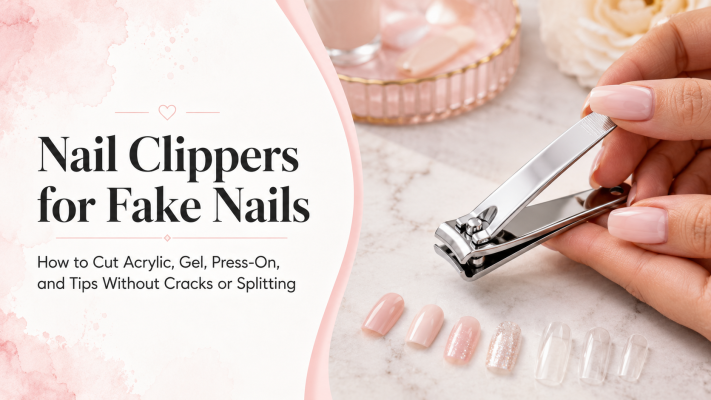
Nail Clippers for Fake Nails: How to Cut Acrylic, Gel, Press-On, and Tips Without Cracks or Splitting
Searching for nail clippers for fake nails usually means you’ve run into a common problem: your extensions are too long, one nail snapped, or you need to reshape a set quickly—without ruining the whole manicure. The challenge is that “fake nails” (acrylic, hard gel, polygel, press-ons, plastic tips) behave very differently from natural nails. Use the wrong clipper and you can end up with stress cracks, jagged edges, or even lifting near the cuticle line.
This guide explains which clippers work best for different types of fake nails, how to cut them safely, and what to do instead when clipping isn’t the smartest option. It’s focused on practical results, not product hype.
What Type of Fake Nail Are You Cutting?
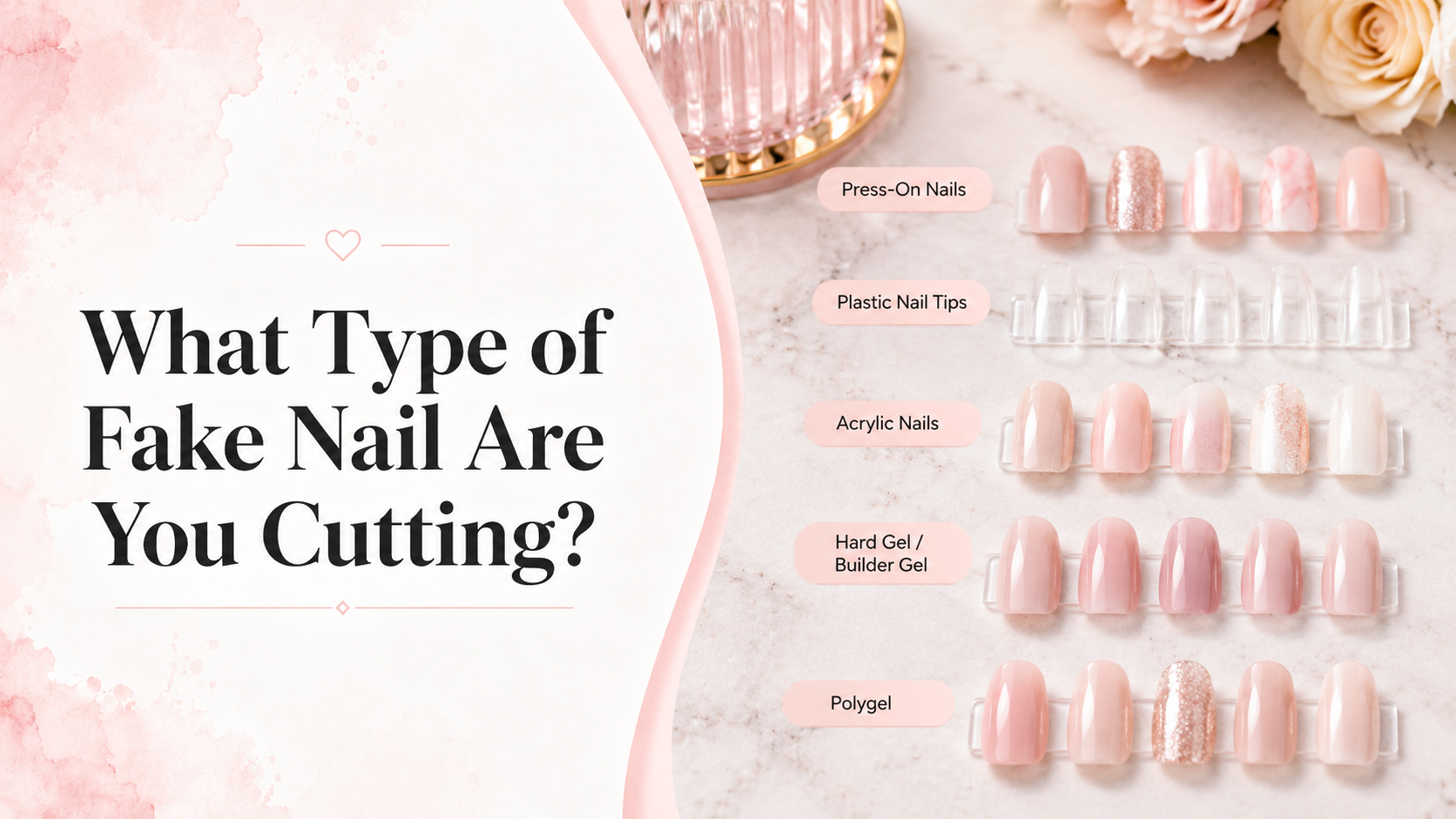
Before you choose a clipper, identify the material. The best nail clippers for fake nails depend on what you’re trimming:
- Press-on nails (pre-made plastic)
- Plastic nail tips (before or after applying acrylic/gel overlay)
- Acrylic nails (hard, brittle)
- Hard gel or builder gel (hard but slightly different fracture behavior)
- Polygel (strong, flexible hybrid)
Acrylic and hard gel can crack if you “snap-cut” them. Press-ons and tips can bend or split if cut incorrectly. This is why pros often use more than one tool: a tip cutter for plastic and a file/e-file for hardened enhancements.
Nail Clippers vs. Tip Cutters: The Important Difference
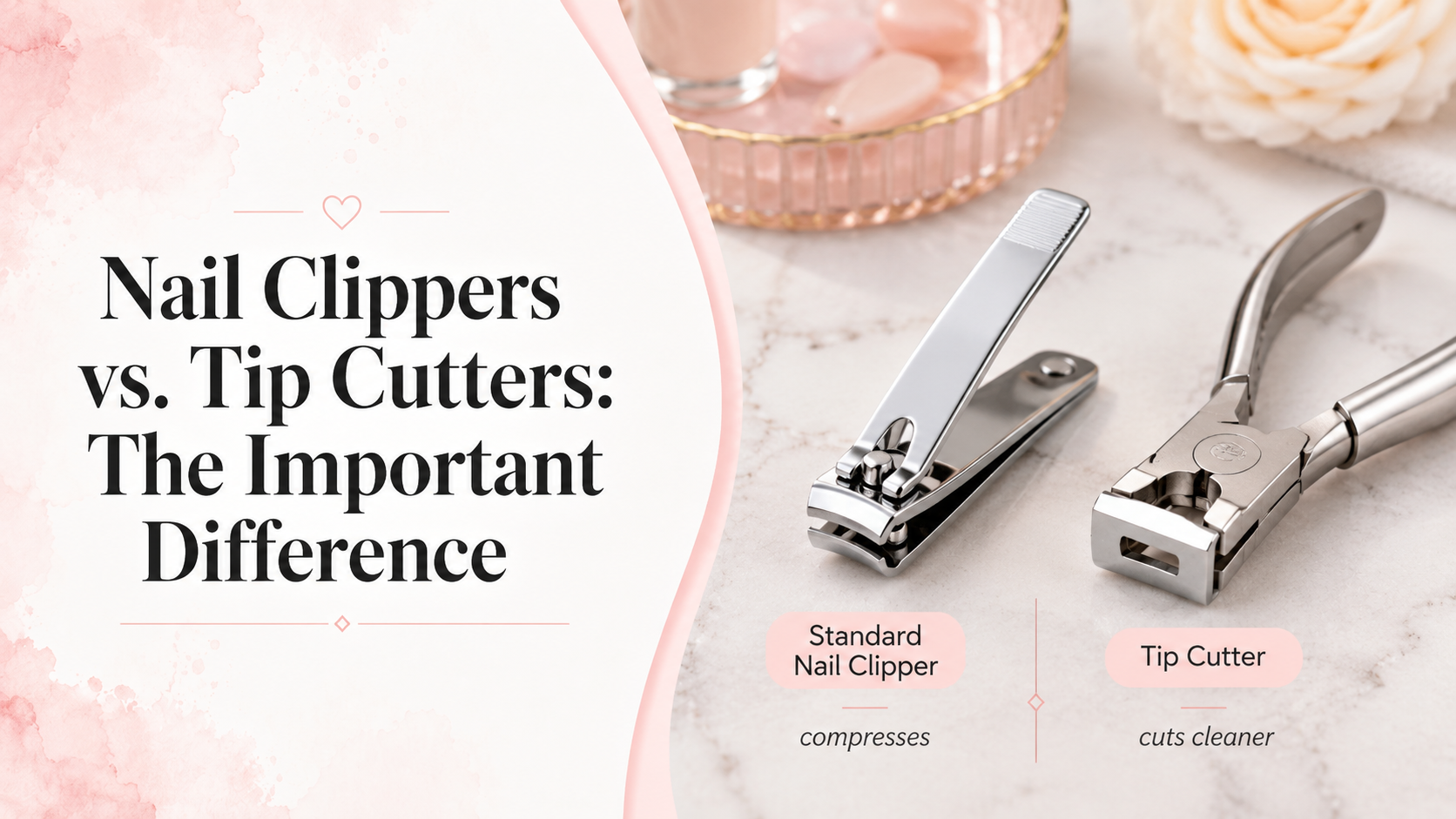
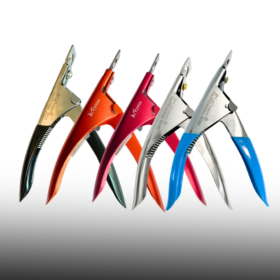
Many people search “nail clippers for fake nails” but what they actually need is a nail tip cutter.
- Standard nail clippers are designed for natural nails. They compress as they cut.
- Tip cutters are designed for plastic tips and press-ons. They cut cleaner and reduce stress cracking.
If you’re trimming plastic tips or press-ons, a tip cutter is usually the safest choice. If you’re trimming a fully cured acrylic or hard gel set, filing down is often safer than clipping.
The Best Tools for Each Fake Nail Type
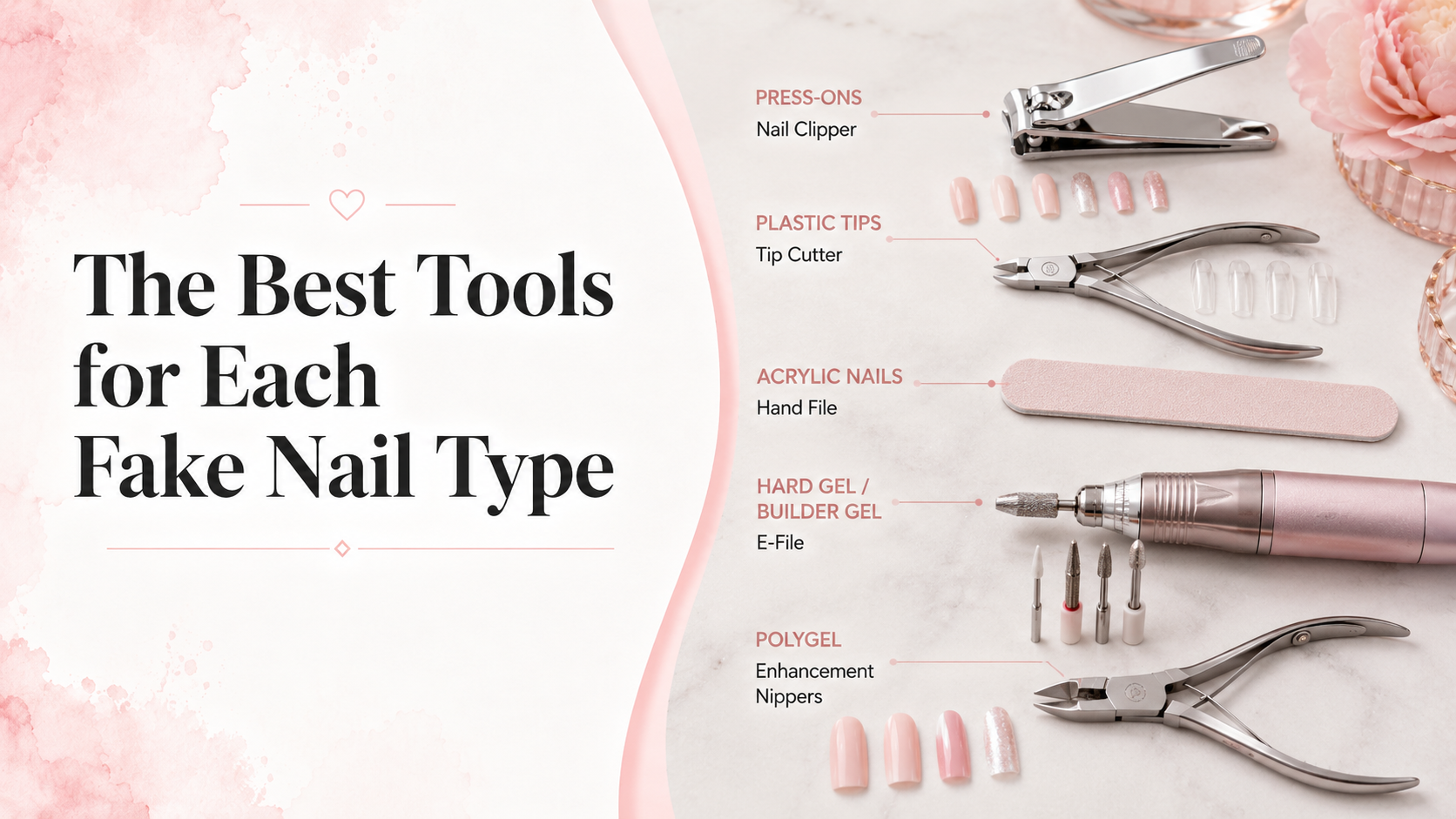
Press-ons (plastic)
Best tool: Tip cutter or sharp, straight-edge clipper designed for thicker plastic.
Why: Press-ons can split if squeezed with small clippers.
Best method: Cut in small sections, then file smooth.
Plastic tips (before overlay)
Best tool: Tip cutter
Why: Tips crack easily if clipped with the wrong angle.
Best method: Choose the cut style (straight, round, or deep curve), then refine with a file.
Acrylic nails (fully hardened)
Best tool: File or e-file (preferred), or nippers designed for hard enhancements if trained.
Why: Acrylic can develop stress cracks if you “snap” it.
Best method: Reduce length with filing first; if clipping is necessary, do micro-cuts and immediately file the edge.
Hard gel / builder gel
Best tool: File or e-file
Why: Hard gels can crack if clipped abruptly.
Best method: Thin the thickness first, then shorten gradually.
Polygel
Best tool: File or e-file; clipping only if the set is not overly thick
Why: Polygel is tougher and slightly flexible, but still can fracture if cut aggressively.
Best method: Reduce length slowly and refine with a file.
The Safe Way to Shorten Fake Nails
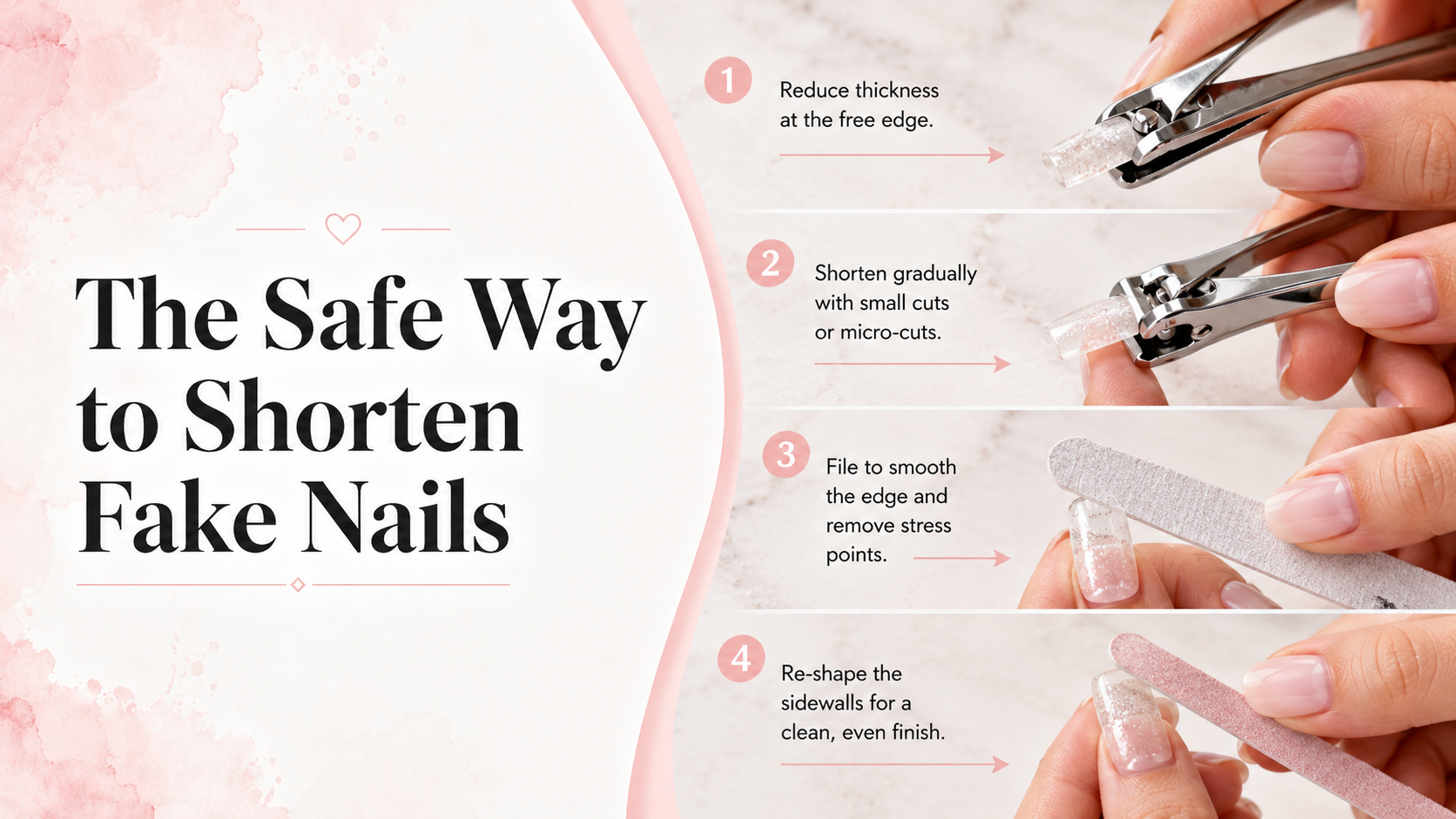
If you want the safest technique that works across most enhancements, use this sequence:
Step 1: Reduce thickness at the free edge (if needed)
If the nail is thick (acrylic or builder), file the underside and free edge lightly. This reduces tension when cutting.
Step 2: Shorten gradually
Instead of one big cut:
- Clip or cut small sections from side to side
- Avoid a single “snap” cut across the whole nail
- Keep the pressure gentle and controlled
Step 3: Immediately file to remove stress points
After cutting, file the edge smooth. Stress cracks often start at tiny jagged points, so this step matters.
Step 4: Re-shape the sidewalls
Shortening changes the silhouette. Re-establish shape (square, almond, coffin) using a file, not repeated clipping.
How to Cut Fake Nails by Shape (So They Still Look Professional)
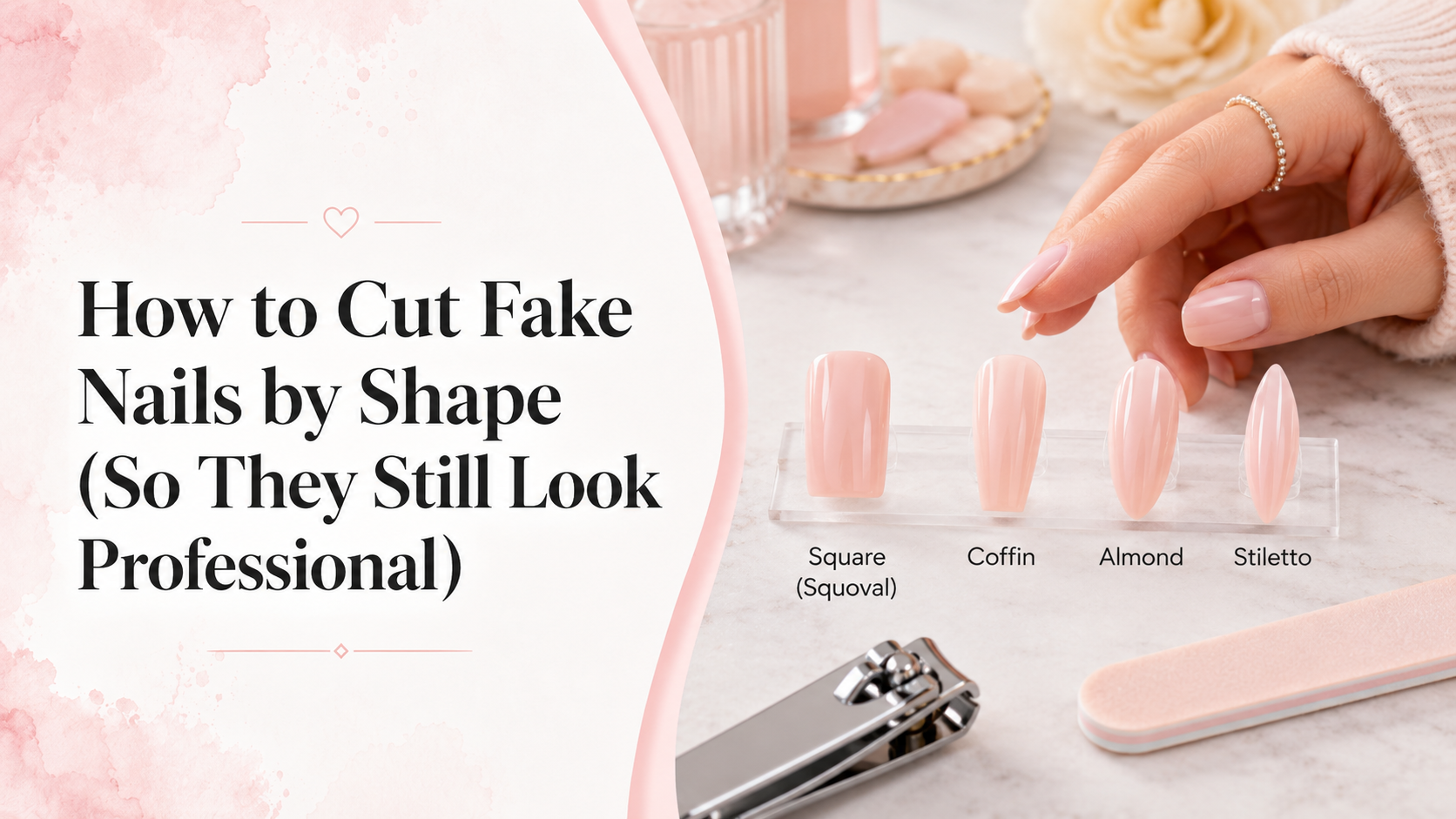
Square or squoval
- Cut straight across with a tip cutter
- File corners slightly for squoval
- Keep sidewalls straight to avoid “flared” edges
Coffin
- Shorten slightly longer than your target length
- File the sides inward and flatten the tip
- Avoid clipping the sides too aggressively (creates thin weak corners)
Almond
- Don’t clip into a point.
- Shorten, then file both sides evenly into a soft taper
- Finish with a fine grit for symmetry
Stiletto
- Best done by filing rather than clipping
- Clip only to reduce length, then sculpt the point carefully
When You Should NOT Use Nail Clippers on Fake Nails
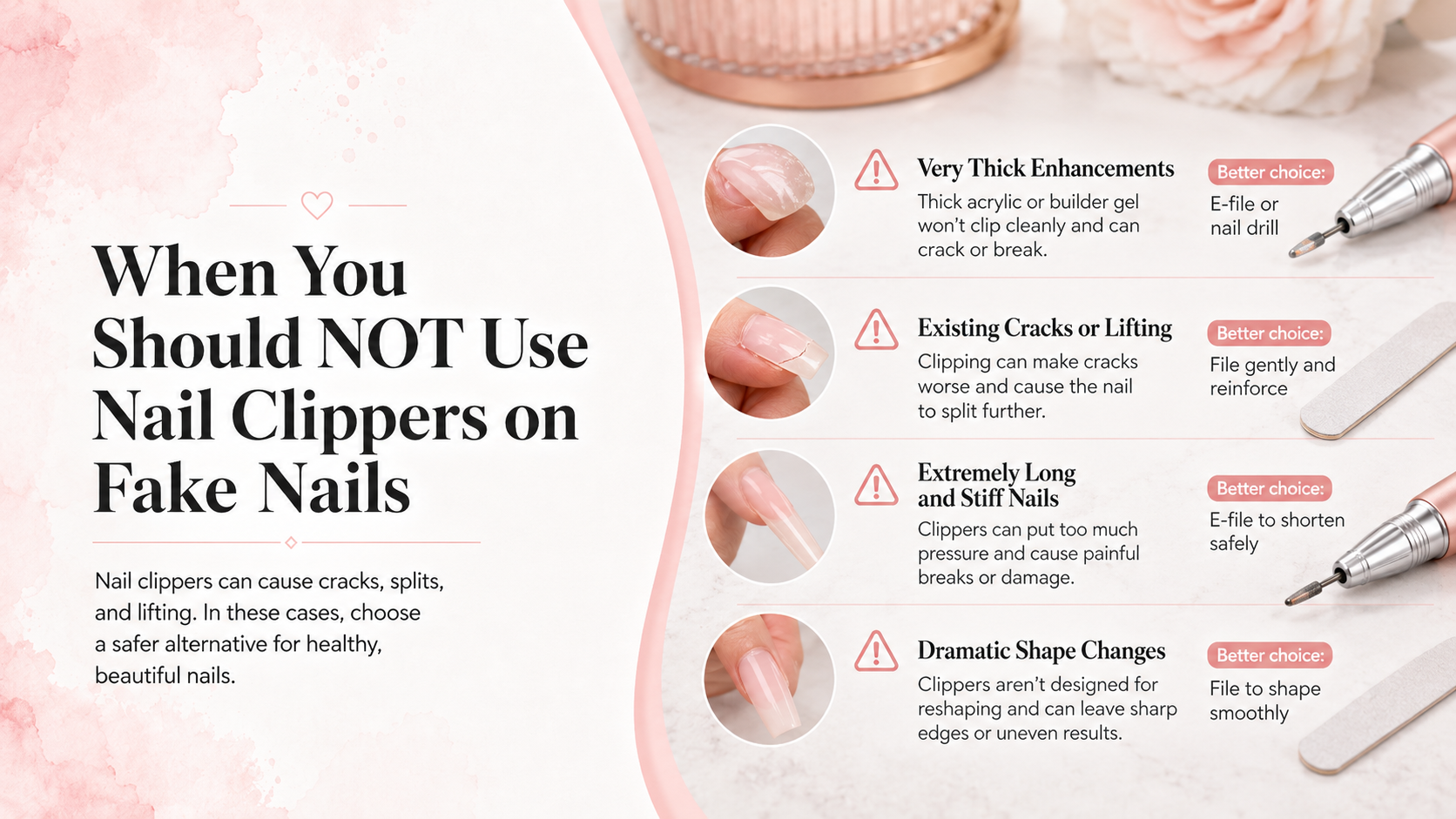
Avoid clipping if:
- The enhancement is very thick
- You see existing cracks or lifting
- The nail is extremely long and stiff
- You’re trying to change shape dramatically (file instead)
In these cases, an e-file or manual file is safer and produces a cleaner finish.
Common Mistakes That Cause Cracks or Lifting
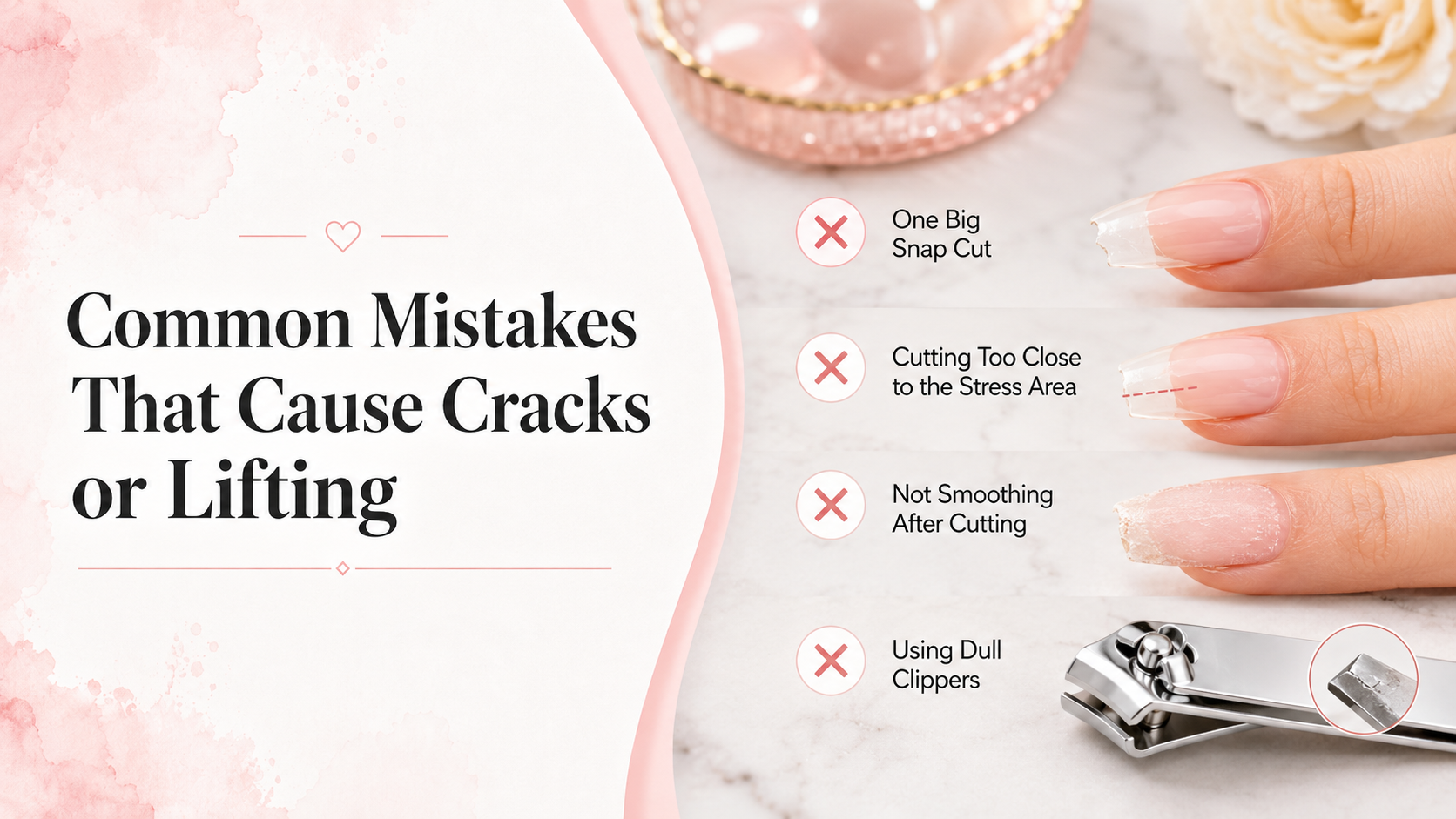
Mistake 1: One big snap cut
This puts maximum pressure across the nail and can crack acrylic or hard gel.
Better: micro-cuts or file down.
Mistake 2: Cutting too close to the stress area
Shortening too aggressively can weaken the apex zone.
Better: keep structure in mind and avoid thinning the stress point.
Mistake 3: Not smoothing after cutting
Jagged edges become crack starters.
Better: always file after cutting.
Mistake 4: Using dull clippers
Dull blades crush rather than cut.
Better: replace or use a tool designed for the material.
Fast Fix: One Fake Nail Broke, What Should You Do?
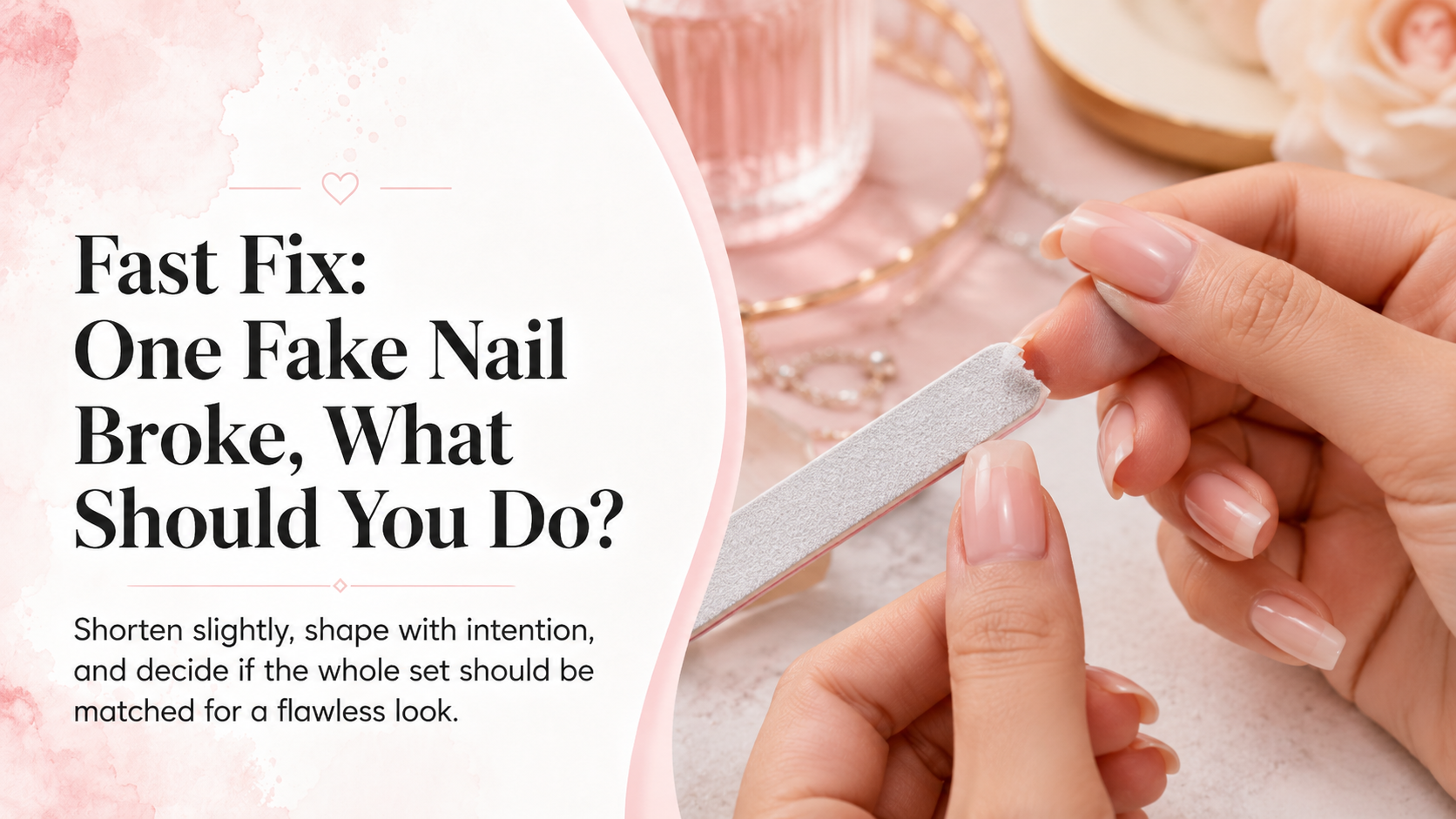
If one nail snaps:
- Shorten the broken nail slightly with a file
- Decide whether to shorten all nails to match
- If you must shorten the full set quickly, file length first, then refine shape
This prevents uneven stress and keeps the set looking intentional.
How to Clean Clippers Used on Fake Nails
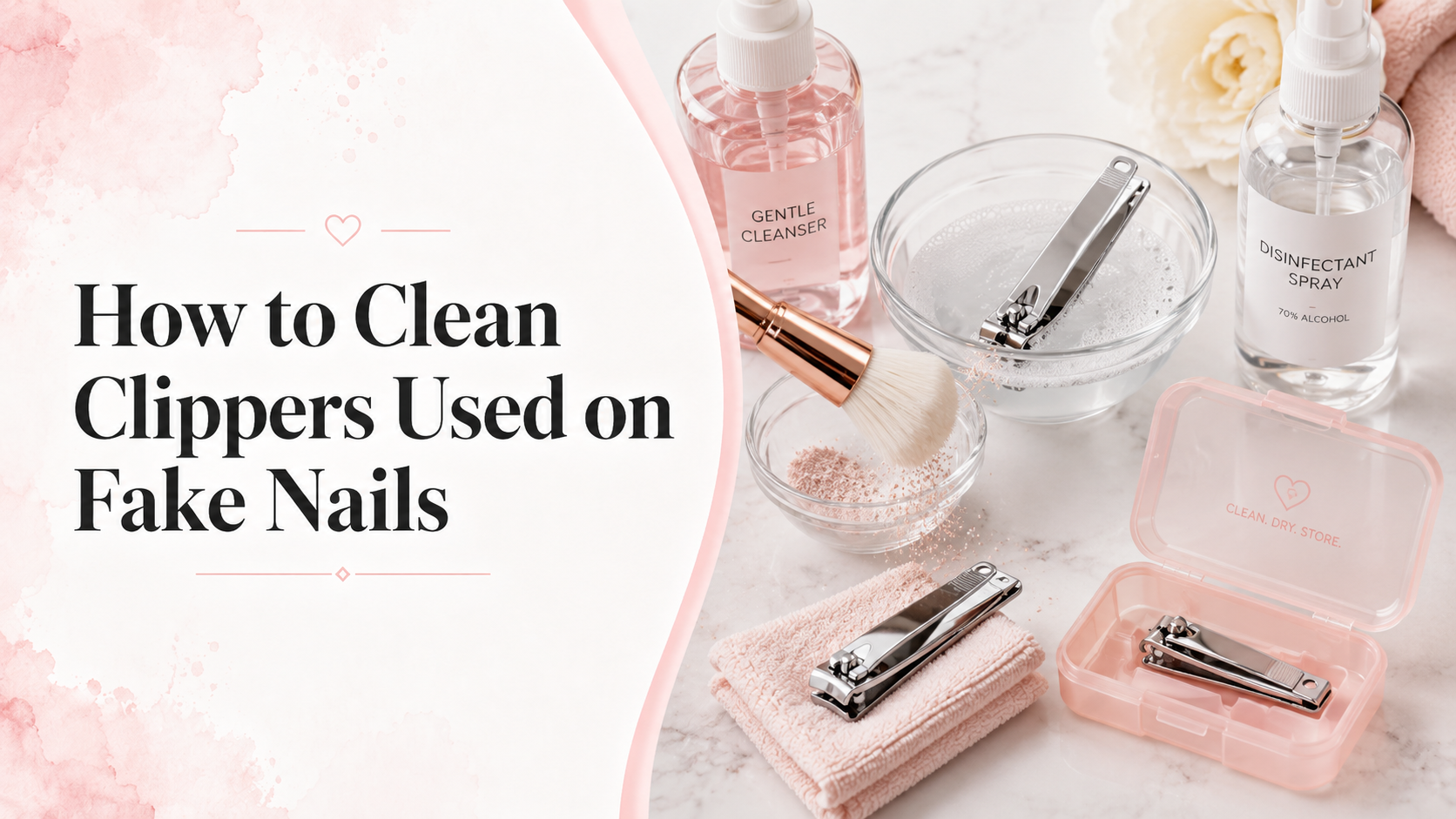
Enhancement dust can cling to tools.
- Brush off dust
- Wash with soap and water
- Disinfect and dry thoroughly
- Store in a closed case
Avoid letting acrylic dust sit in hinges—it can affect tool action over time.
The best nail clippers for fake nails depend on what you’re cutting. For plastic tips and press-ons, tip cutters are usually the cleanest option. For hardened acrylic, hard gel, or builder overlays, filing down is often safer than clipping because it reduces stress cracking.
If you remember only one rule: shorten gradually and always file to finish. That’s how professionals keep fake nails clean, strong, and crack-free—even when clients want a quick length change.