
 3D Gel
 Accessories
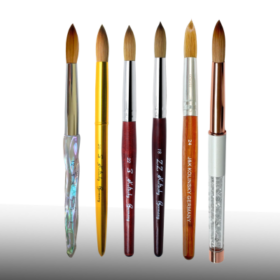 Acrylic Brushes
 Art Brushes
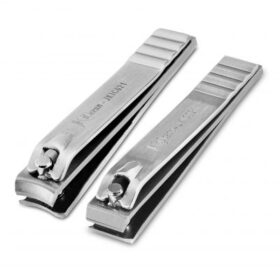 Clippers
 Design
 French Brushes
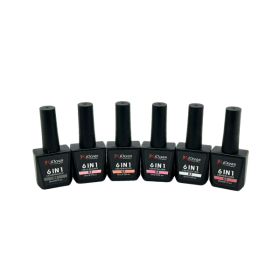 Builder Gel
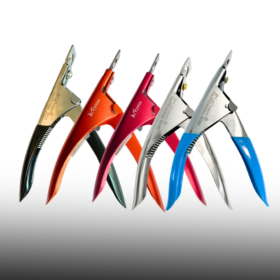 Nail Tip Cutter
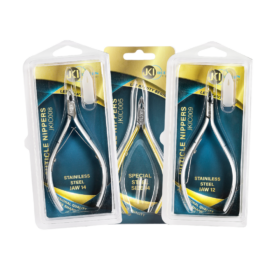 Nippers
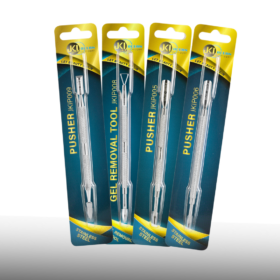 Pusher
 Scissors
 Tweezers
Feb
Blogs
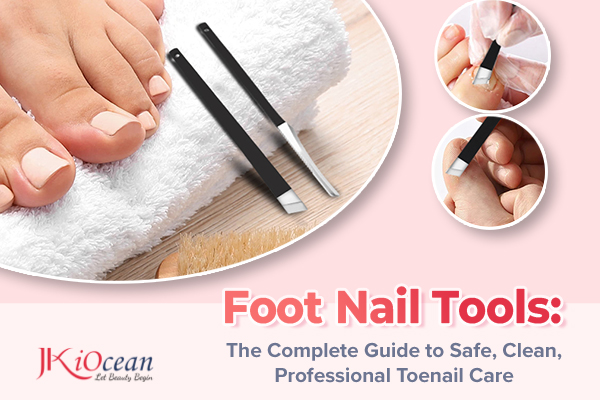
Foot Nail Tools: The Complete Guide to Safe, Clean, Professional Toenail Care
Toenails are not just “bigger fingernails.” They’re thicker, grow slower, face more pressure from shoes, and are more prone to ingrowns, fungal issues, and painful rough skin around the nail plate. That’s why building the right foot nail tools setup matters—whether you’re a salon professional offering pedicures or someone doing careful maintenance at home. This guide explains the essential tools for toe nail care, how to use them safely, how to avoid common mistakes (especially ingrowns), and how to keep everything sanitary.
Why Foot Nail Tools Need a Different Approach
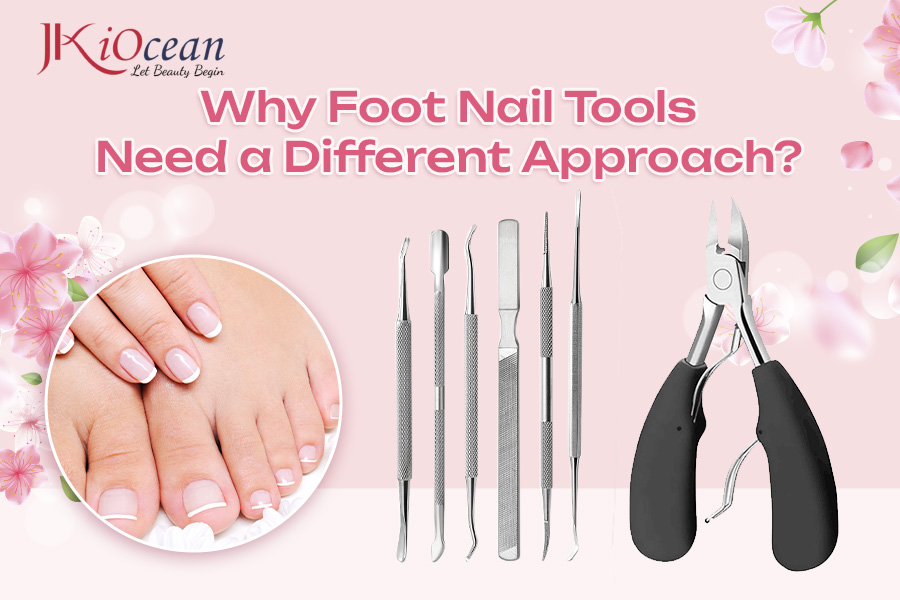
Toenail care is about health first, beauty second. The wrong tool, or the right tool used incorrectly—can lead to:
-
Ingrown toenails from over-curving the corners
-
Splitting or cracking because the nail plate is thick and brittle
-
Infection risk from cutting living tissue
-
Painful over-thinning from aggressive buffing or coarse filing
-
Cross-contamination if tools aren’t disinfected properly
The goal is clean trimming, smooth edges, healthy cuticles, and a comfortable finish that holds up to shoes, moisture, and daily life.
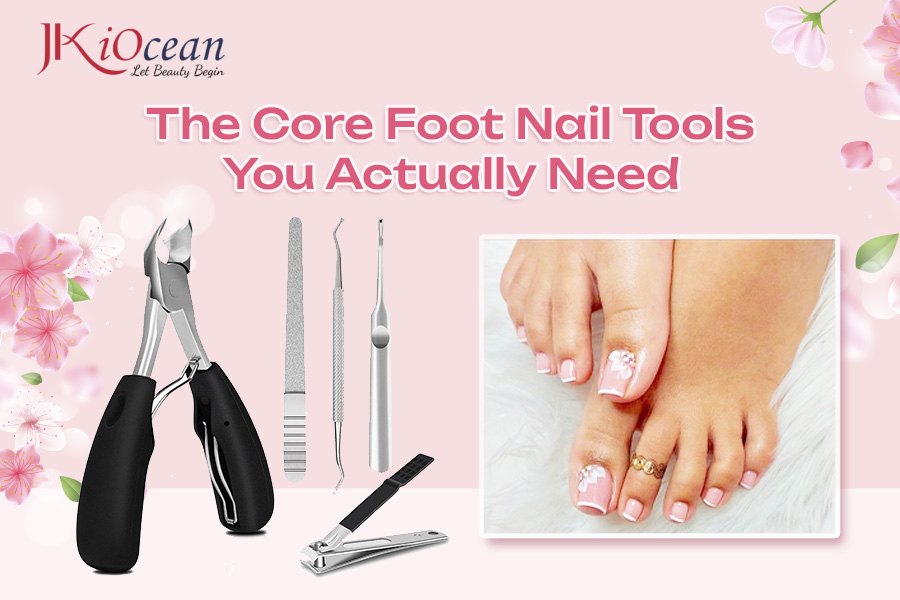
The Core Foot Nail Tools You Actually Need
Toenail Clippers (Wide Jaw, Heavy Duty)
What it’s for: Cutting thick toenails cleanly without crushing or tearing.
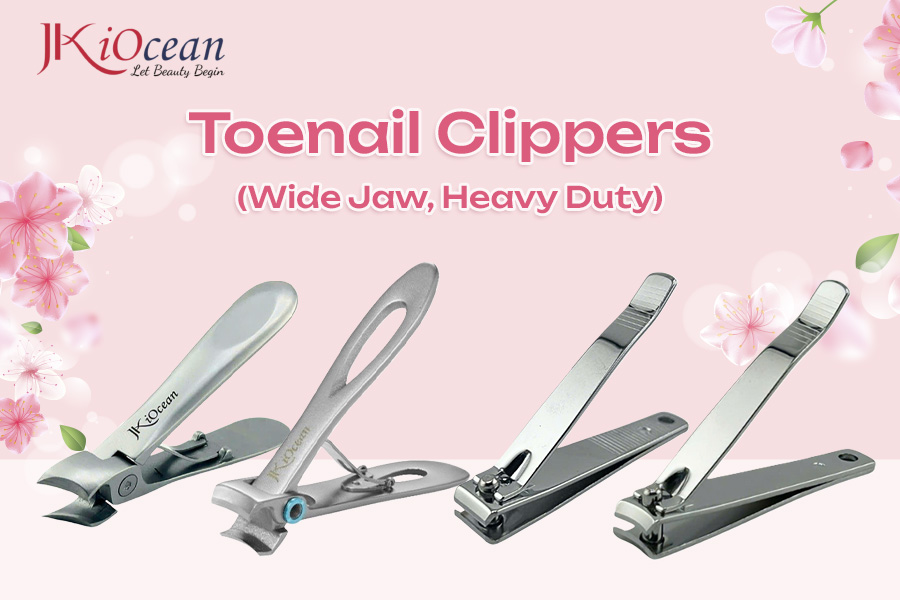
What to look for:
-
Wide jaw opening
-
Sharp, aligned blades
-
Solid stainless steel body
-
Non-slip grip
How to use:
-
Cut toenails straight across in small bites.
-
Avoid deep corner cuts (classic ingrown trigger).
-
Finish with a file, not more clipping.
Mistake to avoid: Cutting toenails into a curved shape like fingernails.
Nail Nippers (Toenail Nippers)
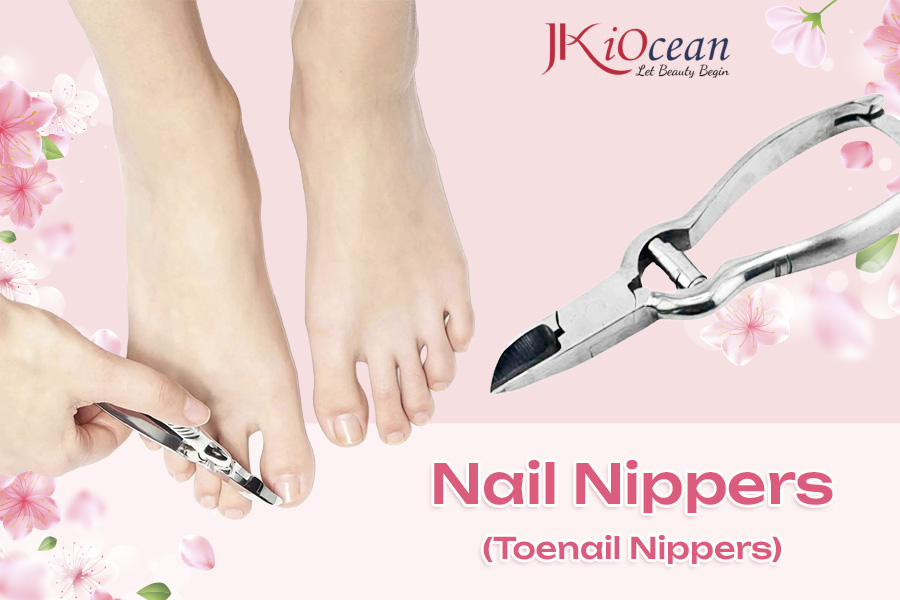
What it’s for: Extra thick or hard toenails that standard clippers can’t handle.
Best for: Older clients, athletes, or anyone with thickened nails.
How to use:
-
Make small, controlled cuts.
-
Keep the jaw angle steady and don’t twist.
-
Always disinfect between uses.
Safety note: If nails are severely thickened, yellowed, or painful, recommend medical evaluation—don’t force it.
Foot Nail File (Coarse + Fine Options)
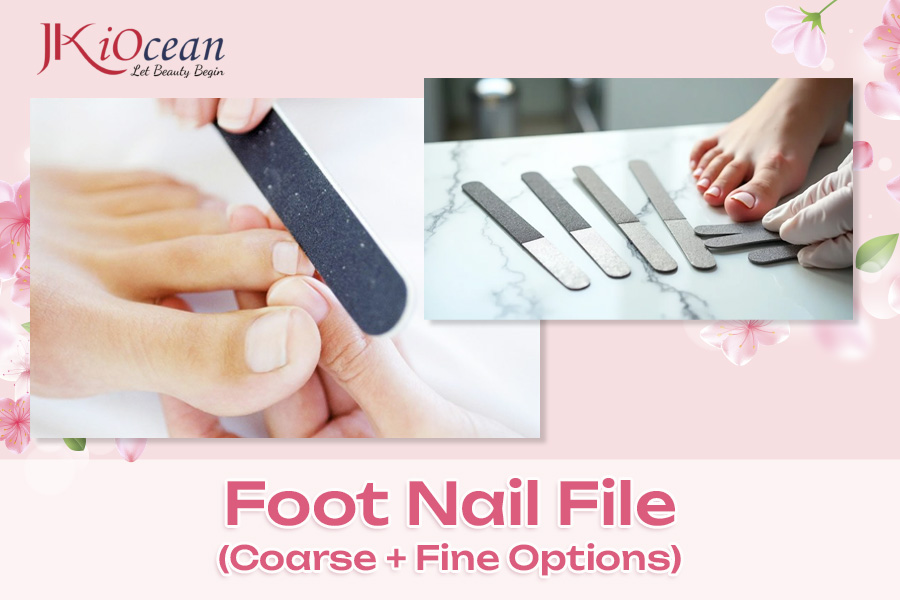
What it’s for: Smoothing the cut edge and shaping safely after trimming.
Recommended grit range:
-
180 grit for refining thick toenail edges
-
240 grit for finishing and smoothing
Technique:
-
File in one direction along the edge.
-
Focus on softening corners rather than digging into them.
Mistake to avoid: “Sawing” aggressively back and forth—this can split the nail.
Cuticle Pusher (Rounded Spoon End)
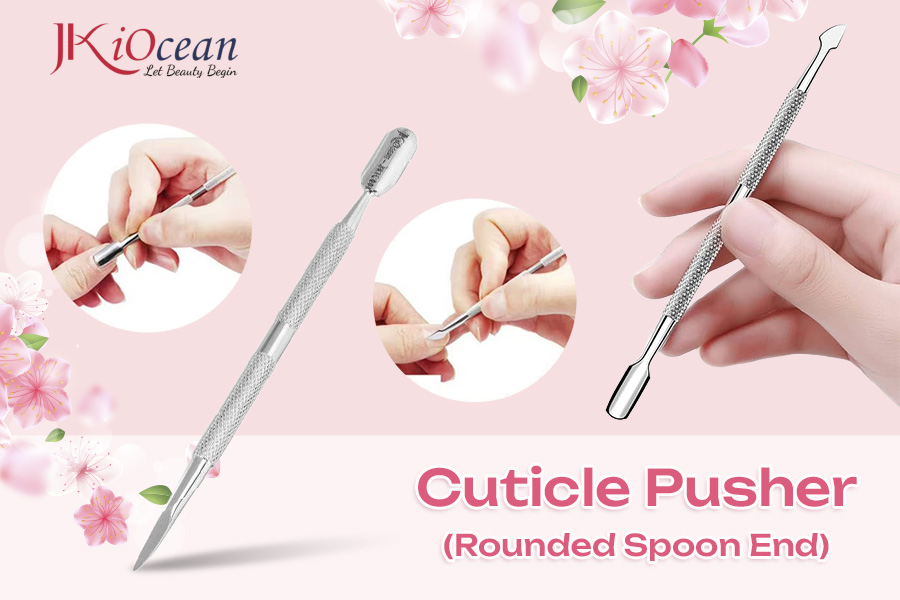
What it’s for: Gently lifting and pushing back cuticles on toenails to create a clean nail plate.
How to use:
-
Soften cuticles first with warm water or cuticle softener.
-
Push back gently at a shallow angle.
-
Keep pressure light—skin around toes is sensitive.
Mistake to avoid: Scraping hard to remove “everything.” That causes redness and inflammation.
Cuticle Nippers (For Dead Skin Only)
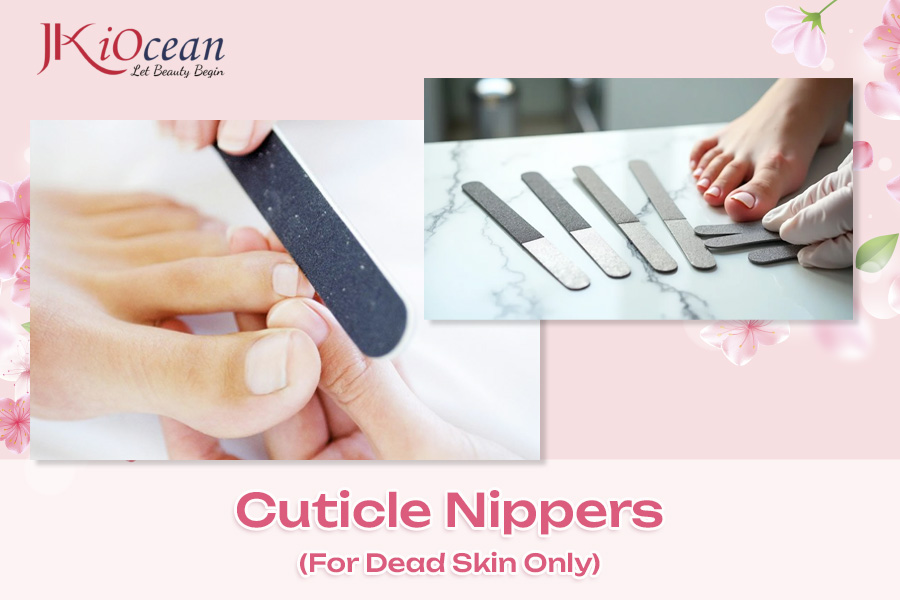
What it’s for: Snipping lifted, non-living cuticle or hangnail skin around the toe.
What to avoid: Cutting living tissue or cutting too deep into corners.
How to use:
-
Trim only visible dead skin that lifts easily.
-
Use minimal pressure and tiny snips.
-
Stop if you see pink, moisture, or bleeding.
Pro reminder: On toes, less is more. Over-trimming increases infection risk.
Ingrown Toenail Tool (Optional, Use with Caution)
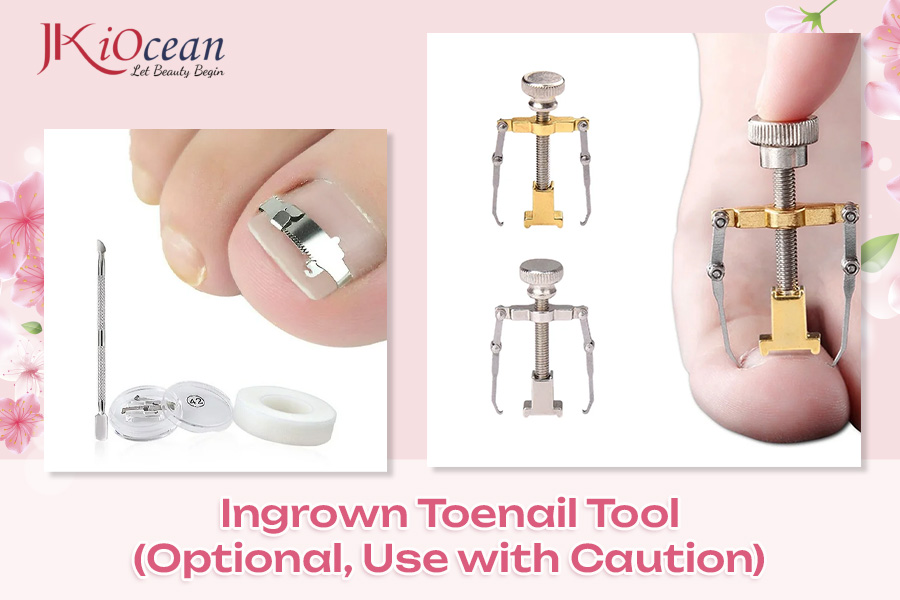
What it’s for: Gently lifting the nail edge when there’s mild pressure from the corner.
Common types: Nail lifter, gentle hook tool, or thin spatula.
Use only when:
-
The area is not infected
-
There’s no pus, swelling, severe pain, or bleeding
-
The corner is only slightly pressing
How to use:
-
Soak the foot first.
-
Lift the edge minimally to relieve pressure.
-
Place a tiny cotton roll under the edge if appropriate.
Warning: If there’s inflammation, discharge, or intense pain, refer to a podiatrist. Do not “dig out” corners.
Foot Soak Bowl or Pedicure Basin
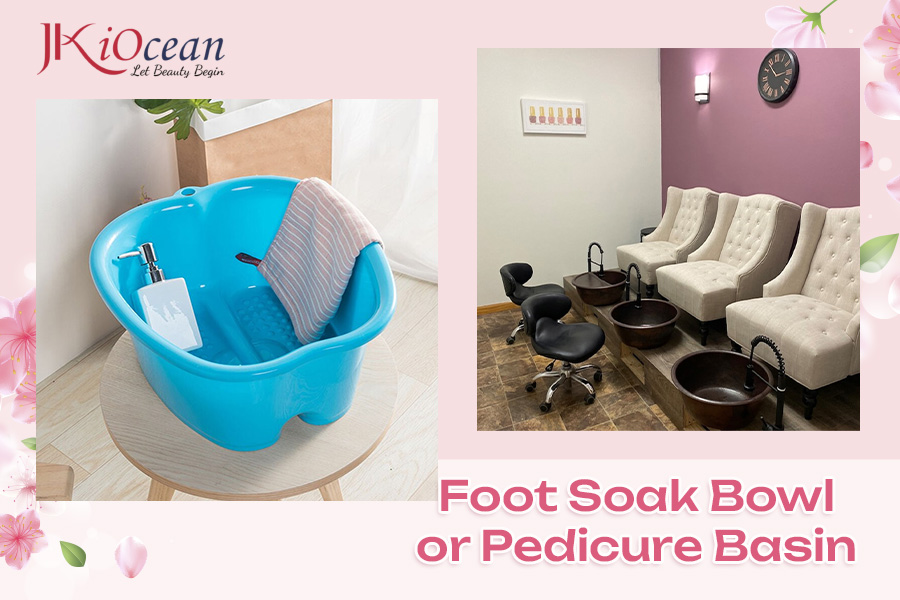
What it’s for: Softening nails and cuticles before trimming, and relaxing the client.
Best practice:
-
Warm water soak 5–10 minutes
-
Avoid over-soaking (nails become too soft and tear easily)
-
Fully dry the nail before clipping to reduce splitting
Callus File / Foot Rasp (For Rough Skin)
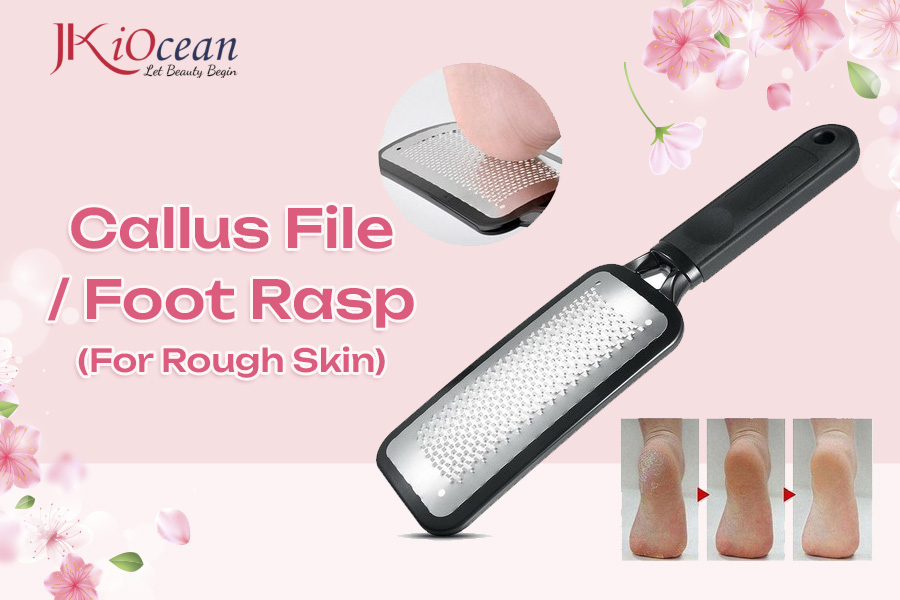
What it’s for: Smoothing heels and thickened skin, improving comfort and appearance.
How to use:
-
Use on dry or slightly damp skin depending on product type.
-
Work gently in one direction.
-
Stop once skin feels smooth—do not over-file.
Mistake to avoid: Over-rasping until skin becomes raw. That invites cracking and infection.
Foot Buffer or Pumice (Gentle Refining)
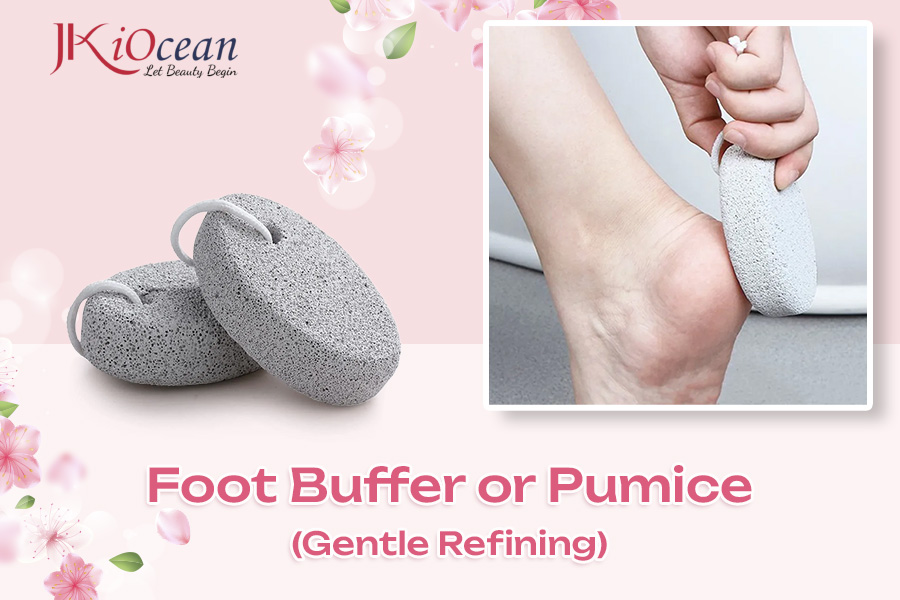
What it’s for: Final smoothing after callus filing, especially for sensitive feet.
Tip: Use pumice for maintenance, rasp for heavy build-up.
Sanitization Tools (Non-Negotiable)
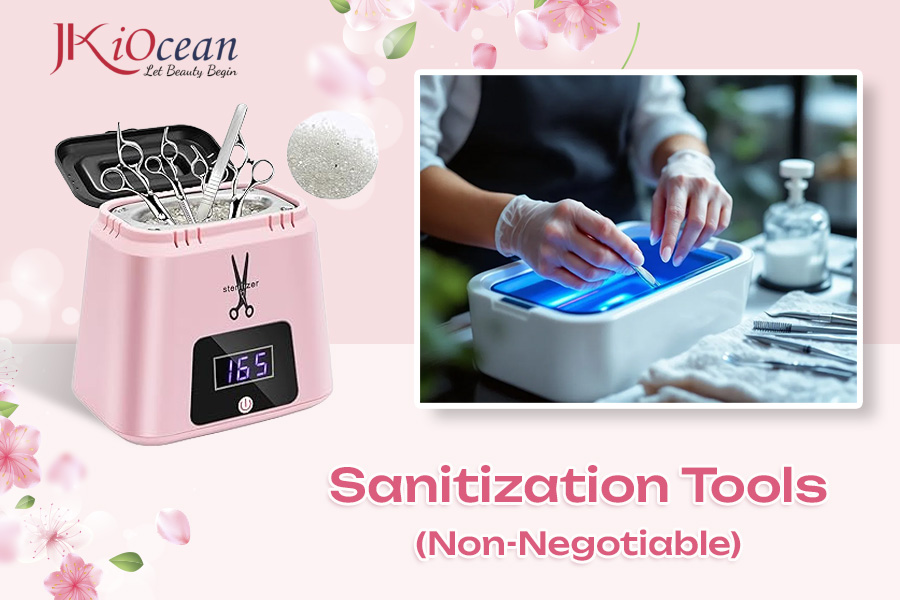
What it’s for: Preventing bacterial and fungal spread.
Minimum setup:
-
Disinfectant solution and container/tray
-
Alcohol spray for quick surface cleaning
-
Disposable towels and gloves
-
Sealed clean storage
Best practice:
-
Wash off debris first
-
Immerse tools for full disinfectant contact time
-
Dry completely before storage
-
Keep “used” and “clean” tools separate
Toenail services require stronger hygiene discipline because feet are exposed to more moisture, heat, and bacteria.
Step-by-Step Toenail Care Routine (Safe and Repeatable)
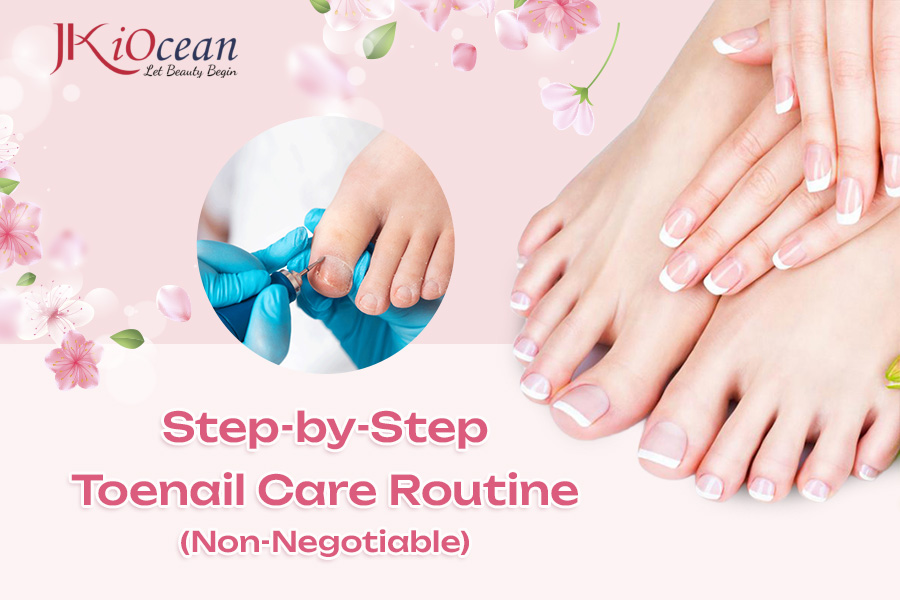
-
Sanitize and inspect
Look for swelling, redness, abnormal discoloration, or pain. If you see infection signs, stop and recommend medical care. -
Soak briefly
Warm water 5–10 minutes, then dry well. -
Trim straight across
Use a toenail clipper or nippers. Small cuts, no deep corners. -
File and soften corners
Use 180 grit to refine, 240 to finish. -
Cuticle care
Push gently. Only trim dead skin if needed. -
Callus smoothing
Use rasp/file lightly on rough areas; finish with pumice/buffer. -
Moisturize
Apply foot cream and cuticle oil (avoid slippery soles if walking immediately). -
Disinfect and store tools
Close the hygiene loop so every service starts clean.
Common Foot Nail Problems and Which Tools Help
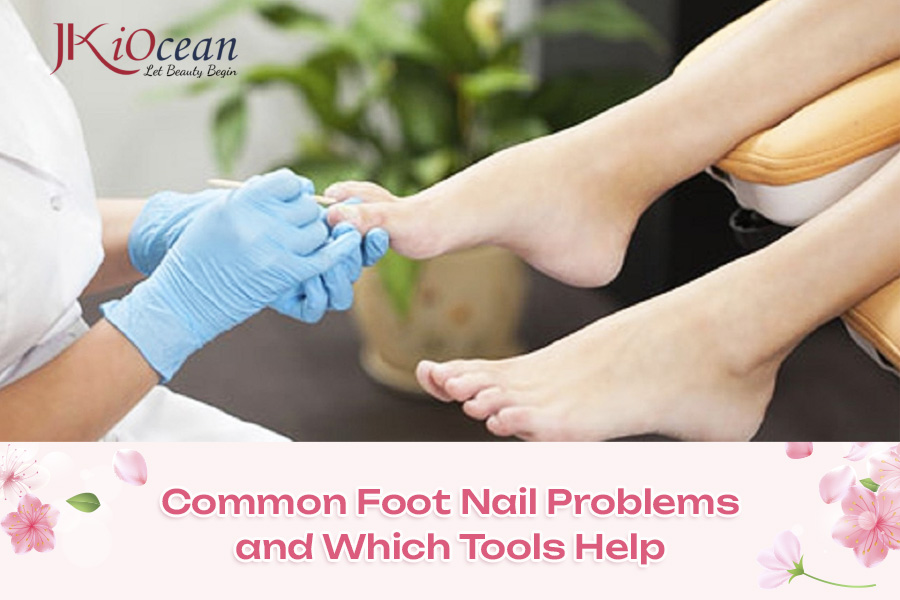
Thick toenails
Use heavy-duty clippers or nail nippers, then file edges smooth.
Ingrown risk
Trim straight, soften corners with a file, avoid deep cutting. A nail lifter is for mild cases only.
Ragged edge or splitting
File gently in one direction. Avoid clipping soft nails after long soaking.
Rough cuticles and hangnails
Push gently, trim only lifted dead skin with sharp nippers.
Dry cracked heels
Use rasp lightly, pumice for finishing, then moisturize consistently.
How to Choose Quality Foot Nail Tools
-
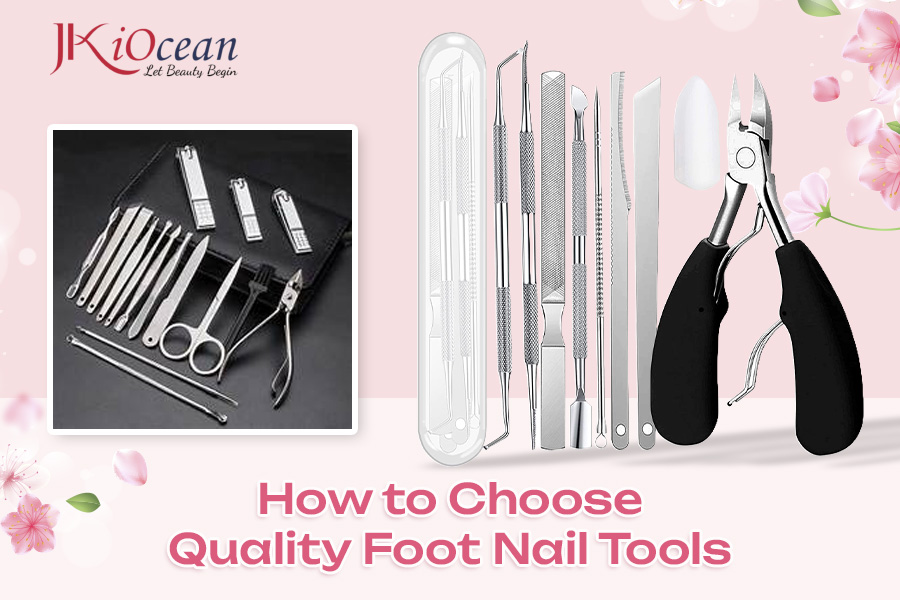
Stainless steel for durability and disinfection
-
Tight alignment on cutting edges (no gaps)
-
Ergonomic grip and stable weight
-
Separate tools for home vs salon use (avoid sharing)
-
Replace files and buffers regularly
If a clipper tugs, a rasp scratches harshly, or a nipper “chews” instead of slices, it’s time to sharpen or replace.
Storage Tips for Foot Nail Tools
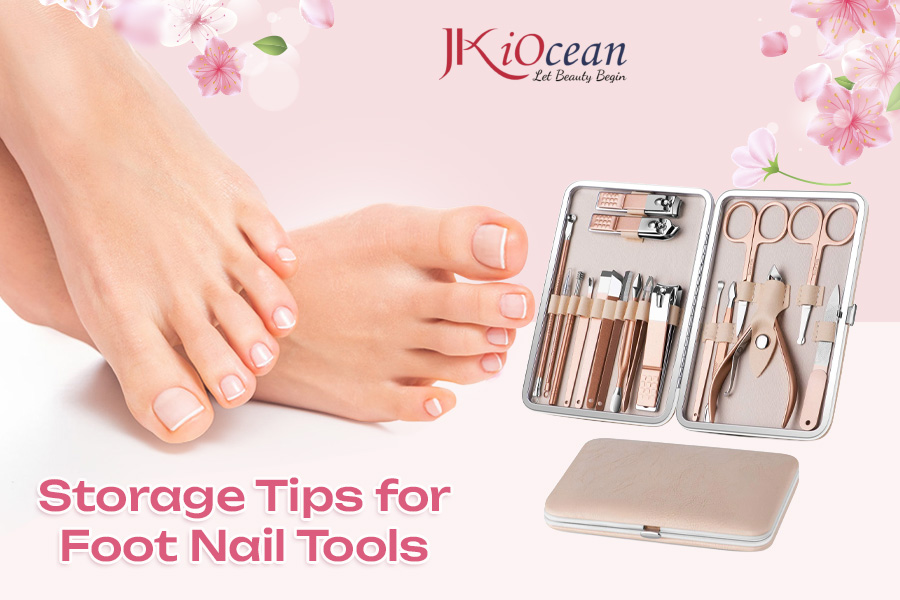
Foot tools last longer when stored correctly:
-
Dry tools fully before closing
-
Use silica packs if your area is humid
-
Store in closed containers (clean vs used)
-
Cap sharp tips to prevent damage and accidents
-
Keep disposable items sealed and sorted by type
FAQ (Snippet-Friendly)
What tool is best for thick toenails?
A wide-jaw toenail clipper or nail nippers designed for thick nails.
Should I cut toenails curved or straight?
Straight across. Curving corners increases the chance of ingrown toenails.
Can I use cuticle nippers on toes?
Yes, but only for dead, lifted skin. Avoid cutting living tissue.
How often should I trim toenails?
Usually every 3–6 weeks depending on growth and lifestyle.
What if a toenail looks yellow or thick and painful?
Recommend medical evaluation. Don’t force trimming in severe cases.
The right foot nail tools make toenail care safer, cleaner, and more comfortable. When you trim straight, file corners gently, keep cuticle work minimal, and treat calluses with patience, you reduce the risk of painful problems while giving clients (or yourself) a polished, healthy finish.
Foot care is one of the most underrated services in nail work, yet it’s the one clients remember most when it’s done well. Invest in the right tools, follow a repeatable routine, and keep hygiene non-negotiable. Your results will last longer, and your feet will feel better every day. Let JKIOCEAN take care your foot!