
 3D Gel
 Accessories
 Acrylic Brushes
 Art Brushes
 Clippers
 Design
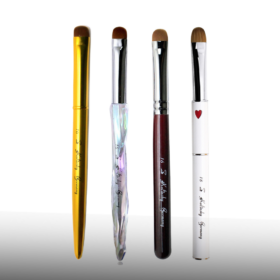 French Brushes
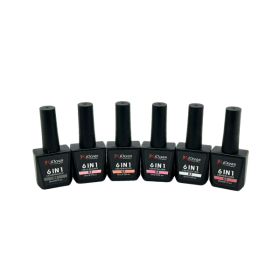 Builder Gel
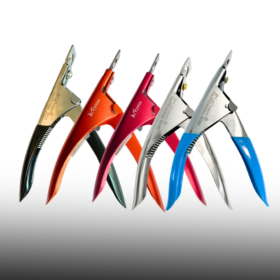 Nail Tip Cutter
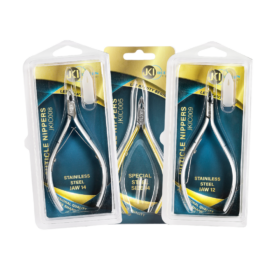 Nippers
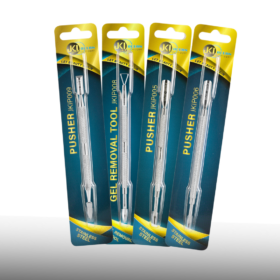 Pusher
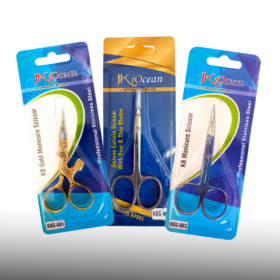 Scissors
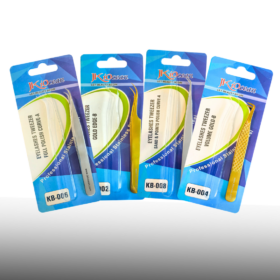 Tweezers

Nov
Uncategorized
What Are All the Nail Tools Used For? A Complete, No-Nonsense Guide for Pros and Perfectionists
If you’ve ever stared at a nail station and wondered what are all the nail tools used for, you’re not alone. The modern manicure table is a tiny toolbox of purpose-built instruments, each with a specific job, safety rule, and best-practice sequence. This guide maps the entire toolkit from prep to finish so you can choose wisely, work faster, and protect natural nails.
The 30-Second Cheat Sheet

Here’s the fast answer to what each category of nail tool is used for:
-
Prep & hygiene: sanitize hands, clean debris, and keep tools safe to use.
-
Cuticle & plate care: lift, remove, and refine non-living tissue for clean adhesion.
-
Length & shape: clip, file, and buff the free edge and surface.
-
Enhancement systems: apply tips/forms, primers, acrylic/gel/polygel with the right brushes and lamps.
-
Finishing & art: perfect the surface, add color, chrome, stones, and detail lines.
-
Aftercare & repairs: oil, strengtheners, wraps, and quick fixes.
-
Sanitation & storage: disinfect, organize, and protect everything you just used.
Now let’s break it down—tool by tool—with practical tips and common mistakes to avoid.
Prep & Hygiene Tools

What they’re used for: Keeping services clean, compliant, and irritation-free.
-
Hand sanitizer & mild soap: reduce microbes before you touch a nail.
-
Disposable towels & lint-free wipes: dry thoroughly; lint sabotages gel polish.
-
Nail brush (soft bristle): dust removal after filing; improves adhesion.
-
Gloves & dust mask/respirator: protect skin and lungs, especially when e-filing.
-
Disinfectant tray & solution (or autoclave): immerse metal tools for the full label time.
-
Tool caddy / closed box: separate clean from used tools.
-
Table dust collector / desk extractor: captures airborne dust for comfort and safety.
Pro tip: Wiping alone ≠ disinfection. Remove visible debris first, then immerse to meet contact time.
Cuticle & Nail Plate Care

What they’re used for: Clearing the nail plate of invisible cuticle and tidying non-living tissue so coatings don’t lift.
-
Cuticle remover/softener: loosens keratin bonds; work time 60–120 seconds.
-
Dual-end cuticle pusher: spoon side lifts cuticle from the plate; pointed/beveled side clears sidewalls.
-
Curette or eponychium cleaner: scoops residue in a controlled, shallow motion.
-
Cuticle nippers (6–9 mm jaw): snip lifted, non-living bits and hangnails only.
-
Cuticle scissors: micro-trimming in hard-to-reach corners.
Common mistake: Cutting living eponychium for a “glass” look. That invites irritation and thicker regrowth. Push gently; trim sparingly.
Length, Shape, and Surface

What they’re used for: Establishing structure before you ever reach for color.
-
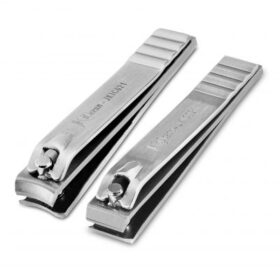
Nail clippers (finger & toe): small, straight cuts on dry nails to avoid splits.
-
Nail scissors: curved micro-adjustments and tip trimming.
-
Files by grit:
-
240+ — natural nails & refining edges
-
180 — shaping overlays
-
100–150 — reducing bulk on enhancements (not on natural nails)
Shapes: straight, banana, or half-moon to match your technique.
-
-
Buffers (180/220 sponge, shine block): smooth surface & blend ridges lightly.
Electric Filing (E-File) & Bits
-
Mandrel + sanding bands (180/240): prep and gentle surface removal.
-
Safety smooth-top bit: refine near cuticle without gouging.
-
Barrel/cone/flame/ball bits: each contour serves a zone (sidewalls, cuticle rim, undersides).
-
Ceramic/carbide bits: cooler, efficient bulk removal on acrylic/gel.
Pro tip: Let the bit do the work. High pressure = rings of fire. Work at correct RPMs with a light touch.
Tip & Form Tools (Building Length)

What they’re used for: Extending beyond the natural free edge.
-
Plastic nail tips: quick length; need blending at the seam.
-
Tip cutter: trims attached tips evenly without stress lines.
-
Adhesives (glue or semi-solid gel): bonds tips securely.
-
Paper/aluminum forms & dual forms: sculpt length without tips; dual forms create a smooth underside.
-
Dehydrator & primer (acid-free or acid): remove oils and promote adhesion before enhancement systems.
Acrylic System Tools

What they’re used for: Classic strength with powder-liquid chemistry.
-
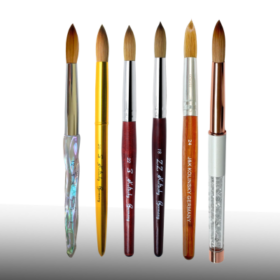
Acrylic brush (sizes 6–16; oval/round): picks up beads; larger sizes speed salon work.
-
Dappen dish: holds monomer; a lid reduces evaporation.
-
Monomer & polymer powder: choose slow, medium, or fast set per room temperature.
-
Brush wipes / absorbent pad: keeps the bristles clean, prevents product crystallization.
Technique cue: Perfect bead = satin surface, not runny, not chalky. Place, press, and glide—don’t overwork.
Gel & PolyGel Tools

What they’re used for: Lightweight strength, clarity, and fast finishing.
-
Base gel, builder/hard gel, liquid builder gel: create structured overlays or short extensions.
-
Poly gel & slip solution: paste-like sculpting with unlimited work time until cured.
-
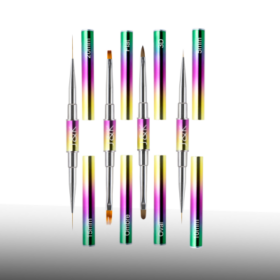
Gel brushes (flat #4–#8, oval, liner): each controls viscosity differently.
-
Spatula / metal scraper: transfer poly gel cleanly; keeps tubes tidy.
-
UV/LED lamp (verified wattage & wavelength): cures per manufacturer timing.
-
Cleanser (isopropyl alcohol or dedicated wipe-off): removes inhibition layer pre-finish.
Safety note: Under-curing can cause service breakdown and allergies. Verify lamp output and cure times.
Sculpting & Architecture Helpers

What they’re used for: Creating a durable structure that resists impact.
-
Pinching tool/clamps: refine C-curve on hard gel or acrylic.
-
Silicone sculpting tools: smooth gel without brush marks.
-
Measuring rulers & guides: keep length & apex consistent across all ten nails.
Finishing, Clean-Up, and Polish

What they’re used for: Smoothing, sealing, and perfecting the look.
-
Surface refiners (180/240 + sponge): remove tiny peaks before top coat.
-
Top coats (gloss/matte; no-wipe or wipe-off): seal color and enhance durability.
-
Clean-up brush & acetone/corrector pen: crisp lines around cuticles.
-
Non-acetone remover: gentler removal for regular polish clients.
Nail Art & Embellishment Tools

What they’re used for: Precision detail, texture, and multidimensional looks.
-
Dotting tools: polka dots, flower centers, micro-pearls.
-
Detail liners & stripers: fine lines, letters, French smiles.
-
Fan brush / ombré sponge: gradients and smoky effects.
-
Stamping plates, scraper, stamper: repeatable patterns with clean edges.
-
Foil & transfer gel: metallic patterns in seconds.
-
Chrome powders & applicators: mirror finishes and unicorn effects.
-
Rhinestone picker (wax pencil) & rhinestone gel: precise placement + strong cure.
-
3D carving gel / sculpting gel: raised art and decals.
-
Palettes & mixing spatulas: custom shades without contaminating bottles.
Aftercare & Repair Tools

What they’re used for: Maintaining nail health between services.
-
Cuticle oil (jojoba, vitamin E): keeps eponychium flexible, reduces hangnails.
-
Nail strengthener/serum: supports thin plates post-removal.
-
Silk or fiberglass wrap + resin: repairs cracks and splits.
-
Emergency repair glue (tiny tube): seals minor corner breaks until your next appointment.
-
Pocket glass file: smooths snags on the go.
Organization & Ergonomics

What they’re used for: Working faster without clutter—or injuries.
-
Magnetic mats/tool trays: map a repeatable layout (prep → cuticle → file → build → finish).
-
Swatch sticks/tip rings: show colors under true light to reduce indecision.
-
Adjustable chair & task lamp: spare your back, protect your eyes, and improve precision.
Choosing the Right Tool (Decision Map)

-
Need adhesion to last? Prioritize prep tools (pusher, cleanser, dehydrator, primer) and a well-fitted file grit.
-
Client breaks enhancements? Re-assess architecture tools (form fit, apex placement, correct viscosity).
-
Struggling with art details? Upgrade liner brushes, add a no-wipe top for chrome, and use rhinestone gel rather than glue.
-
Allergic reactions or lifting? Check curing lamp output, switch to acid-free primer, and review your sanitation loop.
Tool Care: The Maintenance Schedule That Saves Money

-
Each service: wash → immerse/disinfect metal tools → dry → store closed.
-
Daily: wipe lamps, clean dust collector filters, empty trash.
-
Weekly: oil nipper joints, sharpen if you feel tugging, deep clean palettes and brush caps.
-
Monthly: audit files/buffers (replace dull), test lamp cure with manufacturer’s color swatches if available.
Rule of thumb: If a tool makes you press harder, it’s costing you time and damaging nails. Sharpen or replace.
Starter Loadouts (Role-Based)

At-home perfectionist (natural nails): clipper, 240 file, 180/220 buffer, dual-end pusher, small nippers, nail brush, cuticle oil, polish remover, disinfectant spray.
Student tech (mixed services): add 100/180 files, tip cutter, forms, dehydrator, primer, base/top gels, UV/LED lamp, a #6–#8 gel brush, small acrylic brush + dappen dish, sanding bands, safety bit.
Pro enhancement specialist: full bit set (safety, barrel, cone, flame), dust extractor, multiple brush sizes (gel + acrylic), builder/LIQUID builder gels, polygel kit, pinching tool, rhinestone gel, art liners, chrome powders.
Quick Answers (FAQ Snippets)
What’s the difference between cuticle scissors and nippers?
Scissors cut like tiny shears; nippers pinch with a jaw. Nippers offer more control around the rim—use either only on non-living tissue.
Which file grit is safest for natural nails?
240 grit (or glass file). Anything coarser can fray edges.
Why do my gels lift even with good prep?
Check primer choice, lamp wattage and wavelength, and thickness at the sidewalls. Under-cure and bulk near cuticles are common culprits.
Are e-files safe for beginners?
Yes, at low RPM with safety bits and correct angles. Training and practice matter more than speed.
Do I need both tips and forms?
No, but each has strengths: tips are fast and uniform; forms provide custom architecture and a clean underside.
Putting It All Together
Asking what are all the nail tools used for is really asking how do I build a reliable system. Think in stages:
-
Prep for adhesion (clean, push, refine).
-
Shape and structure (files, forms/tips, correct viscosity).
-
Cure and finish (lamp verification, surface refinement, top coat).
-
Protect and maintain (oil, sanitation, storage).
When every tool serves its exact purpose, and you maintain it, you get faster services, fewer lift-offs, and healthier nails. Master the sequence, respect the grit, cure correctly, and let the right tool do its job.