
 3D Gel
 Accessories
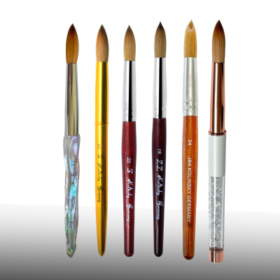 Acrylic Brushes
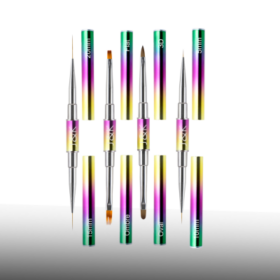 Art Brushes
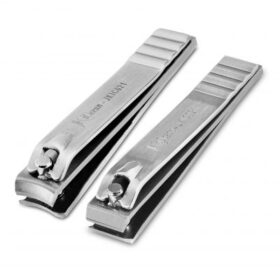 Clippers
 Design
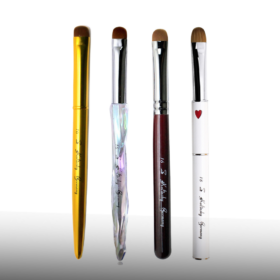 French Brushes
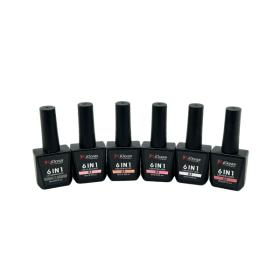 Builder Gel
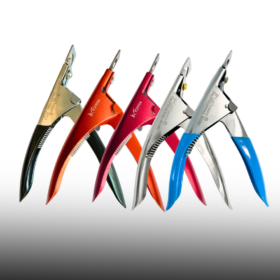 Nail Tip Cutter
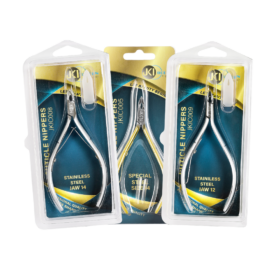 Nippers
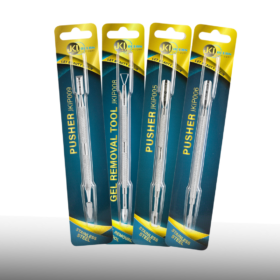 Pusher
 Scissors
 Tweezers
Nov
Blogs
5 Nail Care Tools and Equipment: The Pro’s Minimal Kit for Healthier, Better-Looking Nails
You don’t need a drawer full of gadgets to achieve salon-quality results. What you do need is a tight, reliable kit—and the right way to use it. This guide focuses on the 5 nail care tools and equipment that matter most for everyday maintenance, safe cuticle care, and a clean, polished finish. Each section includes what to look for, how to use it (step-by-step), maintenance tips, and mistakes to avoid. Use it as your buying checklist or as a training outline for new technicians.
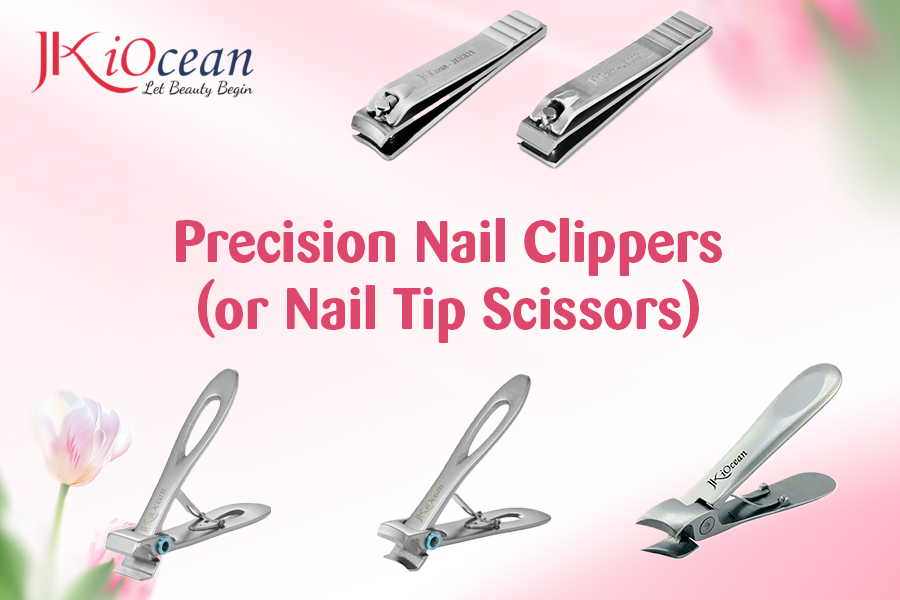
Precision Nail Clippers (or Nail Tip Scissors)
Why it’s in the top 5
Healthy nails start with a clean, controlled cut. A good clipper (or curved-tip scissors) prevents splitting, reduces filing time, and sets the foundation for every manicure or pedicure.
What to look for
-
Medical-grade stainless steel for corrosion resistance and easy disinfection.
-
Tensioned, aligned blades—they should close with even pressure along the whole edge.
-
Ergonomic lever or looped handles to reduce hand fatigue.
-
Two sizes: standard for fingers, wider jaw for toes.
How to use (micro-guide)
-
Wash hands and pat dry (wet nails bend and splinter).
-
Clip in small, straight cuts—avoid biting off big corners.
-
For toes, keep the free edge straight to minimize ingrowns.
-
Refine shape with a file; don’t “saw” back and forth.
Pro maintenance
-
Rinse, dry, and disinfect after every use.
-
Store with the lever locked to protect the cutting edge.
-
If you feel tugging, blades need sharpening or replacement.
Common mistakes
-
Cutting when nails are soft from a bath (leads to tears).
-
Curving toenails too aggressively (invites ingrowns).
Dual-End Cuticle Pusher (with Spoon & Knife Ends)
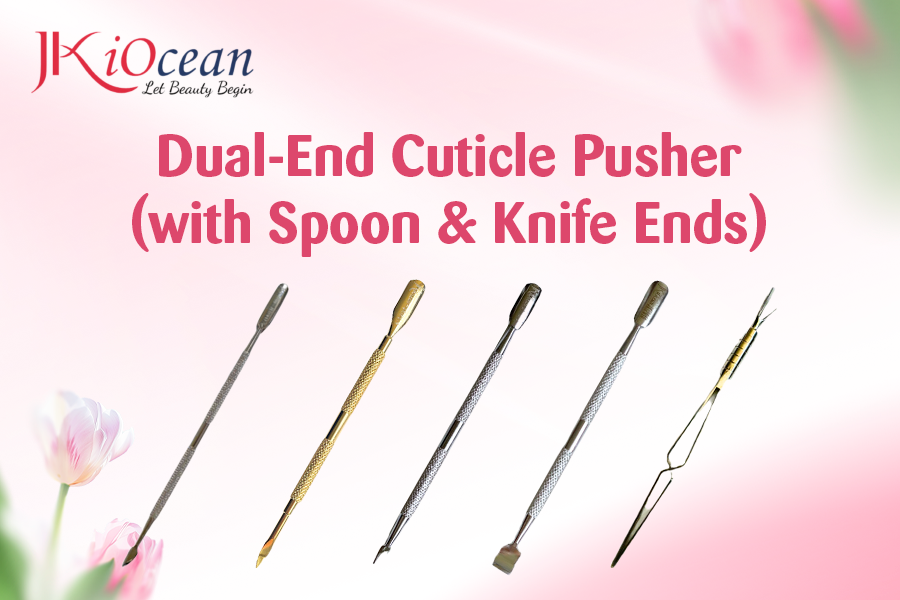
Why it’s in the top 5
A pusher removes eponychium buildup and lifts invisible cuticle from the nail plate. That single step improves adhesion for polish or gel and keeps the cuticle line neat without cutting living tissue.
What to look for
-
Rounded “spoon” end that matches the natural curve of the nail.
-
Fine “knife” or bevelled end for sidewalls and tight zones.
-
Non-slip knurled handle for control with gentle pressure.
-
Weight balance—a solid tool stops you from digging.
How to use (micro-guide)
-
Apply cuticle softener or soak for 2–3 minutes.
-
With the spoon end, glide at 30–45° from cuticle to center; never dig.
-
Use the bevelled end to lift residue at the sidewalls.
-
Brush off debris before the next step.
Pro maintenance
-
Wash, dry, and disinfect.
-
Check edges monthly; a blunt tool makes you press harder (risking injury).
Common mistakes
-
Pushing with too much pressure (causes rings of fire),
-
Using a tool that’s too wide for small nail beds.
Cuticle Nippers (6–9 mm Jaw)
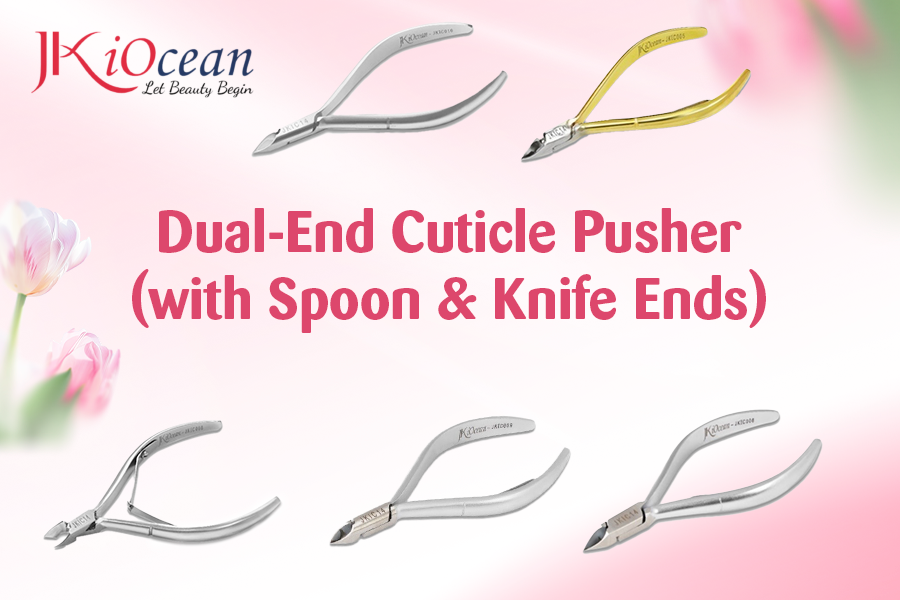
Why it’s in the top 5
When hangnails and non-living cuticle need removal, sharp, well-fitted nippers are safer and faster than scissors. They allow micro-trimming only where needed.
What to look for
-
Surgical stainless steel and tight box joint (no wobble).
-
Jaw length 6–9 mm for control; spring tension smooth, not stiff.
-
Fine tips that meet perfectly—no light gap when closed.
How to use (micro-guide)
-
After pushing and softening the area, lift only dead, white tissue.
-
Close the nippers just enough to snip—don’t chew or pull.
-
Work in tiny sections around the rim; stop at the first sign of pink.
Pro maintenance
-
Disinfect between clients; oil the joint weekly.
-
If dropped, inspect alignment; a minor bend can pinch skin.
Common mistakes
-
Cutting live eponychium (leads to redness and thick regrowth).
-
Over-trimming for a “baby smooth” look—irritation invites infection.
Files & Buffers (Three Grits That Do It All)
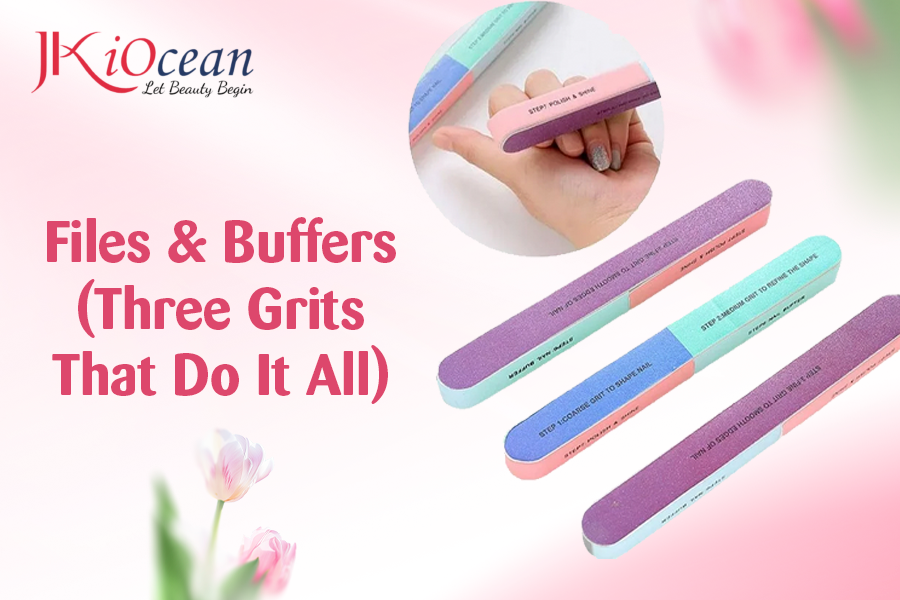
Why it’s in the top 5
Shaping and smoothing are the difference between “done” and “polished.” A smart trio of grits covers natural nails, enhancements, and finishing.
Your core set
-
240 grit – refine natural nails and smooth edges.
-
180 grit – shape overlays (builder gel, poly gel) and free edges.
-
100 grit – reduce bulk on enhancements (avoid on natural nail).
Buffer essentials
-
Sponge buffer 180/220 to blend ridges.
-
Shine block (optional) for natural-nail gloss when skipping polish.
How to use (micro-guide)
-
Shape from sidewall to sidewall, finishing at the free edge.
-
Keep the file tilted slightly under to refine the lower arch.
-
Use long, directional strokes; avoid aggressive “see-sawing.”
Pro maintenance
-
For salon work, one-client-only disposable files are best.
-
Reusable boards: clean debris, wash, disinfect, and fully dry.
Common mistakes
-
Filing perpendicular to the nail (causes splits).
-
Over-buffing the natural plate thin (sensitivity and peeling).
Hygiene & Workflow Equipment (Disinfection + Storage)
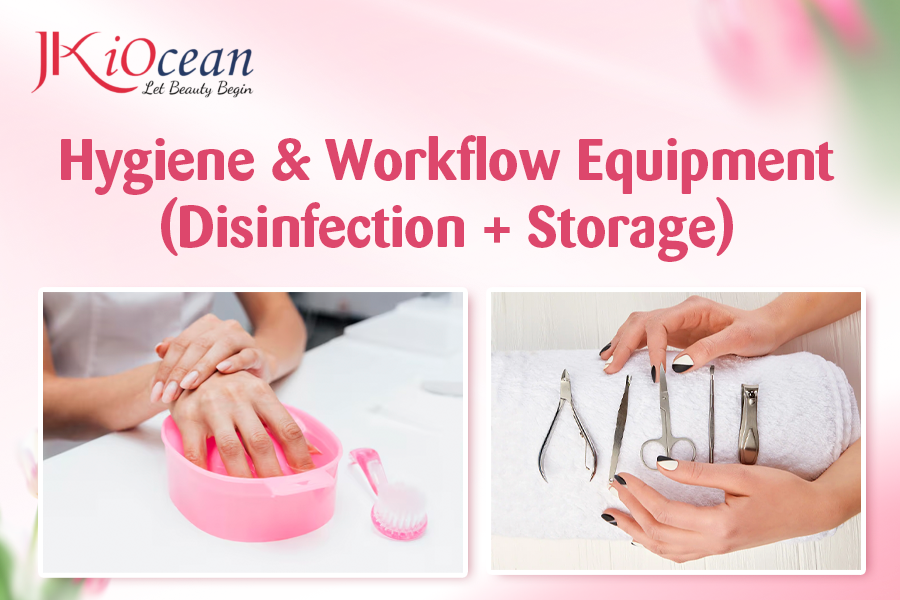
Why it’s in the top 5
Nail care is health care. Clean tools protect clients, extend tool life, and keep your business compliant. Even at home, a simple system prevents cross-contamination.
Your minimal setup
-
EPA-registered disinfectant or 70% isopropyl alcohol (follow contact times).
-
Hard-side tray with a grate for soaking metal tools.
-
Tool caddy or magnetic mat to separate clean vs. used.
-
Disposable towels and nail brushes for dust control.
How to run the loop
-
Wash visible debris from tools.
-
Immerse metal tools for the full label time; air-dry on a clean towel.
-
Store in a closed, labeled container until next use.
-
Log your sanitation schedule—great for audits and client trust.
Common mistakes
-
Wiping instead of immersing (doesn’t meet required kill times).
-
Tossing clean and used tools together on the tray—breaks the chain of sanitation.
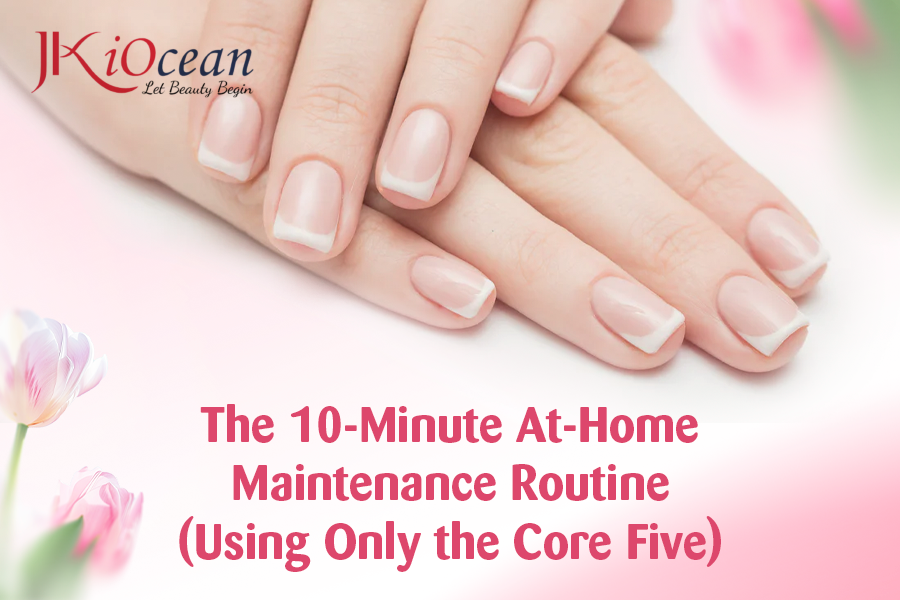
The 10-Minute At-Home Maintenance Routine (Using Only the Core Five)
-
Wash & dry hands; remove old polish.
-
Clip tips to length with precision clippers.
-
Shape with 240/180 grit depending on nail strength.
-
Soften & push cuticles gently; never rush this step.
-
Micro-trim hangnails with nippers.
-
Buff lightly to smooth ridges (skip if nails are thin).
-
Cleanse, hydrate, and seal with cuticle oil and hand cream.
-
Disinfect & store tools—future you will thank present you.
Time-saving twist for salons: set out pre-packed pouches containing one clipper, pusher, a new file, and a towel. Swap the pouch per client to streamline hygiene.
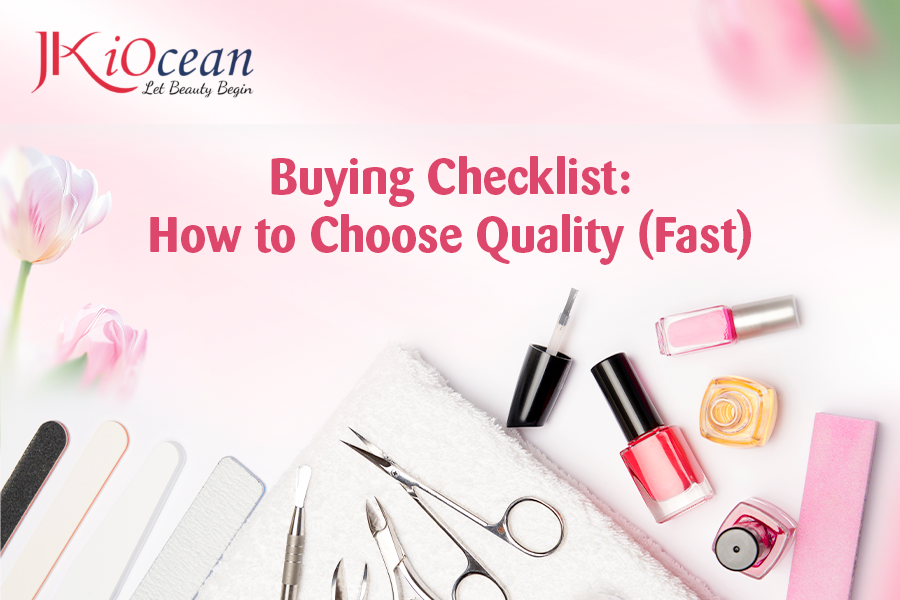
Buying Checklist: How to Choose Quality (Fast)
-
Steel grade shown? Look for 420/440 or “surgical stainless.”
-
Alignment test: close nippers or clippers against a light—no gaps.
-
Finish: brushed or mirror polish is fine; avoid rough casting marks.
-
Weight & balance: a tool should feel stable without forcing your grip.
-
Brand warranty and spare springs: small details that signal pro quality.
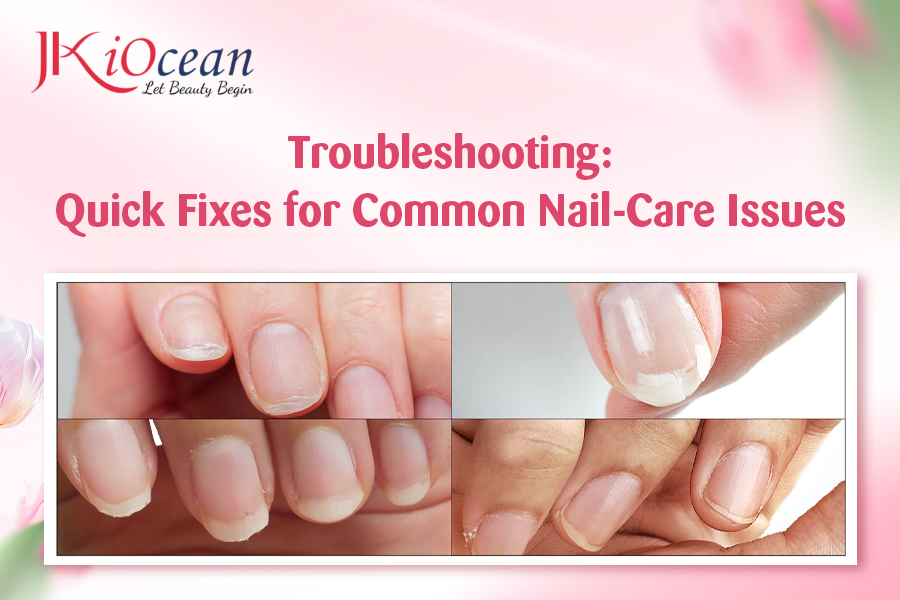
Troubleshooting: Quick Fixes for Common Nail-Care Issues
-
Peeling edges after clipping → Nails were wet or dull blades. Dry fully; replace or sharpen clippers.
-
Redness after cuticle work → You’re cutting live tissue. Reduce pressure; switch to pushing + micro-trim only dead skin.
-
Frayed free edge → File is too coarse for natural nails. Move to 240 grit and finish in one direction.
-
Recurring hangnails → Dehydration. Add nightly cuticle oil and stop over-trimming.
-
White patches post-buffing → Over-exfoliation. Skip buffing for two weeks and use a nail strengthener.
Add-Ons That Amplify Results (Optional, But Powerful)

-
Cuticle oil (jojoba + vitamin E) to keep the eponychium flexible and reduce hangnails.
-
Nail brush for dust removal—clean adhesion starts with a clean plate.
-
Glass file for clients with ultra-thin nails (gentler edge).
-
Silicone manicure mat to keep tools organized and surfaces sanitary.
-
Head-mounted lamp for precision visibility when detailing.
FAQs (Snippet-friendly)
Are cuticle nippers safe to use at home?
Yes—if you trim only dead, lifted tissue after softening and pushing. Stop at any sign of pink.
How often should I replace files?
In salons, files are single-client use. At home, replace when the grit feels smooth or looks clogged.
What’s the right order—clip or file first?
Clip to approximate length, then refine with a file. Filing first takes longer and wears the plate.
Do I need an autoclave?
For most salons, EPA-registered disinfectants and proper immersion meet local regulations. Follow your jurisdiction and manufacturer guidance.
One Brand, One Drawer: Building a Reliable Mini-Kit
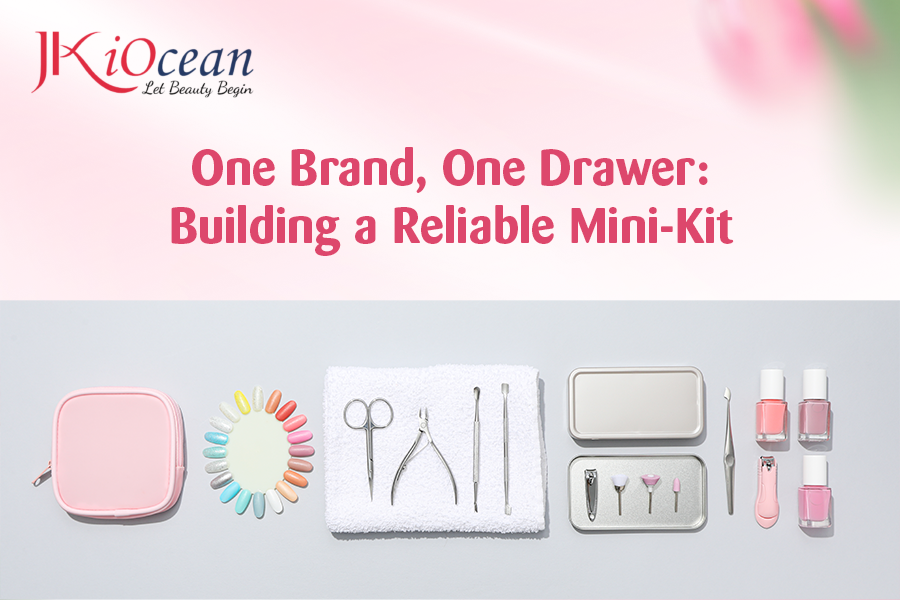
If you prefer one source for your core five, look for a professional supplier that offers:
-
Stainless clippers and nippers with consistent sharpness,
-
Well-machined dual-end pushers,
-
Multiple-grit files and sponge buffers,
-
Clear sanitation guidance and tool storage options.
That way, everything works together—and your re-orders stay simple.
Your manicure is only as healthy and polished as the tools behind it. By investing in the five essentials—precision clippers, a dual-end cuticle pusher, sharp nippers, a small set of files/buffers, and proper hygiene equipment—you’ll cover 95% of nail-care scenarios with professional confidence. Whether you’re a salon owner setting standards for a team or a minimalist at home, this compact kit keeps nails neat, strong, and camera-ready—without clutter or guesswork.
Strong tools. Clean methods. Consistent results. That’s the heart of great nail care.